

Suspenders vs belt for back health is a common question for anyone who spends long hours sitting, standing, or moving around in trousers that need to stay up all day. Neither accessory is a medical device, and neither one treats back pain on its own, but the way each distributes pressure around the midsection can make a real difference to day to day comfort, especially for people who already notice discomfort by the end of a long shift or a long commute.
This guide compares how suspenders and belts actually support trousers, what the mechanics of each accessory mean for your waist and lower back, what current research says about waist pressure, and how to think through which option is more likely to suit you.
Looking for a way to keep trousers up without cinching your waist? Try our wide leather suspenders with no-slip clips, built for all-day comfort.

How Belts and Suspenders Support Your Trousers
A belt works by tightening fabric around the waist and relying on friction and compression against the body to keep trousers from sliding down.
Mechanically, this only works reliably if your hips are wider than your waist, since the belt needs something to catch on below the point of compression. If the waist is your widest point, a belt has to be tightened well beyond comfortable levels just to stay up at all, because there is nothing lower down to stop it from slipping.
Suspenders solve this differently. They attach to the trouser waistband at four points, front and back, and run up over the shoulders, so the weight of the trousers is carried by the shoulders rather than squeezed at the waist, regardless of where your body carries its width. For a closer look at this comparison, see our article on whether suspenders can cause back pain.
Can a Tight Belt Cause Discomfort?
According to the Mayo Clinic News Network, tight, constricting clothing, including tight waistbands, can contribute to nerve compression, worsen digestive discomfort, and irritate skin with extended wear. One specific nerve issue tied to tight waist pressure is meralgia paresthetica, a condition where the lateral femoral cutaneous nerve, which runs from the abdomen down through the outer thigh, becomes compressed by sustained pressure at the waistline, causing tingling, numbness, or a burning sensation in the thigh.
A belt tightened enough to reliably hold trousers up, especially on trousers that fit loosely elsewhere, can concentrate that pressure at a single point around the waist, and some people notice this far more than others over the course of a long day.
Can Suspenders Reduce Waist Compression?
 Because suspenders do not rely on tightening around the waist to hold trousers in place, they can reduce the need for the kind of compression a belt requires. This does not mean suspenders eliminate pressure entirely, since any weight the trousers carry has to be supported somewhere.
It means that pressure is spread across the shoulders and a properly sized, looser waistband instead of being concentrated at one narrow point around the midsection, which is generally the more comfortable distribution for people who already notice waist pressure with a belt.
Comfort When Sitting for Long Periods
For people who sit for extended stretches, whether at a desk, in a vehicle, or through long meetings, a snug belt can dig in noticeably at the waist when seated, since sitting naturally compresses the abdomen further and pushes soft tissue against the belt line. A rigid belt can also force the lumbar spine and pelvis into a fixed position while seated, which is worth knowing if you already deal with stiffness after long stretches at a desk.
Suspenders do not add extra pressure when sitting, because they are not relying on waist tension to begin with, and the shoulder straps have some natural give as your posture shifts throughout the day.
Research published in the National Library of Medicine on prolonged sitting and trunk muscular discomfort found that extended sitting alone increases perceived discomfort in the lower back, independent of what someone is wearing, which is worth keeping in mind before adding further compression at the waist on top of hours of sitting. Our guide to suspenders for people who sit at a desk all day covers this in more detail, including adjustment tips specific to desk work.
If you are on your feet or at a desk most of the day, our hip clip suspenders offer an adjustable, comfortable fit. Shop hip clip suspenders.

Suspenders for Larger or Changing Waist Sizes
For people with a larger midsection, or a waist size that shifts throughout the day, for instance after meals, suspenders can be considerably more forgiving than a belt, since trouser fit does not depend on cinching to one exact waist measurement that has to hold from morning to night.
This also lets trousers be properly sized through the seat and thigh without forcing the waistband to double as the only thing holding them up, which is often the real source of belt discomfort rather than the waist measurement by itself. Our guide on how to keep pants up with a bigger belly looks at this in more depth, including which suspender styles tend to work best for this specific situation.
Posture and Back Health: What Suspenders Can and Cannot Do
Suspenders may make it easier to sit and stand without a tight band digging into the waist, and some people find this noticeably more comfortable over a long day, particularly if they already deal with waist sensitivity or a larger midsection. Suspenders are not, however, a treatment for back pain, poor posture, or any spinal condition, and no clothing accessory should be treated as one.
There is a real, meaningful difference between a comfort improvement, which suspenders may offer for some people, and a medical treatment, which suspenders are not designed or intended to provide. Anyone with a diagnosed back condition should continue following guidance from a healthcare professional rather than treating a clothing change as a substitute for that care.
When Belt Tightness Becomes a Problem
Belt tightness typically becomes a bigger factor after a meal, during long periods of sitting, or when trousers fit slightly loose elsewhere and the belt ends up doing extra work to compensate for that looseness. In these situations, some people notice meaningfully more waist pressure with a belt than they would with suspenders, simply because there is no single point on a belt absorbing all of that compensating tension the way suspenders spread the load across the shoulders instead.
Getting the Fit Right, Even With Suspenders
Switching to suspenders does not remove the need for correctly fitted trousers. Trousers worn with suspenders should still sit at the natural waist without excess bagginess, since suspenders support the trousers rather than replace proper tailoring, and a poor overall fit can undercut the comfort benefit suspenders are otherwise meant to provide.
Proper Suspender Adjustment
Suspenders should be adjusted so the trousers sit comfortably at the waist without pulling upward or drooping. Straps that are too tight can dig into the shoulders and create a new source of discomfort in the upper back or neck, while straps that are too loose defeat the purpose of wearing them in the first place. Our suspenders size chart guide walks through getting this right for your specific height and build.
Choosing the Correct Width
Wider suspenders, generally in the 1.5 to 2 inch range, distribute weight over a larger area of the shoulder, which some people find more comfortable for all day wear or with heavier trousers such as work pants. Narrower styles work well for lighter dress trousers where a bulkier strap would show through the fabric or feel unnecessary for the weight being carried.
X-Back vs Y-Back Considerations
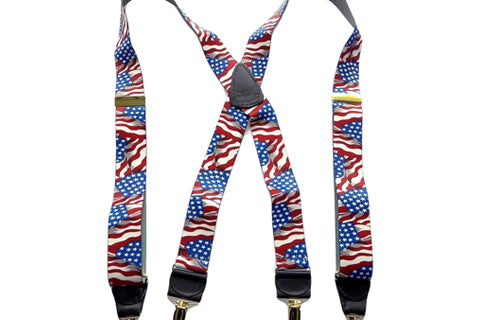
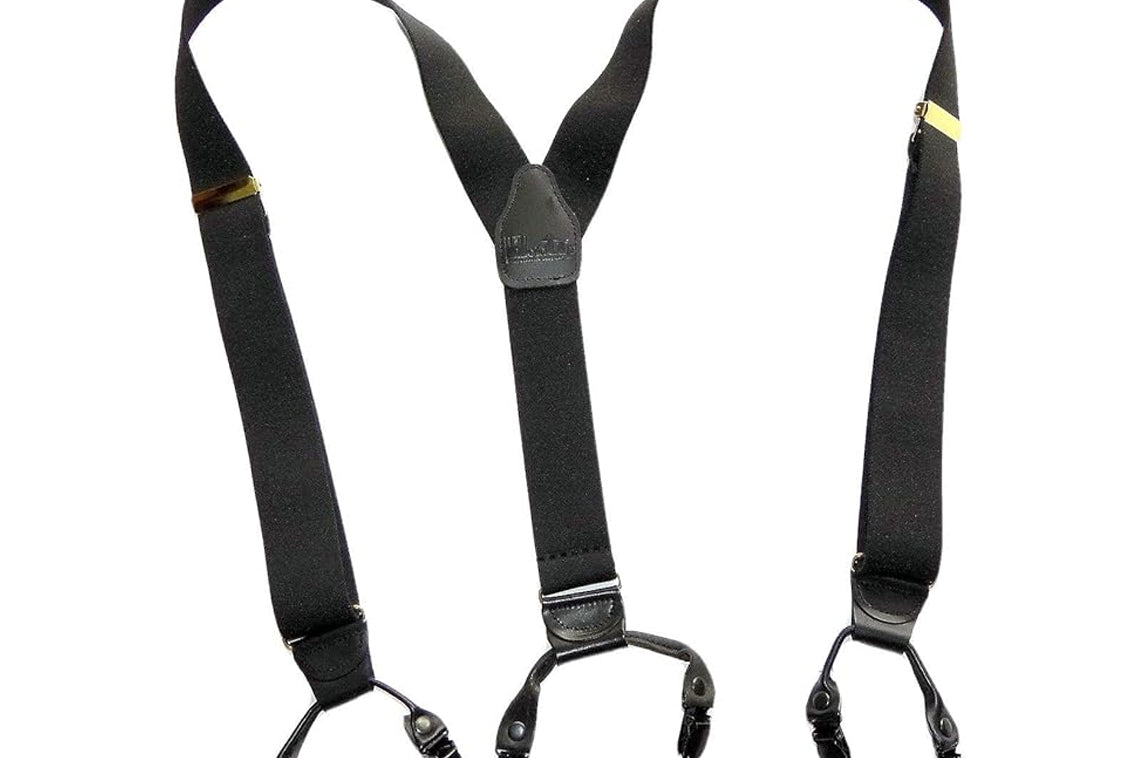
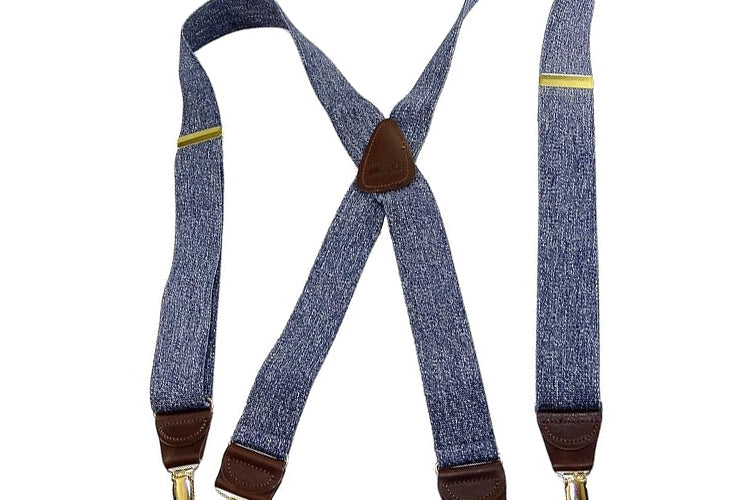
X-back suspenders cross at the back and tend to stay in place well for people who move around often throughout the day, since the crossing point resists slipping off the shoulder during bending or reaching. Y-back styles use a single rear strap and a more traditional look, with slightly less material across the shoulders, which some people with narrower or more sloped shoulders find distributes tension a bit differently than the X pattern. Our comparison of X-back vs Y-back suspenders breaks down which style suits different builds and activity levels.
Clip vs Button Suspenders
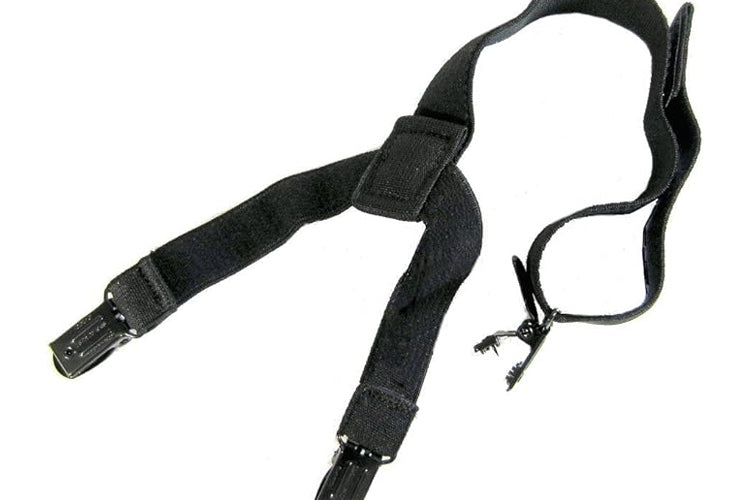
Clip suspenders attach without needing sewn in buttons and move easily between pairs of trousers, which makes them convenient if you rotate through several pairs of pants during the week. Button suspenders sit flatter against the body and are less likely to detach during movement, which some people prefer for a more secure, all day feel. The comfort difference between the two is minor and mostly comes down to personal preference rather than any meaningful difference in back support. See our full button vs clip-on suspenders comparison for more detail on sizing and attachment.
When a Belt Is Still a Perfectly Good Choice
 For people who do not experience waist discomfort with a properly fitted belt, there is no reason to switch. A well-fitted belt on trousers that already fit well at the waist, without needing to be cinched tight to compensate for a loose fit elsewhere, can be entirely comfortable for all day wear, and plenty of people go through an entire career or lifetime without ever finding a belt to be an issue.
Who May Prefer Suspenders
Suspenders tend to appeal most to people who sit for long stretches at a time, people whose waist size shifts through the day, people who find belts dig in noticeably when seated, and people whose waist is close to or wider than their hips, where a belt mechanically struggles to stay up without being over tightened. They also tend to appeal to anyone who simply prefers trousers to sit at the natural waist without needing a tight band to hold them there.
When to Talk to a Healthcare Professional
If back pain is persistent, worsening, or comes with numbness, tingling, or pain radiating into the legs, that is a signal to speak with a doctor or physical therapist rather than relying on a clothing change to resolve it. Switching what holds your trousers up should never be the reason a real symptom goes unchecked, and it is worth ruling out anything more serious before assuming discomfort is coming from a belt or a pair of suspenders at all.
Suspenders vs Belt for Back Health: Quick Comparison
|
Factor |
Suspenders |
Belt |
|
Where pressure is applied |
Shoulders and a looser waistband |
Concentrated around the waist |
|
Trouser support |
From above, via shoulder straps |
From compression at the waist |
|
Waist compression |
Minimal |
Can be significant if tightened |
|
Works well for waist wider than hips |
Yes |
Mechanically difficult |
|
Adjustability |
Adjustable at the shoulder straps |
Adjustable at waist notches |
|
Sitting comfort |
Generally unaffected by sitting |
Can dig in more when seated |
|
Formalwear compatibility |
Traditional with tuxedo trousers |
Not traditional with tuxedo trousers |
Final Verdict: Suspenders vs Belt for Back Health
Neither suspenders nor a belt is a medical solution for back pain, but suspenders may offer a more comfortable alternative in the specific situations covered above: long periods of sitting, a larger or changing waist size, or a build where a belt mechanically has to be over tightened just to stay up.
Outside of those situations, there is little reason to switch, and the choice comes down to preference more than anything else. If back pain persists regardless of which one you wear, that is a conversation for a healthcare professional, not a clothing decision, and no accessory on this page should be treated as a substitute for that evaluation.
Frequently Asked Questions
Are suspenders better than belts for your back?
For some people, yes, because suspenders avoid concentrating pressure around the waist. This is a comfort difference rather than a proven medical benefit, and results vary from person to person.
Can a tight belt cause back discomfort?
A belt tightened enough to hold trousers in place can concentrate pressure at the waist, which some people find uncomfortable, especially when sitting for long periods or after eating.
Do suspenders improve posture?
Suspenders are not a posture-correcting device. Some people find that not having a tight belt lets them sit and move more comfortably, but suspenders do not train or fix posture on their own.
Are suspenders better when sitting for long periods?
Many people find suspenders more comfortable when seated for long stretches, since they do not add extra compression to the waist the way a tightened belt can when sitting.
How tight should suspenders be?
Suspenders should be adjusted so trousers sit comfortably at the natural waist without pulling upward or feeling loose, with enough give to sit and move without strain on the shoulders.
Can suspenders help with back pain?
Suspenders are not a treatment for back pain. They may reduce waist compression, which some people find more comfortable, but anyone with ongoing back pain should speak with a healthcare professional.