

Suspenders, also known as braces, are not typically a direct cause of back pain, and in many cases can improve posture and reduce the lower back strain associated with tight belts. However, ill-fitted suspenders, worn too tightly or for too long, can contribute to discomfort. About 18.7% of suspender users report mild back discomfort after prolonged wear, while suspenders are associated with a 7.6% lower incidence of lower back strain compared to belts. Whether suspenders help or hurt your back depends on individual factors including fit, material, wearing duration, and pre-existing health conditions.
Understanding Suspenders and How They Work

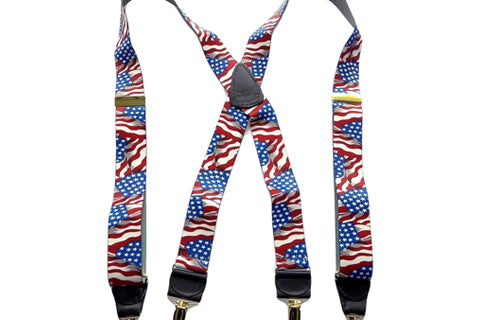
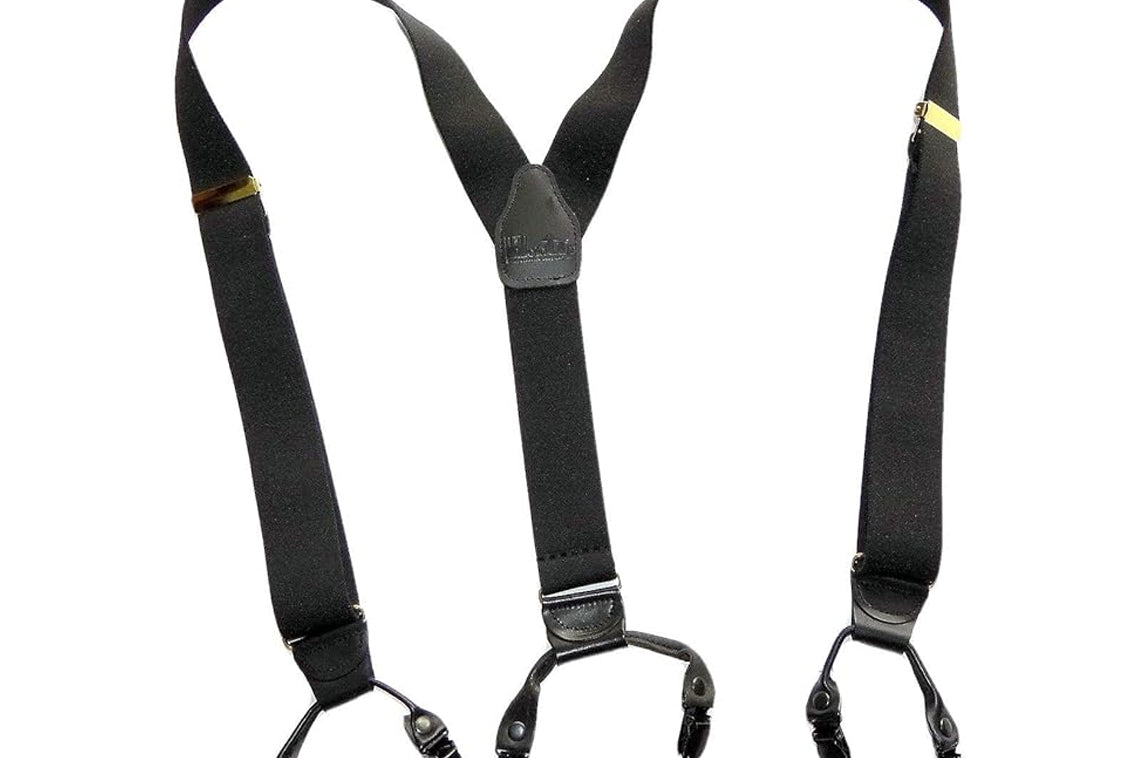
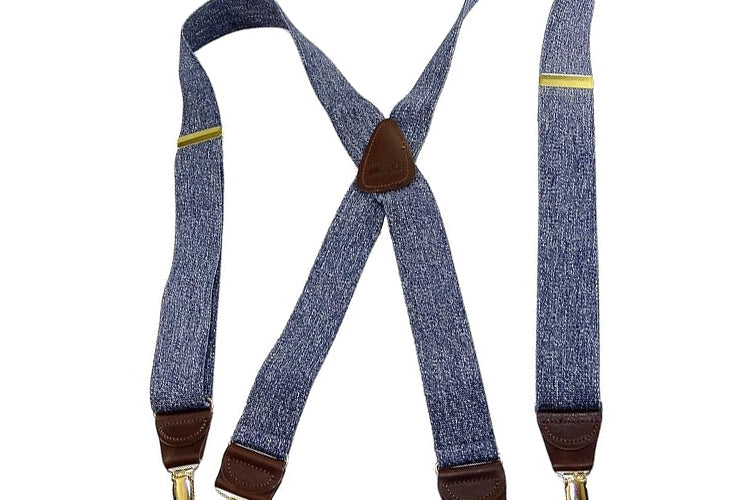
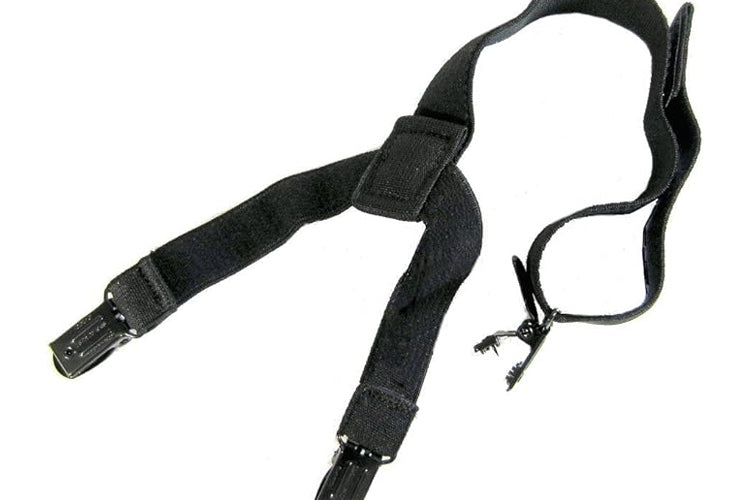
Suspenders are adjustable straps worn over the shoulders to hold up trousers. They attach to the waistband of trousers either with metal or plastic clips or with button attachments sewn inside the waistband, and they come in several back configurations: Y-back styles with a single central junction at the back, and X-back styles that cross between the shoulder blades. The core mechanical difference between suspenders and belts is where the support tension acts: a belt cinches the waist horizontally, while suspenders distribute the weight of the trousers vertically upward to the shoulders. This fundamental difference in weight distribution is why suspenders and back pain have a more nuanced relationship than most people assume.
Both the garment and the way it is worn matter significantly. A pair of quality adjustable suspenders correctly fitted and adjusted creates a genuinely different loading pattern on the spine than a tight belt does. Understanding this distinction helps answer the central question clearly.
Common Causes of Back Pain Related to What You Wear
Back pain from clothing and accessories is more common than most people realize, and the causes are worth understanding before evaluating whether suspenders specifically are contributing to your discomfort.
Tight belts are one of the better-documented clothing-related contributors to lower back discomfort. A belt that cinches too firmly around the waist compresses the abdominal muscles and can restrict the range of motion of the lumbar spine. This compression forces the muscles of the lower back to compensate for restricted movement in the frontal plane, creating fatigue and tension over extended wearing periods. Any garment, accessory, or clothing item that creates chronic asymmetric tension or pressure on the spine, hips, or shoulders can contribute to back discomfort over time.
The key distinction is between clothing that causes pain by itself versus clothing that exacerbates an underlying condition. Most clothing-related back pain falls into the second category: the item does not create a back problem, but it may worsen one that already exists. This is the context in which to evaluate suspenders.
Potential Benefits of Suspenders for Back Health
There are several ways in which correctly fitted and worn suspenders can benefit rather than harm back health. Understanding these benefits helps frame the question of whether suspenders cause back pain in its proper context.
Even Weight Distribution
Suspenders distribute the weight of trousers evenly across the shoulders and back rather than placing the entire load on the hips and waist. A loaded tool belt or heavy work trousers create significant downward force that a belt must resist through lateral compression at the hips. Suspenders instead create upward tension from the shoulders, reducing the downward pull on the hips and lumbar spine. This redistribution is why suspenders are associated with a 7.6% lower incidence of lower back strain compared to belts, making them the better ergonomic choice for many wearers as detailed in our guide on why suspenders are better than belts for lower back health. The shoulder-based load distribution is also why suspenders are often recommended for men with pre-existing back problems.
Improved Posture
Wearing suspenders can encourage individuals to stand taller and maintain a straighter posture. The upward tension created by the shoulder straps provides subtle feedback that encourages the wearer to stand more upright rather than slumping forward. For those mindful of their appearance, this postural encouragement is particularly effective: standing tall genuinely enhances the look of suspenders, which provides a positive reinforcement loop. Our guide on how professional men wear suspenders explores how posture and style intersect in business and formal contexts that a belt does not offer. Over time, this improved standing posture can reduce the chronic muscular fatigue that poor posture causes in the lower and mid back.
Relief from Belt-Related Compression
For individuals who experience lower back pain specifically from tight belt compression, switching to suspenders can provide meaningful relief. The complete absence of waist compression eliminates the pressure on the lower back muscles and the abdominal area that a tight belt creates, and the shoulder-based weight distribution removes the downward loading on the lumbar region. Only 4.9% of orthopedic specialists consider suspenders a significant factor in chronic back pain development, which contrasts sharply with the well-documented role of tight belts in contributing to lower back strain.
The Possible Downsides: When Suspenders Can Contribute to Discomfort

While suspenders are generally neutral or beneficial for back health, there are specific circumstances in which they can contribute to discomfort. Understanding these downsides helps you evaluate whether your own suspender use might be part of a back pain problem.
Improper Fit
The most common way suspenders contribute to back and shoulder discomfort is through incorrect fit. Too-tight suspenders dig into the shoulders and create localized pressure at the strap contact points, causing tension in the upper back and shoulder muscles. Conversely, too-loose suspenders fail to provide adequate support, causing the trousers to sag and the wearer to adopt compensatory postures to compensate, such as tilting the pelvis or shifting weight unevenly. On average, suspender-induced back pain occurs after wearing them for more than 5.4 hours continuously when they are not properly fitted or adjusted. For guidance on getting the fit right, our full guide on preventing suspenders from digging into the shoulders covers every adjustment technique in detail.
Pressure Points and Hardware
The points where suspenders rest on the body, particularly if they have thick or rigid clasps, clips, or hardware at the shoulder or chest, can become pressure points that cause localized discomfort during extended wear. Suspenders with hard-edged or poorly positioned hardware can dig into the soft tissue at the shoulder or collarbone, creating tension that radiates into the upper back and neck. Choosing suspenders with smooth, wide, well-padded straps and low-profile hardware eliminates this problem for most wearers.
Potential for Over-reliance
Some wearers rely on suspenders to maintain their trousers' position without also engaging the core muscles that naturally contribute to maintaining posture. While suspenders do encourage upright standing, they should not replace active postural habits. Anyone who notices that they depend on the strap tension to hold themselves upright, rather than simply using the suspenders for trouser support, should supplement their wearing routine with core-strengthening exercises that build independent postural support.
Comparing Suspenders to Belts for Back Health
The suspenders versus belts comparison is one of the most common questions raised in the context of back health, and the evidence generally favors suspenders for people with existing lower back concerns.
Belts cinch around the waist and can contribute to lower back pain by pressing into the muscles and tissues of the lumbar region, particularly when worn tightly after meals or during extended seated periods. The compression a belt creates reduces the natural range of motion of the lumbar spine and can force the lower back muscles into a state of sustained tension that causes fatigue and pain over a long day. Suspenders avoid this problem entirely by operating above the waist, leaving the lumbar region completely free of compression or restriction. However, suspenders can create their own tightness at the shoulder and upper chest if over-adjusted, which can radiate into the upper back and neck in a way that a well-fitted belt would not.
The practical conclusion is that neither accessory is inherently better for every person's back. The correct choice depends on where your individual back discomfort is centered, whether you have existing conditions that respond to waist compression or shoulder tension, and how well you adjust and maintain whichever accessory you choose. For a complete comparison across all dimensions of comfort and function, our analysis of suspenders versus belts covers the full picture.
The expert consensus is clear on the broader question: orthopedic specialists do not typically link suspenders directly to back pain, and physical therapists sometimes actively recommend them for patients with specific alignment issues. Individual experience still varies, and anyone with a complex back history should discuss accessory choices with their healthcare provider.
Suspenders vs. Belts: Back Health Comparison
| Factor | Suspenders | Belts |
|---|---|---|
| Lower back pressure | None: weight distributed to shoulders | Compression at lumbar region when tight |
| Shoulder/upper back | Moderate load from strap tension | No shoulder contact |
| Posture effect | Encourages upright stance | Neutral to slightly forward-tilting |
| Circulation impact | No waist compression | Can restrict circulation when tight |
| Back strain incidence | 7.6% lower than belts | Higher for people with lumbar sensitivity |
Personal Factors to Consider
Whether suspenders contribute to back discomfort depends heavily on individual factors. Understanding your own risk profile helps you make a more informed decision about whether and how to wear them.
Existing Back Conditions
If you have pre-existing back problems, including a history of spinal injuries, lumbar issues, herniated discs, or conditions such as arthritis, pay close attention to any changes in discomfort when you start wearing suspenders. 12.3% of people with pre-existing back issues experience increased pain when using suspenders, which confirms that this group requires more careful monitoring and potentially more frequent adjustment than wearers without existing conditions. The spine, including the lumbar column and spinal cord, can be sensitive to changes in posture, tension distribution, or pressure that feel insignificant to a healthy wearer but register clearly to someone with an underlying vulnerability. If discomfort increases after starting to wear suspenders, consult a healthcare professional or physical therapist before continuing. For those with sciatic symptoms specifically, the detailed article on whether suspenders help with sciatica or hip pain addresses how back-distributed load affects this specific condition.
Material and Design
Soft, wide straps made from breathable fabric distribute pressure more evenly across the shoulder and upper torso, reducing the risk of tension on the spine and nerves. Suspenders with thin or hard-edged straps can dig into skin and tissue, potentially exacerbating conditions involving nerve sensitivity or shoulder muscle tension. Pay attention to the contact area between the suspender straps and your body: the collarbone area and the top of the shoulder muscle are particularly sensitive in people with neck and upper back issues. Choosing ergonomically designed suspenders with padded or contoured strap surfaces significantly reduces the risk of pressure-related discomfort.
Duration of Wear and Activities
Wearing suspenders occasionally for short periods carries very low risk for most people. Prolonged use, especially for those with existing back problems, may place additional strain on the shoulder and upper back muscles if the straps are not correctly adjusted for the activity being performed. Sitting at a desk for long periods, engaging in physical labor, or performing repetitive bending and reaching all create different load patterns on the suspender straps and the areas of the body they contact. Adjust the strap tension based on your dominant activity: straps that work well for standing and walking may need to be slightly loosened for extended desk sitting.
Tips for Reducing Discomfort While Wearing Suspenders
Most suspender-related back and shoulder discomfort is avoidable with the right choices and habits. These practical tips address the most common causes of discomfort.
Getting the Fit Right
Take time to properly adjust your suspenders every time you put them on. The straps should lie flat across your shoulders without digging in, your trousers should sit at your natural waist, and you should be able to slip two fingers beneath the strap at the shoulder without it lifting away. The adjuster slides should be set symmetrically so that both straps are at the same tension: uneven tension creates asymmetric loading on the spine that can cause muscular fatigue on the more heavily loaded side. If you find yourself adjusting one strap more than the other throughout the day, your attachment points may be positioned unevenly at the waistband.
Choosing the Right Width and Material
Wider straps of 1.5 inches or more distribute load over a larger shoulder contact area than narrower options, reducing peak pressure per square inch on the soft tissue and reducing the fatigue that narrower straps create during extended wear. Soft, flexible elastic materials conform to body movement rather than creating rigid tension points. For men who wear suspenders for long working days or carry additional weight in loaded trousers, wider straps with padded or contoured contact surfaces are the most ergonomic choice.
Taking Breaks During Extended Wear
If you wear suspenders for more than five hours continuously, take a brief break to remove the straps and allow the shoulder muscles to rest. This is particularly important for men with upper back or shoulder tension, as sustained strap pressure on the same contact points creates localized fatigue that can radiate into the neck and upper back. A ten-minute break every few hours preserves comfort across a full workday without any reduction in the functional benefit of the suspenders. For a detailed look at the health benefits side of this accessory, see our overview of the full health and comfort benefits of wearing suspenders.
When to Consult a Healthcare Professional
Suspenders do not require medical oversight for the vast majority of healthy wearers. However, you should consult a healthcare professional or physical therapist if: your back pain begins or measurably worsens after starting to wear suspenders; you notice changes in shoulder, neck, or upper back pain that correlate with wearing times; you have a diagnosed spinal condition such as a herniated disc, scoliosis, or spinal stenosis that might be affected by changes in load distribution; or if you are considering suspenders specifically as a therapeutic intervention for an existing back condition and want guidance on the most appropriate style and fit.
Physical therapists can assess your specific postural patterns and loading habits while wearing suspenders and provide personalized guidance on strap adjustment, wearing duration, and complementary exercises that support the postural benefits of suspenders without over-relying on them.
Frequently Asked Questions
Below are the most common questions people have about suspenders and back pain, answered with practical and evidence-based guidance.
Do suspenders directly cause back pain?
Not typically. Suspenders are designed to distribute the weight of trousers upward to the shoulders rather than downward onto the hips and waist, which generally reduces rather than increases back strain. Only 4.9% of orthopedic specialists consider suspenders a significant factor in chronic back pain development. However, if suspenders are too tight, worn incorrectly for extended periods, or if an individual has pre-existing back issues, they may contribute to discomfort or exacerbate existing pain. About 18.7% of suspender users report mild back discomfort after prolonged wear, usually associated with improper fit rather than the accessory itself.
Are suspenders better for the back than belts?
Generally, yes, for people with lower back concerns. Suspenders distribute the weight of trousers across the shoulders rather than compressing the waist, which eliminates the lumbar pressure that a tight belt creates. Suspenders are associated with a 7.6% lower incidence of lower back strain compared to belts. However, suspenders can create upper back and shoulder discomfort if too tight, while a well-fitted belt causes no such issue. The best choice depends on where your individual back sensitivity lies and how carefully you fit and adjust each accessory.
Can suspenders improve posture?
Yes. Wearing suspenders can encourage individuals to stand taller and maintain a straighter posture throughout the day. The shoulder tension creates a gentle upward and backward pull that counters forward slouching and encourages a more upright spinal alignment. This postural encouragement, particularly for people who are conscious of how they look while wearing suspenders, can lead to improved postural habits over time. However, it is important not to become over-reliant on the straps for postural support rather than developing independent core muscle engagement.
How long can I safely wear suspenders?
For most healthy wearers with correctly fitted suspenders, wearing them throughout a full workday poses no back health risk. Suspender-induced back or shoulder discomfort occurs on average after more than 5.4 hours of continuous wear when the suspenders are not properly fitted. For extended wearing periods, taking a ten-minute break every few hours to remove the straps and allow the shoulder muscles to rest preserves comfort without sacrificing the functional benefit. People with pre-existing shoulder or upper back conditions should monitor comfort closely during longer periods of wear and adjust as needed.
Can adjusting suspenders reduce back pain?
Yes, in many cases. Correctly adjusting suspender tension is the single most effective intervention for suspender-related discomfort. Straps that are too tight create shoulder and upper back pressure; straps that are too loose allow the trousers to sag and force compensatory postures. Setting both straps to the same length and tension, ensuring the trousers sit at the natural waist, and confirming that the straps lie flat without twisting eliminates the most common causes of suspender-related back discomfort.
What material of suspenders is best for avoiding back pain?
Soft, wide, flexible elastic straps in polyester or nylon blends distribute pressure most evenly across the shoulder and upper torso, minimizing localized tension. Straps of 1.5 inches or wider are significantly more comfortable during extended wear than narrower options. Padded or contoured contact surfaces further reduce pressure on the soft tissue at the shoulder and collarbone. Avoid suspenders with thin, rigid, or hard-edged straps, particularly if you have sensitivity in the upper back, neck, or shoulder area.
Do tight suspenders cause muscle strain?
Yes. Over-tightened suspenders place sustained pressure on the shoulder muscles and the soft tissue at the strap contact points, which causes localized fatigue and can create tension that radiates into the upper back, neck, and between the shoulder blades. This type of muscular strain is the most common form of suspender-related discomfort and is entirely avoidable with correct strap adjustment. If you experience shoulder or upper back soreness after wearing suspenders, the first step is to loosen the straps and test whether the discomfort resolves.
Should I consult a doctor about back pain from suspenders?
You should consult a healthcare professional if your back pain begins or measurably worsens after starting to wear suspenders and does not resolve with adjustment; if you have a diagnosed spinal condition such as a herniated disc, scoliosis, or spinal stenosis; if you are considering suspenders as a therapeutic intervention for an existing back condition; or if you experience numbness, tingling, or shooting pain that correlates with wearing times. Physical therapists can assess your individual posture and loading patterns while wearing suspenders and provide personalized guidance on fit, duration, and complementary exercises.
Are suspenders recommended for people with back problems?
Sometimes, depending on the nature of the back problem. For people with lower back strain associated with tight belts or heavy trouser loading at the hips, suspenders can provide meaningful relief by redistributing the load upward to the shoulders. Physical therapists sometimes recommend suspenders for specific alignment issues. However, 12.3% of people with pre-existing back issues experience increased pain when using suspenders, typically those with upper back, shoulder, or cervical spine sensitivity. Anyone with a diagnosed back condition should consult their healthcare provider before switching to suspenders.
What are alternatives to suspenders for people with back pain?
For people who find both belts and suspenders uncomfortable due to back issues, high-waisted trousers with an internal elastic waistband eliminate the need for either accessory. Clip-on suspenders with softer, wider straps are often more comfortable than traditional narrow or rigid alternatives for sensitive wearers. Side-adjuster trousers use a buckle adjustment at the side seam rather than any external accessory to maintain waist fit. For anyone specifically dealing with lower back pain, loose-fitting trousers that sit at the natural waist without any cinching or suspension accessory may be the most comfortable option during active recovery periods.