
Suspenders for men with back problems offer real orthopedic benefits by eliminating waist compression, redistributing trouser weight across the shoulders, and naturally encouraging an upright posture that reduces strain on the lumbar spine.
Why Your Belt Might Be Making Your Back Worse
Most men dealing with chronic back discomfort never stop to question their belt. Yet the belt is one of the most mechanically problematic garments a person with back issues can wear daily. A belt cinches tightly around the waist, compressing the soft tissue, restricting natural breathing patterns, and pressing against the lumbar region for hours at a stretch. Over time, this creates a cycle of tension that compounds existing back problems rather than easing them.
Suspenders work differently at a fundamental level. Instead of anchoring trousers at the waist, they suspend them from the shoulders. This single mechanical shift changes everything about how the body carries the weight of clothing throughout the day.
-
No waist compression means the abdominal and lumbar muscles are free to move naturally.
-
The lower back is not pressed or constricted at any point during sitting, standing, or bending.
-
Trouser position stays consistent without the constant tugging and readjusting that contributes to repetitive strain.
Understanding why suspenders outperform belts for posture and comfort comes down to this simple mechanical difference: shoulders are better suited to bearing the light weight of trousers than the lumbar region.
How Suspenders Support Spinal Alignment
Back pain is rarely about one single cause. It usually involves a combination of postural habits, muscle imbalances, and external pressure on the spine. Suspenders address several of these factors simultaneously, which is why physical therapists sometimes recommend them for men with specific alignment issues.
The shoulder straps of a well-fitted pair of suspenders create a gentle upward tension that naturally pulls the torso into an upright position. This is not a dramatic correction but rather a subtle, consistent reminder throughout the day to stand and sit taller. Over hours of wear, this subtle cue can meaningfully reduce the muscular fatigue that comes from chronic slouching.
Men dealing with sciatica often find particular value here. How suspenders may help with sciatica and hip pain is well worth understanding, especially since belts can press into the exact areas where sciatic tension originates. By removing that source of compression, suspenders allow the hips and lower back to decompress more freely.
Choosing the Right Back Style for Orthopedic Benefit

Not all suspenders provide the same level of back support. The configuration of the back straps makes a significant difference, especially for men who are wearing suspenders for health reasons rather than purely for style.
The two primary back styles are X-back and Y-back. For men with back problems, the distinction between X-back and Y-back suspenders is genuinely important, not just a matter of aesthetics.
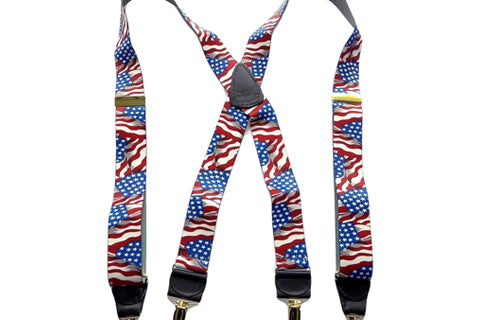
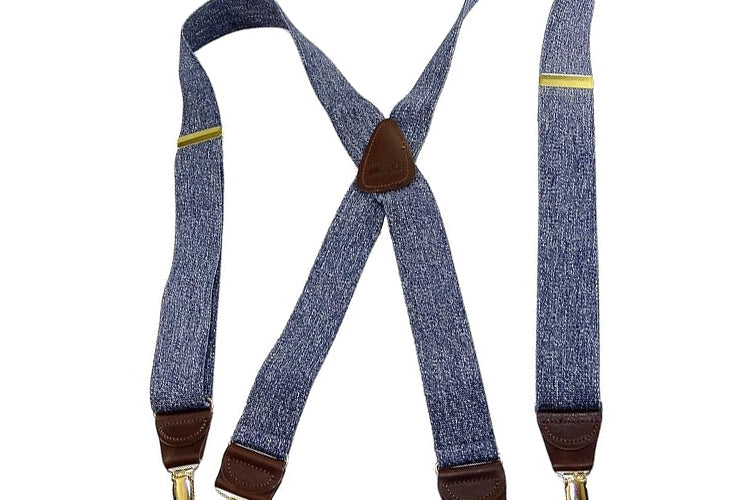
X-back suspenders feature two straps that cross at the center of the back. This crossing mechanism distributes tension across both shoulder blades simultaneously, which means no single point on the back absorbs disproportionate pressure. The straps remain stable during bending and movement, making the X-back the more ergonomic option for extended daily wear.
-
X-back designs spread load evenly across both shoulders.
-
The cross point acts as a structural anchor, preventing strap migration during activity.
-
Wide-strap X-back suspenders are especially effective at distributing tension with minimal shoulder fatigue.
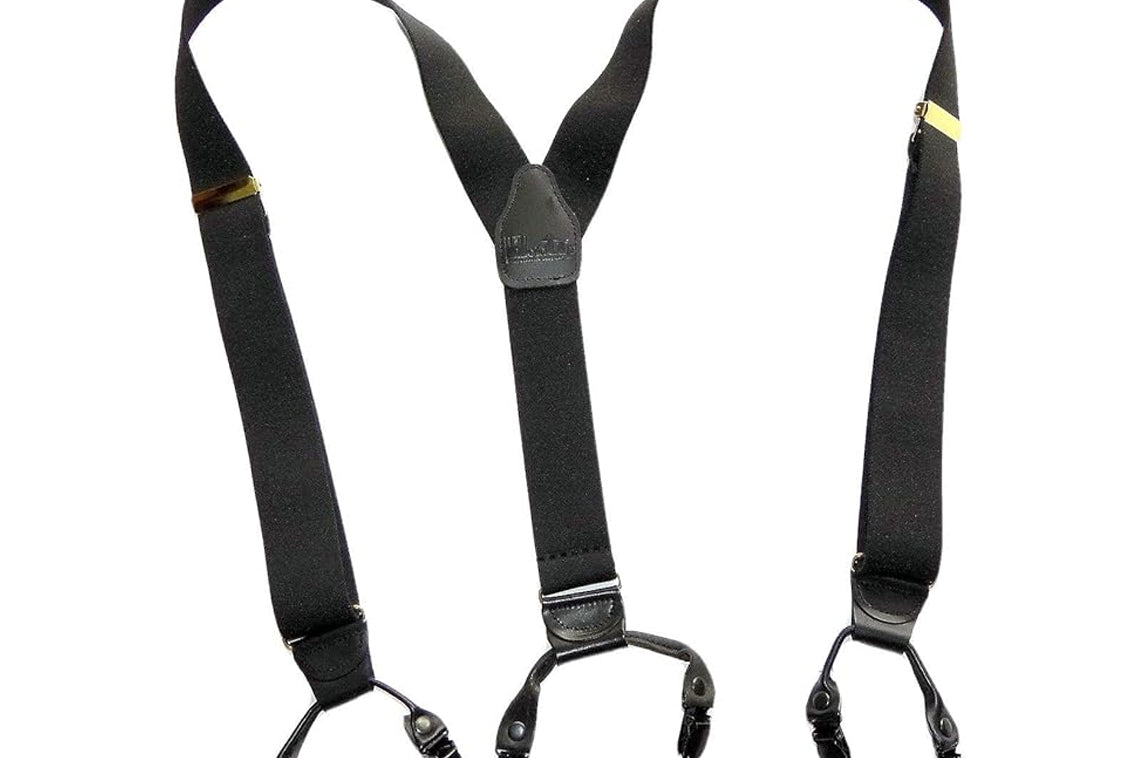
Y-back suspenders converge into a single strap at the center rear. They lie flatter and feel lighter, which can be suitable for light-duty wear or formal occasions, but they do not offer the same bilateral stability. For men prioritizing spinal support, the X-back configuration is the stronger choice.
Width and Material Matter More Than You Think
The width of suspender straps directly affects how pressure is distributed across the shoulders and upper back. Narrow straps concentrate tension on a smaller surface area, which can create localized discomfort, especially during long periods of wear. Wider straps spread the load more broadly, reducing pressure per square inch and making them significantly more comfortable for men with musculoskeletal sensitivities.
When it comes to materials, elastic versus leather suspenders serve different purposes. Elastic straps flex with movement, absorbing shifts in position naturally. This makes them better suited for men who move frequently throughout the day, whether at work or during daily activities. Leather straps offer a cleaner silhouette and hold their shape well but have less give, which can create pressure if the fit is not precisely calibrated.
For men managing back conditions, wide elastic X-back suspenders are generally the most supportive everyday option.
Getting the Fit Right to Avoid New Pain

A common mistake is assuming that any pair of suspenders will automatically help with back pain. Poorly fitted suspenders can create new problems. Straps that are too tight pull the shoulders inward, creating upper back tension. Straps that are too loose allow the trousers to sag and require the same kind of compensatory posture that causes back strain in the first place.
Learning how to adjust suspenders properly is not complicated, but it does require attention. The straps should sit snug against the shirt without digging into the shoulders. The trousers should be pulled to a natural high waist position before clipping. There should be no pulling sensation at the back of the collar or excessive tension across the chest.
-
Start with the front clips or buttons, securing the trousers at the correct height.
-
Adjust strap length so there is slight tension but no pulling.
-
Check that straps lie flat across the shoulder without twisting.
-
Sit down after adjusting to confirm there is no bunching or gap at the back.
Men who have narrower frames or specific proportional concerns should also consider wearing suspenders with narrower shoulders since the positioning of straps affects not just style but also the distribution of shoulder pressure.
When Suspenders Are Especially Beneficial for Back Health
Certain situations make suspenders particularly valuable for men managing back conditions. Understanding these contexts helps prioritize when to reach for suspenders over other options.
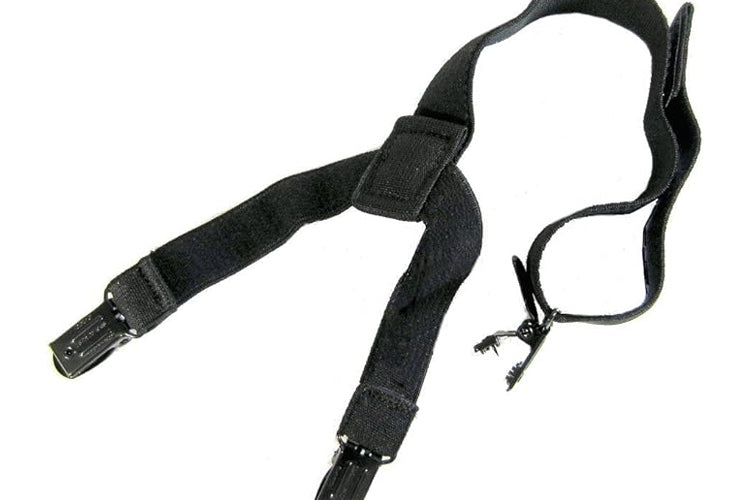
Prolonged sitting is one of the most demanding conditions for a compromised back. A belt can dig progressively harder into the lumbar region as posture shifts during long periods at a desk. Discreet suspenders worn under a shirt solve this completely, providing trouser support without any waist contact at all, a practical consideration for men in office environments who manage chronic lumbar pain.
Physical work is another area where the orthopedic benefit is clear. For men in trades or labor roles, carrying tool belts and working through physical demands places enormous strain on the lower back. Work suspenders for construction and labor settings actively reduce that strain by transferring tool belt weight upward, making loads feel lighter and reducing the cumulative damage that leads to chronic back injury.
Practical Tips for Daily Wear
Integrating suspenders into a daily routine for back health does not require a wardrobe overhaul. Most trouser styles can accommodate suspenders with minimal adjustment. High-waisted trousers are the most compatible, but standard trousers can also work well with clip-on styles.
A useful approach for beginners is to start by wearing suspenders with trousers and layered outfits to understand how the fit feels over several hours. Most men notice an improvement in how their back feels within the first few days of switching, particularly after long stretches of sitting or standing.
One important reminder: never wear suspenders with a belt simultaneously. The combination creates conflicting tension at both the waist and shoulders, which can actually worsen discomfort. The suspenders do the structural work alone, and the belt simply gets in the way.
Common Misconceptions About Suspenders and Back Pain
Many men assume that suspenders are primarily a fashion accessory with no real functional benefit for the back. This is a misunderstanding. The orthopedic logic is straightforward: removing a source of compression from the lumbar region while simultaneously encouraging an upright posture is a meaningful physical benefit, even if it does not replace medical treatment.
Another misconception is that suspenders can cause back pain themselves. Suspenders and back pain have a more nuanced relationship than most people realize. When properly fitted, suspenders do not cause back pain. Problems arise almost exclusively from poor fit, such as straps that are too tight across the shoulders, or from over-relying on suspenders as a substitute for core strengthening. Used correctly alongside other supportive habits, they are a practical daily aid.
FAQs
Are suspenders good for men with lower back pain?
Yes, suspenders can be beneficial for men with lower back pain. By eliminating the waist compression caused by belts and shifting trouser support to the shoulders, suspenders reduce direct pressure on the lumbar region. The shoulder straps also promote a more upright posture throughout the day, which further reduces strain on the lower back muscles and spine.
What type of suspenders are best for back support?
X-back suspenders with wide elastic straps offer the most orthopedic benefit for back support. The X-configuration distributes tension evenly across both shoulder blades, reducing localized pressure and maintaining stability during movement. Wide straps spread the load more broadly, making them more comfortable for extended daily wear compared to narrow or leather strap options.
Can suspenders help with sciatica?
Suspenders may offer indirect relief for men experiencing sciatica by removing belt pressure from the waist and hips, areas where sciatic tension commonly originates. By encouraging better posture and reducing compressive forces on the lower back, suspenders can complement other sciatica management strategies, though they are not a medical treatment and should be used alongside professional guidance.
How do I know if my suspenders are fitted correctly for back health?
Properly fitted suspenders should sit snugly against the shirt without digging into the shoulders. Trousers should be held at a natural high waist position with consistent tension. There should be no pulling sensation at the neck or shoulders, and no sagging at the waistband. After adjusting, sit down to check that the straps do not create a gap or excessive pull at the back. If shoulder discomfort develops, the straps are likely too tight or too narrow.
Should I wear suspenders all day if I have a back condition?
For most men with chronic back conditions, wearing well-fitted suspenders throughout the working day is generally comfortable and can be maintained consistently. Starting with a few hours and gradually increasing wear time allows the body to adapt. It is important to pair suspender use with core strengthening and regular movement, as suspenders support posture but do not replace the muscular work that protects the spine long term.