

If you're dealing with sciatica or hip pain, you might wonder if suspenders could offer some relief. Unlike traditional belts that place pressure on your waist, suspenders distribute weight across your shoulders, potentially easing tension on your lower back and hips. By encouraging better posture and alignment, they might just be the unexpected ally in your pain management strategy. Could this simple accessory be the game-changer you've been searching for?
What Are Suspenders?
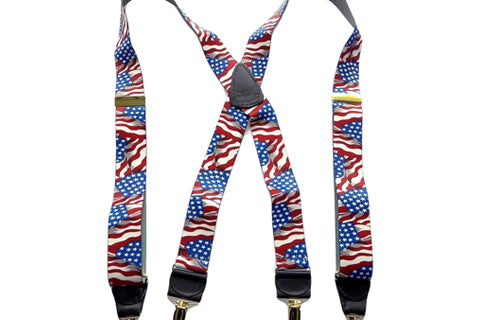
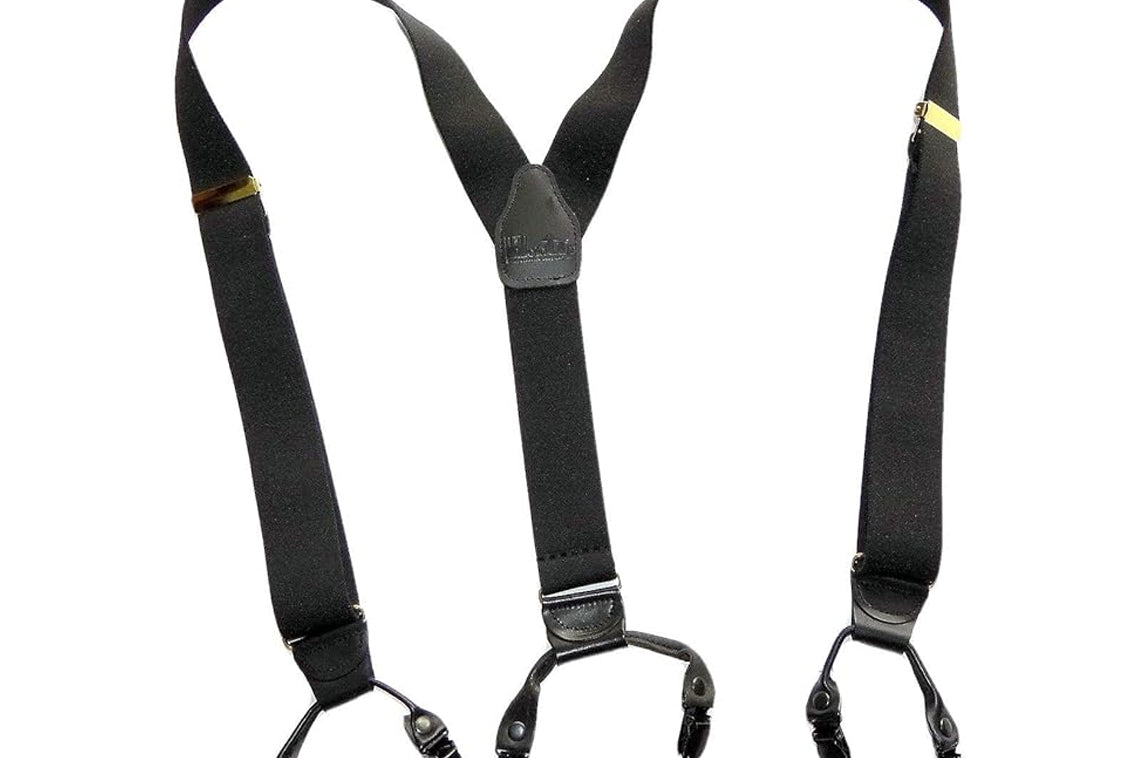
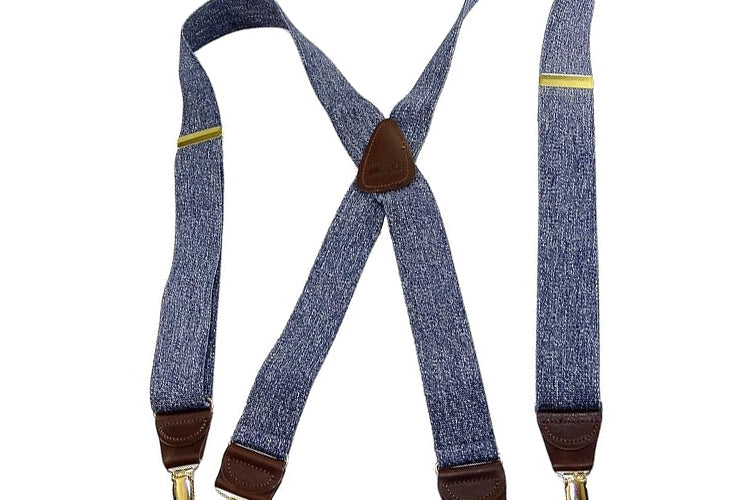
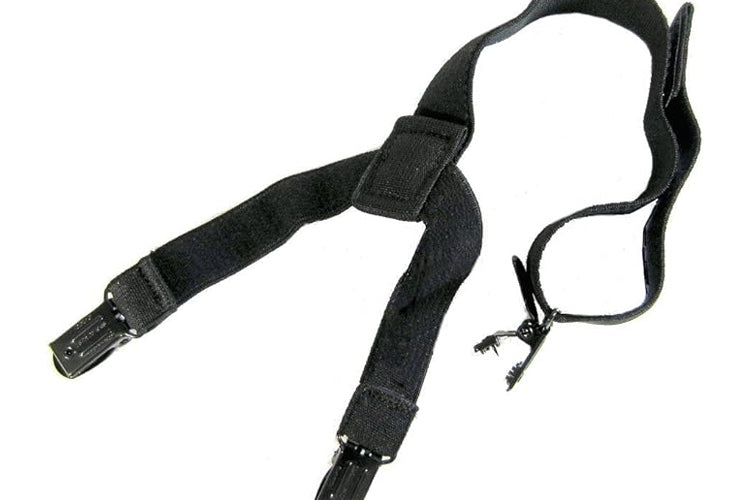
Suspenders are straps worn over the shoulders to hold up pants, eliminating the need for a belt. They attach to the waistband using clips or buttons and come in various widths, materials, and styles. By distributing weight across the shoulders instead of the waist, suspenders can reduce pressure on your lower back, hips, and abdomen, offering a more comfortable fit—especially for individuals managing posture, sciatica, or hip pain.
What Are Sciatica and Hip Pain?
Although both sciatica and hip pain can considerably impact your daily life, understanding their causes and symptoms can guide you toward effective treatment.
Understanding the causes and symptoms of sciatica and hip pain leads to effective treatment.
Sciatica is pain stemming from pressure on the sciatic nerve, which travels from your lower back down each leg. You might feel anything from a dull ache to a sharp, burning sensation, often exacerbated by movements like coughing or sitting. It typically affects one side of your body, radiating from the lower back through the buttock and down the leg. Interestingly, compression of nerves leads to symptoms of sciatica, which is why addressing the underlying cause is crucial for relief.
Causes include herniated discs, lumbar spinal stenosis, or muscular spasms. Risk factors like prolonged sitting, age, and obesity increase your chances of experiencing sciatica, while complications may lead to persistent pain or weakness.
How Do Suspenders Compare to Traditional Belts?
When you're considering posture support, suspenders can be a game changer by encouraging an upright stance and reducing lower back pressure. Unlike traditional belts that tighten around the waist and potentially disrupt natural alignment, suspenders promote healthier back positioning, benefiting both posture and blood flow. Suspenders evenly distribute weight across the shoulders, which can alleviate strain on the waist and contribute to a more comfortable and supportive fit.
What Are the Posture Support Differences?
Compared to traditional belts, suspenders offer a more effective approach to posture support by distributing weight evenly across your shoulders. This distribution helps maintain a consistent, upright stance by creating a vertical line that promotes better spinal alignment. Unlike belts, suspenders remove pressure from your waist, eliminating the constrictive feeling that can compromise posture. You'll find that suspenders allow for natural trouser positioning without needing a tight waistband. Suspenders not only provide comfort but also cultivate a poised appearance that exudes confidence. Here's how they stack up:
|
Feature |
Suspenders |
Belts |
|
Weight Distribution |
Evenly across shoulders |
Concentrated at waist |
|
Posture Maintenance |
Promotes upright stance |
Can compromise with constriction |
|
Spinal Alignment |
Vertical line supports alignment |
Horizontal line may restrict |
|
Waist Pressure |
No waist pressure |
Creates pressure points |
|
Adjustments |
Minimal adjustments needed |
Frequent readjustments required |
Suspenders provide a seamless solution for posture and comfort. Learn more about the key differences in our detailed suspenders vs belts comparison.
How Do Suspenders Improve Blood Flow?
Traditional belts may seem convenient, but they often act like a tourniquet around your waist, restricting blood flow and causing discomfort. A tight waistband can lead to numbness or tingling in your legs and cramping from poor circulation, especially during prolonged sitting. You might find yourself frequently loosening your belt as the constriction becomes unbearable.
In contrast, suspenders offer a circulation-friendly alternative. By eliminating waist compression, they allow unrestricted blood flow, preventing vascular compression. Suspenders do not restrict blood flow, ensuring better comfort and reducing the chances of leg cramps after sitting. With weight distributed across your shoulders, suspenders maintain a relaxed fit around your stomach, supporting natural abdominal expansion and leg positioning.
This design guarantees fewer instances of leg cramping and discomfort, promoting consistent circulation throughout your day. Switching to suspenders can considerably enhance your comfort and vascular health.
How Do Suspenders Reduce Pressure and Pain?
While belts might seem like a go-to choice for securing your pants, they often come at the cost of your comfort and well-being. Belts concentrate all the weight on your hips, leading to fatigue and increased strain over time.
Suspenders offer a superior alternative by distributing the weight evenly across your shoulders, reducing hip strain and minimizing lower back pressure. By sharing the burden between your hips and shoulders, suspenders prevent injury and provide long-term support, especially for those wearing heavy duty belts. They also eliminate the tight waistband pressure that belts create, improving comfort and reducing the risk of pain.
Suspenders can be particularly beneficial for those involved in law enforcement, as duty belt with suspenders enhance weight distribution across the shoulders and waist, improving comfort during extended wear. Ultimately, suspenders offer a more balanced load, preventing discomfort and allowing for all-day comfort during long workdays or events.
What Role Does Posture Play in Pain Management?

Although often overlooked, posture plays an essential role in managing pain, particularly for those dealing with sciatica or hip discomfort. Slump-sitting induces tension on the sciatic nerve, while sitting upright helps minimize this strain.
Posture is crucial for pain management; sitting upright reduces sciatic nerve strain, unlike slump-sitting.
To alleviate pain, maintain a sitting position with your hips slightly higher than your knees, using lumbar support and keeping your feet flat. Open your hip angle by raising your seat or using a firm pillow under your hips.
Changing positions every 20–30 minutes and standing every half-hour can reduce nerve compression and pain. Chronic low back pain patients often experience postural instability, so balance training is beneficial.
While no single posture prevents low back pain, good posture can aid in reducing discomfort.
How Do Suspenders Compare to Lumbar Supports?
When comparing suspenders to lumbar supports, you should consider how each benefits posture and overall support.
Suspenders promote an upright stance and distribute weight vertically without the risk of muscle weakening, while lumbar supports offer targeted compression that can relieve pain but may create dependency and limit muscle activity.
Both options have their merits, but understanding these differences will help you choose the best support for your needs.
What Are the Benefits of Each?
If you're weighing the benefits of suspenders against lumbar supports, consider how each option affects posture and back pain relief. Suspenders naturally promote good posture by keeping your spine aligned, reducing pressure from belts that cinch your waist. In contrast, lumbar supports aim to alleviate lower back pain, yet their effectiveness varies. While lumbar belts can decrease pain by stabilizing spinal discs, they might weaken core muscles over time with prolonged use.
Here's a quick comparison:
|
Feature |
Suspenders |
Lumbar Supports |
|
Posture Improvement |
Encourages upright stance |
Minimal impact |
|
Core Muscle Impact |
No weakening effect |
Can weaken over time |
|
Back Pain Relief |
Reduces waist pressure |
Stabilizes spinal discs |
Choose suspenders for natural posture aid, or lumbar supports for targeted back pain relief. Understanding whether can suspenders cause back pain helps you make an informed decision about which option suits your needs.
How Do Their Support Mechanisms Differ?
Exploring how suspenders and lumbar supports differ in their support mechanisms reveals notable contrasts in their design and function.
Suspenders focus on improving posture by maintaining skeletal alignment, which in turn can enhance blood circulation and indirectly relieve back pain. They help engage your core muscles and prevent the tourniquet effect caused by tight belts.
In contrast, lumbar supports, like hip braces, provide targeted compression to reduce joint pressure, alleviate pain, and stabilize the area. They can immediately reduce pain for osteoarthritis patients by decreasing swelling and improving joint alignment.
However, while braces offer more direct support and pain relief, they can lead to muscle atrophy with prolonged use. Suspenders, on the other hand, don't directly support the hip or lumbar region.
What Are the Potential Benefits of Suspenders for Pain Relief?
Although often overlooked, suspenders can offer potential benefits for those seeking pain relief, particularly in relation to posture and spinal alignment.
By reducing lower back pressure, suspenders prevent your pants from restricting core muscle engagement, allowing your skeleton and muscles to function as intended. Improved posture means your core muscles engage more effectively, broadening your back and reducing nerve strain. Proper alignment also guarantees your head positions correctly, aligning your spine and potentially alleviating pain.
Suspenders enhance circulation and blood flow, promoting healing by increasing oxygen delivery to nerve tissues. The looser fit of your pants, courtesy of suspenders, improves vascular function, reducing inflammation.
While no peer-reviewed studies confirm these benefits for sciatica, theoretical applications suggest potential relief through improved posture and circulation.
Can You Combine Suspenders With Other Therapies?
When you combine suspenders with other therapies, you can enhance the overall effectiveness of pain management strategies for conditions like sciatica or hip pain.
Integrating physical therapy with suspenders can significantly improve posture and engage core muscles, providing a stable base for other treatments. Pairing suspenders with lumbar back bracing and targeted exercises prevents muscle weakening, ensuring better outcomes.
Inversion therapy and physiotherapy, when combined with posture aids like suspenders, can improve your pain scores and functional status. Incorporating off-training protocols with modular orthoses and suspenders allows for sustainable pain relief without dependency.
Additionally, suspenders can enhance blood circulation and stability, complementing traction and decompression therapies. This holistic approach can boost your quality of life and pain management effectiveness.
Frequently Asked Questions
Can Suspenders Affect Blood Circulation in the Lower Body?
Yes, suspenders can positively affect blood circulation in your lower body. By allowing looser pants, they reduce waist compression, improve posture, and prevent the circulation issues often caused by tight belts or restrictive clothing.
Do Suspenders Relieve Sciatica Pressure Similar to Lumbar Supports?
Yes, suspenders can relieve sciatica pressure similarly to lumbar supports by distributing weight and providing customizable compression. You should consult your healthcare provider to guarantee proper fit and use, combining with exercises for ideal results.
Are There Any Negative Effects of Wearing Suspenders Daily?
Yes, wearing suspenders daily can cause discomfort. You'll likely experience pressure points, neglect core muscles, strain your lumbar region during prolonged sitting, and shoulder complications from tight adjustments. Consider balancing usage with breaks and exercises.
How Do Suspenders Compare to Back Braces for Mobility?
Suspenders allow full waist freedom, enhancing natural movement without constriction, while back braces provide support but can limit motion. You'll find suspenders more comfortable for daily wear, whereas braces offer necessary stability for specific conditions.
Can Suspenders Be Used During Exercise for Pain Management?
You can use suspenders during exercise for mild posture correction, but they're not ideal for pain management. Instead, opt for supportive gear like back braces that offer targeted support to your spine and muscles during workouts.
What Types of Suspenders Are Best for Heavy-Duty Work?
Heavy-duty work suspenders feature wider straps (typically 2 inches), reinforced materials like polypropylene, and strong clips designed to support tool belts and work pants. These suspenders distribute weight effectively and provide all-day comfort for demanding jobs. Heavy-duty work suspenders are specifically engineered for professionals who need maximum support.
Are Suspenders Better Than Belts for Long-Distance Hiking?
Suspenders can be superior to belts for hiking because they distribute pack weight across your shoulders, reduce waist constriction, and maintain better posture during long treks. This makes hiking suspenders vs belts a worthwhile consideration for outdoor enthusiasts.
Can Police Officers Benefit From Using Suspenders With Duty Belts?
Yes, police officers can significantly benefit from using suspenders with duty belts. The combination helps distribute the weight of heavy equipment across shoulders and waist, reducing lower back strain and improving comfort during long shifts.
What's the Difference Between Regular and Heavy-Duty Suspenders?
Heavy-duty suspenders feature reinforced stitching, wider straps, stronger clips, and more durable materials than regular suspenders. They're designed to support heavier loads like tool belts and work gear without stretching or losing tension throughout the workday.
Conclusion
You've learned that suspenders can be a valuable tool in managing sciatica or hip pain. By distributing weight across your shoulders, they promote better posture and reduce pressure on your lower back and hips, unlike traditional belts. This helps alleviate strain on the sciatic nerve, supporting pain relief and improved circulation. While suspenders offer significant benefits, combining them with other therapies can enhance overall relief and guarantee you're on the path to better comfort and health.