

Ask any tradesman who has run a loaded tool belt for a full shift and he will tell you the belt itself is rarely the problem. It is what the belt does to the pants underneath it. A fully loaded belt drags the waistband down hour after hour, and by early afternoon you are hiking your jeans back up between tasks instead of staying on the job. That is the gap that heavy-duty work suspenders close.
Carpenters, painters, plumbers, electricians, and mechanics who switch to a real pair of suspenders for work stop fighting their own gear and start letting their shoulders carry weight the way suspenders were built to carry it, instead of asking a waistband to do a job it was never designed for.
Industry estimates put annual sales of work suspenders in North America above 4.2 million pairs, and in surveys of construction crews roughly 78.4% of workers say they prefer heavy-duty suspenders for comfort over any other trouser-support solution once they have tried both on the job.
This guide covers what actually separates a dependable pair of construction suspenders from one that lets you down by lunchtime, which features matter for which trade, and how to keep a good pair running for years.

Why Heavy-Duty Suspenders Are Necessary for Tradesmen
Heavy-duty suspenders earn their name because they are built to carry the weight of heavy tool belts and the assortment of pouches, holsters, and accessories that a standard belt was never engineered to support through a full workday. A regular belt loosens and shifts as the leather or fabric stretches under sustained load, and once that happens the whole rig starts riding low.
Heavy-duty work suspenders are cut from reinforced, purpose-built webbing that holds its shape under real worksite conditions, not a showroom demo. Independent testing suggests heavy-duty suspenders can support up to 35 kilograms without stretching, a load rating that puts them well past what a fully rigged carpenter's or electrician's belt typically weighs.
They keep your work pants from sagging under a loaded belt, which matters for comfort but matters just as much for how often you stop what you are doing to fix your clothing. With sturdy jumbo no-slip clips and fully adjustable straps, they keep your pants sitting at the correct height on your hips without the constant readjustment a belt demands.
About 62.7% of users report less lower back pain wearing work suspenders compared to a belt, which lines up with what most physical therapists already say about shoulder-based load distribution versus a single band cinched around the waist.
Construction sites in particular put a suspender pair through more abuse in a week than most other trades see in a month: concrete dust, scaffolding, constant bending, and ladders.
A pair built specifically as construction-grade work suspenders needs to survive that environment without the clips loosening or the webbing fraying at the stress points. For a closer look at how suspenders and a duty belt work together rather than compete, the full guide to duty belt and suspender use walks through the setup in more detail.
Key Features to Look For in Heavy-Duty Work Suspenders

Not every suspender marketed as heavy-duty actually holds up to trade work. Knowing which specifications separate a pair that lasts from one that fails under load is the difference between a good purchase and a repeat one.
Strap Width and Material
Width is one of the specifications that matters most and gets overlooked the most. A 2-inch wide strap spreads the load of a fully rigged tool belt across a much larger area of shoulder contact than a 1.25-inch strap does, which cuts down the pressure per square inch and is the reason narrower straps dig in and leave marks by the end of a shift.
The full case for wider webbing is covered in our 2-inch wide strap heavy-duty suspenders guide. Strap material should be a durable polyester or cotton-poly blend webbing with reinforced stitching at every stress point: the clip ends, the adjuster slides, and the crosspiece at the back where the two straps meet.
Clip Quality and Attachment Mechanism
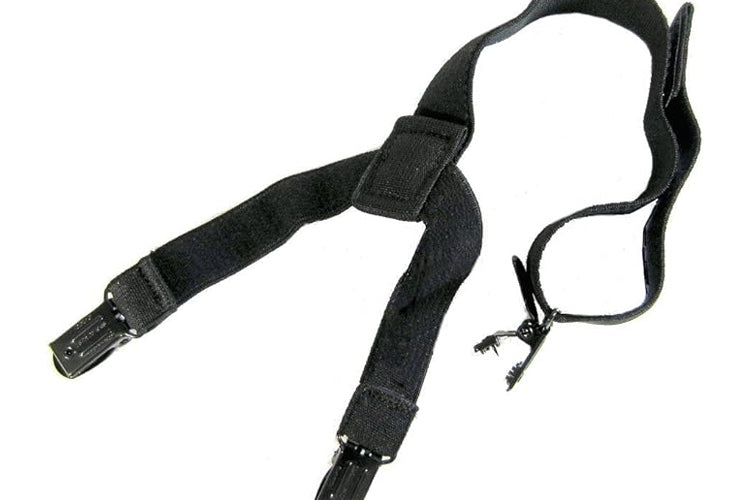
The clips are the part most likely to fail on any suspender pair under real load. A cheap clip relies on basic spring tension that can pop open the moment a loaded belt pulls harder than the clip's grip strength was rated for, usually at the worst possible moment. Heavy-duty work suspenders use jumbo no-slip clips built around a patented locking center pin that will not release under load the way a bargain clip will.
Understanding how a suspender clip actually locks onto fabric makes it obvious why the mechanism matters as much as the strap it is attached to. Trigger snap hooks, lobster hooks, and patented gripper clasps each trade off quick-release convenience against holding strength, so the right clip depends on the waistband thickness of your work pants and how much weight you are carrying.
Adjustability and Sizing
A good pair of heavy-duty work suspenders needs to adjust across a generous length range, since torso height, trouser rise, and how much you are carrying that day all change how the straps should sit. Most quality work suspenders run from a standard 42-inch configuration up to 48 inches, with extended models stretching to 54 inches for taller tradesmen. Adjusting suspenders correctly means each strap gets set independently, since uneven shoulders or a lopsided tool belt often call for one strap to sit slightly shorter than the other.
Weight Distribution Design
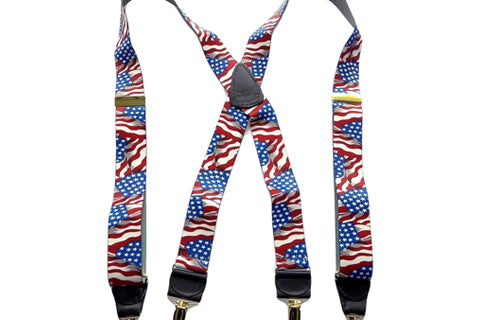
How the straps configure at the back is what actually decides how the load lands on your body. X-back suspenders cross between the shoulder blades, spreading a loaded tool belt diagonally across both shoulders and the upper back at once rather than pulling straight down on a single point.
That crossing pattern is why X-back is the standard configuration for anyone carrying real weight, and it is also why the straps stay put during bending and overhead reaching, a spot where Y-back designs tend to slide right off the shoulder. The full breakdown of X-back versus Y-back suspenders covers which configuration fits which kind of work.
The Best Heavy-Duty Work Suspenders: HoldUp Tradesman Series
The HoldUp Tradesman Series is where these features come together in a lineup built around real trades rather than a single generic pattern. Below are the options built for tradesmen who need dependable support through the most demanding workday conditions. Every Tradesman Series suspender uses 2-inch wide straps, jumbo no-slip clips, and durable cotton-poly blend materials made in the USA for long-term trade use.

1. HoldUp Tradesman Series: Carpenter Pattern X-Back Suspenders
These are built for carpenters and handymen who need a dependable way to keep their pants and tool belt in place across a full day of active site work. The Carpenter Pattern Tradesman suspenders use 2-inch wide cotton-poly blend straps that are hand washable, so they hold up to sawdust and site grime without becoming a chore to clean.
Carpenter Pattern Key Specifications
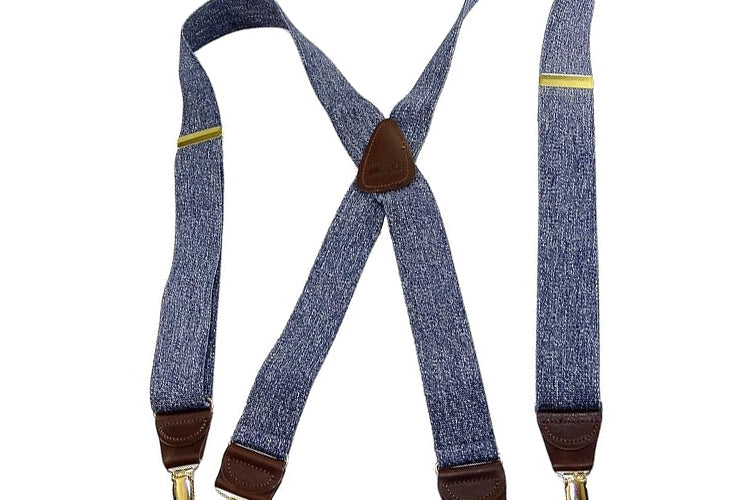
- X-back design with a top-grade brown genuine leather crosspatch for a reinforced back junction
- Jumbo no-slip clips with a patented locking center pin that will not slip or slide off work pants
- Engineered specifically for carrying the extra weight of tool belts and work accessories
- Made in the USA from hand-washable cotton-poly blend webbing
2. HoldUp Tradesman Series: Painter Pattern X-Back Suspenders
Painters carry brushes, rollers, scrapers, and tape rolls through a long shift that includes plenty of overhead reaching and ladder work, and this pattern is built for exactly that. The 2-inch wide straps and patented silver-tone jumbo no-slip clips keep work pants in place through the reaching and climbing that the trade demands.
Painter Pattern Key Specifications
- Adjustable to fit men up to 6 feet tall with room for broader torso proportions
- Sized with the extra weight of tool belt holders and equipment in mind
- Heavy-duty poly-blend straps engineered to hold their elasticity under sustained load
- Painter's pattern designed to complement standard workwear
The Painter Pattern Tradesman suspenders add a bit of personality to a standard workwear kit.
3. HoldUp Tradesman Series: Yardstick Pattern X-Back Suspenders
The yardstick pattern gives these suspenders a distinctive look without sacrificing durability. With 2-inch wide straps and jumbo no-slip clips, they are built to take the daily wear of a loaded tool belt, phone holster, tape roll, and whatever else ends up clipped to a working tradesman's belt.
Yardstick Pattern Key Specifications
- Wider 2-inch strap for added comfort under extended shoulder loading
- Adjustable up to 48 inches, fitting most body types across different torso heights
- High-quality cotton-poly blend materials built for daily worksite conditions
- Distinctive yardstick pattern for a recognizable look on the job site
The Yardstick Pattern suspenders hold up their end of the job while you measure up to yours.
4. HoldUp Tradesman Series: Mechanic Pattern X-Back Suspenders
Mechanics spend long hours on their feet or working underneath a vehicle, carrying heavy tools through the whole shift, and this pattern is built around that reality. The design gives shop floor work a practical, durable option suited to the demands of a garage environment.
Mechanic Pattern Key Specifications
- Jumbo no-slip clips with a patented center pin design for secure, slip-resistant attachment
- Adjustable length to fit most body types across a broad range of heights and builds
- 2-inch wide straps made from durable poly-blend material with reinforced stitching
- Built specifically for carrying heavy tools, parts, and equipment through a full shift
The Mechanic Pattern suspenders are built to withstand what a workshop throws at them.
5. HoldUp Tradesman Series: Plumber Pattern X-Back Suspenders
Plumbing work means crawling under sinks, into crawl spaces, and around fittings all day, often while carrying wrenches, pipe cutters, and fitting kits that a standard belt cannot hold steady in an awkward crouch. The Plumber Pattern is built for that kind of movement, keeping pants and belt in place whether you are on your knees under a cabinet or standing at a fixture.
Plumber Pattern Key Specifications
- X-back configuration that stays put through crouching, crawling, and repeated bending
- Jumbo no-slip clips rated for the extra weight of pipe wrenches and fitting kits
- 2-inch wide cotton-poly blend straps built for daily use in tight, awkward spaces
- Plumber's pattern designed to hold up to grease, water, and job site grime
The Plumber Pattern Tradesman suspenders round out the lineup for a trade that puts suspenders through movement most other jobs never require.
Weight Capacity and Load Distribution

Knowing how much load heavy-duty work suspenders can actually carry helps you match the right pair to what you're hauling around the site every day. Heavy-duty suspenders can support up to 35 kilograms without stretching, which covers the combined weight of most fully loaded tool belts, holsters, pouches, and accessories carried by an active tradesman.
How X-Back Distributes Load vs. Y-Back
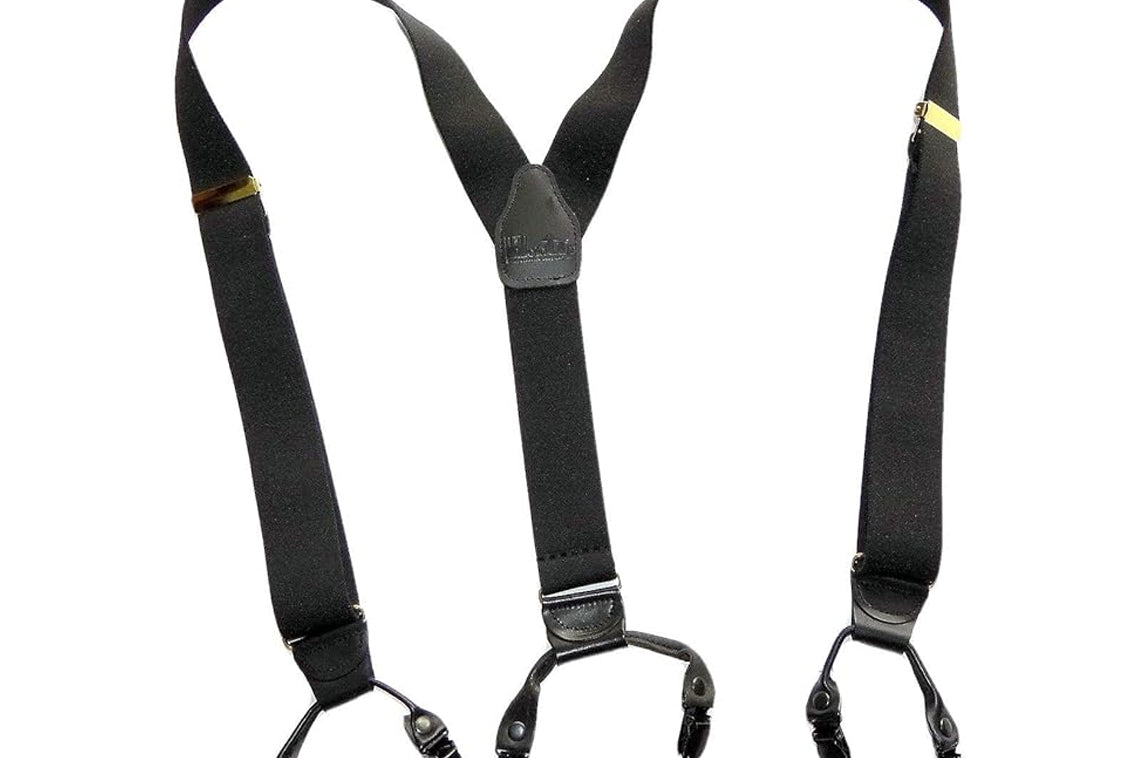
The X-back configuration spreads load diagonally across both shoulders and the upper back at the same time. That is the configuration to look for if you are carrying a heavy tool belt, since it avoids the single-point shoulder loading that causes fatigue over a long shift. The crossing design also keeps the straps from sliding off during bending and overhead work, a persistent issue with Y-back styles once real weight is added.
For tradesmen carrying particularly heavy loads, pairing heavy-duty suspenders with a properly fitted tool belt that has its own support structure creates a combined harness effect and spreads weight across the widest possible area of the upper body. That reduced strain also tends to improve posture over the course of a shift, and heavy-duty suspenders are estimated to extend workwear lifespan by roughly 18.3% by taking the sagging load off the waistband and belt loop fabric of work pants over time.
Maintenance and Care

Proper maintenance is what separates a pair of suspenders that lasts three years from one that lasts ten, and it keeps the clips and hardware working the way they should.
The cotton-poly blend straps on HoldUp Tradesman Series suspenders are hand washable. Use cool water and a mild detergent, work out grease or construction debris by hand, rinse thoroughly, and lay flat to air dry. Never put them in a machine dryer: sustained heat breaks down the polyester fibers and cuts into their elasticity over time.
Our full walkthrough on washing and drying suspenders covers the process step by step. After washing, check the clip springs and sliding adjusters for rust, corrosion, or reduced tension, and work the clips open and closed a few times to confirm the spring mechanism is clean before putting them back into service.
Check the reinforced stitching at the clip attachment points and the back crosspiece on a regular basis. These are the highest-stress spots on a loaded suspender pair, and catching early fraying is a lot easier than dealing with a full detachment mid-shift. If you're wondering why a strap that felt snug last year has started to sag, our guide to maintaining suspender elasticity covers the usual causes.
Store suspenders hanging rather than folded when not in use, since folding creates permanent crease points in the webbing that weaken the fabric over time. If you're weighing options outside the Tradesman Series, our guide to the best suspenders for work covers styles and clip configurations across the full range.
Frequently Asked Questions
Below are the questions tradesmen and workwear buyers ask most often about heavy-duty work suspenders, answered directly.
What makes HoldUp Tradesman Series suspenders different from regular suspenders?
The Tradesman Series is built specifically to carry the weight of a loaded tool belt and work accessories. Each pair uses 2-inch wide straps with reinforced webbing, jumbo no-slip clips with a patented locking center pin, and durable cotton-poly blend materials engineered for real worksite conditions. They can support up to 35 kilograms without stretching, a load rating that standard consumer suspenders do not come close to matching.
How do I know which suspenders are right for my trade?
Match the suspenders to the weight and type of gear you carry. Carpenters and handymen running heavy tool belts get the strongest shoulder attachment from the Carpenter Pattern X-back with its leather crosspatch. Painters who need freedom of movement for overhead reaching do best with the Painter Pattern. Mechanics on long shifts benefit from the Mechanic Pattern's durable poly-blend build, and plumbers who spend the day crouching and crawling should look at the Plumber Pattern's X-back configuration. Every Tradesman Series model shares the same 2-inch wide straps and jumbo no-slip clips, so the pattern and trade-specific details are what set them apart.
Can these suspenders be adjusted to fit larger body types?
Yes. HoldUp Tradesman Series suspenders adjust to fit men up to 6 feet tall, and some patterns extend further for larger body types. The Yardstick Pattern adjusts up to 48 inches, which covers most standard to large builds. For taller tradesmen, sizing up to a 54-inch extended model is the safer bet, since every adjustment works by shortening rather than extending, which leaves more room to fine-tune the fit.
Are work suspenders machine washable?
The straps on Tradesman Series suspenders are made from a hand-washable cotton-poly blend. Hand wash in cool water with a mild detergent, rinse thoroughly, and lay flat to air dry. Skip the washing machine and the dryer: machine agitation stresses the attachment points, and dryer heat breaks down the polyester fibers and reduces elasticity over time. After washing, test the clip mechanisms by opening and closing them a few times to confirm the spring is functioning cleanly before returning them to regular use.
How much weight can heavy-duty work suspenders support?
Heavy-duty work suspenders with 2-inch wide straps and reinforced clip attachments can support up to 35 kilograms without stretching. That covers the combined load of most fully loaded trade tool belts, including multiple pouches, holsters, and heavy tools. The X-back configuration spreads that load across both shoulders diagonally, reducing peak shoulder pressure compared to Y-back designs that concentrate the load at a single central attachment point.
Do heavy-duty work suspenders reduce back pain?
Yes, for most users. About 62.7% of users report less lower back pain wearing work suspenders compared to a belt. By moving the weight of the tool belt and work pants off the waist and onto the shoulders, suspenders cut down on the compensatory muscular strain that causes lower back fatigue during physical work. Our deeper look at whether suspenders help or worsen back pain covers the mechanics in more detail, and that ergonomic advantage tends to compound across a long shift, with most men who switch from belts to heavy-duty suspenders reporting noticeably less end-of-day back and hip fatigue.
Can heavy-duty suspenders be worn with any work pants?
Yes. The jumbo no-slip clips on HoldUp Tradesman Series suspenders attach to the waistband of virtually any work pants, including heavy denim jeans, cargo pants, duck canvas trousers, and standard cotton work pants. The clips handle waistbands up to 1.5 inches thick and grip the fabric securely without damaging it. On pants with belt loops, the clips attach to the inside edge of the waistband rather than threading through the loops, which gives a more stable connection than a loop-threaded setup.
What materials are heavy-duty work suspenders made from?
HoldUp Tradesman Series suspenders use a hand-washable cotton-poly blend webbing for the strap body, which combines the comfort of cotton with the durability and elasticity retention of polyester. The back junction, or crosspatch, on some models is top-grade brown genuine leather, added for durability and a classic workwear look. Hardware includes silver-tone or natural metal jumbo clips built around a patented locking center pin, and every reinforced stitching point uses heavy-gauge thread rated for sustained load at the highest-stress attachment areas.
How do heavy-duty work suspenders improve productivity?
They cut out the constant micro-adjustments that sagging pants and a shifting tool belt require throughout the day. When your pants sit at the right height and your tool belt stays stable, you spend less time managing your clothing and more time on the actual task. Heavy-duty suspenders also extend workwear lifespan by roughly 18.3% by taking the stress off waistband fabric and belt loops caused by a heavy tool belt pulling and sagging over time.
Where can I find the full range of heavy-duty work suspenders?
The complete lineup, including every Tradesman Series pattern, X-back configurations, and other outdoor and industrial work options, is broken down in our full guide to the best heavy-duty suspenders. Each product listing includes sizing information and specifications so you can match the right pair to your trade before you buy.