

Improving posture in heavy industrial gear comes down to distributing weight evenly across the body, choosing gear that supports rather than compresses the spine, taking deliberate movement breaks, and using accessories like wide-strap work suspenders that hold trousers and tools in place without adding pressure to the lower back or hips.
Industrial workers carry one of the highest physical loads of any profession. Between heavy boots, tool belts, protective vests, gloves, and layers of clothing designed for safety rather than comfort, the body is under consistent mechanical stress throughout the shift. Poor posture in this context is not just a comfort problem; it accumulates into chronic back pain, hip strain, shoulder fatigue, and long-term musculoskeletal issues that affect quality of life well beyond the worksite. The good news is that most of these problems are preventable with the right gear choices and a few consistent habits.
Understand How Heavy Gear Affects Your Posture
Before making any changes, it helps to understand exactly what heavy industrial gear does to the body's alignment. Most posture problems in this environment start the same way: weight concentrated in the wrong places for too long.
A tool belt loaded with equipment adds significant weight directly to the waistline. Over hours of wear, that weight pulls the pelvis forward and downward, which tips the lower spine into an exaggerated curve. The upper back rounds in response, the shoulders come forward, and the neck tilts to compensate. By the end of a long shift, this chain of compensations has put stress on every major joint from the hips to the base of the skull.
Protective vests and hard hats add compressive weight from the top down, which reinforces the forward lean most workers develop over time. Heavy boots change the gait pattern, which affects how force travels up through the knees, hips, and spine with every step. Understanding this load chain is the starting point for knowing where to intervene.
Replace or Supplement Tool Belts With Wide Work Suspenders
One of the most effective single changes a worker can make is shifting weight from the waistline to the shoulders through the use of properly fitted work suspenders. A tool belt that sits entirely at the hip concentrates load at the very point where spinal alignment is most vulnerable. Suspenders redistribute that load upward, taking pressure off the lower back and pelvis and spreading it across the broader muscle groups of the shoulders and upper back.
The width of the suspender strap directly affects how comfortably that load is carried. Wider straps distribute pressure across a larger surface area of the shoulder, which reduces the digging and fatigue that narrower straps cause over a long shift. The 2-inch wide heavy duty work suspenders are built specifically for this load distribution challenge, with jumbo no-slip clips that hold position through active movement.

For workers who carry particularly heavy tools or work through extended shifts, the specific benefits of 2-inch wide straps for heavy duty work cover why strap width is one of the most important specifications to get right in an industrial environment. Narrower straps focus the same weight into a smaller contact area, which accelerates shoulder fatigue and encourages the forward lean that undermines posture.
Choose Industrial-Grade Suspenders Designed for the Job
Not all suspenders are built for physical work, and using the wrong type in an industrial setting creates its own set of problems. Fashion suspenders and formal dress suspenders are made for a stationary, light-wear context. They will shift, stretch, lose tension, and fail to hold position under the kind of movement and load industrial work demands.
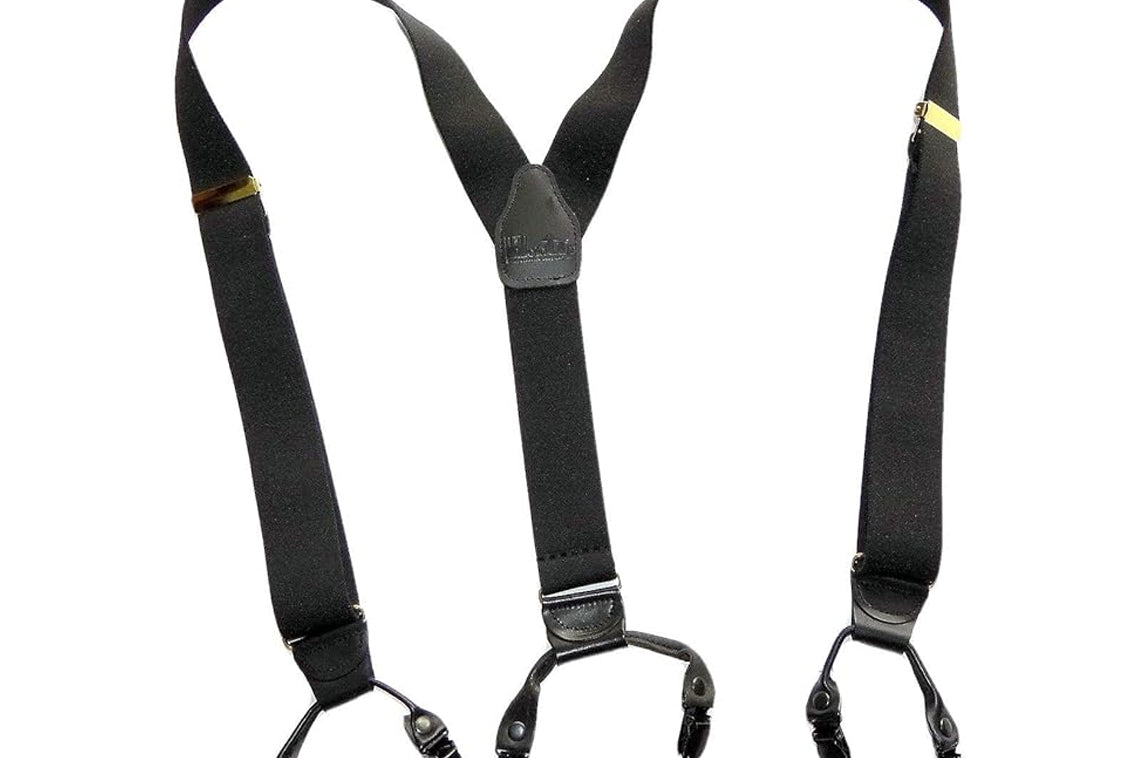
The industrial series heavy duty suspenders are built to a different standard. The clasps are designed to grip without slipping under load, the elastic maintains its tension across a full shift, and the attachment hardware is rated for the kind of constant movement that construction, logging, and industrial maintenance require.
For workers in environments that are physically demanding across the full body, the heavy duty work suspenders guide explains what separates a purpose-built work suspender from a general-use one and why those differences matter when postural support is the priority.
When comparing suspenders to tool belts for load management, the detailed breakdown of work suspenders versus tool belts is worth reading before making any gear changes, particularly for workers who currently rely heavily on belt-mounted equipment.
Address Lower Back and Hip Pain Before It Becomes Chronic
Lower back and hip discomfort are among the most common complaints in heavy industrial work, and they are almost always connected to how weight is carried and where pressure accumulates over a shift. Ignoring early warning signs allows minor strain to develop into chronic injury.
Suspenders play a specific role in relieving this pressure by removing the compressive load that a tight tool belt or heavy waistband places on the lumbar region and hip flexors. The research and anecdotal evidence on whether suspenders help with sciatica or hip pain is directly relevant here, because the mechanism is the same: removing circumferential waist pressure reduces the compression that aggravates these conditions during prolonged standing or bending.
For workers with existing sensitivities in the abdominal region, the benefits of suspenders for sensitive abdomen support covers how shifting the load away from the waist reduces not just back strain but also the digestive and circulatory pressure that tight belts and waistbands create over long shifts.
Get the Fit Right Before the Shift Starts
Even the best industrial suspenders will fail to support posture correctly if they are adjusted improperly. The fit is not just about comfort; it is functional. Straps that are too tight pull the trousers upward, tilt the pelvis, and create tension through the lower back. Straps that are too loose allow the trousers and any attached gear to sag, which shifts weight back to the waistline and defeats the purpose of wearing suspenders at all.
Here is what a correctly fitted work suspender setup looks like in practice:
- Straps lie flat across the shoulders without twisting, digging, or bunching against the collar
- Front adjustment sliders sit at mid-torso, not riding up toward the chest or sinking toward the belt line
- Trousers sit at the natural waistline without being pulled upward or sagging downward
- No visible tension distorts the fabric of the shirt or work trousers at either the attachment point or the shoulder
If straps consistently dig into the shoulders during active work, the solution is usually a combination of wider straps and better positioning of the adjustment hardware. The detailed guide on how to stop suspenders from digging into shoulders covers both the fitting adjustments and the hardware choices that resolve this specific problem.
The placement of the hooks and clasps also affects how load is carried through the body. Incorrect hook placement changes the angle at which the strap pulls on the shoulder, which can create asymmetric tension and contribute to the very postural problems suspenders are meant to solve. The guidance on adjusting hook placement for comfort on suspenders is a practical starting point for anyone experiencing uneven pressure or shift during active movement.
Use Side-Clip and Hip-Clip Styles for Active Movement
Standard X-back suspenders work well for most industrial contexts, but workers who spend long hours in vehicles, on equipment, or in confined spaces often find that a side-clip or hip-clip configuration suits their range of motion better. These styles attach at the sides of the trousers rather than the back, which eliminates the pressure point that a back-crossing strap creates when sitting against a hard seat or moving through tight spaces.
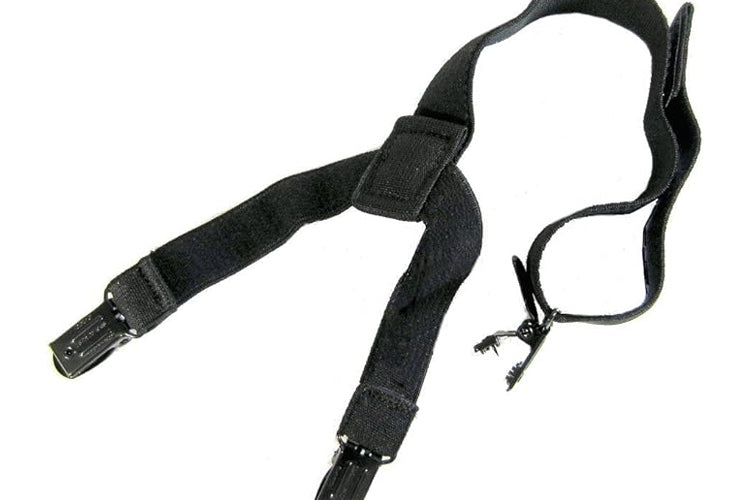
The hip clip series side clip trucker style suspenders were designed with exactly this use case in mind. For workers who spend significant time seated in vehicle cabs or operating heavy machinery, a side-clip configuration removes the discomfort and pressure that a traditional X-back creates against the seat back.

The specific advantages of this configuration for seated workers are covered in detail in the guide on why trucker style suspenders are better for lumbar support seats, which explains how the attachment geometry of a side-clip design supports the lower back differently than a rear-crossing strap during prolonged seated work.
For workers who alternate between driving and active physical labor throughout the shift, the guide on side clip suspenders for comfort on long trips translates directly to the industrial context, where the same sitting and standing cycle creates the same postural challenges.
Build Postural Habits Into the Shift Routine
Gear alone cannot correct posture if the habits around it remain unchanged. The best industrial suspenders in the world will not undo the effect of standing in a forward lean for eight hours without deliberate intervention. Postural correction has to be built into the daily work routine as a consistent practice rather than an occasional reminder.
A few practical habits make a significant difference over time:
- Neutral spine check every hour: At the start of each new task or break, take five seconds to reset the spine. Roll the shoulders back and down, engage the core lightly, and bring the head directly over the shoulders rather than forward of them.
- Lift from the hips, not the lower back: This is the single most repeated postural rule in industrial settings for good reason. Bending at the hips with a straight back transfers the load to the legs, which are built for it. Rounding the lower back under load transfers it to the discs, which are not.
- Alternate between standing and movement: Static standing is nearly as damaging as prolonged sitting. Shifting weight, taking short walks, and varying position every 20 to 30 minutes prevents the muscle fatigue that causes postural collapse.
- Keep heavy loads close to the body: The further a load is held from the center of mass, the more torque it creates on the spine. Keeping loads close during lifting and carrying dramatically reduces the strain on the lower back.
- Stretch the hip flexors and chest during breaks: These are the two muscle groups most shortened by industrial work postures. Short stretches during breaks prevent the tightening that pulls the body out of alignment over the course of a shift.
Consider Padded Suspenders for Extended Shifts
For workers who wear suspenders through shifts lasting eight hours or more, padding at the shoulder contact point makes a meaningful difference in how much fatigue accumulates over the day. Standard elastic straps compress the trapezius muscles progressively over long wear, which contributes to upper back tension and the forward shoulder posture that follows from it.
Padded shoulder straps distribute the contact pressure more evenly and reduce the point loading that causes the trapezius to fatigue and tighten. The honest assessment of whether padded suspenders are comfortable for long shifts covers the real-world difference padding makes and the specific contexts where it justifies the additional cost over standard straps.
Why Suspenders Beat Belts for Postural Support at Work
The comparison between suspenders and belts for industrial use consistently comes down to the same factors: where weight is carried, what happens to the spine under that weight, and how the body compensates over the course of a long shift. Belts concentrate load at the waist and require tightening to hold position, which creates circumferential compression around the lumbar region and hips. Suspenders carry the same load from the shoulders and require no compression at the waist to function.
For construction workers and tradespeople specifically, the reasons why a construction worker needs quality work suspenders are rooted in exactly this physical reality. The shift from belt to suspender is not just a preference change; it is a structural change in how load is managed across the body throughout the working day.
The broader case for why suspenders are better than belts covers the practical comparison across both comfort and function, including the specific ways that waistband compression affects circulation, digestion, and spinal alignment during extended physical work.
Frequently Asked Questions
Do suspenders actually improve posture at work
Yes, when fitted correctly and worn consistently, suspenders contribute to better posture by removing the compressive downward load that a tool belt or heavy waistband places on the lumbar spine and hips. By carrying trouser and gear weight from the shoulders rather than the waist, they reduce the anterior pelvic tilt that is the root cause of most lower back complaints in industrial workers. They do not replace active postural habits, but they remove one of the main mechanical obstacles to maintaining good alignment through a long shift.
What width of suspender is best for heavy industrial work
Two-inch wide straps are the best choice for heavy industrial work. The wider contact area spreads the load across a larger portion of the shoulder, which reduces the pressure per square inch and delays the onset of shoulder fatigue. For workers carrying lighter loads or working in environments where bulk is a concern, 1.5-inch straps are the next best option. Anything narrower than 1.5 inches is better suited to office or casual wear than active industrial use.
How often should suspender adjustment be checked during a shift
The adjustment should be checked at the start of each shift and after any significant physical task that might have shifted the strap tension. Workers who alternate between carrying loads and driving or operating equipment will often find that the fit needs a small tweak after transitioning between activities. A quick check at the mid-shift break is a good habit that takes under a minute and prevents the gradual loosening that causes postural drift over the second half of a long day.
Can suspenders help workers who already have back pain
Yes, and the relief can be significant for workers whose back pain is connected to the compressive weight of a tool belt or heavy waistband. Removing that circumferential pressure from the lumbar region and hips addresses one of the most common mechanical contributors to work-related back pain. Workers with existing conditions like sciatica or hip flexor strain will often notice a difference within the first shift of switching from a belt to properly fitted suspenders. Anyone with a diagnosed condition should also speak with an occupational health professional about a full ergonomic assessment of their workstation and movement patterns.
Are there suspenders made specifically for industrial environments
Yes. General-use and fashion suspenders are not built for the demands of industrial work. Purpose-built industrial suspenders use higher-grade elastic with greater tension retention, heavier-duty metal clasps rated for active movement and load, and reinforced attachment points that hold position without slipping during bending, lifting, or extended physical effort. Choosing a suspender designed for the industrial context rather than adapting a casual or formal pair makes a practical difference in both performance and longevity across a full working season.
The Bottom Line on Posture and Industrial Gear
Posture in a heavy industrial environment is a combination of the right gear, the right fit, and the right habits applied consistently over every shift. No single change solves the problem entirely, but switching from a waist-carried load to a shoulder-carried one through properly fitted wide-strap work suspenders removes one of the most significant mechanical contributors to industrial postural breakdown. Pair that gear change with deliberate alignment habits, regular stretching, and awareness of how load accumulates through the body over a long day, and the cumulative benefit over a working career is substantial.