
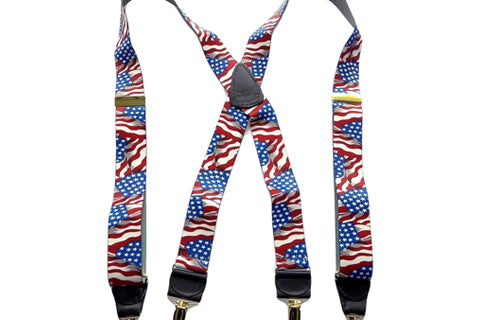

Getting the hook placement right on your suspenders can mean the difference between a comfortable, secure fit and a day spent constantly readjusting. Whether you're wearing button-on hooks or clip-style suspenders, understanding proper hook positioning ensures your suspenders work with your body rather than against it. Getting your proper suspender placement right is the foundation of a comfortable suspender fit.
What Is Proper Suspender Placement?
Proper suspender placement means positioning the front and back attachment points so the straps run in clean vertical lines from your waistband, over your shoulders, and down your back, with even tension on both sides. When suspenders sit correctly, they hold your pants at your natural waist without digging into your shoulders or pulling to one side.
As a quick starting point for where suspenders should sit: the straps should cross the meatier part of each shoulder, roughly halfway between your neck and the edge of your shoulder. The front attachment points sit about 4-5 inches apart on either side of your fly, and the back point (or points) sit centered on or beside your spine. Get those anchor positions right and the rest of the fit, comfort, and support tends to fall into place. The sections below break down each part of that placement in detail.
Why Does Hook Placement Matter for Comfort?
The positioning of suspender hooks directly affects how weight distributes across your shoulders and how secure your pants stay throughout the day. When hooks are placed incorrectly, you'll experience several discomfort issues that can ruin an otherwise polished look.
Improper hook placement creates uneven tension across your suspenders, which means one side pulls more than the other. This leads to pants that twist, ride up on one hip, or constantly slip down. You'll find yourself tugging and adjusting every time you sit, stand, or move, which defeats the entire purpose of wearing suspenders.

-
Shoulder pressure points: Hooks positioned too far forward or back create concentrated pressure on specific shoulder areas, leading to discomfort during extended wear
-
Waistband strain: Incorrectly placed hooks can pull your waistband unevenly, causing fabric bunching and an unflattering silhouette
-
Movement restriction: Poor hook positioning limits your natural range of motion, making it uncomfortable to reach, bend, or sit
-
Constant slipping: When hooks aren't positioned to match your body's natural lines, suspenders gradually slide out of place throughout the day
How Should Front Hooks Be Positioned for Maximum Comfort?
The front hooks on your suspenders require precise positioning to ensure balanced weight distribution and all-day comfort. The ideal placement works with your body's natural structure rather than fighting against it.
Your front hooks should sit approximately 4-5 inches apart on either side of your fly, aligning with the natural crease where your leg meets your torso. This positioning creates a V-shape that mirrors your body's natural lines and distributes tension evenly across your chest and shoulders. Proper button placement on pants follows similar principles whether you're attaching permanent buttons or using clips.
When wearing suspenders with a suit, maintaining consistent front hook placement becomes even more critical because any pulling or bunching shows through your jacket. The cleaner your suspender attachment, the smoother your overall appearance.
Where Should Back Hooks Attach for Optimal Support?
Back hook placement depends entirely on whether you're wearing Y-back or X-back suspenders, as each style distributes weight differently across your shoulders and back. Getting this positioning right prevents the back discomfort that many first-time suspender wearers experience.

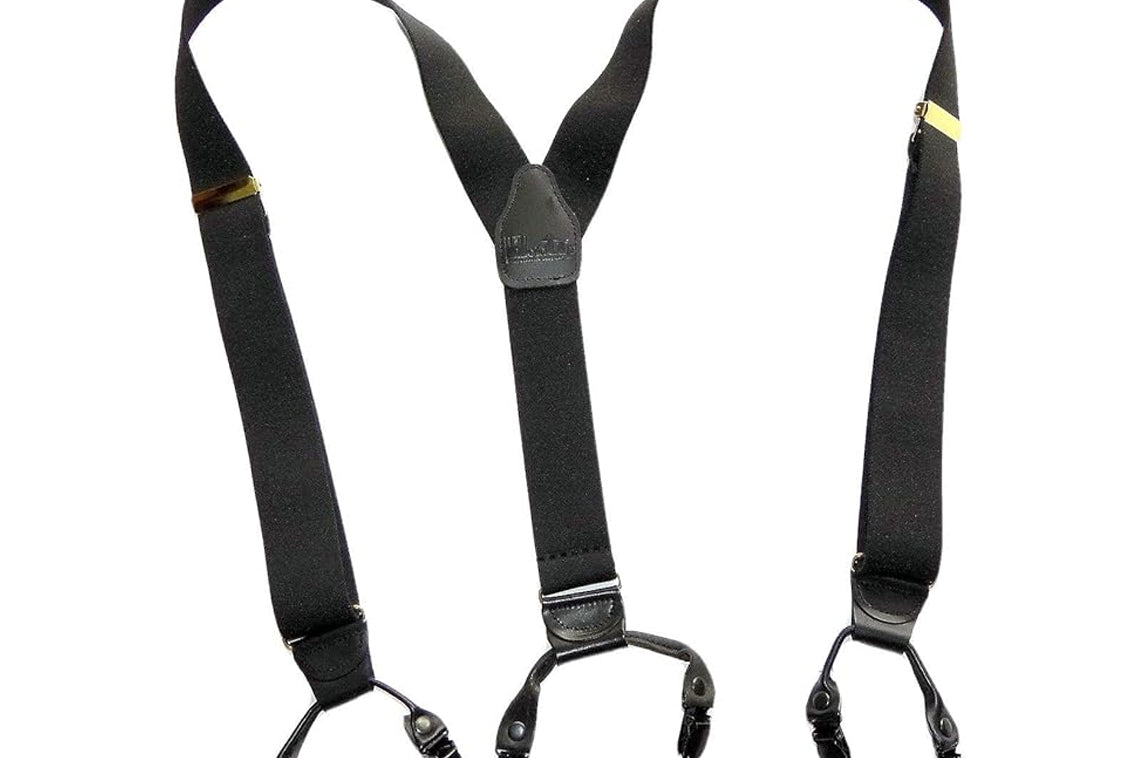
For Y-back suspenders, the single back attachment point should sit centered on your spine, typically 4-6 inches below your collar. This creates a stable anchor point that allows the Y-junction to rest comfortably between your shoulder blades without digging in. The centered position ensures equal pull on both straps, preventing the lopsided feeling that occurs when the back hook shifts too far to either side.
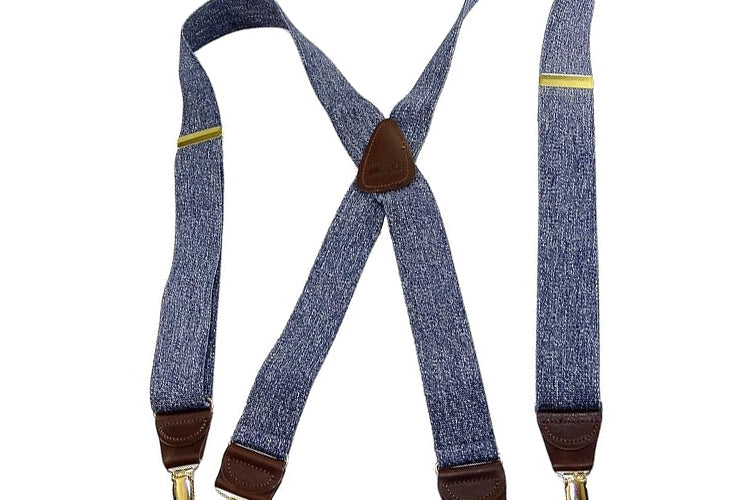
For X-back suspenders, you need two back attachment points positioned symmetrically on either side of your spine. These hooks should sit approximately 3-4 inches from your center back, creating a natural cross pattern that distributes weight across both shoulders. Understanding the differences between Y-back and X-back styles helps you choose the configuration that works best for your body type and comfort needs.
How Do You Adjust Hook Placement for Different Body Types?
Your body's unique proportions require personalized hook positioning for optimal comfort. What works for someone with a longer torso won't necessarily work for someone with broader shoulders or a fuller midsection.
If you have broader shoulders or a larger chest, you may need to position your front hooks slightly wider apart, perhaps 5-6 inches from center instead of the standard 4-5 inches. This prevents the suspender straps from cutting into your chest and ensures the fabric doesn't bunch uncomfortably under your arms. Those wearing suspenders with a fuller midsection benefit from lower front hook placement that creates a gentle, supportive lift without cutting into the stomach.
Longer or shorter torso lengths affect how far apart your front and back hooks need to be vertically. Someone with a longer torso might need to attach front hooks higher relative to their back hooks to prevent excessive strap length and sagging. Conversely, shorter torsos often require closer vertical positioning between front and back hooks to avoid over-tightening.
-
Athletic builds: Position hooks to account for well-defined shoulder and chest muscles, slightly wider front placement prevents straps from sliding off broader shoulder slopes
-
Petite frames: Closer hook positioning (3-4 inches from center) works better for narrower builds, preventing excess fabric bunching and maintaining a sleek profile
-
Height considerations: Taller individuals may need to adjust the overall strap length significantly, which affects the angle at which hooks pull, so ensure hooks still create natural vertical lines even with longer straps
What's the Best Technique for Adjusting Strap Length After Hook Placement?
Even with perfectly positioned hooks, your suspenders won't feel comfortable if the strap length isn't dialed in correctly. The adjustment process requires a methodical approach rather than random tightening and loosening.
Start by adjusting your suspenders while standing in a natural, relaxed position. Your suspenders should hold your pants comfortably at your natural waistline without pulling them up higher than they'd naturally sit. Over-tightening creates constant upward pressure that's not only uncomfortable but also looks awkward as it shortens the appearance of your torso.
-
The sit test: After adjusting strap length, sit down in a chair and lean forward slightly, your suspenders should maintain gentle tension without becoming uncomfortably tight or pulling your pants down
-
The reach test: Raise your arms above your head and reach to the side, properly adjusted suspenders won't dig into your shoulders or pull your pants uncomfortably during these movements
-
The comfort gap: Leave approximately one inch of give in your suspenders when standing, this small amount of slack allows for natural movement without constant pressure
-
Even distribution: Check that both straps show equal tension by measuring the distance from your shoulder to the adjustment hardware, asymmetrical strap lengths create unbalanced pull
When wearing suspenders with jeans or heavier fabrics, you may need slightly more tension than with lightweight dress pants. The weight of the fabric requires stronger support, but you still want to avoid over-tightening to the point of discomfort.
How Does Clip Position Differ from Button Hook Placement?
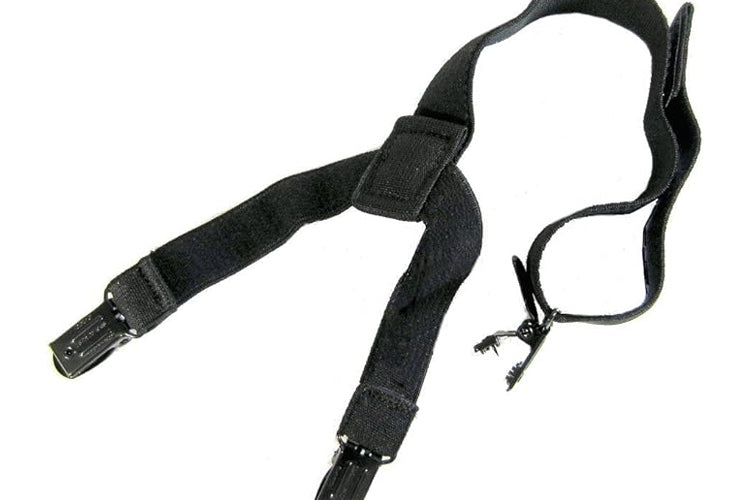
Clip-on suspenders offer more flexibility in positioning since you can reposition them easily, but this also means you need to be more deliberate about finding the optimal placement each time you wear them. Unlike button hooks that create permanent attachment points, clip positioning requires daily attention to ensure consistent comfort.
-
Fabric consideration: Clips work best on waistbands with some thickness, thin or worn fabric may not provide enough grip, requiring repositioning to find sturdier material
-
Clip orientation: Attach clips with their teeth facing your body (inside the waistband) to prevent visible hardware and ensure a smooth exterior appearance
-
Pressure distribution: Quality clips with wider gripping surfaces distribute pressure better than narrow clips, reducing the likelihood of fabric damage or premature wear
For wearing suspenders with pants that have belt loops, position your clips between the loops rather than directly on them. This prevents the bulk that occurs when clips compress both the loop and waistband fabric, creating a smoother, more comfortable fit.
Can Hook Placement Change Based on What You're Wearing?
When wearing suspenders with a tuxedo, precision matters more because any pulling, bunching, or adjustment shows through your fitted jacket. Button-on suspenders with hooks positioned at exact measurements create the clean lines formal wear demands. The hooks should sit where they create perfectly vertical lines from shoulder to waistband, with no twisting or angling that would be visible under your jacket.
For casual wear, you have more flexibility in hook placement because the relaxed fit of most casual pants accommodates slight variations. However, this doesn't mean positioning becomes unimportant, it simply means you can prioritize comfort over millimeter-perfect placement. Casual suspender outfits often use clip-on styles, which allow you to experiment with placement until you find what feels best.
What Are Common Suspender Placement Mistakes to Avoid?
Even experienced suspender wearers sometimes fall into patterns that compromise comfort, often without realizing why their suspenders don't feel quite right. Recognizing these common placement mistakes helps you troubleshoot discomfort quickly.

The most frequent error is placing front hooks too close together, creating a narrow V that pulls the waistband inward and causes uncomfortable bunching at your fly. This positioning also creates excessive pressure on the front of your shoulders because the straps angle too sharply. The resulting discomfort intensifies over time, making suspenders feel restrictive rather than supportive.
-
Asymmetrical placement: One front hook positioned differently from the other causes constant twisting and shifting, your pants will never hang straight, regardless of how much you adjust strap length
-
Hook-over-seam positioning: Attaching hooks directly over thick seams or pockets creates pressure points and uneven tension, always position hooks on smooth, single-layer fabric sections
-
Too-high back attachment: Placing back hooks too high on your waistband causes suspenders to pull upward rather than providing stable support, resulting in pants that ride up uncomfortably
-
Ignoring clothing movement: Static hook placement without considering how your clothes move during sitting, bending, or reaching leads to positioning that works when standing but fails during actual activity
Another mistake involves using suspender clips on fabric too thin to support them, causing the clips to slip or damage the material. If you notice your clips sliding throughout the day, the issue often isn't the clip quality but rather the fabric selection or positioning on a weak section of the waistband.
How Do You Test If Your Suspender Placement Is Correct?
The true test of proper suspender placement comes through real-world wear, not just standing in front of a mirror. You need to put your suspenders through the movements of daily life to verify the positioning works.
Start with the mirror check while standing naturally, your suspender straps should create clean, vertical lines from your shoulders to your waist without angling excessively forward or backward. The fabric on either side of each hook should lie flat without bunching or pulling. If you see ripples radiating from the hook points, that's a sign of incorrect positioning or over-tightening.
-
The sitting test: Sit in a chair and notice whether your suspenders maintain comfortable tension, if they suddenly become tight or loose, your hooks need repositioning to account for the change in torso length when seated
-
The bending test: Bend forward at the waist to pick something up, properly positioned hooks allow this movement without excessive pulling on your shoulders or loosening to the point your pants slip
-
The arm raise test: Lift both arms straight up and then out to the sides, your suspenders should move with you smoothly without digging into your shoulders or pulling your pants uncomfortably
-
The walking test: Take a brisk walk for several minutes, correct hook placement means your suspenders stay in position without shifting, sliding, or requiring adjustment
If you're working with different suspender back styles, you'll notice that each configuration responds differently to these tests. X-back styles typically provide more stability during movement, while Y-back suspenders offer a lighter feel that some find more comfortable for extended wear.
Should Suspender Placement Change for Under-Shirt Suspenders?
Under-shirt suspenders require slightly different positioning considerations because they sit next to your skin rather than over a shirt. The comfort factors shift when there's no fabric layer between your body and the suspender hardware.
Under-shirt suspenders work best when hooks position the straps to avoid direct contact with sensitive areas like collarbone edges or the prominent bone at the base of your neck. You'll want to position hooks slightly wider than you would for over-shirt suspenders, perhaps 5-6 inches from center instead of 4-5 inches, to ensure the straps rest on the meatier part of your shoulders rather than the bony ridges.
-
Skin sensitivity consideration: Under-shirt wear magnifies any pressure points, so take extra care to position hooks where suspenders won't rub during movement
-
Moisture management: Position hooks to allow airflow along your spine, avoid placing back hooks directly on your spine where they'd trap sweat and create discomfort
-
Discretion factor: For under-shirt suspenders worn beneath tucked dress shirts, hook placement affects how visible the suspender lines are through your shirt fabric
Frequently Asked Questions
What is proper suspender placement?
Proper suspender placement means setting the front and back attachment points so the straps run in straight vertical lines from your waistband, over the meatier part of each shoulder, and down your back with even tension on both sides. The front hooks sit about 4-5 inches apart on either side of your fly, and the back hook (or hooks) sit centered on or beside your spine. Correct placement holds your pants at your natural waist without digging into your shoulders or pulling to one side.
Where should suspenders sit for the most comfortable fit?
Suspenders should sit so the straps cross the fullest part of each shoulder, roughly halfway between your neck and the outer edge of your shoulder, never on the bony ridge near your neck. From the front and side, the straps should look nearly vertical with no sharp inward or outward angle. If the straps slide toward your neck or off your shoulder, the front hooks are usually too close together or too far apart and need repositioning.
How tight should suspenders be?
Suspenders should be snug enough to hold your pants at your natural waist without pulling them higher than they would normally sit. A good rule is to leave about one inch of give when you are standing relaxed, so the straps keep gentle tension without digging into your shoulders. If your suspenders feel tight the moment you sit down, loosen them slightly, since sitting shortens your torso and increases the pull. They should never force your pants upward or restrict your movement.
How do I keep my suspenders from slipping off my shoulders?
Suspenders usually slip off the shoulders when the front attachment points are too close together or too far apart, which makes the straps angle toward your neck or off the outer edge of your shoulder. Position the front hooks about 4-5 inches apart on either side of your fly so the straps cross the fullest part of each shoulder in a near vertical line. If they still slide, check that both sides are set to the same length, since uneven tension pulls the straps out of place. X-back styles also tend to stay put better than Y-back styles during movement.
How far apart should suspender hooks be positioned on the front of pants?
Front suspender hooks should sit approximately 4-5 inches apart on either side of your fly for most body types. This spacing creates balanced tension and natural vertical lines from shoulders to waist. Broader individuals may need 5-6 inches of spacing, while those with narrower builds might find 3-4 inches more comfortable. The key is ensuring symmetrical placement that doesn't pull your waistband inward or create bunching at the center front.
Can I adjust hook placement after buttons are sewn onto dress pants?
Yes, you can reposition buttons if the original placement causes discomfort, though it requires removing the existing buttons and sewing new ones in corrected positions. The old button holes will remain visible, so consider whether the comfort improvement justifies the cosmetic impact. For pants you plan to wear long-term, proper repositioning is worthwhile. Alternatively, you can switch to clip-on suspenders that offer positioning flexibility without permanent alterations.
Why do my suspenders feel comfortable standing but tight when sitting?
This happens because sitting shortens your torso length, which increases tension on suspenders if they're adjusted too tightly for standing. The solution is to adjust strap length while seated rather than standing, your suspenders should feel slightly loose when standing but comfortable when sitting. Additionally, ensure your back hooks aren't positioned too high, as this exacerbates the pulling sensation when you sit and your waistband naturally drops slightly.
Do X-back and Y-back suspenders require different hook placement strategies?
Yes, X-back suspenders require two symmetrical back attachment points positioned 3-4 inches on either side of your spine, while Y-back suspenders need a single centered attachment point 4-6 inches below your collar. The front hook placement remains similar for both styles (4-5 inches from center fly), but the back configuration affects overall weight distribution. X-back designs generally provide more stability for heavier pants, while Y-back styles offer simpler adjustment with one less attachment point to position.
How do I know if my suspender hooks are positioned too far forward or too far back?
If front hooks are too far forward (too close to your hips), your suspenders will angle inward excessively and may slip off your shoulders during movement. If they're too far back (too close to your sides), the straps pull uncomfortably on your shoulder blades and create awkward fabric bunching under your arms. Proper positioning creates nearly vertical lines from shoulder to waist when viewed from the front and side, with minimal angling or twisting of the suspender straps.
Can hook placement affect how long my suspenders last?
Absolutely, incorrect hook placement creates uneven stress on specific points of the suspender straps and hardware, leading to premature wear and potential failure. When hooks position straps at sharp angles or create concentrated pressure points, those areas experience excessive friction and tension that degrades elastic fibers and weakens stitching. Proper hook placement distributes stress evenly across the entire suspender system, significantly extending the lifespan of both the straps and attachment hardware while maintaining consistent comfort and support throughout their use.
Should I adjust hook placement differently for wearing suspenders with casual versus formal attire?
The fundamental positioning principles remain the same, but formal wear requires more precision because fitted suit jackets and tuxedos reveal any pulling, bunching, or asymmetry. With formal suspenders worn with cummerbunds, exact vertical alignment becomes critical for a polished appearance. Casual wear offers more flexibility, you can prioritize comfort over millimeter-perfect placement since relaxed-fit clothing accommodates slight positioning variations.
What's the best way to mark permanent hook placement before sewing buttons?
Start by wearing your pants with clip-on suspenders for several hours, adjusting the clips until you find the most comfortable positions for both front and back attachment points. Once you've identified these spots through real-world wear, use chalk or a fabric marker to note the exact locations. Verify the placement by measuring distances from your fly and ensuring symmetry, front hooks should measure equally from the center line, and back hooks should be equidistant from your spine. Properly attaching suspender buttons at these tested positions ensures comfort from the first wear rather than discovering positioning issues after permanent installation.