
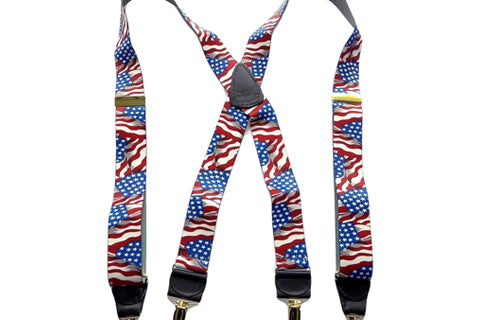
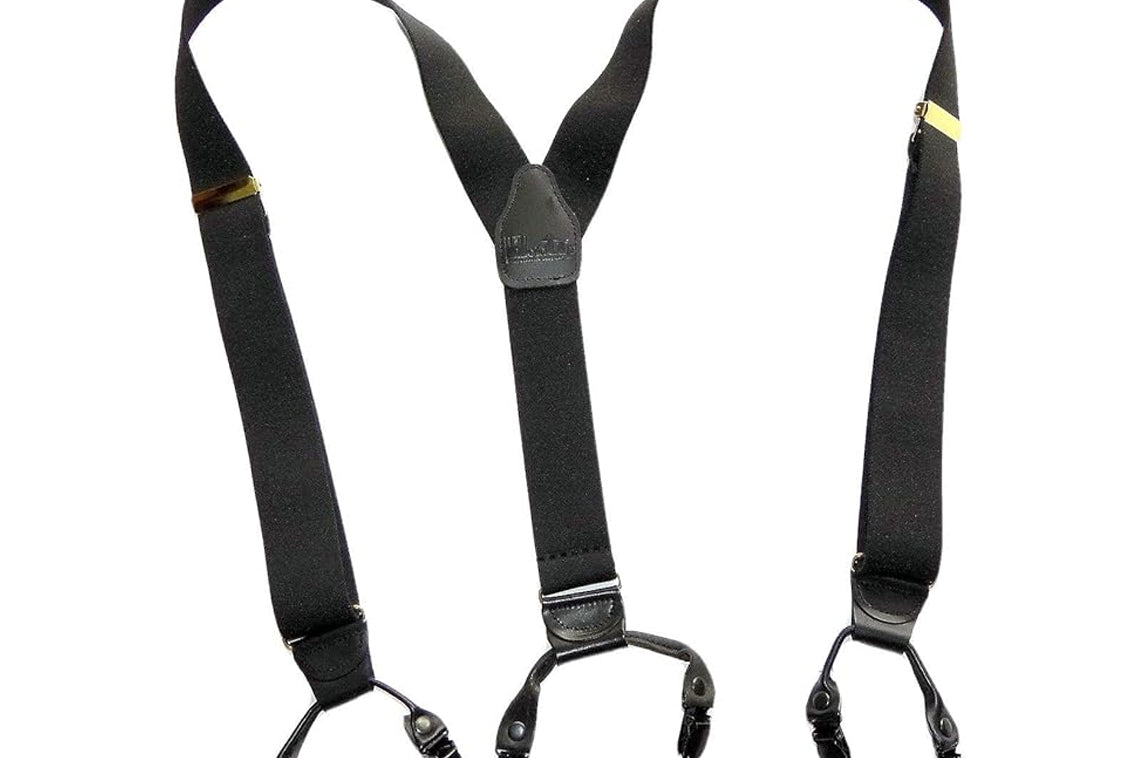
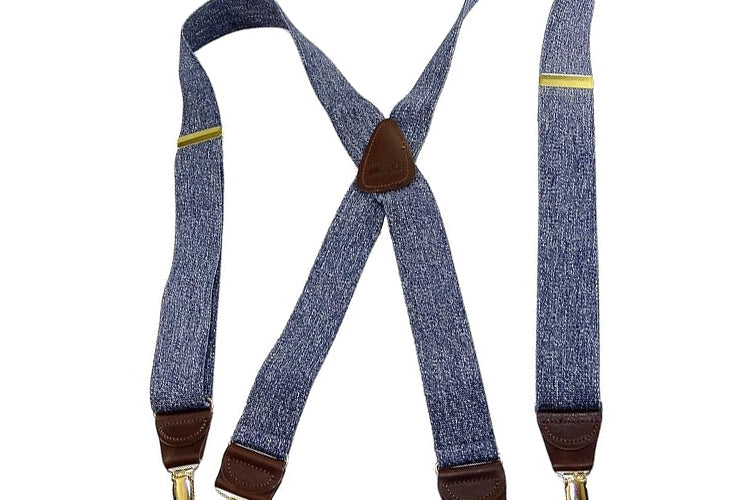
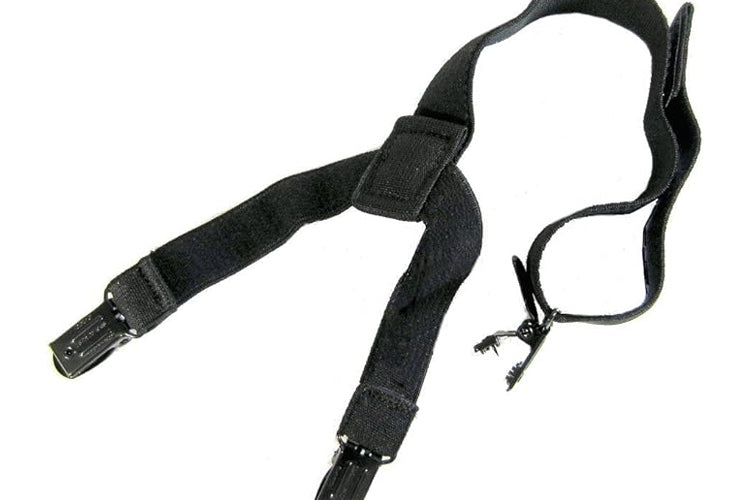

Hook-on suspenders represent the perfect marriage of vintage charm and modern functionality. Unlike clip-on styles that can damage fabric or button-on versions requiring special pants, hook suspenders use durable metal hooks that slide directly into existing belt loops,offering a secure hold without any permanent alterations to your trousers.
What Makes Hook-On Suspenders Different From Other Attachment Styles?
Hook-on suspenders use metal hooks (typically J-hooks or lobster claw hooks) that attach directly to belt loops or reinforced attachment points on pants. This attachment method offers several distinct advantages over clip-on or button suspender alternatives.
The hook mechanism distributes weight more evenly than clips, which concentrate pressure on small fabric areas. This reduces the risk of fabric puckering, pulled threads, or visible clip marks,particularly important for delicate materials like silk, lightweight wool, or fine cotton dress pants.
Key differences include:
-
Attachment method: Hooks slide into belt loops vs. clips that grip fabric vs. buttons requiring sewn-on tabs
-
Pants compatibility: Works with any pants with belt loops (no modifications needed)
-
Hold strength: Provides 8-12 lbs of secure hold per attachment point without damaging fabric
-
Visual profile: Lower profile than clips, creating cleaner lines under vests and jackets
-
Fabric safety: No risk of clip teeth marking or tearing delicate materials
For those interested in exploring different types of suspenders and their attachment mechanisms, hook-on styles particularly shine in formal settings where discretion and fabric preservation matter most.

Why Should You Choose Hook-On Suspenders Over Clips or Buttons?
Hook-on suspenders excel in three specific scenarios: formal events where you'll wear them under a vest or jacket, situations requiring all-day wear without readjustment, and when working with delicate or vintage fabrics that clips might damage.
-
Formal wear advantages: When wearing suspenders under a vest or tuxedo jacket, hooks create virtually no visible bulk. The flat metal hardware doesn't create the pronounced bumps that clip mechanisms do, maintaining smooth, tailored lines. This matters most when your jacket is unbuttoned or you remove it,the hooks remain discreet while clips can appear industrial.
-
All-day security: Hook attachments don't gradually loosen like clips can throughout extended wear. Whether you're standing for a 6-hour wedding ceremony, sitting through an 8-hour workday, or moving between standing and sitting repeatedly, hooks maintain consistent tension. You won't experience the gradual sagging that occurs when clip tension weakens.
-
Fabric protection: If you're investing in quality dress pants ($200-500+), hook suspenders protect that investment. Clips can leave permanent indentations in wool crepe, pull threads in lightweight gabardine, or create shine marks on silk blends. Hooks distribute pressure across the belt loop's entire width,a reinforced area designed to handle stress.
The main trade-off is speed: attaching hooks to suspenders takes 15-20 seconds longer than clicking on clips. However, this minor inconvenience pays dividends in comfort, appearance, and fabric longevity throughout the day.
How Do You Properly Attach Hook-On Suspenders?
Attaching hook-on suspenders correctly takes approximately 30-45 seconds once you understand the proper technique. The key is positioning hooks at the correct angles to prevent slipping and ensure even weight distribution.
Step-by-step attachment process:
-
Put on your pants first: Button and zip your trousers completely before attaching suspenders. This ensures proper positioning and prevents fabric bunching.
-
Identify attachment points: For front hooks, use the belt loops on either side of your fly (typically 2-3 inches from center). For back hooks, use the center back belt loop or the loops 3-4 inches to either side of center.
-
Thread hooks through loops: Insert the J-hook or lobster claw through the belt loop from inside to outside. The hook should face downward and inward (toward your body) for maximum security.
-
Engage the clasp: Close lobster claw hooks completely. J-hooks should hook back onto the suspender strap itself, creating a closed loop around the belt loop.
-
Check positioning: Front hooks should sit at approximately your hip bones (not at the very front of your waistband). Back hooks should align with your spine or slightly to either side.
For detailed guidance on adjusting suspender length and tension after attachment, the general rule is that properly adjusted suspenders should hold pants at your natural waist without pulling shoulders downward. You should be able to slip two fingers under the strap at your collarbone.
Common mistakes include attaching all hooks to the outermost belt loops (which creates poor weight distribution), failing to close lobster claw clasps completely (leading to unexpected detachment), and over-tightening straps (causing shoulder discomfort after 2-3 hours).
What Should You Look for in Quality Hook-On Suspenders?
Quality hook-on suspenders combine durable metal hardware, premium elastic or leather straps, and reinforced attachment points that withstand daily wear. Expect to invest $35-120 for suspenders that will last 5-10 years with proper care.
Hardware quality indicators:
-
Hook material: Stainless steel or brass hooks resist rust and maintain smooth operation. Avoid plated metal that chips or corrodes within 12-18 months of regular use.
-
Hook size: Standard J-hooks should measure 1.5-2 inches in length. Smaller hooks (under 1.25 inches) may not securely engage belt loops on thicker pants.
-
Clasp mechanism: Lobster claw hooks should open and close smoothly with audible clicks indicating full closure. Stiff or grinding mechanisms indicate poor manufacturing quality.
-
Attachment points: Where hooks connect to straps should feature reinforced stitching (minimum 5-6 stitch rows) or riveted leather tabs for leather suspender styles.
Strap considerations:
-
Elastic suspenders: Look for 1-1.5 inch width for dress wear, 2 inches for work applications. High-quality elastic maintains tension without becoming loose after 40-50 wears.
-
Leather suspenders: Full-grain or top-grain leather (not corrected grain) ages well and develops character. Leather straps should be 0.8-1.2mm thick for optimal flexibility without stretching.
-
Adjustability: Metal slide adjusters (not plastic) should hold position firmly without gradual slippage during movement. Test by adjusting to different lengths,quality hardware won't move once set.

How Do You Style Hook-On Suspenders for Different Occasions?
Hook-on suspenders adapt seamlessly from formal black-tie events to smart-casual weekend wear, with styling success depending on choosing appropriate widths, colors, and materials for each context.
Formal Event Styling
For weddings, galas, and black-tie occasions, hook-on suspenders should remain largely hidden under vests or tuxedo jackets. Choose 1-inch or narrower widths in classic colors: black for black-tie, midnight blue for navy suits, or champagne/ivory for morning dress.
Formal styling specifics: Always wear suspenders under your vest, never over it. Attach hooks before putting on your vest to avoid fumbling with attachments. Pair solid black or navy suspenders with formal white shirts,avoid busy patterns that create visual noise under sheer vests.
For tuxedos, silk satin or grosgrain suspenders in narrow widths (0.75-1 inch) maintain appropriate formality. Never wear suspenders with belts,it's both functionally redundant and stylistically inappropriate for formal wear.
Business and Smart-Casual Wear
In professional settings, hook-on suspenders work under suit jackets or alone with dress shirts. Medium widths (1-1.25 inches) balance visual presence with professional restraint. Classic colors include charcoal, navy, burgundy, and forest green.
Business styling guidelines: With jackets on, suspenders remain hidden,choose for comfort and function. When removing your jacket, solid colors or subtle patterns (thin stripes, small dots) maintain professionalism. Avoid novelty patterns (cartoon characters, loud graphics) in client-facing roles.
Leather hook suspenders add sophisticated texture to business casual attire. Brown or tan leather pairs naturally with earth-tone suits, khakis, and wool trousers. The patina that develops over time enhances rather than diminishes their appearance.
Vintage and Heritage Styling
For vintage-inspired looks, hook-on suspenders shine as visible style elements. Pair wider suspenders (1.5-2 inches) with high-waisted trousers, vintage dress shirts, and complementary accessories like fedoras or pocket watches.
Vintage combination ideas:
-
1920s-30s look: Wide black or grey suspenders with pinstripe high-waisted trousers, white dress shirt with collar bar, and Oxford shoes
-
1940s-50s style: Medium-width suspenders in burgundy or forest green with cream or grey trousers, rolled shirt sleeves, and leather dress shoes
-
Modern vintage fusion: Heritage-style suspenders with contemporary slim-fit shirts and trousers, creating contrast between classic accessories and modern silhouettes
Casual Weekend Styling
Hook-on suspenders work surprisingly well in casual contexts when styled intentionally. Pair them with jeans, chinos, or shorts for playful yet polished weekend looks.
Casual styling approaches: With jeans, choose suspenders in complementary colors,brown leather with medium-wash denim, navy elastic with dark denim. Keep shirts simple: solid tees, casual button-ups, or chambray shirts avoid competing with suspenders visually.
For shorts, hook-on suspenders create a distinctively playful summer look popularized by vintage workwear and contemporary streetwear. Use medium to wide suspenders (1.25-1.75 inches) to balance the visual weight of shorts. This works best with tailored shorts or vintage-style short-pants, not athletic shorts.
Maintenance Tips for Suspender Hooks

How Do You Maintain and Care for Hook-On Suspenders?
Proper maintenance extends hook-on suspender lifespan from 3-5 years to 8-12 years. The hardware and straps require different care approaches, with hooks needing regular inspection and cleaning while strap care depends on material type.
Hook Hardware Maintenance
Wipe hooks with a slightly damp cloth to remove lint, dust, and oils that accumulate from fabric contact. For stubborn residue, use a small brush (old toothbrush works well) with mild soap and water. Dry thoroughly with a soft cloth to prevent water spots or corrosion.
-
Rust prevention: After exposure to rain or humidity, dry hooks immediately and completely. If you notice early rust formation (small brown spots), address it immediately by gently rubbing with a solution of equal parts white vinegar and water, then drying and applying a tiny amount of mineral oil. For stainless steel hooks, rust indicates quality issues rather than normal wear.
-
Lubrication: Every 3-4 months, apply a tiny drop of sewing machine oil or mineral oil to lobster claw hinge points. This prevents sticking and maintains smooth operation. Avoid petroleum-based oils that can stain fabrics or attract excessive lint.
-
Inspection schedule: Before formal events, test each hook's closure mechanism. Lobster claws should snap shut decisively; J-hooks should show no signs of bending or weak points where metal thins. Replace suspenders if hooks show deformation,weakened hooks can fail during wear.
Elastic Strap Care
Elastic suspenders maintain elasticity for 300-500 wears with proper care, but certain practices accelerate degradation:
-
Storage practices: Hang suspenders on padded hangers or lay flat in drawers,never fold tightly or rubber-band them. Extended compression degrades elastic fibers, reducing tension after 6-12 months. Store in cool, dry places away from direct sunlight, which breaks down elastic compounds.
-
Cleaning method: Hand wash elastic suspenders in cool water with mild detergent every 8-10 wears or when visibly soiled. Avoid machine washing, which stresses elastic fibers and can bend hooks. Never wring elastic straps,gently squeeze excess water, then air dry flat. Machine drying destroys elastic within 2-3 cycles.
-
Signs of replacement need: Replace elastic suspenders when you notice permanent stretch (straps don't return to original length when unstretched), visible loose threads or fraying, or when maximum adjustment no longer provides adequate tension.
Leather Strap Care
Leather hook-on suspenders require different maintenance focused on preventing drying and cracking while maintaining suppleness.
-
Conditioning schedule: Apply leather conditioner every 3-4 months (more frequently in dry climates). Use conditioners specifically formulated for apparel leather, not automotive products. Buff to a soft sheen,excess conditioner attracts dust and can transfer to clothing.
-
Moisture management: If leather suspenders get wet, stuff with paper towels to maintain shape and air dry at room temperature. Never use heat sources (hair dryers, radiators) that cause leather to dry too quickly and crack. Light rain rarely causes problems; thorough soaking requires immediate attention.
-
Storage considerations: Store leather suspenders hanging or coiled loosely in breathable fabric bags (not plastic). Leather needs air circulation to prevent mildew in humid conditions. Keep away from heating vents and direct sunlight that dry and fade leather.
What Are the Best Hook-On Suspender Brands and Where to Buy?
Selecting quality hook-on suspenders means balancing craftsmanship, durability, and price point across brands specializing in different market segments from affordable everyday wear to premium formal accessories.
- Premium formal suspenders ($75-150): Look for brands offering silk satin or grosgrain materials with brass or sterling silver hardware. These typically feature hand-stitched leather attachment points and come with storage boxes. Expected lifespan with proper care: 10-15 years.
- Mid-range everyday suspenders ($35-75): Quality elastic or leather suspenders with stainless steel hooks represent the best value for regular wear. Look for reinforced stitching, smooth adjustment mechanisms, and classic styling that transcends trends. Expected lifespan: 5-8 years.
- Budget-friendly options ($15-35): Acceptable for occasional wear or trying the style before investing in premium pieces. However, expect hardware degradation within 18-24 months and potential elastic stretching after 40-50 wears. Better suited for costume use or infrequent formal occasions.
- Where to purchase: Specialty menswear stores offer the best selection and fitting advice, though prices run 15-25% higher than online retailers. Online shopping provides broader selection and competitive pricing but requires knowing your measurements. For first-time buyers, purchasing one pair in-person helps establish size preferences before buying additional pairs online.
Frequently Asked Questions
Can you wear hook-on suspenders with a vest?
Yes, hook-on suspenders work excellently under vests and actually create a cleaner look than clip-ons because the hardware sits flatter against your body. Attach the suspenders first, then put on your vest to avoid fumbling with hooks under fabric. The hooks remain invisible under your vest while providing secure hold without the bulk that clips create, making them ideal for formal events where you'll be photographed or removing your jacket.
Do hook-on suspenders work with all pants?
Hook-on suspenders work with any pants that have belt loops, making them more versatile than button suspenders which require special tabs sewn into the waistband. However, pants with very thin or decorative belt loops (common on women's trousers or fashion pants) may not provide adequate strength for hook attachment. For best results, choose pants with reinforced belt loops at least 1.5 inches wide and made from sturdy fabric or leather.
How do you prevent hook-on suspenders from slipping?
Hook slippage typically occurs when hooks are positioned incorrectly or closed improperly. Ensure lobster claw hooks are fully closed with an audible click, and position J-hooks so they face inward and downward. Attach front hooks to belt loops 2-3 inches from your fly (not at the very front), and back hooks at your spine or slightly to either side. Avoid over-tightening straps, which can cause hooks to pull at angles that encourage slipping during movement.
Are leather or elastic hook suspenders better?
Leather suspenders offer superior longevity (10-15 years vs. 5-8 years for elastic) and develop attractive patina over time, but they don't provide the stretch that elastic offers for comfort during sitting and movement. Elastic suspenders work better for all-day wear, varying activities, and situations where you'll be alternating between sitting and standing frequently. Choose leather for formal events and occasions where you'll primarily be standing; choose elastic for office wear, long dinners, or any extended wear situation.
How tight should hook-on suspenders be adjusted?
Properly adjusted suspenders should hold your pants at your natural waist (typically 1-2 inches above your hip bones) without pulling your shoulders downward or causing visible strap tension. Test the fit by slipping two fingers under each strap at your collarbone,there should be slight resistance but not tightness. You should be able to sit, bend, and move comfortably without feeling constricted. Over-tightening causes shoulder discomfort after 2-3 hours and can damage elastic fibers or leather over time.
Can you wear hook-on suspenders with shorts?
Hook-on suspenders create a distinctive, playful look with shorts that works well for summer events, vintage-inspired outfits, or casual weekend wear. Choose medium to wide suspenders (1.25-1.75 inches) to balance the visual weight of exposed legs. This styling works best with tailored shorts or vintage-style work shorts,not athletic shorts. The key is embracing the intentional, slightly quirky aesthetic rather than trying to make it look serious or formal.
How do you clean hook-on suspenders without damaging the hardware?
Clean elastic suspenders by hand-washing in cool water with mild detergent, keeping hooks above water level to prevent unnecessary moisture exposure. For leather suspenders, wipe straps with a slightly damp cloth and condition every 3-4 months. Clean hooks separately by wiping with a damp cloth or gently brushing with an old toothbrush and mild soap, then drying thoroughly. Never machine wash hook suspenders,the agitation can bend hooks, and heat damages both elastic fibers and leather. Store completely dry to prevent hardware corrosion.
What's the difference between J-hooks and lobster claw hooks on suspenders?
J-hooks are simpler, more traditional mechanisms that hook through belt loops and clasp back onto the suspender strap itself, creating a closed loop. Lobster claw hooks use a spring-loaded clasp similar to jewelry findings, offering quicker attachment and release with positive click-feedback when properly closed. J-hooks are slightly more secure once engaged but take longer to attach; lobster claws are faster and easier but must be fully closed to prevent unexpected release. For formal wear, J-hooks offer a more vintage, streamlined look, while lobster claws provide modern convenience.
How long do hook-on suspenders typically last?
Quality hook-on suspenders last 5-8 years with regular wear (1-2 times weekly) when properly maintained. Elastic suspenders typically need replacement first as elastic fibers degrade over 300-500 wears, while leather suspenders can last 10-15 years or longer with proper conditioning. The hooks themselves rarely fail if they're quality stainless steel or brass,hardware problems usually indicate poor initial quality rather than normal wear. Store suspenders properly (hanging or flat, not folded), clean regularly, and address any rust immediately to maximize lifespan.
Conclusion
Hook-on suspenders deliver unmatched security and sophistication for formal events while protecting delicate fabrics from the potential damage of clip mechanisms. Their versatility extends beyond traditional formal wear into business attire, vintage styling, and even casual weekend looks when styled with intention.
Success with hook-on suspenders comes down to three essentials: choosing quality hardware that will last years rather than months, learning proper attachment and adjustment techniques that ensure all-day comfort, and matching suspender style to occasion with appropriate widths, colors, and materials. The small investment in understanding these basics pays dividends every time you wear them,no sagging pants, no uncomfortable pulling, and a polished appearance that elevates any outfit from functional to refined.