
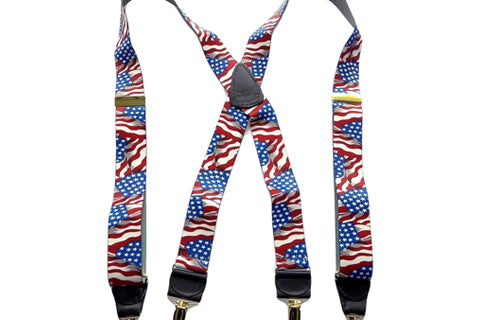
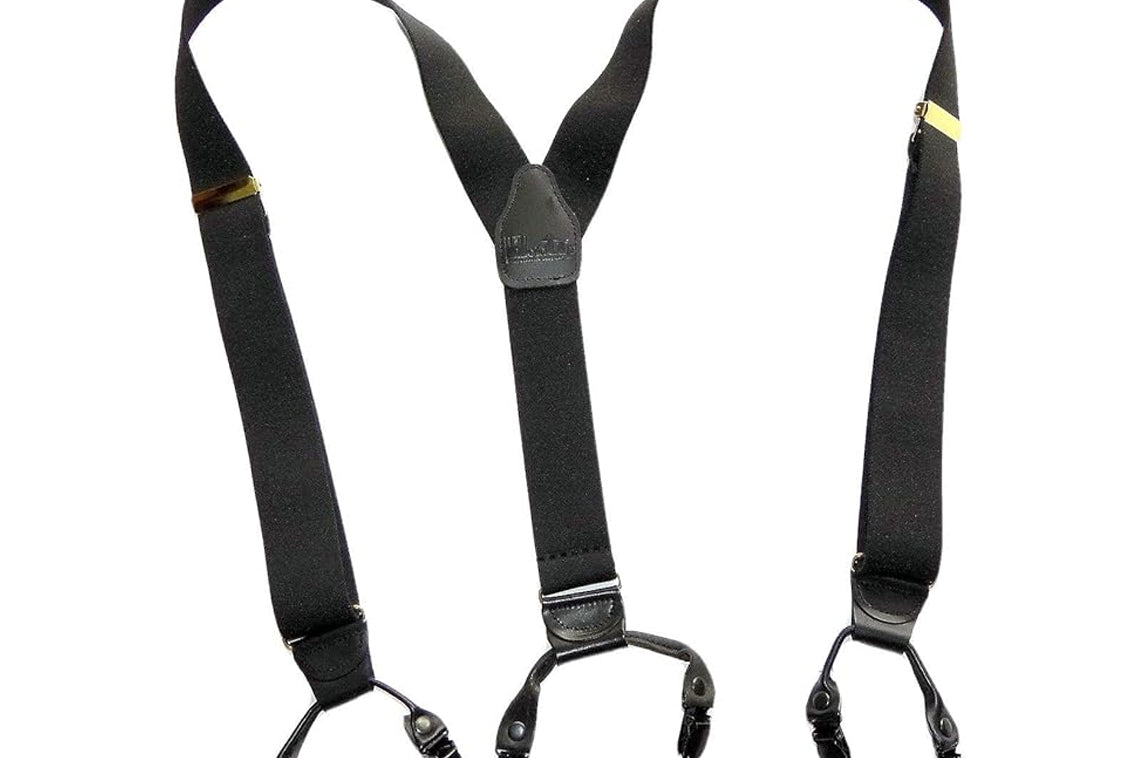
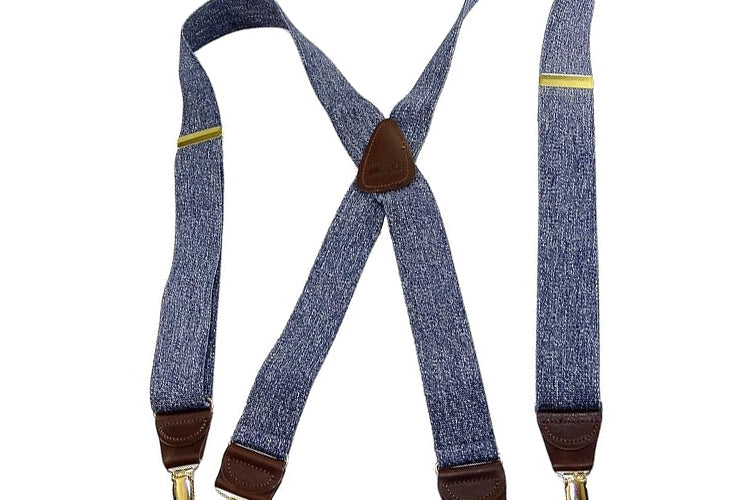
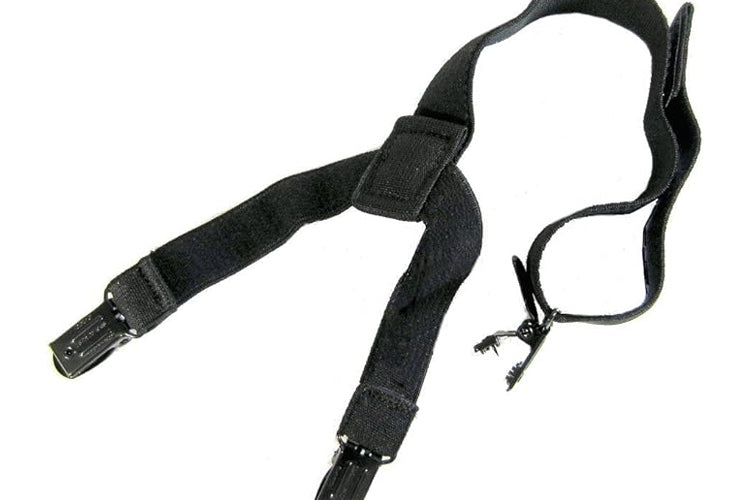

The main types of suspenders are grouped by back style and by how they attach. X-back and Y-back describe how the straps meet behind you, while clip-on suspenders grip any waistband and button-on suspenders fasten to buttons inside the trousers for a firmer, cleaner hold.
Understanding the different types of suspenders available helps you choose the right style for your needs, whether you're after functionality, fashion, or both. From back configurations to attachment methods and material choices, each suspender type serves distinct purposes and works best in specific contexts.
What Are Suspenders Called? Suspenders vs. Braces Explained
If you have ever searched for what the straps that hold up pants are called, the short answer is suspenders, though the terminology shifts depending on where you are and who you are talking to. In the United States, suspenders is the standard term for the shoulder straps that clip or button to your waistband and keep trousers from sagging. In the United Kingdom, Australia, and much of the Commonwealth, the same accessory is called braces, while suspenders in British English refers to the garter clips used to hold up stockings, an entirely different accessory. Older or regional speakers sometimes use the term galluses, a folk name that survives mainly in parts of the American South and Appalachia.
Whichever term you use, the function stays the same: a pair of adjustable straps worn over the shoulders, attached to your pants at two or more points in front and back, that transfer the weight of your trousers onto your shoulders instead of your waist. This makes suspenders a comfortable alternative to belts, particularly for menswear that favors a looser, no-pressure fit around the midsection.
What Are the Main Back Style Configurations?
The back configuration of suspenders fundamentally affects how weight distributes across your shoulders and determines the overall aesthetic when worn visibly. This represents the most important classification system when exploring different suspender types, as your back style choice impacts everything from comfort to styling versatility.
X-Back Suspenders

X-back suspenders feature two straps that cross at your shoulder blades, creating the classic X pattern that gives this style its name. The dual attachment points in back positioned symmetrically on either side of your spine provide excellent weight distribution and prevent the twisting that can occur with single-point attachments. X-back designs work particularly well for heavier pants or when you need reliable all-day support, making them popular choices for work wear and formal occasions.
-
Stability advantage: The crossed back configuration stays in place better during physical activity since the crossing point creates a natural anchor between your shoulder blades
-
Adjustment flexibility: Each back strap adjusts independently, allowing you to fine-tune fit for uneven shoulder heights or body asymmetries
Y-Back Suspenders
Y-back suspenders converge into a single strap that attaches at one centered point on your back, creating the Y shape this configuration is named for. This simpler design requires less precise positioning since you only need to find one optimal back attachment point rather than two symmetrical ones. The comparison between Y-back and X-back styles reveals that Y-back options typically feel lighter and less restrictive, making them comfortable choices for extended wear when you don't need maximum support.

The single back attachment means Y-back suspenders can't independently adjust for shoulder height differences, but this simplicity translates to easier daily use. You'll find Y-back configurations dominating the dress suspender market because they create cleaner lines under suit jackets and don't require as much fabric to construct, often resulting in more affordable pricing.
H-Back Suspenders
H-back suspenders, also called straight-back suspenders, feature two parallel straps running vertically down your back connected by a horizontal crossbar. This configuration provides excellent stability without the crossing pattern of X-back styles, making it particularly popular for heavy-duty work suspenders where functionality trumps aesthetics. The parallel back straps distribute weight evenly across both shoulders while the connecting bar prevents the straps from sliding off your shoulders during movement.
-
Work wear preference: Construction workers and tradespeople often choose H-back suspenders because the design accommodates tool belts and provides consistent support during bending and reaching
-
Classic styling: The straight-back configuration offers vintage appeal, particularly popular in period costumes and traditional formal wear from earlier eras
-
Adjustment simplicity: Like Y-backs, H-back suspenders typically feature straightforward adjustment mechanisms that are easy to modify even while wearing
Single-Strap Suspenders
Single-strap suspenders use one strap that runs from the front waistband, over one shoulder, to the back waistband, skipping the second shoulder entirely. This minimalist back style started as a workwear solution for people who needed one hand and shoulder free, and it has since become a deliberate fashion choice for anyone who wants a more casual, asymmetrical look. Because the entire load rests on a single shoulder, single-strap suspenders work best with lighter pants and shorter wear periods rather than heavy tool belts or all-day formal use.
-
Minimalist profile: A single strap creates a distinctive, less symmetrical silhouette that pairs well with casual or vintage-inspired outfits
-
Best for lighter use: With only one shoulder bearing the weight, single-strap suspenders suit lightweight trousers rather than heavy work pants or tool belts
How Do Attachment Methods Differ?
Beyond back configuration, the way suspenders attach to your pants represents another crucial classification. Understanding button versus clip-on suspenders helps you select the attachment method that matches your wardrobe and usage patterns.
Button-On Suspenders
Button-on suspenders use leather or fabric loops that slip over buttons sewn inside your waistband, creating a secure, permanent-feeling connection that doesn't damage fabric or create visible hardware on your pants' exterior. This traditional attachment method remains the gold standard for formal wear because it produces the cleanest lines under suit jackets, no clips to create bumps or bulges through fitted clothing

The tradeoff is commitment: button-on suspenders require pants with sewn-in suspender buttons, which means either buying pants that come with them or having a tailor install buttons in your existing trousers. Proper button placement is critical for comfort and appearance, making this option best for people who plan to wear suspenders regularly with specific garments rather than occasionally across various pants.
-
Formal wear standard: When wearing suspenders with a tuxedo or for black-tie events, button-on attachments maintain the refined aesthetic formal occasions demand
-
Durability factor: Without metal clips constantly gripping fabric, button-on suspenders eliminate the wear patterns that can develop from repeated clip attachment
-
Security level: Button attachments virtually never fail or slip, providing absolute confidence during important events where you can't risk wardrobe malfunctions
Clip-On Suspenders
Clip-on suspenders feature metal or plastic clips that grip your waistband, offering instant attachment to any pants without requiring modifications. This versatility makes clips the most popular attachment method for casual wear and for people new to suspenders who want to experiment before committing to button installation. Proper clip positioning ensures both comfort and security, preventing the slipping that gives clip-on suspenders an undeserved reputation for unreliability. A clip-on suspender can be easily converted into a button-on suspender.

Modern clip technology has evolved significantly, with quality suspenders now featuring clips that grip securely without damaging fabric. The key lies in understanding that not all clips perform equally cheaper suspenders often use weak clips that slip or leave marks, while premium options invest in no-slip designs that hold firmly through a full day's wear.
-
Wardrobe flexibility: Switch suspenders between different pants easily, making one pair of suspenders serve your entire wardrobe rather than dedicating specific suspenders to specific pants
-
Travel convenience: Clip-on suspenders pack easily and work with any pants you bring, eliminating the need to pre-plan which buttoned pants you'll wear
-
Budget friendliness: Save money on alterations and own fewer suspenders since each pair works across multiple garments.
What Are the Parts of a Suspender?
Knowing the individual parts of a suspender makes it easier to compare styles, order replacement pieces, or explain what you are looking for when you shop. Every pair of suspenders is built from a handful of core components, even though the materials and hardware vary between styles.
-
Straps: The shoulder-to-waistband bands, made from elastic, leather, or fabric, that carry the weight of your pants
-
Back yoke or crossbar: The connector at the back where the straps meet, whether that is an X-back crossing point, a Y-back triangle, or an H-back horizontal bar
-
Adjusters or sliders: Small hardware pieces that let you lengthen or shorten each strap; fixed-length suspenders skip this hardware entirely and are cut to a set length instead
-
Front and back attachments: The end pieces that connect to your pants, either fabric loops for buttons or metal and plastic clips
Types of Suspender Clips
Not all suspender clips are built the same way, and knowing how to open and use suspender clips correctly helps them grip better and last longer. The most common clip hardware types include:
-
No-slip or gripper clips: Wide, textured clips designed to bite into fabric without leaving marks, the standard on quality clip-on suspenders
-
Alligator clips: Narrow, hinged clips with fine teeth, common on cheaper or novelty suspenders and more prone to slipping on thick fabric
-
Side-clip or hip-clip hardware: Clips positioned at the sides instead of front and back, built for wearers who need suspenders to work around tool belts
Suspenders hardware, whether clips, buttons, or adjusters, is one of the biggest factors in how durable and comfortable a pair feels day to day, so it is worth checking the hardware quality before choosing a style.
What Material Types Define Suspender Categories?
The materials' suspenders are constructed to create distinct categories with different performance characteristics, aesthetics, and appropriate usage contexts. Material choice affects not just appearance but also comfort, durability, and how suspenders behave during extended wear.
Elastic Suspenders
Elastic suspenders, made from woven elastic bands with incorporated rubber or synthetic fibers, provide the stretch that makes them comfortable for all-day wear. This give in the material allows natural movement without the constant tension you'd experience with non-stretch materials, making elastic the dominant choice for both casual and dress suspenders. The comparison between elastic and leather options reveals that elastic suspenders better accommodate the body movements of sitting, bending, and reaching.

The breathability of woven elastic makes these suspenders comfortable in various climates, though very hot weather can make any elastic feel slightly sticky against shirts. For casual suspender outfits, elastic options provide the flexibility needed for relaxed, active wear without the formality leather can convey.
Leather Suspenders
Leather suspenders feature straps cut from genuine or synthetic leather, creating a stiffer, more structured accessory that makes bold fashion statements. Unlike elastic options, leather suspenders don't stretch, which means they either fit perfectly or not at all there's no forgiving give to accommodate slight size variations or body position changes. This rigidity gives leather suspenders their distinctive character but also limits their practical applications compared to more flexible elastic design

The appeal of leather suspenders lies in their visual impact and artisanal quality. Whether you're going for western-inspired style, vintage aesthetics, or rugged workwear looks, leather suspenders communicate authenticity and intentional style choices. Western suspenders and cowboy suspender styles almost exclusively use leather construction to maintain period-appropriate authenticity.
-
Patina development: Quality leather suspenders develop character over time as the leather softens and darkens with wear, creating unique pieces that reflect your usage patterns
-
Maintenance requirements: Leather needs occasional conditioning to prevent drying and cracking, making these suspenders higher-maintenance than elastic alternatives
-
Temperature sensitivity: Leather can feel cold initially in winter and may become uncomfortable in extreme heat, unlike elastic which adapts more readily to temperature changes
-
Style specificity: Leather suspenders work beautifully for specific aesthetics western, vintage, industrial but can look out of place in contemporary business or minimalist fashion contexts
Hybrid and Specialty Materials
Some suspenders combine materials to capture benefits from multiple construction approaches. You'll find suspenders with leather front tabs that attach to elastic back sections, providing leather's visual appeal where it shows while maintaining elastic's comfort along your back. Other specialty options include suspenders with rubberized backing for extra grip, mesh panels for ventilation, or padded sections for improved comfort during extended wear.
What Are Specialty Suspender Types for Specific Uses?
Beyond general classifications, certain suspender types serve specialized purposes, designed with specific professions, activities, or style preferences in mind. Understanding these specialty categories helps when you have particular needs that generic suspenders might not address adequately.
Work and Industrial Suspenders
Work suspenders emphasize durability and functionality above all else, featuring heavy-duty construction, extra-strong clips or buttons, and wider straps for superior weight distribution. These suspenders need to hold up pants loaded with tools while enduring rough treatment, frequent washing, and exposure to harsh work environments. The materials tend toward tough elastic or leather that can handle abuse without failing, and hardware uses commercial-grade metals that won't bend or break under stress.

Many work suspenders incorporate additional features like tool loops, reflective strips for visibility, or side-clip configurations that work better with tool belts. The hip-clip trucker style represents one popular work suspender variation, positioning clips at the sides rather than front and back for improved tool belt compatibility.
Formal and Dress Suspenders
Formal suspenders prioritize aesthetics and refined appearance, using materials and construction techniques that create the polished look required for professional and special occasion contexts. These typically feature button-on attachments, Y-back or X-back configurations in narrower to standard widths, and conservative colors that complement formal wardrobes. The hardware uses understated finishes silver, gold, or subtle bronze rather than the utilitarian metals common in work suspenders.

When selecting suspenders for wearing with a tuxedo, you'll want formal suspenders specifically designed to remain hidden under your jacket, maintaining the clean lines formal wear demands. Some formal suspenders even eliminate back hardware entirely, using continuous loops of fabric that require no adjustment once properly fitted.
Fashion and Statement Suspenders
Fashion suspenders break free from functional constraints, embracing bold colors, patterns, textures, and unconventional designs that make them accessories rather than mere utility items. These suspenders are meant to be seen, worn visibly over shirts or as key elements in styled outfits. You'll find fashion suspenders in every width, back configuration, and material, with choices driven by current trends, personal style preferences, and the specific aesthetic you're creating.

The fashion suspender category includes everything from vintage-inspired designs that recreate historical styles to ultra-modern interpretations featuring unexpected materials or avant-garde constructions. Vintage suspender styles remain particularly popular in fashion contexts, offering nostalgic appeal that works with various retro-inspired looks.
Undergarment and Invisible Suspenders
Undergarment suspenders, designed to be worn beneath your shirt against your skin or undershirt, prioritize comfort for extended hidden wear. These suspenders typically use softer materials, smooth hardware that won't chafe, and designs that minimize visible lines through clothing. The materials often include moisture-wicking properties and breathable construction since they'll be in direct contact with your body throughout the day.

This category serves people who want suspenders' functional benefits keeping pants secure without belt pressure without making suspenders part of their visible style. Medical considerations sometimes drive choices in this category, as some wearers need the support suspenders provide but prefer keeping them private.
Frequently Asked Questions
What type of suspenders should I choose for everyday wear?
For everyday wear, clip-on elastic suspenders in X-back or Y-back configuration offer the best balance of comfort, versatility, and ease of use. Choose a standard width (1-1.5 inches) in a neutral color that coordinates with most of your wardrobe.
This combination works across casual and business casual contexts, attaches to any pants without modifications, and provides reliable all-day support with enough stretch for comfortable movement. Quality clips ensure your suspenders stay secure through normal activities without slipping or damaging fabrics.
Are X-back or Y-back suspenders more comfortable?
Comfort depends on your priorities and body type rather than one configuration being universally superior. X-back suspenders generally provide better weight distribution and stability, making them more comfortable when wearing heavier pants or during physical activity. Y-back suspenders feel lighter and less restrictive, working better for lightweight pants and situations where you prioritize minimal awareness of wearing suspenders. People with uneven shoulder heights often prefer X-back designs since each strap adjusts independently, while those seeking simplicity appreciate Y-back's single adjustment point and cleaner lines under fitted clothing.
Should I buy leather or elastic suspenders?
Choose elastic suspenders for practical all-day wear, comfort, and versatility across various contexts. The stretch accommodates body movement, requires less precise fitting, and works comfortably throughout long wear periods. Opt for leather suspenders when making deliberate style statements western looks, vintage aesthetics, or rugged workwear fashion where leather's visual impact justifies the reduced comfort and flexibility. For most people's primary suspender needs, elastic provides better functionality, while leather serves specialty styling purposes or secondary pairs chosen for specific outfits rather than daily rotation.
What width suspenders should I choose for my body type?
Match suspender width to both your frame size and the pants you're supporting. Smaller frames (under 5'8" with slender builds) look proportionally better in narrower suspenders (0.75-1.25 inches), while larger frames (over 6' or broader builds) carry wider suspenders (1.5-2 inches) without appearing overwhelmed. Additionally, consider pant weight lightweight dress pants work fine with narrower straps, but heavy work pants or tool-laden belts require wider suspenders (1.5-2 inches) for adequate weight distribution. When in doubt, standard 1.25-1.5 inch width works for most body types and pant weights, providing universal versatility.
Do button-on suspenders hold better than clip-on?
Button-on suspenders provide more secure, permanent-feeling attachment that virtually never fails or shifts position throughout wear. However, quality clip-on suspenders with proper no-slip clips hold exceptionally well for normal daily activities when correctly positioned. The practical differences matter most in specific contexts button-ons excel for formal events where wardrobe malfunctions would be disastrous and under fitted suit jackets where clip bulges show, while clip-ons offer superior convenience for casual wear, frequent outfit changes, and wardrobe flexibility. For most people, quality clip-on suspenders provide adequate security while avoiding the commitment and alterations button-on options require.
Can I wear work suspenders with dress pants?
While technically possible, work suspenders' wider straps (1.5-2+ inches) and utilitarian aesthetics typically look disproportionate and overly casual with dress pants' refined styling. The heavy-duty construction and often-visible industrial clips create visual discord with dress pants' sleek appearance. Instead, choose dress suspenders in standard widths (1-1.5 inches) with appropriate hardware finishes when wearing professional attire. Reserve work suspenders for their intended purpose: supporting heavy work pants and tool belts, where their robust construction serves functional needs that dress suspenders can't adequately address.
What suspenders work best for formal occasions?
Formal occasions demand button-on suspenders in Y-back or X-back configuration, standard width (1-1.5 inches), constructed from quality elastic or fabric in black, navy, or to match your pants. Button attachments eliminate the clip bulges that show through fitted suit jackets and tuxedo coats, maintaining the clean silhouette formal wear requires. Choose suspenders with minimal, understated hardware avoid shiny or oversized adjusters that might catch attention if briefly visible. The goal is refined support that remains invisible under your jacket, never announcing itself or competing with your formal ensemble's carefully coordinated elements.
How do I know which back style configuration to choose?
Select your back style based on comfort preferences, support needs, and styling context. Choose X-back suspenders if you need maximum stability for heavier pants, physical activity, or plan to wear suspenders visibly as fashion statements the crossed back creates the most recognizable suspender silhouette. Opt for Y-back if you prioritize simplicity, lighter feel, and cleaner lines under suit jackets the single back attachment requires less precise positioning and reduces bulk. Consider H-back for work wear or vintage aesthetics where straight-back parallel straps provide excellent support while accommodating tool belts. Try both X and Y styles if possible to determine which feels more natural for your body and preferences.
What is the difference between suspenders and braces?
In American English, suspenders and braces both describe the shoulder straps that hold up pants, and the terms are used interchangeably. In British English, the accessory is almost always called braces, while suspenders refers to the garter clips that hold up stockings, so the two words point to different items depending on the region. If you are shopping internationally, braces is the safer term to search for outside the United States.
What are the clips on suspenders called?
The metal or plastic hardware that grips your waistband is generally called a no-slip clip or gripper clip, while narrower, hinged versions are known as alligator clips. Suspenders built for tool belts often use side-clip or hip-clip hardware instead of the standard front-and-back placement.
Can women wear suspenders too?
Yes, suspenders are a unisex accessory, and most X-back, Y-back, and clip-on styles fit women just as well as men once the length and strap width are adjusted. Many women choose narrower straps and adjustable sliders for a closer fit, and suspenders work with skirts, trousers, or shorts that have a waistband sturdy enough to hold a clip or button.
What are the straps that hold up pants called?
The straps that hold up pants are called suspenders in the US and braces in the UK. If the straps are sewn onto the pants as one piece, like on jeans or work pants with a bib, the garment is called overalls.
Conclusion
From their utilitarian origins to their current status as chic accessories, suspenders have undergone various transformations. Available in multiple materials, styles, and designs, they cater to diverse tastes and preferences. Whether you're going for a vintage vibe, a formal look, or a change from the traditional belt, suspenders offer a unique combination of style and function.