

Mile after mile, hour after hour,long car trips test your patience and your comfort. You've probably experienced it: the gradual discomfort that builds in your lower back, the constant need to adjust your pants as you shift positions, the annoying interference between traditional suspenders and your seat belt. For frequent travelers, long-distance commuters, and road trip enthusiasts, these small irritations accumulate into genuine misery that can transform an exciting journey into an endurance test.
Side clip suspenders offer a remarkably effective solution to the unique challenges of extended driving. Unlike traditional front-and-back suspender designs, side clip configurations position attachment points at your hips rather than center front and back. This seemingly simple change creates dramatic improvements in comfort, functionality, and convenience specifically for seated positions maintained during long drives.
Why Do Traditional Suspenders Cause Discomfort While Driving?
Standard suspenders attach at four points: two in front near your zipper, and two in back near your spine. This configuration works perfectly well for standing and walking,the primary activities suspenders were originally designed to support. However, car seats create an entirely different pressure dynamic.
When you sit in a car seat for extended periods, your back presses against the seatback, compressing whatever sits between your body and the seat. With traditional suspenders, this means the rear clips and straps get sandwiched between your lower back and the seat upholstery. This compression creates pressure points that become increasingly uncomfortable as hours pass. The clips dig into your back, the straps bunch and fold, and you find yourself constantly shifting trying to relieve the discomfort.
Front clips cause different but equally annoying problems. They position right where seat belts cross your lap and torso, creating interference points where the suspender clips can catch on the belt webbing. During long drives with frequent position adjustments, this interference becomes a source of constant low-level irritation. The clips may also press uncomfortably against your abdomen when you lean forward to adjust climate controls or reach for items.

How Does Side Clip Placement Solve These Issues?
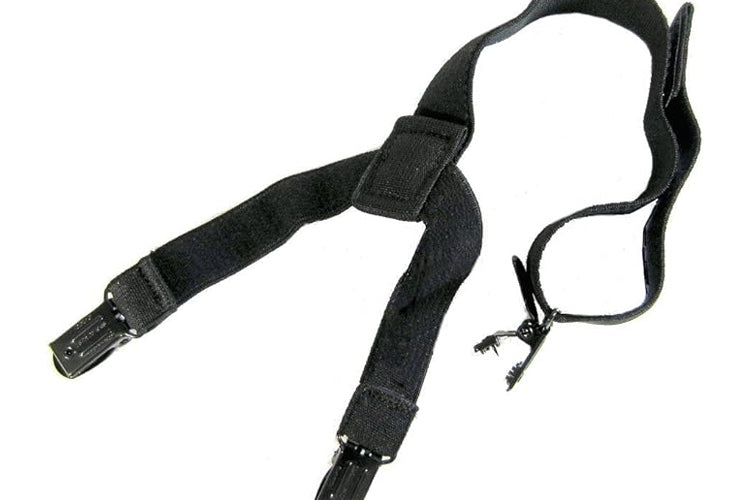
Side clip suspenders revolutionize driving comfort by repositioning attachment points away from problem areas entirely. Instead of front and back clips, side clip designs attach only at your hips,one clip on each side of your waistband, typically positioned roughly where your front pockets sit or slightly behind them. This placement creates an attachment zone that never contacts your car seat regardless of how you position yourself.
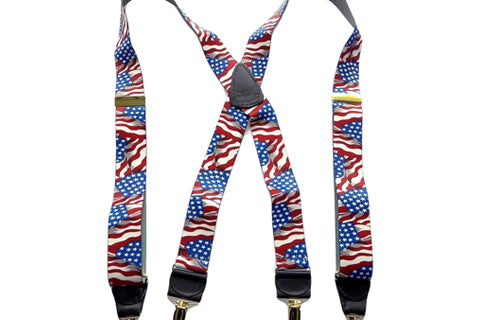
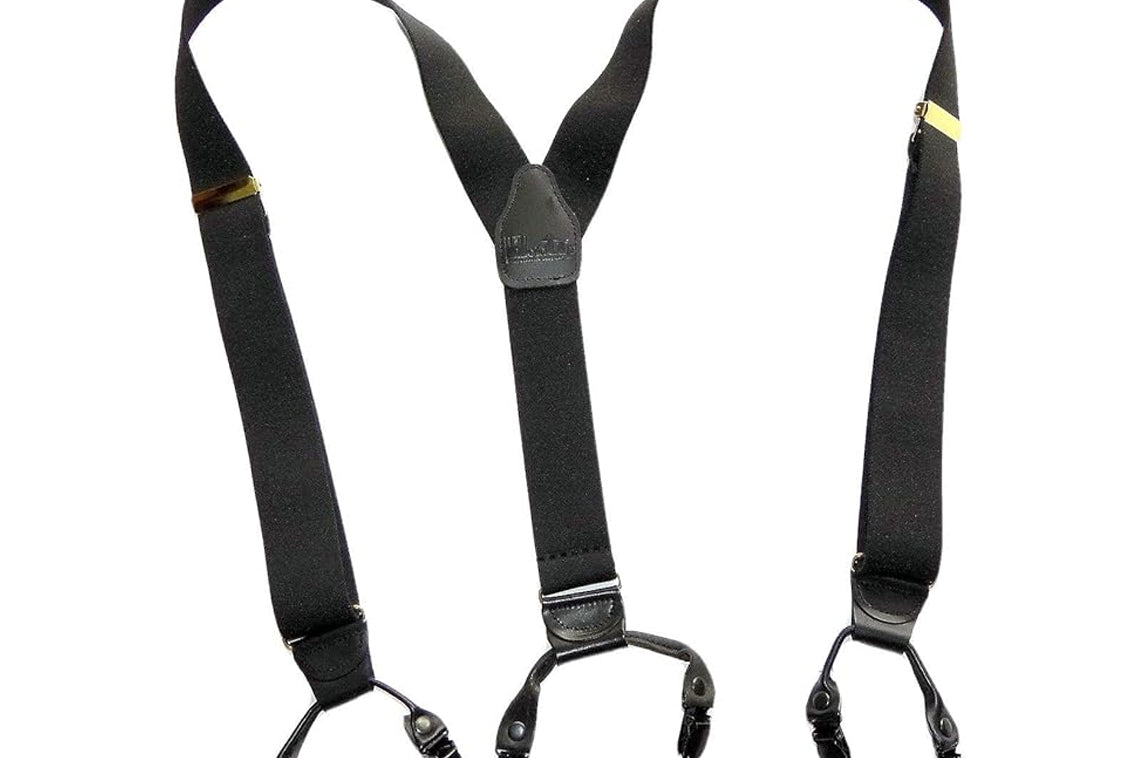
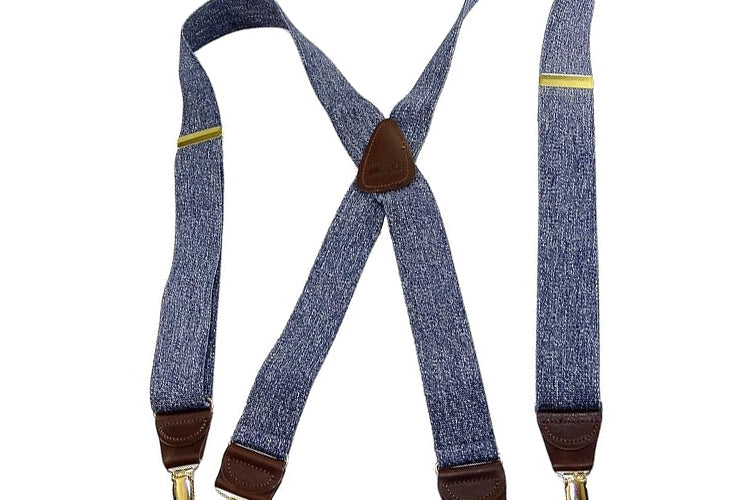
Understanding different suspender back styles helps clarify why side clips work so well for driving. Traditional X-back or Y-back configurations must route straps across your back, which inevitably gets compressed against seats. Side clip styles route straps from your hips up and over your shoulders without any back crossing below shoulder blade level. This means nothing sits between your lower back and the seat,just your body and clothing making direct, comfortable contact with the upholstery.
-
Zero Back Pressure: With clips positioned at your sides, nothing presses into your spine or lower back regardless of seat position or recline angle.
-
Seat Belt Clearance: Side clips stay completely clear of lap and shoulder belt paths, eliminating interference during buckling and movement.
-
Natural Movement Freedom: The side attachment allows your torso to rotate freely without strap resistance when checking blind spots or reaching for items.
What Makes the Material Choice Important for Travel?
Side clip suspenders designed for extended wear typically feature wide elastic straps (usually 1.5 to 2 inches) that provide both comfort and durability. The width matters significantly for long drives because it distributes tension across broader shoulder areas, preventing the cutting sensation that narrow straps can create during hours of continuous wear. Wider straps also resist the rolling or twisting that can occur with thinner materials when you shift positions frequently.
The elastic composition itself contributes to driving comfort in ways that rigid materials can't match. Quality elastic stretches and recovers with your movements,leaning forward to adjust the radio, twisting to check blind spots, reaching into the back seat. This dynamic flexibility means the suspenders accommodate your movements rather than restricting them, eliminating the feeling of being bound or constrained that can make long drives feel even longer.
For those prioritizing comfort, exploring options in elastic vs leather suspenders reveals why elastic proves superior for driving applications. Leather offers classic aesthetics and works beautifully for standing activities, but lacks the give needed for the constant micro-adjustments your body makes during extended sitting. Elastic breathes better too, reducing the heat buildup that leather can cause against your shoulders during summer road trips.
How Do They Support Better Driving Posture?
Proper posture matters tremendously during long drives, affecting not just comfort but also alertness and safety. Side clip suspenders contribute to better driving posture in several specific ways.
-
First, by eliminating waist constriction entirely, they allow your pelvis to sit naturally in the seat without the forward tilt that tight belts often cause. This neutral pelvic position forms the foundation for proper spinal alignment throughout your torso.
-
The gentle upward support from shoulder straps provides subtle postural cueing without the rigid enforcement that can feel restrictive. You're not locked into a single position, but the light tension reminds your body to maintain an upright orientation rather than gradually slouching as fatigue sets in. This becomes particularly valuable during the second half of long drives when tired muscles naturally want to collapse into poor posture.
-
Unlike belts that concentrate pressure at your waist and can encourage you to lean back heavily against the seat (which compresses your spine), suspenders distribute trouser support across your shoulders.
-
This distribution encourages you to sit more actively rather than sinking completely into the seat. The result is better circulation, reduced pressure on your lower back, and decreased fatigue even after hours behind the wheel.
What About Entry and Exit Convenience?
Long trips inevitably involve multiple stops,gas stations, rest areas, meal breaks, scenic viewpoints. The ease of getting in and out of your vehicle affects your overall travel experience more than you might think. Traditional suspenders with rear clips create hassles during these transitions. The back clips can catch on seats as you slide out, requiring awkward reaches behind you to free them. Getting back in means carefully positioning yourself to avoid sitting on the clips or having them dig into your back as you settle into the seat.

Side clip suspenders eliminate these entry-exit annoyances completely. With clips positioned at your hips, nothing catches or snags as you move in or out of the vehicle. You can slide naturally across the seat without concern about clip placement. The popular hip clip trucker-style suspenders were specifically designed with this convenience in mind, becoming favorites among professional drivers who enter and exit their vehicles dozens of times daily.
Rest stop efficiency improves significantly with side clips. You can quickly remove and replace your suspenders for restroom breaks without the contortions required to reach back clips. This matters more than it might seem,when you're stopping every two hours during a ten-hour drive, fumbling with difficult clips five times adds frustration that colors your entire travel experience.
How Do You Adjust Them for Optimal Comfort?
Proper adjustment transforms side clip suspenders from merely functional to genuinely comfortable. The key is achieving the right tension,enough to support your trousers securely without pulling uncomfortably on your shoulders. Start by adjusting the straps while standing in a relaxed posture. Your pants should sit at your natural waist (or wherever you normally wear them) without sagging, but the straps shouldn't feel tight across your shoulders.
Learning how to adjust suspenders properly makes a significant difference in long-drive comfort. For side clips specifically, pay attention to whether the straps pull straight up from the clips or angle forward or backward. Ideally, they should rise nearly vertically from the clip points, perhaps angling slightly forward. If they pull strongly backward, you'll feel uncomfortable shoulder pressure during driving. Most quality side clip suspenders allow individual strap adjustment, letting you fine-tune each side for your body's asymmetries.

Don't set-and-forget your adjustment. Bodies change throughout the day,you might be slightly bloated after a large meal, or your posture might shift as fatigue sets in. Quality elastic suspenders accommodate these changes naturally through their stretch, but if you're starting a multi-day road trip, you might want to readjust slightly on day two once you've experienced how they feel during actual driving.
What About Different Driving Scenarios?
Side clip suspenders adapt well to various driving situations, though some scenarios benefit more than others. For highway cruising,the classic long-distance driving scenario,they excel completely. The steady, relatively unchanging seated position means you reap maximum benefit from the elimination of back pressure and the freedom from waist constriction. Hours blur by more comfortably when your lower back isn't fighting against clips and straps.
City driving with frequent stops involves more movement in and out of the vehicle, where side clips really prove their value. Professional drivers like delivery personnel or service technicians who make dozens of stops daily find that side clips eliminate the constant clip readjustment that traditional styles require. The convenience factor compounds over multiple entries and exits, saving time and frustration.
For truck drivers and RV operators dealing with taller vehicle cabs, side clips offer additional advantages. Climbing up into high seats means your body angles differently than entering regular cars. Traditional back clips can shift or dig in during this climbing motion, while side clips remain stable at your hips regardless of your climbing angle. Many professional drivers who've tried both configurations report they'll never return to traditional styles after experiencing the side clip difference during long hauls.
Are There Any Limitations to Consider?
While side clip suspenders offer numerous advantages for driving, they're not universally superior in every situation. The two-clip design (one on each side) provides excellent support for most people and trouser styles, but those carrying extremely heavy tool belts or equipment on their trousers might prefer the additional security of four-clip traditional designs. The physics of weight distribution means two attachment points must each bear more load than four points would.
Style considerations matter too. Side clip suspenders work beautifully with casual wear,jeans, khakis, cargo pants,making them perfect for road trips and casual travel. However, they're generally not appropriate for formal occasions. If your travel includes business meetings requiring suits or formal wear, you'd want traditional suspenders or button-on styles for those portions of your trip. Understanding when to use casual outfits with suspenders helps you pack appropriately for mixed-purpose travel.

Conclusion
Side clip suspenders transform long car trips from endurance tests into comfortable journeys through their thoughtful design addressing the specific challenges of extended driving. By repositioning attachment points away from your back and front center, they eliminate the pressure points and interference issues that plague traditional suspender styles during hours behind the wheel. The wide elastic construction provides dynamic flexibility that moves with you rather than restricting you, while supporting proper posture that reduces fatigue and discomfort.