
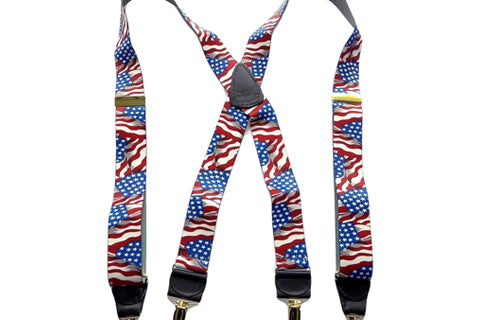
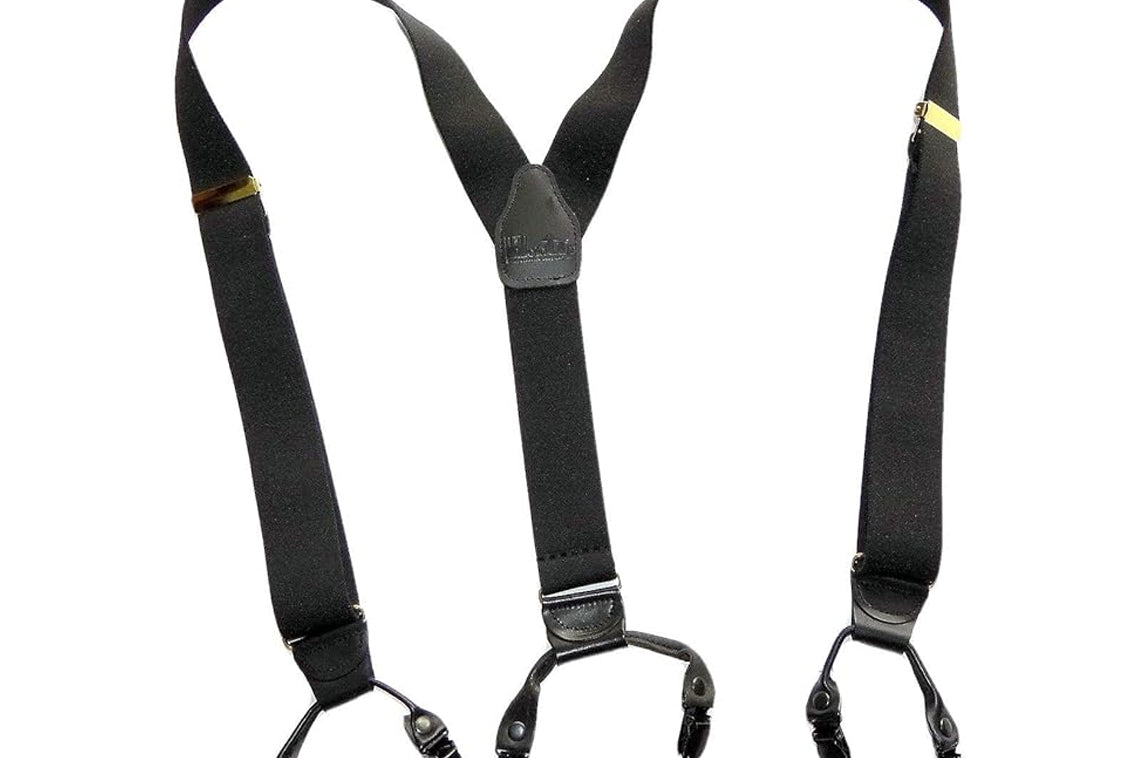
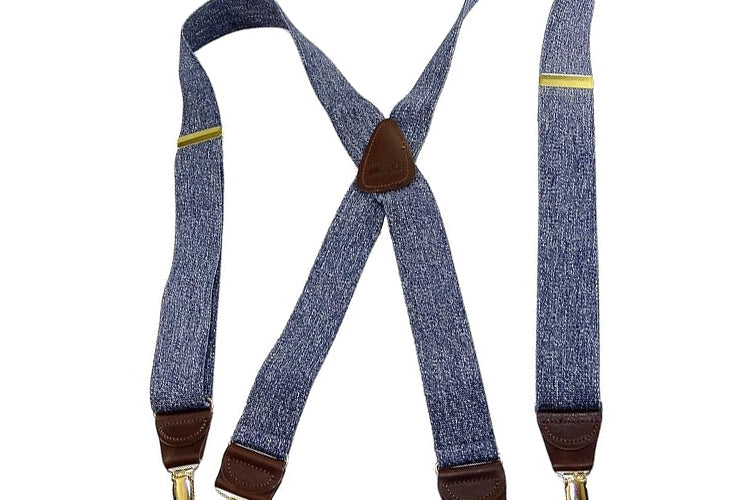
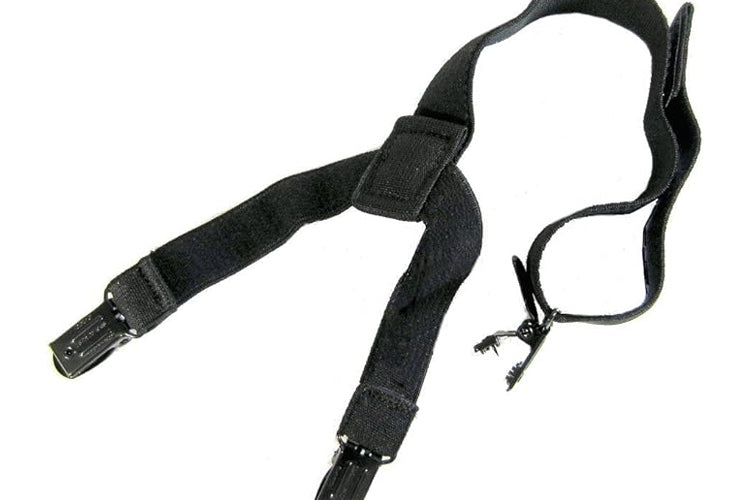

If you've ever ended up with a sore back, slipping pants, or a tool belt that drags by mid-afternoon, the problem usually isn't how hard you're working , it's what's holding your gear. Heavy duty work suspenders with 2-inch wide straps are engineered specifically to eliminate those friction points. Wider means more surface contact, more distributed load, and less concentrated pressure on any single part of your body. Whether you're framing walls or fighting fires, that difference is felt by lunch.
Why Do 2-Inch Wide Straps Outperform Narrower Designs on the Job?
The core advantage is load distribution. A standard 1-inch strap focuses all the pressure from your pants and tool belt onto a narrow band across each shoulder. A 2-inch strap spreads that same load across twice the surface area, which directly reduces fatigue and pressure points over a long shift. Non-stretch polyester webbing , like the 2-inch Super-Tuff Stuff™ material used in many professional-grade suspenders, resists sagging under weight, unlike elastic-forward designs that gradually give out as the day progresses.
For trades that involve constant bending, lifting, and twisting, this matters enormously. Elastic eventually yields; non-stretch webbing maintains its hold whether you're crouching under a sink or climbing scaffolding. The combination of a rigid front strap and a flexible elastic back panel gives you the best of both: load resistance up front, freedom of movement behind.
-
Twice the shoulder contact area compared to standard 1-inch straps, reducing localized pressure
-
Non-stretch front webbing maintains constant support without sagging under tool belt weight
-
Elastic back panel accommodates a full range of motion without restricting movement
-
Adjustable length up to 60–62 inches to fit a wide range of body types

How Do Wide Straps Reduce Back Strain During Long Workdays?
One of the most underappreciated benefits of wide-strap suspenders is the shift in weight distribution from your waist and lower back to your shoulders and torso. When a heavy tool belt relies entirely on a waistband, your lumbar spine absorbs that load for hours on end. Suspenders redirect a significant portion of that weight upward , and 2-inch wide straps do this more efficiently than narrower versions because they engage a larger shoulder and upper-back area. If you've wondered whether suspenders can actually cause back pain or relieve it, the answer comes down almost entirely to strap width and fit.
High-density terry elastic used in many wide-strap models adds cushioning without bulk, allowing you to wear suspenders over a shirt without creating the ridged pressure lines that thin straps often leave. The result is a suspender you can wear from 6 AM to 5 PM without feeling the need to adjust or remove it.
What Makes 2-Inch Work Suspenders Built to Last in Demanding Conditions?
Durability in work suspenders isn't just about the strap material; it's the entire system. Industrial-strength polyester webbing resists abrasion on rough work surfaces. Jumbo heavy-duty nickel or composite clips hold securely to thick denim and heavyweight work pants without slipping or deforming under repeated stress. American-made versions typically use materials that outperform cheaper imports in both tensile strength and UV resistance, which matters on outdoor job sites.
You'll find industrial-series work suspenders available in lengths up to 62 inches, accommodating taller and larger workers who otherwise struggle to find gear that holds up without constant re-tensioning. Leather snap variants offer an added layer of longevity in the hardware. Quality leather and brass or nickel hardware outlast plastic alternatives in high-humidity and high-sweat environments.
-
Industrial polyester webbing resists fraying, stretching, and abrasion on construction sites
-
Jumbo metal clips grip heavy denim and work pants without slipping under load
-
American-made construction consistently outperforms lower-cost alternatives for everyday trade use
-
UV and moisture resistance extend the lifespan of both the webbing and hardware
Which Clip Types Work Best for Heavy-Duty Work Suspenders?
The strap is only as reliable as the attachment holding it to your pants. For trades workers, clip selection is a practical decision, not just a preference. Alligator clips offer the strongest grip on thick waistbands and are a go-to for construction and carpentry, where pants are heavy and movement is frequent. Lobster hooks give quick trigger-release attachment and are commonly used in environments where suspenders may need to come on and off throughout a shift.
Trigger snaps allow single-handed attachment, which is useful when you're already wearing gloves on-site. Button-on attachments with leather or fabric loops are the most secure of all; they attach directly to sewn buttons on your work pants and won't unclip under any circumstances. Understanding how each suspender clip type works helps you match the attachment style to your specific job conditions.
-
Alligator clips: Maximum grip on heavy pants, ideal for construction, carpentry, and plumbing
-
Lobster hooks: Quick-release attachment for jobs with frequent gear changes
-
Trigger snaps: One-handed, no-slip hold, works well with gloves on
-
Button-on loops: Fail-proof security through sewn pant buttons , the most secure option available
What Jobs and Industries Benefit Most from 2-Inch Wide Work Suspenders?
The short answer: any job where you're on your feet for extended periods with tools or gear on your waist. Construction suspenders with 2-inch straps are the most common application; framing, roofing, and concrete work all involve constant bending and heavy tool loads that narrower suspenders simply can't handle comfortably. Electricians, plumbers, and HVAC technicians benefit for the same reasons, and some manufacturers even offer tradesman-pattern designs specific to each speciality.
Firefighters represent a different but equally demanding use case. Structural firefighting gear is heavy, and suspenders built for turnout gear use specific hardware and strap widths to handle that load without interfering with the protective ensemble. Police officers and security professionals in tactical vests benefit from suspenders designed for use with duty belts, where the extra holding power of a 2-inch strap keeps loaded belts from sagging. Farm and ranch workers rely on wide-strap suspenders for all-day wear in variable weather, especially when working with heavy denim or canvas overalls. And for anyone needing an extended fit, dedicated big and tall work suspenders are available with the same 2-inch wide, heavy-duty construction to accommodate heights up to 6'9".
Should You Pair 2-Inch Work Suspenders with a Tool Belt?
Yes, and it's a common combination that actually improves how both pieces of gear perform. Wearing suspenders separately from your tool belt, rather than clipping them together, keeps the two systems independent. The tool belt can sit on your hips for easy access to tools, while the suspenders handle the weight transfer to your shoulders. This prevents the belt from pulling down your waistband over the course of a shift. To get the most out of this combination, it's worth learning how to avoid common mistakes when using tool belt suspenders, especially around how the two are worn relative to each other.
An X-back configuration is generally preferred over a Y-back for tool belt use because it distributes load more evenly across the upper back and prevents the straps from sliding off rounded shoulders during movement. If you're deciding between configurations, the differences between Y-back and X-back suspenders come down to how your specific job affects your posture and movement patterns throughout the day.
Frequently Asked Questions
Why are 2-inch-wide straps better than 1-inch straps for heavy work?
2-inch wide straps distribute weight across a larger shoulder surface area, which reduces pressure points and fatigue during long shifts. They provide superior load-bearing capacity for heavy tool belts and work pants, resist sagging better than narrower straps, and are less likely to dig into the shoulder or slip off when bending, lifting, or working in high-movement trades like construction or plumbing.
What type of clip is best for heavy duty work suspenders?
Alligator clips and jumbo no-slip gripper clasps are the most effective options for heavy work environments. They clamp firmly to thick waistbands and heavy denim without slipping under load. Lobster hooks are a reliable alternative for jobs requiring quick attachment and release. For the most secure hold possible, button-on leather or fabric loops eliminate the risk of unclipping entirely during physically demanding tasks.
Can work suspenders help with lower back pain on the job?
Yes. Work suspenders, particularly 2-inch wide models , shift a significant portion of the weight from your waistband and lower back up to your shoulders and torso. This reduces lumbar strain caused by heavy tool belts over extended periods. The key is a proper fit: straps should sit flat across the shoulders without pulling forward, and the pants should sit at a natural waist height without being hiked up uncomfortably.
Are 2-inch work suspenders available for big and tall workers?
Yes. Most professional-grade 2-inch wide work suspenders are available in extended lengths of up to 60–62 inches, accommodating heights up to 6'9" and larger body frames. Big and tall versions use the same heavy-duty polyester webbing and jumbo hardware as standard sizes. When shopping, confirm the adjustable length range rather than relying on a general "XL" label, as sizing conventions vary between manufacturers.
What's the difference between elastic and non-stretch work suspenders?
Non-stretch polyester webbing suspenders provide constant, rigid support that doesn't give way under the weight of a loaded tool belt, making them the preferred choice for heavy-duty trades. Elastic suspenders offer more flexibility and comfort in low-load situations, but compress and sag over time under heavy weight. Many quality work suspenders combine non-stretch front straps with an elastic back section to balance load resistance with freedom of movement.