

Whether you're a professional contractor, carpenter, or DIY enthusiast, a tool belt is indispensable for keeping your tools organized and within arm's reach. Adding suspenders to a tool belt shifts a good part of that load off your hips and onto your shoulders, but only if the setup is worn correctly. Here's what actually matters for comfort, safety, and getting the most out of the setup, plus the mistakes that undo all of it.

Wearing A Tool Belt With Suspenders
Tool belts with suspenders are designed to distribute the weight of tools evenly across the shoulders, reducing the strain on the waist and lower back. Unlike a regular tool belt that sits on the hips, the suspender version can help reduce fatigue during extended periods of use. If you've been comparing the two setups, see our full breakdown of work suspenders vs. tool belts for how each one carries weight differently.
Why Use A Tool Belt

Efficiency: Having all your tools within arm's reach reduces the time spent searching for them.
Safety: Reduces the risk of tripping over devices or having them fall from heights.
Organization: Keeps tools separated and prevents them from scratching or damaging each other.
Mobility: Move freely around a site without having to carry a toolbox.
Factors to Keep In Mind When Purchasing A Tool Belt To Prevent Discomfort
Padding: Ensure the belt and suspenders are well-padded to prevent pressure points.
Fit: Ensure it's adjustable to fit snugly without being too tight.
Material: Durable materials like leather or heavy-duty canvas can withstand wear and tear.
Weight Distribution: The pockets and loops should allow for an even distribution of tools.
Breathability: If working in hot conditions, consider materials that allow for airflow.
Types of Tool Belt Suspenders and Which One Fits Your Build
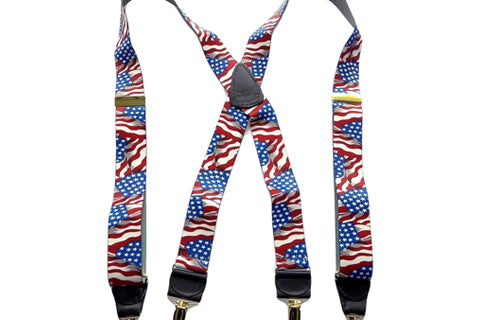
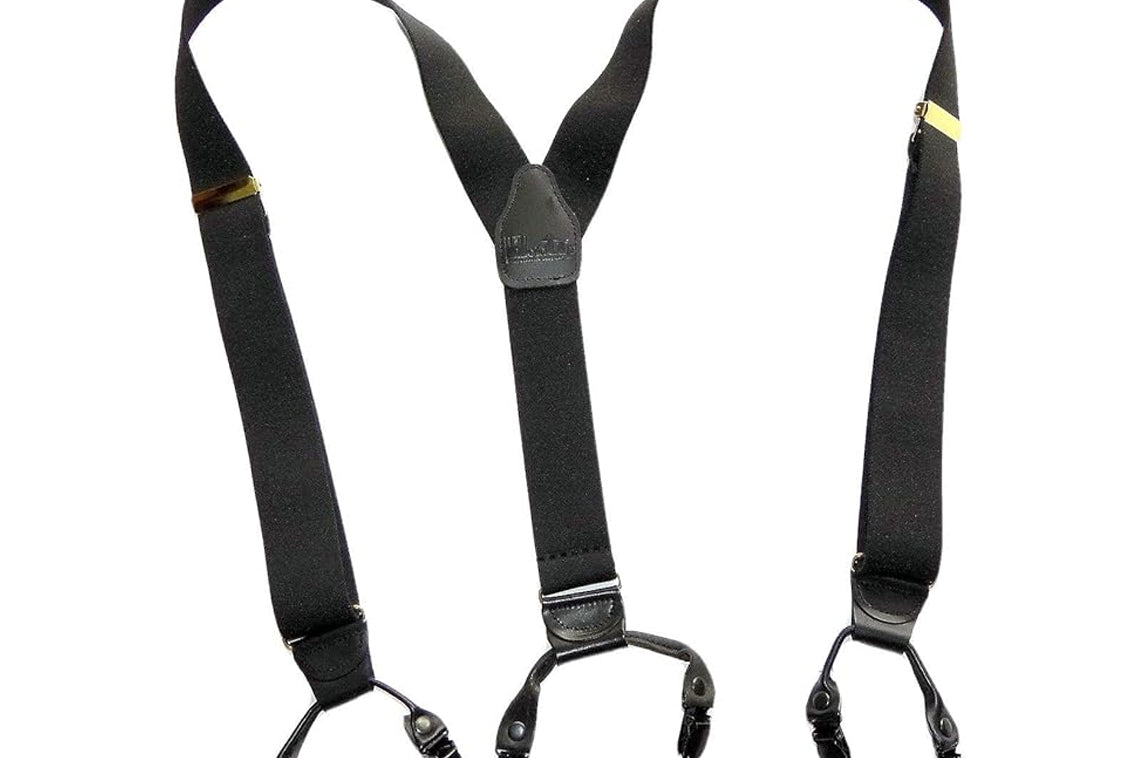
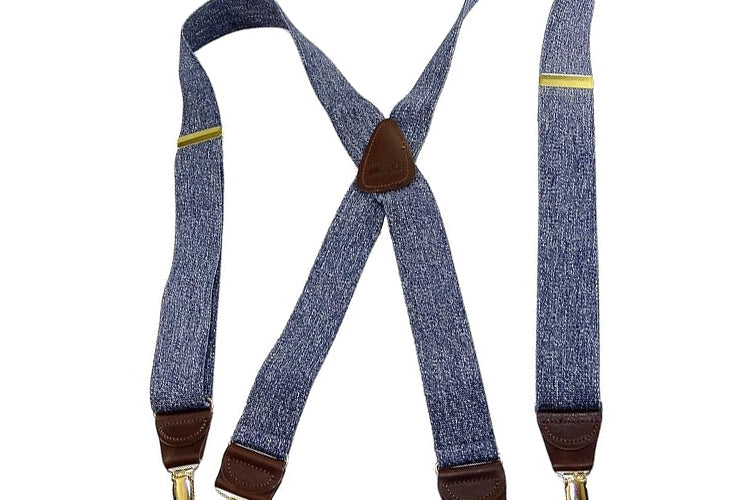
Not all suspenders carry weight the same way, and picking the wrong pattern is one of the fastest routes to shoulder pain. Y-back suspenders use a single strap that runs up the spine and splits into two shoulder straps near the neck; they're a common starting point and tend to sit close to the body. X-back suspenders cross between the shoulder blades instead, which spreads the load across a wider area of each shoulder and is generally the better choice once a belt gets heavier.
4-point or cross-back harness designs add extra attachment points at the belt, functioning more like a full harness than a simple strap, and are popular with roofers and anyone carrying a fully loaded rig all day. The clips, buckles, and hardware differ across all three, so match the suspender type to the belt's D-rings or loops before buying, not after.
Should You Wear Tool Belt Suspenders?
Wearing suspenders with a belt is a personal choice but is often recommended when:
- You're carrying heavy tools for prolonged periods.
- You're experiencing back or hip pain from a regular tool belt.
- You need to frequently bend or move in ways that might cause tools to fall out of a belt-only setup.
If back or hip discomfort is the main driver, it's worth reading through whether suspenders help with sciatica or hip pain before you buy, since the fit and strap width both affect the result.
How Much Weight Should A Tool Belt Suspenders Carry

A fully loaded tradesman's tool belt commonly runs in the 15 to 30+ pound range once hammer, tape, pliers, fasteners, and a pouch of hardware are all on it. That's exactly the range suspenders are built for; a belt alone concentrates that weight on the hips and lower back, while a suspender rig spreads it across both shoulders.
Every manufacturer rates its own suspenders for a maximum load, so check the product listing rather than assuming any pair can handle any belt. Overloading past that rating strains the stitching and hardware and is the fastest way to turn a comfort upgrade into a repair bill.
How Tight Should Tool Belt Suspenders Be
Suspenders that are too loose let the belt sag and swing with every step, while suspenders that are too tight dig into the shoulders and can leave hands or fingers feeling numb by the end of a shift. A simple gauge: once the belt is loaded with your usual tools, you should be able to slip two fingers comfortably under each shoulder strap.
If you can fit a full hand, tighten them; if you can't fit any fingers at all, loosen them. Straps often stretch and settle during the first few wears, so recheck the fit after the break-in period described below, and again anytime you swap to a heavier or lighter tool load.
How to Attach Tool Belt Suspenders to Your Belt
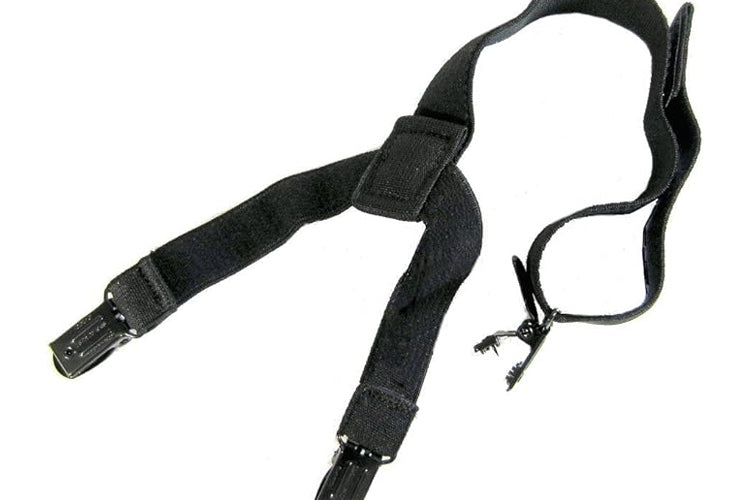
Most tool belt suspenders attach through metal clips, loop-and-buckle hardware, or hook-style gripper clasps that connect to D-rings or fabric loops sewn onto the belt itself. Snap-hook clips are the quickest to attach and remove, loop-through designs tend to stay more secure under heavy movement, and gripper clasps grab onto the belt edge directly without needing a dedicated D-ring.
To attach a new pair, line up the clip or hook with the belt's designated attachment point on each side, snap or thread it into place, and confirm both sides are even before loading tools. Uneven clip placement is one of the quieter causes of the lopsided fit covered under common mistakes below.
Common Mistakes When Wearing A Tool Belt

Overloading: Avoid carrying every tool; only take what's necessary for the task at hand.
Uneven Weight Distribution: Loading one side heavier than the other pulls the whole rig off-center and causes back pain and imbalance over a full shift.
Wearing It Too Low: This can strain the back; it should rest on your hips, with the suspenders doing the work of holding it there rather than gravity.
Not Adjusting Straps Properly: Loose straps can cause the tool belt to shift and sway with every step, which wastes energy and wears out attachment points faster.
Crossing Straps On A Non-Crossback Design: Forcing an X-back adjustment on Y-back (or vice versa) hardware puts uneven pressure on one shoulder instead of two.
Ignoring Maintenance: Regularly check stitching, clips, and buckles for wear and tear before they fail mid-shift.
Should Tool Belt Suspenders Sit In Front Or In Back
The straps themselves should run up the back and over the shoulders, not the front, with the belt itself staying at hip level all the way around. On a Y-back design, the single strap runs straight up the spine; on an X-back or 4-point design, the crossing point usually sits between the shoulder blades, below the base of the neck rather than on top of it. Straps that ride too far forward toward the neck or too far out toward the arms tend to slip off the shoulder during reaching and bending, which is part of why an even, centered attachment point at the back matters as much as the strap length itself.
Tips In Wearing A Tool Belt

Prioritize Tools: Place frequently used tools within easy reach, closest to your dominant hand.
Balance The Weight: Make sure the tool weight is evenly distributed between the left and right sides.
Check Adjustments Regularly: Movement can sometimes cause straps to loosen, especially early in a new pair's break-in period.
Wear Over Appropriate Clothing: Ensure clothing doesn't cause chafing under the tool belt or where the straps meet your shoulders.
Break It In: New tool belts and suspenders can be stiff; wear them around the shop before a full workday to soften them.
Step-By-Step: Getting The Fit Right
- Put the belt on first and set it at hip level, not waist level.
- Clip the suspenders to the belt's D-rings or loops, starting with both sides even.
- Load the belt with your typical tools before final adjustment, since an empty belt fits differently than a loaded one.
- Adjust each strap until the belt sits level and the suspenders carry the weight without digging into your shoulders.
- Do a few squats, bends, and reaches to confirm nothing shifts or slides before you start work.
When To Wear Toolbelt Suspenders
- During long projects.
- When carrying heavier tools.
- If experiencing discomfort with a regular belt.
- On projects requiring a lot of bending and climbing.
Framers, electricians, and plumbers who are on their feet all day tend to see the biggest difference; if that describes your trade, our guide to what a construction worker actually needs from work suspenders goes deeper on strap width and clip type by job type.
Tool Belt Suspenders For Different Trades
The right suspender setup depends heavily on what the belt is actually carrying. Carpenters and framers often run pouches loaded with fasteners, a hammer loop, and a tape holder, and generally do well with an X-back that spreads a moderate, steady load. Electricians tend to carry more small items, such as pliers, wire, testers, and connectors, spread across several small pockets, so the total weight is often lighter and a Y-back can be enough.
Roofers and other trades carrying heavier gear such as nail guns and hatchets, along with plumbers and HVAC technicians who spend a lot of the day bending, climbing, and reaching overhead, tend to benefit most from a 4-point or heavy-duty crossback harness that keeps the rig from sliding forward when leaning. Construction workers moving between tasks throughout the day should prioritize a setup that stays secure and doesn't require constant readjustment between jobs.
Frequently Asked Questions
How Can I Ensure The Proper Fit Of My Tool Belt Suspenders?
Adjust the suspender length according to your height and preference to avoid fit mistakes. The straps shouldn't be too tight or loose; they should comfortably distribute the weight of the tool belt without digging into your shoulders. Load the belt with your usual tools before making final adjustments, since a loaded belt sits differently than an empty one. If you notice the straps digging in after adjustment, see our guide on how to stop suspenders from digging into your shoulders.
What Weight Limit Should I Keep In Mind When Using Tool Belt Suspenders?
Each pair of tool belt suspenders has a weight capacity specified by the manufacturer. Avoid overloading your tool belt with more tools and hardware than that rating allows. Overloading strains the stitching and hardware, leading to discomfort and potential failure. Distribute the weight evenly between both shoulders and treat the manufacturer's rating as a hard ceiling, not a suggestion.
Can I Attach Tool Belt Suspenders To Any Tool Belt?
Not all tool belts are designed to be used with suspenders. Some tool belts have built-in suspender attachment points, while others don't. Choose a tool belt with loops, D-rings, or clip points compatible with suspenders. Using suspenders on a non-compatible belt can lead to improper weight distribution, slipping, and reduced comfort.
Will Tool Belt Suspenders Work With Any Brand Of Tool Belt?
Most tool belt suspenders are built as universal add-ons designed to clip onto D-rings or loop-style attachment points, and many are compatible with belts from major brands such as DeWalt, Milwaukee, Klein, Occidental, Buckaroo, Bauer, ToughBuilt, and Harbor Freight. That said, hardware styles vary between manufacturers, so it's worth checking that a specific belt has compatible attachment points before assuming any pair of suspenders will fit.
Should Suspenders Be Worn Over Or Under A Shirt?
Most tradespeople wear tool belt suspenders over a shirt so the buckles, clips, and adjustment points stay easy to reach and readjust throughout the day. In colder months, some workers wear them over a light base layer instead of bare skin to reduce chafing where the straps cross the shoulders, but wearing them fully under an outer layer makes it harder to check the fit or make quick adjustments on the job.
Conclusion
Tool belts are a staple for anyone regularly working with hand tools. Adding suspenders can enhance comfort and efficiency, especially during long projects or when carrying heavy tools. Avoiding the mistakes above, choosing a belt rated for the load you actually carry, and adjusting the straps correctly are what separate a setup that lasts a full shift from one that leaves your shoulders sore by lunch. Browse our carpenter-pattern work suspenders or heavy-duty work suspenders to find a pair built for daily tool belt use.
