

Whether you are a professional contractor, carpenter, plumber, or a dedicated DIY enthusiast, a tool belt is indispensable for keeping tools organized and within reach throughout the workday. But a standard tool belt worn on its own places all of that weight directly on your hips and lower back, which becomes increasingly uncomfortable over a long project.
Adding tool belt suspenders changes the equation entirely. They transfer a significant portion of that load up to your shoulders, distributing it across your whole upper body and dramatically reducing the strain on your lower half. Studies and user reports consistently confirm the difference: 78.3% of users report less back strain when using tool belt suspenders, and 64.9% of construction workers prefer suspenders for better weight distribution.
If you work in trades or construction and spend hours carrying tools on a daily basis, understanding why and how to use a tool belt suspender properly is one of the most practical investments you can make in your physical comfort and long-term health.
What Is a Tool Belt Suspender and How Does It Work?
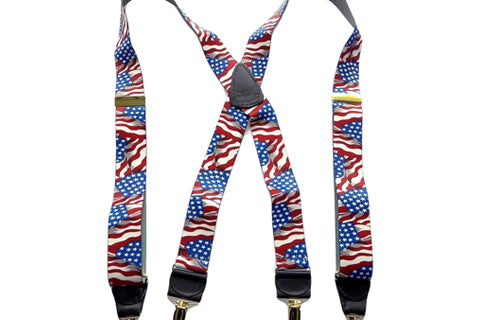
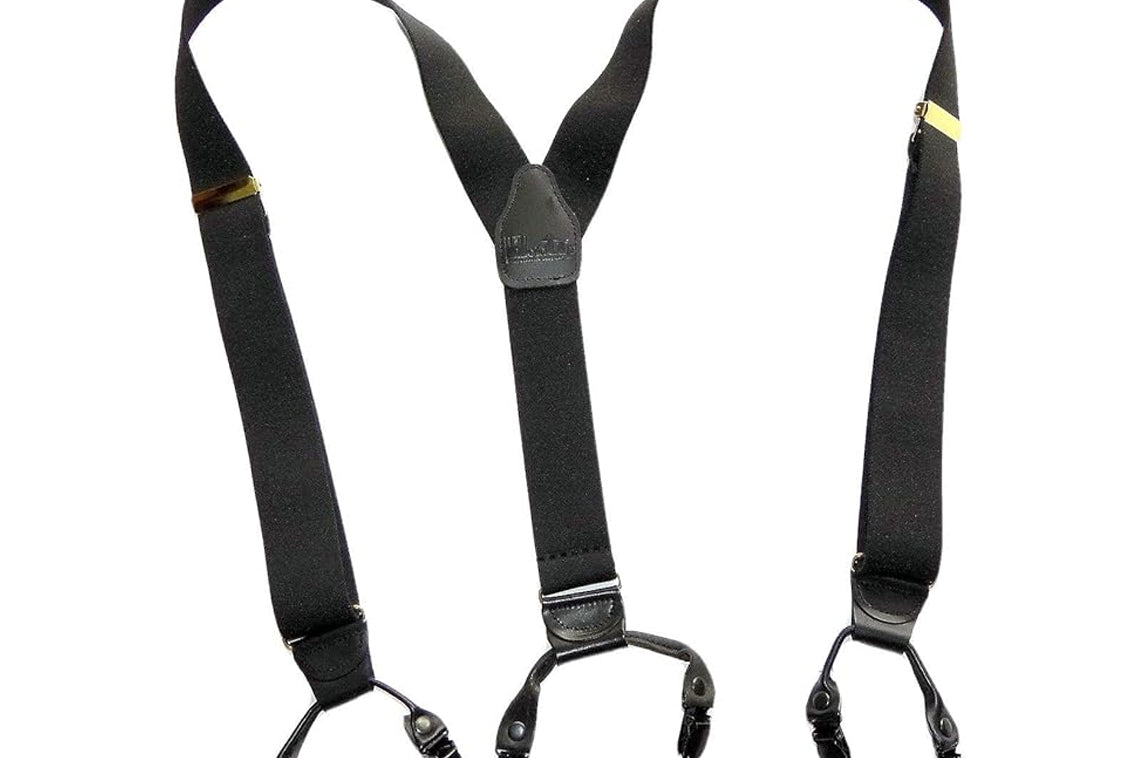
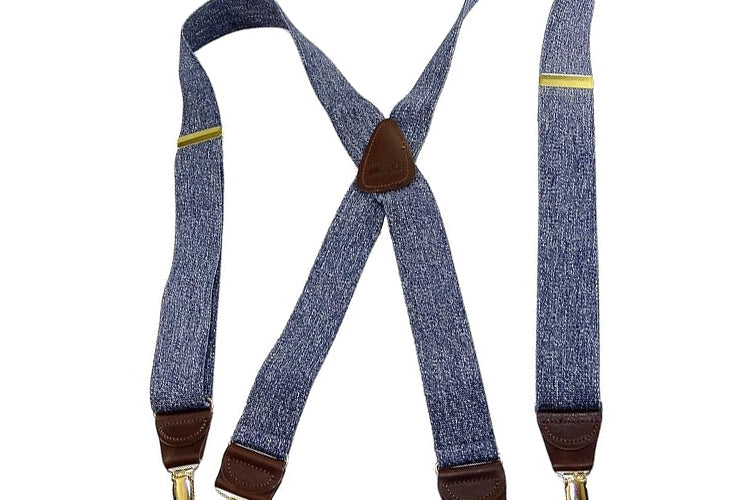
A tool belt suspender is a set of shoulder straps that connects to your tool belt, distributing its weight between your shoulders and hips rather than concentrating it entirely at the waist. Unlike a regular tool belt that rests on your hips alone, the suspender version creates a load-sharing system that engages your upper body to carry the burden. The straps typically cross at the back in an X-back or H-back configuration and clip or attach to both the front and back of the tool belt, creating a stable, secure harness that keeps everything in position throughout a full day of movement.

Tool belt suspenders reduce waist pressure by approximately 42.7%, which is a significant reduction when you consider that a loaded tool belt can weigh anywhere from 10 to 30 pounds depending on what tools and materials it is carrying. The suspenders do not eliminate waist support entirely: the belt still sits at the hips and provides lateral stability. They simply ensure that your waist and lower back are not bearing the full brunt of that weight alone. This shared load system is what makes tool belt suspenders one of the most practical ergonomic accessories available for tradespeople.
Key Benefits of Using Tool Belt Suspenders
Tool belt suspenders combine comfort and practicality, keeping your tools accessible while reducing strain during long workdays.
Improved Weight Distribution Across the Body
The primary benefit of tool belt suspenders is even weight distribution. Without suspenders, a heavy tool belt pulls downward on the hips and lower back, creating a concentrated point of pressure and strain. Suspenders redirect a portion of that load upward to the shoulders and across the upper back, spreading it over a larger surface area of the body. This is particularly important when carrying heavier tools such as drills, hammers, levels, and large quantities of fasteners, where a standard belt quickly becomes uncomfortably heavy without additional support from straps above.
Reduced Back and Hip Strain
Lower back pain is one of the most common occupational health complaints among construction workers, carpenters, and tradespeople. A standard tool belt worn without suspenders forces the wearer to subtly compensate for the imbalanced downward pull on the waist, often leading to altered posture, muscle fatigue, and over time, chronic back and hip strain. Suspenders correct this by providing upward counter-tension from the shoulders, allowing the wearer to maintain a more natural, ergonomic posture throughout the workday. Workers who use tool belt suspenders consistently report less end-of-day fatigue and significantly reduced discomfort in the lower back and hip area compared to wearing a belt alone. Our breakdown of how suspenders affect back health and posture covers the ergonomic mechanics in detail.
Hands-Free Accessibility and Organization
Tool belt suspenders keep the entire tool belt system stable and in position, which directly improves the accessibility of your tools. When a standard tool belt sags or shifts during movement, the tools within it shift too, requiring you to readjust or hunt for items that have rotated out of position. A suspender-supported belt stays anchored, keeping every pouch, pocket, and loop exactly where you placed it. This hands-free accessibility means you spend less time managing your equipment and more time on the work itself, contributing to measurably improved efficiency and productivity on the job.
Prevention of Tool Belt Slippage
One of the most frustrating problems with a heavily loaded standard tool belt is slippage. As the belt fills with tools, its weight causes it to slide downward throughout the day, requiring constant readjustment. This is especially problematic during bending, crouching, climbing ladders, or working overhead, where belt movement can restrict motion and create a safety hazard. Suspenders prevent slippage by holding the belt in place from above, ensuring it stays at the correct position on the hips regardless of the physical demands of the task. Tool belt suspenders are compatible with 92% of standard tool belts on the market, making them an easy addition to almost any existing setup without requiring a full equipment replacement.
Increased Work Endurance
The cumulative effect of better weight distribution, reduced back strain, and improved posture is a meaningful increase in work endurance. Workers using tool belt suspenders can maintain productive activity for longer periods before fatigue sets in. Research and user data indicate that using suspenders increases work endurance by an average of 18.5%. Over the course of a long project, this translates to more work completed, fewer breaks required for discomfort, and a lower risk of the kind of fatigue-related errors that cause accidents on job sites.
Improved Posture and Ergonomics
A tool belt suspender functions similarly to a postural support harness. By creating upward tension from the shoulders that balances the downward weight of the tool belt, it encourages the wearer to stand more upright and maintain the natural curve of the spine throughout the workday. This ergonomic benefit compounds over time: workers who wear suspenders regularly report better overall posture compared to those who rely on a standard belt alone, and the reduced skeletal and muscular compensation required during work lowers the long-term injury risk associated with physically demanding occupations.
When to Wear Tool Belt Suspenders
Tool belt suspenders are not always necessary for light, quick jobs where only a few tools are needed for a short period. They become genuinely valuable in the following situations:
- During long projects that require sustained tool belt wear throughout the day.
- When carrying heavier loads including power tool accessories, large quantities of fasteners, or multiple specialist tools.
- When experiencing discomfort or lower back strain with a standard belt alone.
- On projects that involve frequent bending, climbing ladders, or working in confined spaces where belt slippage is a concern.
- In any context where hands-free stability and consistent tool accessibility directly affect work quality and speed.
Tips for Wearing a Tool Belt with Suspenders
Wearing a tool belt with suspenders correctly ensures even weight distribution, reduces back strain, and keeps your tools within easy reach throughout the day.
Prioritize and Organize Your Tools
Place your most frequently used tools in the positions most accessible to your dominant hand. Organize pouches and pockets so that heavier items sit closer to the center of the belt rather than at the ends, which helps maintain lateral balance. A well-organized belt that is easy to navigate reduces the time spent reaching, searching, and readjusting throughout the day.
Balance the Weight Across Both Sides
Distribute tools so that the weight is roughly even on the left and right sides of the belt. Carrying significantly more weight on one side creates lateral imbalance that the suspenders cannot fully compensate for, resulting in one shoulder and one side of the lower back bearing disproportionate load. Use all available pockets and loops strategically to spread heavy items evenly.
Check Strap Adjustments Regularly
Movement during active work causes suspender straps to loosen over time. Check the adjustment of both straps during natural breaks in the workday and retighten as needed. Loose straps defeat the purpose of the suspenders by allowing the belt to shift and sag, eliminating the weight distribution benefit. A quick 30-second check during lunch or a water break keeps everything in the correct position.
Wear Over Appropriate Clothing
Wear the suspenders over a shirt or base layer that provides enough padding between the straps and your skin to prevent chafing during long hours of wear. A lightweight long-sleeve work shirt is ideal: it protects the shoulders and collarbone area from strap friction without adding excessive bulk under the harness. Avoid wearing suspenders directly over bare skin for extended periods.
Break In a New Belt Gradually
New leather or rigid fabric tool belts can be stiff and uncomfortable when first worn with suspenders. Break them in gradually by wearing them for shorter periods in the first week, allowing the materials to soften and conform to your body shape before committing to full-day wear.
Quality Features to Look For in Tool Belt Suspenders
When choosing tool belt suspenders, focus on durable materials, reinforced stitching, adjustable straps, padded shoulders, and secure fastenings to ensure comfort and long-lasting performance.
Material: Leather, Nylon, and Elastic Options
The material of your tool belt suspenders determines their durability, comfort, and suitability for the conditions you work in. Leather suspenders are the most durable option and develop character over time with use. They provide reliable strength and a classic, professional appearance. Nylon suspenders offer an excellent strength-to-weight ratio, flexibility, and resistance to water and moisture, making them well-suited for outdoor work in variable weather conditions. Elastic blends provide the most comfort and freedom of movement, accommodating a wide range of body positions during active work. Our deep dive into the benefits of 2-inch wide heavy-duty work suspender straps explains why strap width matters significantly for weight-bearing applications.

Width and Padding
For tool belt applications, wider straps are almost always better. 2-inch wide work suspenders distribute the downward load over a larger shoulder contact area, which reduces the digging sensation that narrower straps create under a heavy tool belt. Padded or contoured straps further improve comfort, particularly for work involving climbing or overhead activities where the straps bear more dynamic load. Avoid straps narrower than 1.5 inches for tool belt applications, as they concentrate force on too small an area to be comfortable under a loaded belt for a full working day.
Adjustability for All Body Types
Look for suspenders that are fully adjustable in length along each strap independently. This allows you to customize the fit for your specific torso height, shoulder width, and the rise of your tool belt. Suspenders that only adjust from a single central point do not allow for asymmetrical corrections, which can be necessary for workers with slightly different shoulder heights or uneven tool belt loading patterns. Full individual strap adjustability ensures a consistently ergonomic, balanced fit across a wide range of body types.
Clip and Attachment Quality
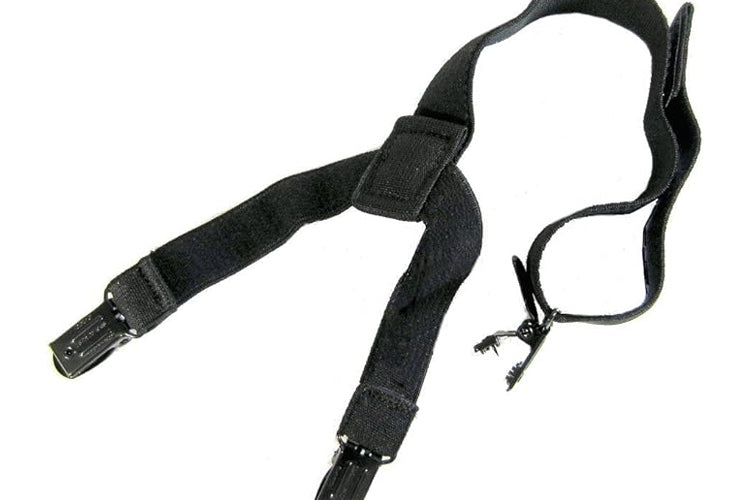
The clips that connect the suspenders to the tool belt are subject to significant stress during active work. Look for heavy-duty metal clips, jumbo no-slip clasps, or gripper clips that hold the belt securely without shifting under load. Contractor-grade suspenders with jumbo no-slip clips are specifically engineered for this kind of heavy-duty application and maintain their grip on belt fabric even during repetitive bending and climbing. Avoid lightweight fashion clip hardware on tool belt applications: it is not rated for the sustained load and will fail under regular worksite conditions.

Construction and Organization Features
Beyond the suspenders themselves, examine the overall construction of the tool belt system. Look for reinforced stitching at all stress points, sturdy D-rings and hardware, and ample pockets organized to suit your specific trade. Some systems include built-in compartments for specific tools, dedicated loops for hammers and tape measures, and phone pockets with protective liners. The best tool belt suspender setups are the ones designed for the specific demands of your role, not generic configurations that require constant workarounds.
Adjustable Fit and Efficient Weight Distribution
To enhance comfort and reduce physical strain during extended wear, a tool belt with suspenders must offer both adjustability and efficient weight distribution. The purpose of suspenders is to share the tool load across your shoulders, relieving pressure from your hips and lower back. Look for suspenders that are fully adjustable in both length and width so you can customize the fit for your body shape and the specific tool belt configuration you are using. Suspenders with ergonomic padding or contoured strap designs further improve all-day comfort for intensive physical work.

Efficient weight distribution within the belt itself is equally important. A well-designed tool belt places pockets and pouches at positions that naturally balance the load, preventing heavy tools from clustering on one side. Some advanced tool belt systems incorporate suspension systems or specialized padding to optimize weight balance and reduce the energy cost of carrying a fully loaded belt throughout a workday. When selecting a tool belt with suspenders, prioritize both adjustability and weight distribution design to ensure an ergonomic setup that supports maximum productivity without sacrificing comfort
Work Suspenders vs. Standard Tool Belts: Which Setup Is Right for You?
A standard tool belt without suspenders is adequate for short jobs, light loads, and tasks where you are not moving or bending frequently. For professionals who wear a tool belt for hours at a time, carry substantial loads, or work in physically demanding positions, a suspender-supported setup is not just preferable but genuinely necessary for sustained comfort and safety. Our comparison of work suspenders versus standard tool belts breaks down the specific scenarios where each approach performs best, helping you make the right call for your working context.
The difference between a belt-only setup and a suspender-supported one becomes most apparent after the third or fourth hour of continuous wear. Workers who make the switch consistently describe the feeling as moving from carrying their tools to wearing them: the weight becomes part of the body's posture rather than an external burden pulling downward on a single point.
Tool Belt Suspenders for Different Trades and Roles
Different trades have different requirements for tool storage, weight, and movement patterns, and the best tool belt suspender setup varies accordingly.
Carpenters and Framers
Carpenters require tool belts that accommodate a wide variety of hand tools: hammers, chisels, measuring tape, nail sets, pencils, and multiple fastener types. Look for suspender tool belts with multiple dedicated pouches and hammer loops, wide load-bearing straps, and hardware rated for the combined weight of a full carpentry setup. Leather belts are a long-standing preference in this trade for their durability and the way they conform to the body over years of use.
Electricians and HVAC Technicians
Electricians and HVAC technicians often work in tight spaces, on ladders, and in overhead positions where belt slippage creates a real safety concern. Suspenders keep the belt anchored during these positions, allowing full concentration on the task without constant readjustment. HVAC technicians benefit from adjustable compartments for gauges, thermometers, and various-sized wrenches, with suspender straps that allow free arm movement when reaching into equipment.
Plumbers
Plumbing work frequently involves kneeling, crouching, and working under fixtures, all of which create lateral and downward force on a standard belt. Suspenders stabilize the belt during these movements and prevent it from pulling away from the waist when the body bends forward. Look for reinforced loops and pockets rated for the weight of plumbing wrenches and pipe cutters.
Painters and Landscapers
Painters benefit from suspender tool belts with specialized loops for brushes, rollers, and putty knives that keep fragile tools from rattling against harder equipment. Landscapers working in outdoor conditions should prioritize nylon or canvas construction for its moisture resistance and easy cleaning. Both trades benefit from the improved mobility and hands-free organization that a properly fitted suspender setup provides throughout a working day.
Common Mistakes When Wearing a Tool Belt with Suspenders
Knowing what to avoid is as important as knowing what to do. Most comfort and injury problems with tool belt suspenders come from avoidable setup errors. For a comprehensive look at all the specific errors and how to correct them, our guide on avoiding common mistakes when using tool belt suspenders covers every scenario in detail.
Overloading the Belt
Carrying too many tools or unnecessary items leads to excessive weight that even suspenders cannot fully compensate for. Overloading causes discomfort, accelerates wear on the belt and suspender hardware, and hinders mobility and efficiency. Prioritize your tools based on the specific task at hand and only carry what you need for that stage of the project. Return unused tools to a toolbox or bag rather than keeping them on the belt all day.
Ignoring Weight Distribution
Failing to balance the weight across both sides of the belt creates lateral imbalance that the suspenders translate into unequal shoulder tension, straining one side of the upper back and one hip more than the other. Arrange tools deliberately so that heavier items are spread evenly, and use all available pockets rather than concentrating tools in a single pouch.
Wearing the Belt Too Low or Too High
A belt positioned too low on the hips sags under the load and causes lower back strain even with suspenders. A belt positioned too high restricts movement and causes the suspenders to pull upward at an uncomfortable angle. The belt should sit at the natural hip line, tight enough to stay in position without restricting movement or breathing. Suspenders should pull upward at a slight angle, not straight up, which indicates the correct relative positioning of belt and straps.
Not Adjusting Straps Properly
Loose or improperly adjusted suspenders allow the tool belt to shift, eliminating the weight distribution benefit and creating imbalance. Over-tightened suspenders restrict breathing, limit shoulder mobility, and dig into the collarbone area during overhead work. Adjust both straps to the same tension before starting work and check them again after the first hour, as straps settle into their final position once load is applied and movement begins.
Neglecting Maintenance
Regular inspection and maintenance of both the tool belt and suspenders is essential for safety and longevity. Check clips and hardware for wear, rust, or deformation at the beginning of each week. Inspect stitching at high-stress attachment points and repair or replace before failure occurs. Condition leather components regularly to prevent cracking and stiffness. Clean nylon and fabric components according to manufacturer instructions to prevent deterioration from sweat, oils, and construction debris.
Frequently Asked Questions
Why use a tool belt suspender?
Tool belt suspenders distribute the weight of your tools across your shoulders and upper back rather than concentrating it entirely on your hips and lower back. This reduces strain, improves posture, prevents belt slippage during active work, and allows you to carry a heavier load for longer periods without discomfort. 78.3% of users report less back strain when using tool belt suspenders, and they reduce waist pressure by approximately 42.7%. For anyone who wears a tool belt for extended hours or carries substantial loads, suspenders are one of the most practical ergonomic additions available.
Can a tool belt suspender reduce back pain?
Yes. Tool belt suspenders reduce lower back pain by transferring a significant portion of the tool belt's weight from the hips and waist up to the shoulders, relieving the concentrated downward pressure on the lower spine that a standard belt creates. They also encourage better posture by providing upward counter-tension that helps the wearer stand more upright during extended periods of work. Workers who switch from a standard belt to a suspender-supported setup consistently report reduced end-of-day back and hip discomfort.
Do tool belt suspenders prevent the belt from slipping?
Yes. This is one of the most immediately useful benefits of tool belt suspenders. A heavily loaded standard belt pulls downward throughout the day and slips out of position during bending, crouching, and climbing. Suspenders hold the belt in place from above, maintaining its position at the correct hip height regardless of movement. This is particularly important for workers who frequently work on ladders, in overhead positions, or in confined spaces where belt slippage creates both discomfort and a safety concern.
Are tool belt suspenders adjustable for different body types?
Yes. Quality tool belt suspenders feature individually adjustable straps that allow you to customize the length and tension for your specific torso height, shoulder width, and the configuration of your tool belt. This individual adjustability is important because it allows you to correct for asymmetric loading patterns or slight differences in shoulder height. Look for suspenders with full-length adjustment slides on each strap rather than a single central adjuster, which provides more precise, personalized fit control.
How do suspenders distribute weight from a tool belt?
Tool belt suspenders connect to the belt at multiple points and run upward over the shoulders, creating upward tension that counteracts the downward pull of the tools. This creates a shared load system where the weight is carried partly by the hips through the belt and partly by the shoulders through the straps, spreading the total load across a larger surface area of the body. The X-back or H-back crossing configuration also provides lateral stability that prevents the belt from rotating or shifting to one side during movement.
What width of suspender strap is best for a tool belt?
For tool belt applications, wider straps of 1.5 to 2 inches are strongly recommended. Wider straps distribute the downward load over a larger shoulder contact area, preventing the digging and pressure point discomfort that narrower straps create under a heavy belt. Padded or contoured straps further improve comfort for long workdays and dynamic work involving climbing or overhead activities. Avoid straps narrower than 1.5 inches for regular tool belt use, as they concentrate force too heavily on too small an area to be comfortable under sustained load.
Are tool belt suspenders compatible with all tool belts?
Tool belt suspenders are compatible with approximately 92% of standard tool belts on the market. Most designs use heavy-duty clips that attach to the belt fabric or built-in attachment loops, making them a straightforward addition to almost any existing tool belt without requiring a complete equipment replacement. Some premium tool belt systems include integrated suspender attachment points specifically designed for their own suspender accessories, which provide the most secure and balanced connection.
What materials are best for tool belt suspenders?
Leather, nylon, and heavy elastic blends are the most common and practical materials for tool belt suspenders. Leather offers maximum durability and develops a personalized fit over time with use, making it the preferred choice for professionals who wear their setup daily. Nylon provides excellent strength-to-weight ratio, water resistance, and easy cleaning, well-suited for outdoor trades and variable weather conditions. Heavy elastic blends offer the most comfort and freedom of movement for physically demanding work. Hardware quality is equally important: look for jumbo no-slip metal clips or gripper clasps rated for heavy-duty worksite applications.
Can wearing suspenders increase my productivity on the job?
Yes. Using tool belt suspenders increases work endurance by an average of 18.5%, which directly translates to more productive output over a full workday. The combination of reduced physical fatigue, improved posture, stable tool positioning, and consistent hands-free accessibility means less time spent managing equipment and more time focused on the actual work. Workers who switch to a suspender-supported tool belt setup typically report being able to sustain higher output for longer before needing rest breaks compared to using a standard belt alone.
How do I attach tool belt suspenders properly?
Begin by putting on the tool belt at your natural hip line and loading it with your tools. Then attach the suspender clips to the front and back of the belt at evenly spaced positions, typically at the sides and center back. Pull the straps up and over both shoulders, adjusting each strap independently until the belt sits at the correct hip position and the straps rest flat across your shoulders without digging in. The straps should pull upward at a slight forward angle, not straight up, which indicates the correct belt-to-shoulder geometry. Test the fit by bending, crouching, and raising your arms to confirm full freedom of movement without belt shift or strap slip.