

If you've had abdominal surgery or live with chronic digestive sensitivity, the clothing you wear matters more than most people realize. A tight belt presses directly against your midsection, creating sustained pressure on a surgical site, an ostomy, or an already-irritated digestive tract. Suspenders eliminate that pressure entirely by moving the support point from your waist to your shoulders. The result is a cleaner recovery experience, more consistent comfort throughout the day, and pants that stay in place without any contact with your abdomen at all.
Why Belts Are a Problem for Sensitive Abdomens
A belt does more than hold your pants up , it applies continuous circular pressure around the widest part of your midsection. For most people, that's a minor inconvenience. For anyone with post-surgical sensitivity, IBS, hernia recovery, acid reflux, or an ostomy, that same pressure can trigger pain, restrict breathing, slow digestion, and interfere with wound healing.
The issue isn't just comfort. Tight waistbands compress the abdominal aorta, reducing blood flow to the pelvis and lower limbs. This restricted circulation limits oxygen delivery to healing tissue, exactly when your body needs that blood flow most. Studies on abdominal compression following surgery have consistently shown that reducing waistband pressure reduces both pain scores and reliance on pain medication during early recovery.
For men with larger midsections managing any of these conditions, keeping pants up with a big belly without resorting to a tight belt is a real practical challenge , and suspenders are the direct solution.

How Suspenders Reduce Post-Surgical Pain
Research supports the use of abdominal compression garments following surgery, with one randomized controlled trial showing a 30% reduction in pain within the first 48 hours post-procedure among patients using abdominal binders. The mechanism isn't compression itself , it's uniform support that reduces tissue movement. Suspenders work on the same principle from the opposite direction: rather than compressing from outside, they take all lateral waistband pressure off the surgical area completely.
In studies tracking cesarean and abdominal surgery patients, those who used supportive garments on days 1, 4, and 7 reported significantly lower pain scores and better wound healing outcomes compared to those without support. Suspenders accomplish this by holding trousers at the correct height without any direct contact with the incision site, allowing patients to wear looser, softer waistbands that don't disturb healing tissue.
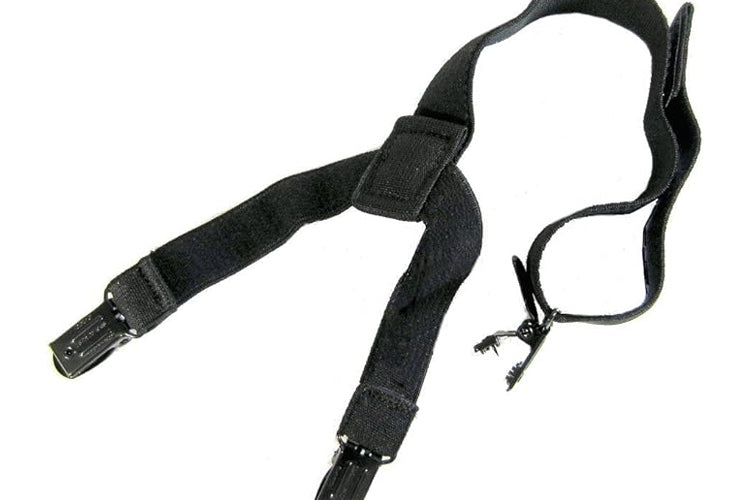
Soft elastic suspenders , the kind that feel more like an ace bandage than a rigid strap , are particularly appropriate during early recovery. Undergarment suspenders worn beneath your shirt are an especially good fit in this context because they stay completely hidden and allow the loosest possible clothing choice over the top.
Circulation and Oxygen Delivery: Why This Matters During Recovery
When a belt mimics a tourniquet effect around the midsection, it doesn't just cause discomfort , it can elevate tissue pressure and restrict the blood flow that healing requires. Suspenders break this pattern by allowing looser pants and removing all waistband compression. The circulatory benefits include improved blood flow to the pelvis and lower limbs, better venous return, and enhanced oxygen delivery to nerve tissue , all of which directly support healing.
Posture plays an interconnected role here. Shoulder straps naturally encourage an upright stance, which aligns the skeletal structure and reduces the circulatory impediments that come from slouching forward in a chair. Better posture means less internal organ compression and more efficient blood flow to the abdomen , a compounding benefit for anyone in recovery.
For men concerned about whether suspenders could create any new issues alongside these benefits, whether suspenders cause back pain addresses that question directly. The short answer: properly fitted suspenders reduce back strain rather than causing it, because they remove the forward-pulling weight of sagging pants.
Swelling, Fluid Management, and Post-Operative Comfort
Post-surgical swelling presents a specific problem with belts: the fixed circumference of a waistband doesn't accommodate day-to-day changes in abdominal size. As swelling fluctuates , which is normal and expected during recovery , a belt that fit in the morning may feel painfully constricting by afternoon. Suspenders adjust through the straps only, meaning the waistband can be worn at whatever tightness is comfortable regardless of swelling level.

This adaptability also matters for fluid management. Reduced constriction on abdominal veins improves venous return and helps prevent splanchnic venous pooling, which contributes to post-operative swelling. Abdominal binders used in clinical settings work partly through even pressure distribution that prevents fluid accumulation , suspenders create similar conditions by keeping waistband pressure minimal and consistent.
Men with ostomy bags or similar medical considerations gain a particular advantage: suspenders impose no clothing restrictions whatsoever around the stoma site, reducing both physical discomfort and the logistical difficulty of getting dressed during recovery.
Core Engagement and Skeletal Alignment Benefits
Belts and tight pants do something subtle that most people never notice: they partially outsource core stability to the waistband, which reduces the natural engagement of your abdominal and pelvic floor muscles. During recovery from abdominal surgery, when core muscles are already weakened and need gradual reactivation, this outsourcing can slow the process of rebuilding functional strength.
Suspenders allow the core to function naturally. Without a belt holding everything rigid, the abdominal muscles, diaphragm, and pelvic floor manage intra-abdominal pressure through their own dynamic balance , which is exactly what physical therapists encourage during post-surgical recovery. Looser pants with no rigid waistband also allow internal organs to return to their natural positions, which improves digestive comfort and reduces the sensation of internal pressure.
The benefits of wearing suspenders under your shirt extend into this area as well. Undergarment styles keep everything completely discreet while still allowing the natural core function that accelerates recovery.
Choosing the Right Suspenders for Recovery or Sensitive Conditions
Not all suspenders are equally suited for medical or comfort-focused use. The key factors for sensitive abdomen situations are material softness, clip security, and back configuration.
-
Material: Soft elastic , the kind used in undergarment suspenders , is the best choice for extended daily wear. It moves with the body, doesn't create friction points, and doesn't require any rigid hardware near the midsection. For general daily use outside of acute recovery, elastic versus leather suspenders covers how each material performs over time in terms of durability and comfort.
-
Back configuration: X-back suspenders distribute weight across both shoulders and the full upper back, which provides the most even load distribution for all-day wear. Y-back styles are more traditional and lie flatter under a jacket, but concentrate more tension at the single rear attachment point. For recovery or extended daily wear where comfort is the priority, the benefits of X-back suspenders for daily wear explains why that configuration works better for sustained use.
-
Sizing: A proper fit is essential , suspenders that are too short will pull uncomfortably at the shoulders, while those too long won't hold trousers properly. Measure from your front waistband, over your shoulder, to your rear waistband. Standard lengths run 42 inches for most men up to 5'9", 48 inches for 5'10"–6'2", and 54 inches for 6'3" and above. For a full walkthrough of getting the fit right, how to adjust suspenders covers both length adjustment and daily wearing technique.
Practical Advantages Over Belts for Everyday Use
The advantages of suspenders for sensitive abdomens extend well beyond the immediate post-surgical window. For anyone with chronic digestive conditions, a larger midsection, or ongoing abdominal sensitivity, these benefits apply every single day.
Acid reflux and heartburn symptoms are directly worsened by intra-abdominal pressure , the same pressure a tight belt creates. Wearing suspenders reduces this pressure consistently, not just in moments of discomfort. Digestive comfort improves because nothing is constricting the stomach or intestines from the outside. And because suspenders accommodate weight fluctuations through strap adjustment rather than hole position, there's no need to constantly readjust as your body changes throughout the day or across seasons.
Survey data from suspender wearers shows 87.5% report less pain in their hips, back, and stomach compared to belt use. That's not a minor improvement , for people managing real medical conditions, it's a meaningful quality-of-life difference built into something as simple as how you hold your pants up.
Frequently Asked Questions
Can suspenders actually help with post-surgery recovery?
Yes, and the evidence is well-documented. Clinical studies on abdominal binders , which work on the same principle as suspenders by removing waistband pressure from the midsection , show a 30% reduction in post-operative pain within the first 48 hours. Suspenders specifically help by eliminating all direct pressure on the surgical site, allowing looser clothing, and supporting better circulation to healing tissue. They also accommodate post-operative swelling without any adjustment, since the waistband can be worn as loosely as needed. For best results during acute recovery, choose soft elastic undergarment suspenders that won't create any new pressure points.
Are suspenders better than belts for people with acid reflux or digestive issues?
Yes, for most people with these conditions. Acid reflux is worsened by increased intra-abdominal pressure, and a tight belt raises that pressure every time you sit, eat, or bend forward. Suspenders remove all waistband constriction entirely, which reduces the external pressure pushing stomach contents toward the esophagus. Looser pants also allow the stomach and intestines to sit in their natural positions without compression from the waistband above. Many gastroenterologists already advise patients to avoid tight waistbands , suspenders are the most practical way to follow that advice while still keeping pants properly fitted.
What type of suspenders are best for someone with a sensitive abdomen?
Soft elastic undergarment suspenders are the best choice for sensitive abdomens. They're worn beneath the shirt, use gentle elastic that moves with the body, and have no rigid hardware anywhere near the midsection. X-back configurations distribute weight evenly across both shoulders, preventing any single pressure point from becoming uncomfortable. Look for suspenders made from latex-free elastic if you have skin sensitivities, and choose plastic hardware over metal clips if you're concerned about skin reactions. Flesh-tone options stay invisible even if your shirt shifts, which is useful both aesthetically and practically during recovery when dressing may be difficult.
Can suspenders help with posture after abdominal surgery?
Yes, in a meaningful way. Shoulder straps naturally encourage an upright posture by providing a gentle vertical tension that counteracts forward slumping. This alignment reduces internal organ compression, improves diaphragmatic breathing, and supports the core muscle reactivation that physical therapists encourage after abdominal surgery. Unlike posture braces, suspenders achieve this without adding any compression around the torso , they guide rather than force the body into alignment. This is particularly beneficial during the weeks when core muscles are still rebuilding strength and the body needs gentle structural support rather than restriction.
How do you wash and care for suspenders used for medical or daily comfort purposes?
Soft elastic suspenders used for daily comfort should be hand washed with mild detergent in cool water and air dried flat. Machine washing can stretch the elastic and degrade the no-slip clip mechanisms over time, shortening the lifespan significantly. Avoid wringing the elastic , press excess water out gently and lay flat to dry. For suspenders with leather components, use saddle soap for spot cleaning and follow with a leather conditioner to prevent cracking. Proper care maintains the elasticity that makes soft suspenders comfortable, ensuring they continue to provide gentle, consistent support without sagging or losing their hold. Washing and drying suspenders has a full step-by-step breakdown for different materials and hardware types.