
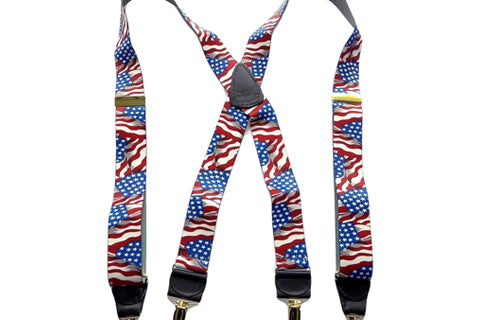
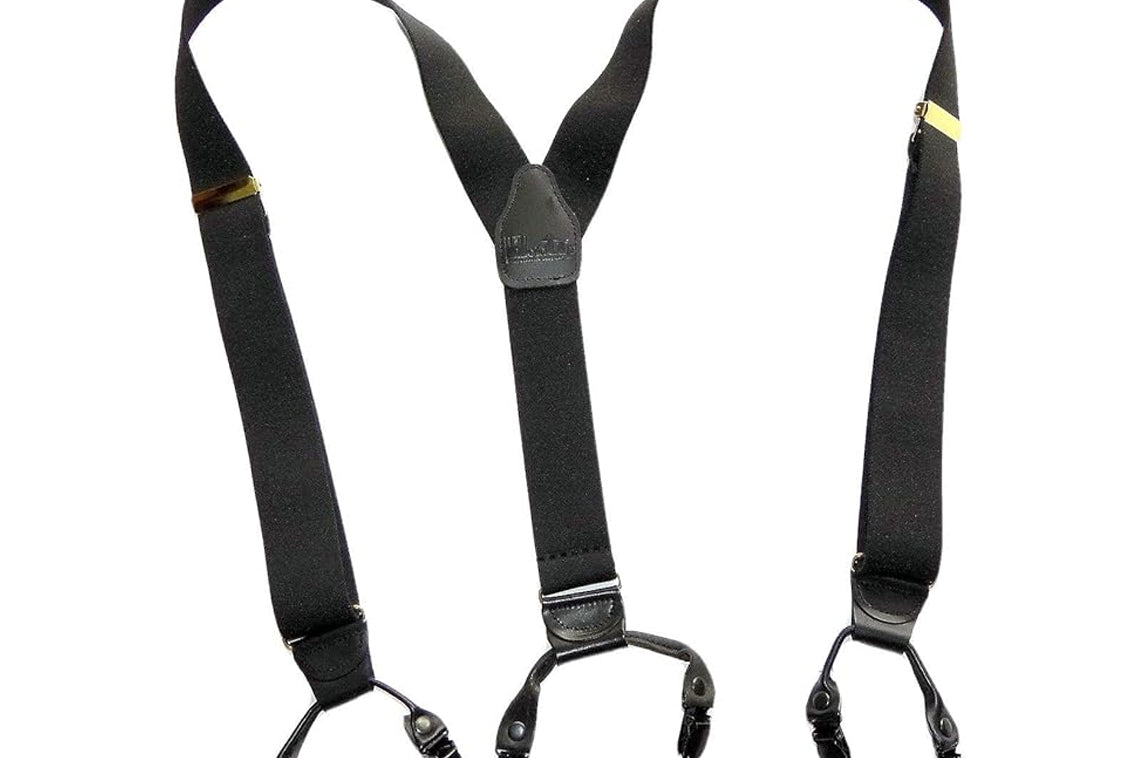
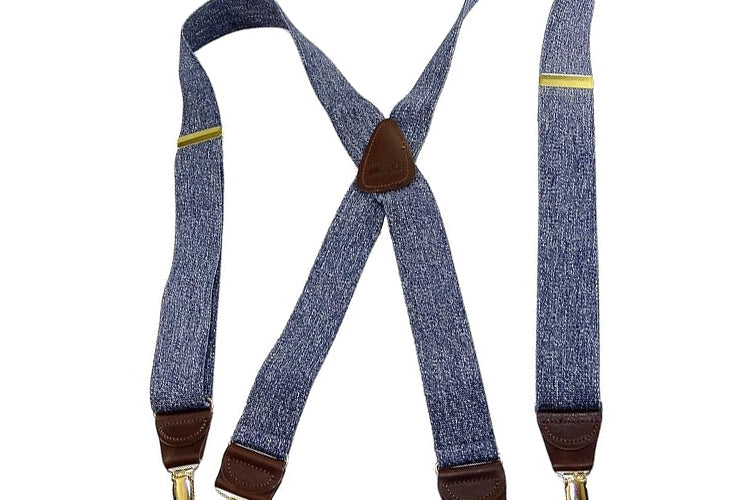
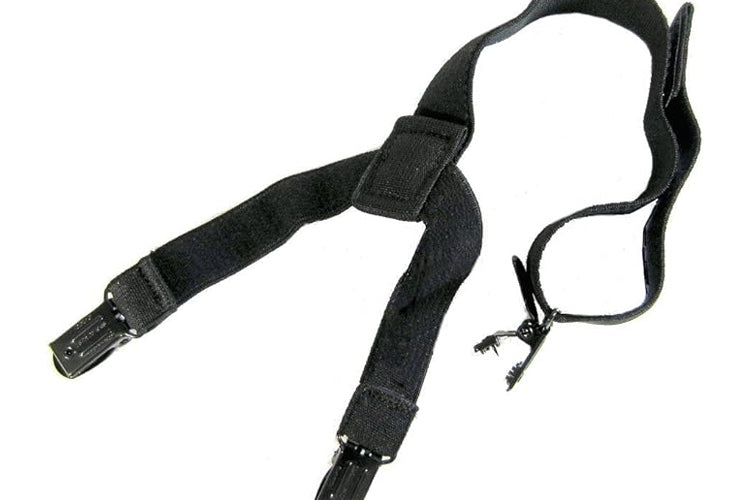

Duty belt suspenders are shoulder straps that carry part of the weight of a loaded equipment belt, moving some of that load off the waist and onto the shoulders and upper torso. They matter because a fully equipped duty belt concentrates a substantial amount of weight in a narrow band around the hips, and that pressure sits there for the length of a shift.
This guide is written for police officers, security personnel, and others in law enforcement roles, and covers what duty belt suspenders do, what the available evidence supports, the difference between under-uniform and external designs, how attachment methods vary, and how to check fit and compatibility. Two points shape everything that follows.
First, results depend on the belt, the equipment layout, the total weight carried, and how well the straps are adjusted. Second, agency uniform policy decides what is permitted, and that varies from department to department. If you are comparing carry methods more broadly, our look at duty belt weight distribution covers that side in more detail.
 What Duty Belt Suspenders Are
A duty belt suspender, sometimes called a duty belt suspension system, is a pair of adjustable shoulder straps, usually joined at the back in an X or Y shape, that connects to the waist and transfers part of the load upward. In law enforcement, the equipment belt itself is often called a duty belt or utility belt interchangeably.
The principle is the same one behind any suspender, since a belt alone holds weight by friction and compression against the waist while shoulder straps hang weight from a larger area of the body. The section on arranging equipment below covers the day to day side of that setup.
The practical difference for uniformed work is scale. A civilian belt holds trousers. A duty belt holds trousers plus a holster, ammunition, handcuffs, a radio, a flashlight, spray, gloves, and often a baton or electronic control weapon. In one police department evaluated by NIOSH, that standard equipment came to roughly 20 pounds on a 2.25 inch leather belt, worn on top of an internal ballistic vest for the whole shift.
Duty Rig Suspenders and Pant Suspenders Are Not the Same Product
This distinction gets blurred constantly online, and it changes what you should buy.
- Duty rig suspenders attach directly to the duty belt itself, usually through belt keepers or dedicated loops, and carry the belt and its equipment.
- Pant suspenders clip to the trouser waistband and carry the trousers. The duty belt still rides on the hips, but the trousers stop being dragged down by it, which removes one source of the constant hitching and readjusting.
Both approaches are used by officers. Holdup Suspender Company makes the second kind: heavy duty clip attached pant suspenders, including hidden undergarment styles worn beneath a uniform shirt. We do not manufacture belt keeper mounted duty rig suspenders, and it would be misleading to suggest otherwise.
If your goal is to unload the duty belt itself, you need a product designed to attach to the belt. If your goal is to stop a heavy belt from pulling your trousers down and to take some weight off the waistband, a heavy duty pant suspender is the relevant option, and our heavy duty suspenders buyer guide compares those directly.
Why a Loaded Duty Belt Becomes Uncomfortable
Three things stack up over a shift. Weight sits in a narrow ring around the waist and hips rather than spreading across the body. Hard items press into the body when seated, particularly in a patrol vehicle. And the belt tends to migrate downward as the day goes on, which pulls the trouser waistband with it.
Low back discomfort is common in this population. In the NIOSH evaluation cited above, 48 percent of the 52 officers interviewed reported low back pain in the previous three months. That figure describes one department at one point in time and does not establish that duty belts caused the pain.
NIOSH itself notes that contributing factors likely include total weight carried, how that weight is distributed, time spent seated in a vehicle, and the physical demands of the job, and that separating those factors is difficult.
 How Duty Belt Suspenders Distribute Weight
Shoulder straps do not reduce the total weight you carry. They change where it presses. Part of the load moves from the waistband and hips to the shoulders, upper back, and chest, which spreads the same mass over more surface area and reduces how much of it hangs from a single narrow band.
What follows from that is modest and practical. Belt sag can decrease, because the belt is being held up rather than resting on the hips alone. Constant hitching and readjusting can decrease for the same reason. Some wearers report better comfort across a long shift. Some do not, and some find that shifting weight to the shoulders trades one pressure point for another.
What the Research Actually Shows
Evidence here is limited, and anyone claiming otherwise is overselling. In its evaluation of low back pain in police officers, NIOSH noted that suspenders were recommended in the ergonomics literature because they can distribute weight over the shoulders and chest, and cited a Canadian Police Research Centre evaluation of a duty belt suspender that found a noticeable reduction in reported discomfort among users. In the department NIOSH studied, one officer wearing internal suspenders reported reduced low back pain, as did two officers using external duty vests.
Those are small numbers and self reported outcomes. NIOSH also concluded that few formal studies have compared equipment wear configurations against the occurrence of low back pain, and recommended more research. Separately, a study of Swedish officers found that a load bearing vest reduced lower back pressure compared with a duty belt while increasing upper back pressure, which illustrates the general trade off: moving load upward helps one area and adds to another.
The honest summary is that redistributing load is a sound ergonomic principle, that some users report meaningful comfort improvements, and that suspenders are not a treatment for back pain. If you have persistent pain, numbness, or tingling, that belongs with a healthcare provider or your agency's occupational health service, not with a gear purchase. We cover the related question of whether suspenders themselves can cause back pain separately.
Types of Duty Belt Suspenders
 Configuration matters more than brand claims, and the right one depends on your uniform rules as much as your preference.
Under-Uniform and Concealed Styles
Concealed suspenders are worn beneath the uniform shirt and are not visible in normal wear, an approach we cover generally in our piece on under the shirt suspenders. Departments that restrict visible non standard items often permit these, and the NIOSH report describes internal suspenders as one of the assist devices officers in that department used.
Holdup's Under-Ups undergarment range is built for this: soft dense weave straps designed to sit against the skin, with a hook and loop length adjustment system instead of bulky plastic adjusters, which keeps the profile flat under a shirt. The 2 inch all black hidden pair attaches with four gripper clasps, while the hip clip version attaches at the sides with two clasps, which some wearers prefer for restroom access.
One consideration specific to this work: metal hardware. Officers who pass through detectors at courthouses, detention facilities, or secure buildings sometimes prefer non metallic hardware. Holdup's No-Buzz series uses composite plastic clasps and adjusters with no metal parts for that reason.
External Styles
External suspenders are worn over the uniform shirt and are visible. They are easier to adjust mid shift and easier to remove, but they are also more likely to require approval. In the department NIOSH evaluated, officers needed a medical necessity waiver from a healthcare provider before they were permitted to wear external suspenders. That is one department's rule rather than a universal one, but it shows why the policy question comes before the purchase.
Visibility carries another consideration that officers raise regularly, which is that exposed straps are something another person can grab. Weigh that according to your role, your assignment, and your department's guidance. For police specific considerations, see our article on police suspenders.
Attachment and Release
Attachment method determines what a suspender can connect to. Belt keeper loops connect to the duty belt. Clips and clasps connect to a waistband. Holdup uses two systems: patented metal no-slip clips with a center pin, and composite plastic gripper clasps that are cam activated, meaning grip increases as pull increases.
Four point styles attach at four points around the waistband and spread load more evenly; two point hip clip styles attach at the sides and are quicker to release. If clasp mechanics are new to you, our explainer on how a suspender clip works covers the difference. Back shape matters too, and the trade offs are set out in X-back versus Y-back suspenders.
On quick release specifically, be precise about what you are buying. Some products include a dedicated quick release buckle and some do not. Do not assume a release feature exists because a listing uses the phrase. Check the product page and confirm that any release method meets your agency's requirements for emergency removal.
Checking Compatibility Before You Buy
 Compatibility depends on your belt, your armor, your uniform, and your policy, in that order of practicality.
- Belt width and type. Duty belts commonly run 2 to 2.25 inches. Keeper mounted suspenders must match your belt and keeper configuration. Waistband clips must be able to close on your trouser waistband thickness.
- Body armor. An internal vest sits between your body and a concealed suspender, which changes strap routing and comfort. An outer carrier adds bulk over the shoulders where the straps already sit. Test both together before committing to a configuration.
- Uniform shirt. Concealed straps need a shirt cut that accommodates them without visible ridging. A tucked shirt behaves differently from an untucked one.
- Department policy. Check the written uniform standard, and if it is silent, ask rather than assume. NIOSH found that officers in the department it evaluated were frequently unclear about what was permitted and when a waiver was needed, which is a common gap.
- Equipment access. Straps must not sit where they block reach to anything on the belt.
Duty Belt Suspenders for Police and Law Enforcement
Duty belt suspenders come up most often in law enforcement, where "duty belt" and "utility belt" both describe the same equipment belt worn on patrol. Police officers are the largest group asking about this gear, but the same weight distribution problem applies to corrections and detention officers, security officers, and EMS personnel who wear a similarly loaded belt for a full shift.
For police and law enforcement specifically, the deciding factor is almost always department policy rather than personal preference. Some agencies name suspenders directly in the uniform manual, some require a waiver as the NIOSH evaluation above describes, and some are silent on the question entirely. Before you compare styles, check whether your agency's policy addresses duty belt suspenders by name, and if it does not, ask your supervisor or uniform coordinator rather than assuming a concealed style is automatically allowed.
Officers working in courts, jails, or other secure facilities should also weigh the metal detector question covered above, since that consideration is specific to law enforcement and correctional settings in a way it is not for most other duty belt suspender wearers.
Comparing Your Duty Belt Suspender Options
There is no single best duty belt suspender. The right combination depends on what your department allows, what your belt weighs, and how you prefer to put the suspenders on and take them off. These are the main dimensions to compare before you buy:
| Consideration | Options | Depends On |
|---|---|---|
| What it attaches to | Belt keeper duty rig vs. waistband clip pant suspenders | Whether you want to unload the belt itself or stop it pulling your trousers down |
| Visibility | Concealed Under-Ups vs. external | Department policy first, personal preference second |
| Hardware | Metal no-slip clips vs. non metallic No-Buzz clasps | Whether you pass through metal detectors regularly |
| Back shape | X-back vs. Y-back | Personal fit and shoulder comfort, covered in our X-back versus Y-back suspenders guide |
| Attachment points | Four point vs. two point hip clip | More even load distribution versus a quicker release |
Answer these five questions first, then use the selection checklist below to narrow down a specific pair.
Selection Checklist
Work through these before ordering:
- Belt width and attachment method, matched to what the suspender actually connects to
- Strap width, since wider straps spread pressure across the shoulder, as covered in our note on 2 inch wide heavy duty straps
- Length range against your height and torso length, including extra long options for taller wearers
- Under uniform or external, decided by policy first and preference second
- Metal or non metallic hardware, if you pass through detectors
- Elastic or non elastic webbing, depending on whether you want give or a fixed length
- Hardware and stitching quality at the attachment points, which is where failures start
- Adjuster type and whether it sits flat under a shirt
- Release method and whether it satisfies emergency removal requirements
- Care instructions, checked before the first wash rather than after
- Return and guarantee terms, confirmed on the product page at the time of purchase
For visible or off duty work wear, the 2 inch graphite black X-back pair with gripper clasps and the shadow black pair with jumbo no-slip clips are the heavy duty options in a plain black finish. Taller wearers should look at the XL graphite black version, which runs to a 54 inch length. If you want a strap that does not stretch, the black industrial non elastic pair is the alternative.
How to Wear Duty Belt Suspenders

In short: attach the suspenders to your belt or waistband following the manufacturer's instructions, adjust both sides evenly so the load sits square on your shoulders, and check the fit again once the belt is fully loaded. That is the core of any duty belt suspension system, whether it is a concealed under-shirt pair or a visible external one. The full step-by-step process, including how to check fit with body armor and a loaded belt, is below.
Fitting and Adjusting
Fit is where most of the benefit is won or lost. Manufacturer instructions take priority over any general guidance, including this.
- Start with the belt unloaded or lightly loaded so you are adjusting against a manageable weight.
- Attach each point according to the product instructions, front points first, then rear.
- Adjust both sides evenly. Uneven straps are the most common cause of one sided shoulder pressure.
- Keep the belt at its intended position rather than pulling it upward with the straps.
- Snug, not tight. Straps that dig into the shoulders or restrict the chest are over tightened.
- Test sitting, standing, walking, bending, and getting in and out of a vehicle seat.
- Confirm every item on the belt is still reachable without the straps interfering.
- Reload the belt and recheck. Weight changes how the straps sit.
- Recheck after the first full shift, since webbing settles.
Arranging Equipment on the Belt
Layout is set by your department's training and policy, and equipment placement requirements come first. Within whatever latitude you have, two general ergonomic points are worth knowing. Distributing weight around the belt rather than clustering it helps the suspenders work as intended.
And the ergonomics guidance cited in the NIOSH report recommends keeping hard items off the small of the back, reserving that area for soft items such as a glove pouch, because hard objects there press into the body when seated. Confirm any change against your policy before making it.
Beyond general layout, a few specific placements matter. Position holsters as close to the body as possible, which reduces snagging and keeps the draw motion clean during equipment access. Space out mag pouches, radio holders, and other attachments evenly around the belt rather than clustering them, which helps avoid concentrated pressure points over a long shift. Officers carrying additional gear such as a thigh-mounted holster should look for attachment points with more adjustment range to accommodate the extra rig.
The table below lists common duty belt accessories and how they are typically used.
| Accessory | Use |
|---|---|
| Holsters | Firearm storage |
| Mag pouches | Ammunition storage |
| Radio holders | Secure storage of communication devices |
| Knife sheaths | Storage of cutting and slicing tools |
| OC spray holders | Secure storage of chemical agents |
This gear isn't limited to sworn police officers. Security guards, patrol teams, and range instructors who carry similar equipment loads face the same weight-distribution challenges and can benefit from the same setup.
Care, Inspection, and Replacement
Follow the care label. As a general rule, hand washing or wiping down is safer than machine washing for anything with clips, clasps, or hook and loop adjusters, and hook and loop fasteners should be closed before washing so they do not collect lint. Air dry rather than machine dry, since heat degrades elastic.
Inspect the attachment points regularly, because that is where wear appears first. Look for fraying at the webbing near clasps, stretched out elastic that no longer recovers, cracked or deformed hardware, failed stitching, and hook and loop that no longer holds. Replace when any of those appear rather than waiting for a failure mid shift. There is no fixed service life; how long a pair lasts depends on load, shift hours, and washing frequency.
Who May Benefit
Suspenders are most likely to help people carrying a heavy belt for long periods, including patrol officers, correctional and detention staff, security officers, and others in similar roles. For a broader look at pairing a duty belt with suspenders across law enforcement and security roles, and others in similar roles. Related load carrying setups are covered in our tactical suspenders guide. They may also help wearers whose body shape makes a belt sit poorly, including officers with a smaller waist to hip ratio who struggle to keep a loaded belt in position.
They are less likely to be the right answer if your total carried weight is modest, if your department has restrictive uniform standards you cannot get an exception to, or if your discomfort is driven mainly by vehicle seating or a specific injury. In that last case, an occupational health assessment will be more useful than any accessory.
Choosing With Realistic Expectations
Duty belt suspenders address a specific mechanical problem, which is that a loaded belt concentrates weight in a narrow band around the waist. Moving part of that load to the shoulders is sound ergonomics, and enough wearers report a real difference in comfort that it is worth trying if a heavy belt is part of your working day.
What they will not do is remove the weight, fix an existing injury, or override your department's uniform standard. Start with the policy question, decide between concealed and external on that basis, match the attachment method to what you actually need to support, and spend the time to adjust both sides properly. A pair that fits well and is permitted where you work is worth more than any feature list.
If you're ready to choose a pair, work through the selection checklist above, confirm it against your department's policy, and compare the concealed and external options linked throughout this guide before you order.
Frequently Asked Questions
What are duty belt suspenders?
They are adjustable shoulder straps that carry part of the weight of a loaded equipment belt, shifting some load from the waist and hips to the shoulders and upper torso. Some designs attach to the duty belt through keepers or loops. Others attach to the trouser waistband and support the trousers underneath the belt. The two types are not interchangeable.
How do duty belt suspenders work?
They spread the same total weight over more of the body. A belt alone holds equipment through compression against the waist, while shoulder straps hang part of that weight from the shoulders and upper back. That can reduce pressure concentrated at the waistband and reduce belt sag. Total carried weight does not change, only where it presses.
Are duty belt suspenders worth using?
For some wearers, yes. People carrying a heavy belt through long shifts often report better comfort and less constant readjusting. Results vary with fit, equipment layout, total weight, and body shape, and some users find that moving load to the shoulders creates a new pressure point. The main deciding factors are usually agency policy and how well the straps are adjusted.
Can duty belt suspenders help with back discomfort?
They may reduce pressure at the waist for some users, and NIOSH has cited an evaluation that reported a noticeable reduction in discomfort among duty belt suspender users. The evidence base is limited and outcomes are self reported. Suspenders are not a treatment. Persistent pain, numbness, or tingling should be assessed by a healthcare provider or occupational health service.
Can police officers wear suspenders with a duty belt?
That depends entirely on the agency. Many departments permit concealed suspenders worn under the uniform shirt while restricting visible external ones. In one department evaluated by NIOSH, officers needed a medical necessity waiver from a healthcare provider before wearing external suspenders. Check the written uniform standard, and ask a supervisor if it does not address the question.
Are duty belt suspenders only for police officers?
No. The same problem, a heavy belt concentrated at the waist, comes up for correctional and detention staff, security officers, and other roles that carry similar equipment for long shifts. The considerations are the same across these roles: total weight, department or employer policy, and how well the straps are adjusted.
What are the best duty belt suspenders for police officers?
There is no single best pair. Departments that restrict visible items usually point toward concealed Under-Ups styles, officers passing through metal detectors may prefer non metallic No-Buzz hardware, and four point attachment spreads load more evenly than two point hip clip styles. Work through the selection checklist above and match it against your department's policy rather than choosing on features alone.
Do duty belt suspenders work with body armor?
Sometimes, and it needs testing rather than assuming. An internal vest sits between your body and concealed straps, changing routing and comfort. An outer carrier adds bulk across the shoulders where the straps sit, which can create pressure or bunching. Try the full combination, including a vehicle seat, before committing to a setup.
How tight should duty belt suspenders be?
Snug enough to hold weight, loose enough to move freely. Straps should not dig into the shoulders, restrict the chest, or pull the belt above its intended position. Adjust both sides evenly, then test sitting, bending, and reaching for equipment. Recheck after loading the belt fully, and again after the first full shift as the webbing settles.
What is the difference between duty belt suspenders and regular suspenders?
Load and construction. Regular suspenders hold trousers and are usually narrower with lighter hardware. Suspenders used with duty equipment need wider straps, stronger attachment points, and hardware that will not release under load. Attachment differs too: dedicated duty rig suspenders connect to the belt, while heavy duty pant suspenders clip to the waistband.