

Embarking on a mountain adventure or a trekking spree requires detailed planning, and every piece of gear should improve your time outdoors. That includes whatever keeps your pants or shorts in place. Most hikers end up choosing between a traditional belt and a pair of outdoor suspenders, and both have a real case to make. So which one works best for you? Let's find out.
This guide compares hiking suspenders vs belts on weight distribution, comfort, breathability, backpack compatibility and ease of use. The short answer: suspenders tend to suit longer hikes and heavier pockets, while a belt is a simple, familiar choice for shorter outings. The details below will help you decide.

Hiking Suspenders vs Belts at a Glance
Here is a quick side-by-side of the points hikers care about most. Each one is covered in more detail further down.
| Factor | Hiking Suspenders | Hiking Belts |
|---|---|---|
| Weight of pants and pocket items | Spread evenly across the shoulders | Carried at the waist |
| Pressure points | None around the waist | Can appear when paired with a daypack or fanny pack |
| Breathability | More airflow around the waist | Can cause more sweating around the waist |
| Fit | Adjustable to fit | Can end up too tight or too loose |
| Backpack compatibility | Can interfere with rucksack shoulder straps | Works with a snug fit and stability in mind |
| Ease of use | Clip or attach to the waistband or button loops | Slide through the loops and fasten |
| Extras | Clips or hooks that attach to your pants | Some have hidden pockets or multifunctional buckles |
What Are Hiking Suspenders?

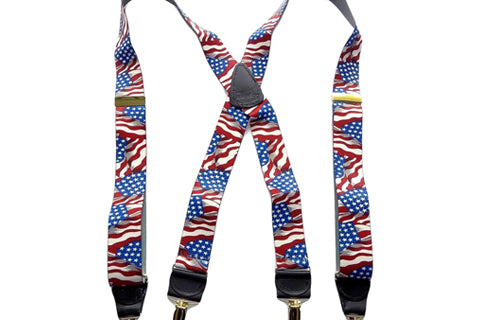
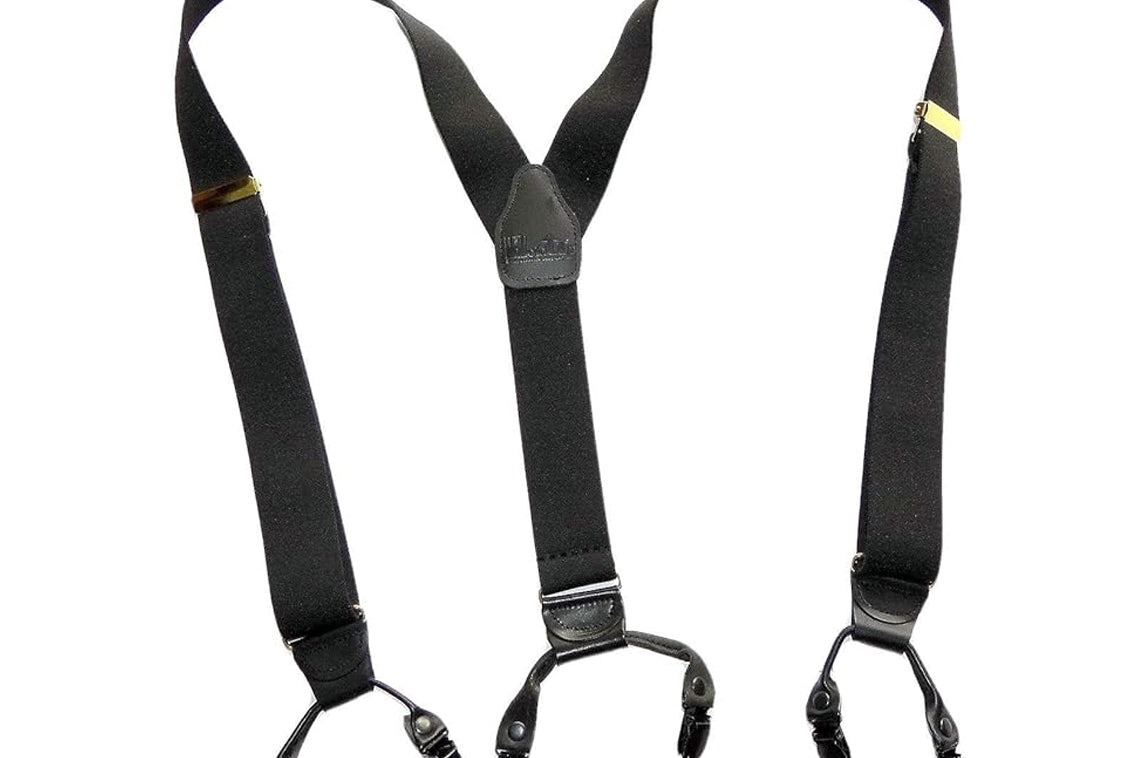
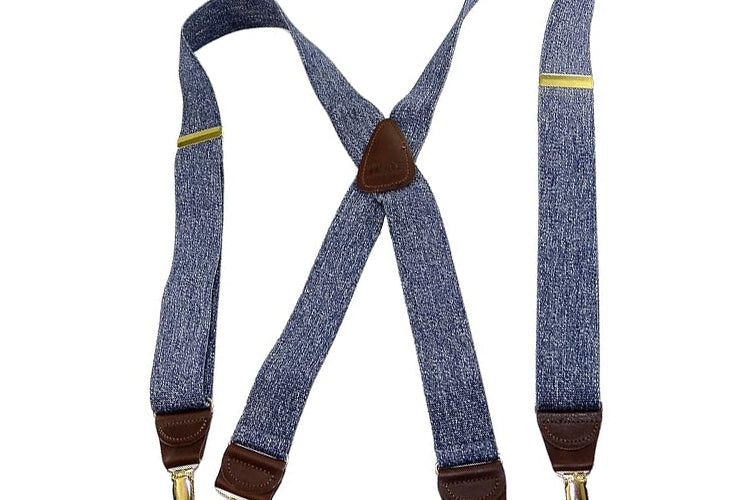
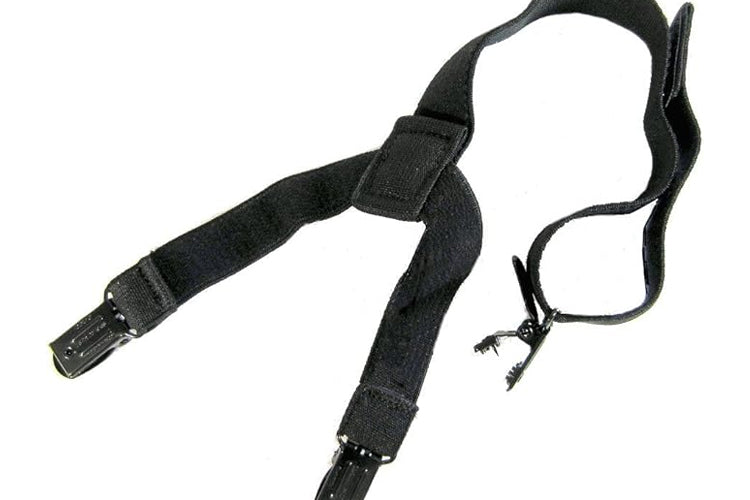
Hiking suspenders are straps worn over the shoulders, designed to hold up pants. Most often made of elastic, these accessories usually clip onto the pants' waistband or button loops. Some hikers also look at reflective suspenders for hiking for low-light outings.
In the UK, suspenders are usually called braces, so hikers there may use that word for the same accessory. This guide to suspenders vs braces explains the naming. Before you decide, it helps to see what they do well and where they fall short.
Advantages Of Hiking Suspenders
- Even Weight Distribution: They distribute the weight of your pants and any items in your pockets evenly across your shoulders. This feature is crucial, especially when trekking with heavy tools or accessories in your pockets.
- No Pressure Points: Unlike belts, suspenders ensure no pressure points around the waist, a feature many hikers search for, especially those who pair their pants with a hip sack or rucksack.
- Adjustability: These accessories can be adjusted to fit perfectly, ensuring your pants stay in place throughout your trekking or walking adventure.
- Breathability: Offering better airflow around the waist, suspenders can help reduce excessive sweating during intense mountain hikes.
Disadvantages Of Hiking Suspenders
- Interference: For backpacking enthusiasts, suspenders might interfere with rucksack shoulder straps, making the experience cumbersome.
- Attachment Issues: Depending on the pants' design and the quality of the clips, suspenders can sometimes detach, especially if not securely fastened.
Attachment style also matters. Some suspenders attach with buttons instead of clips, so check what your pants can take before you buy. This comparison of button vs clip-on suspenders covers the difference.
What Are Hiking Belts?
Belts are the traditional clothing accessory that has been the go-to choice, and many people choose to wear a belt with suspenders. They encircle the waist, fastened through a buckle system, providing support and preventing pants from sagging.
A hiking belt, sometimes called a hiking pants belt or a trekking pants belt, is simply a belt made to be worn with outdoor pants. Hiking belts are commonly made from materials such as nylon or leather. Here is how they compare in practice.
Advantages Of Hiking Belts
- Simplicity: Easy to use, belts are the staple accessory in many hikers' wardrobes. Slide it through the loops, fasten, and you're set for your nature walk.
- Versatility: Many of the best hiking belts come equipped with features such as hidden pockets or multifunctional buckles.
- Style: Aligning more with the traditional hiking attire, belts resonate with many trekkers' personal styles.
- Stability: With the right fit, belts offer consistent support, especially beneficial when climbing or navigating challenging terrains.
Disadvantages Of Hiking Belts
- Pressure Points: When paired with a daypack or fanny pack, belts can create pressure points, reducing comfort.
- Adjustment Limitations: Some belts might not fit perfectly, becoming either too tight or too loose.
- Limited Breathability: During intense hikes, belts can cause more sweating around the waist.
What to Look for in a Hiking Pants Belt

If a belt is your pick, a few details separate a comfortable hiking pants belt from one you keep adjusting on the trail. Use the points below when you compare a hiking belt, a trekking pants belt or a belt for hiking trousers.
Material and Buckle
Hiking belts are commonly made from nylon or leather, and the material affects how the belt feels against your waistband. A nylon hiking belt and a leather belt can both work, so choose the fabric that suits your pants and your pack. Whichever you pick, choose a sturdy buckle that holds your pants without adding pressure at the waist.
Pockets and Extra Features
Some hiking belts include hidden pockets or multifunctional buckles, which can hold small essentials like a phone, a map or energy bars. If you would rather carry gear separately, a hiking utility belt or a belt bag is another option, but keep an eye on pressure points when you add weight at the waist.
Sizing for Hiking Trousers and Trekking Pants
A belt that is too tight or too loose defeats its purpose, so check that the belt length suits your trousers and works with their belt loops. Hiking belts are worn by men and women, so choose a size that sits comfortably at your waist and hips, especially if you plan to wear a daypack over it.
How to Choose the Best Hiking Suspenders
People often search for the best hiking suspenders, but the right pair depends on your pants, your pack and how long you hike. These are the features worth checking before you buy.

Clips or Buttons
Check how the suspenders attach. Clips fasten to the waistband or belt loops, while button-on styles need buttons on your pants. Since not all hiking pants have attachment points, confirm that yours can take the style you choose. Secure clips also matter, because weak clips are one reason suspenders can detach on the trail.
Straps, Fit and Adjustability
Adjustable straps let you set the fit for your hiking pants and fine-tune it as you carry more in your pockets. A quick guide on how to adjust suspenders can help you get the length right. Whether you are choosing hiking suspenders for men or for women, check the size before you buy so the straps sit comfortably.
Elastic or Leather
Most hiking suspenders are elastic, and leather suspenders are another route if you prefer a more traditional look. This comparison of elastic vs leather suspenders lays out the differences so you can pick what suits your hikes.
Factors to Consider When Making Your Choice
Choosing the right gear is essential for ensuring a comfortable and successful hike. Here are some important factors to think about before you make your decision between hiking suspenders and belts.
Duration of Your Hike
If you're planning a longer journey through the wilderness, suspenders for hiking might be the better option due to their ability to distribute weight evenly across your shoulders. This is especially helpful when you're carrying a heavy load in your pockets or backpack.
However, for shorter trips, a lightweight hiking belt may be a more practical option, offering simplicity and ease of use without any unnecessary adjustments. For snow hikes, suspenders can also help keep your gear securely in place when layered over insulated clothing, especially when comparing snow pants vs ski pants for warmth and flexibility.
Backpack Style & Comfort
Consider the type of gear you'll be bringing with you, like a daypack, hip sack, or rucksack. Depending on the style of your pack and the weight you're carrying, the best hiking suspenders or a hiking pants belt might be better suited to your needs.
For example, suspenders for hiking can offer more freedom of movement, but they may interfere with your backpack straps. Alternatively, a hiking belt could work well with your trekking pants if you're focused on a snug fit and stability.
If you plan to go backpacking, try your suspenders on with a loaded pack before the trip. That way you can check whether the straps sit comfortably under the pack's shoulder straps. If the two compete for the same space on your shoulders, a belt may be the easier choice.
Personal Comfort & Fit
Comfort is key when you're trekking for hours or venturing into remote areas. Some hikers prefer the adjustable comfort of suspenders, while others may find a hiking belt more in line with their preferences.
When choosing between hiking belts and suspenders, consider how they feel when you're in motion. Ensure the size and fit of your suspenders and belt align with your body type, as discomfort can significantly impact your hiking experience.
If straps feel like they press into your shoulders, these tips on digging into shoulders can help. Look for options with a variety of sizes and colors to match your personal style and the conditions you'll encounter.
Weather & Ventilation
In warmer climates or during intense summer hikes, you might appreciate the breathability that hiking suspenders offer. They allow for more airflow around the waist, reducing the likelihood of excessive sweating.
In contrast, a hiking belt can sometimes trap heat, especially if made from materials like nylon or leather. If you're heading out on a long trek through hot environments, lightweight hiking suspenders might give you an advantage.
Gear Compatibility & Additional Features
When selecting hiking suspenders or a belt, consider the additional functionality the product offers. For example, some hiking belts are designed with extra features, such as hidden pockets for carrying small essentials like a phone, a map, or energy bars.
For those who rely on their belt loops, be sure to select a hiking belt with a sturdy buckle that can accommodate all your gear needs without putting unnecessary pressure on your waist.
On the other hand, suspenders often come with suspender hooks or clips that can securely attach to your pants or shirt, offering versatility for different types of outdoor apparel. Back style is another choice to make, and this comparison of X-back vs Y-back suspenders covers the difference.
Suspenders for Backpacking, Climbing and Other Outdoor Use

Hiking is not the only outdoor activity where suspenders come up. Backpacking suspenders and general outdoor suspenders raise the same question of how they share space with your gear, so here are a few common situations.
Backpacking With Suspenders
On multi-day trips you carry more, and your pockets may hold more too. Suspenders spread the weight of your pants and pocket contents across your shoulders and leave no pressure points around the hips or waist, which matters if your pack has its own waist strap. Since a loaded pack also rests on your shoulders, test the combination at home before the trip.
Climbing and Gear Belts
Some people search for climbing belt suspenders. Suspenders are meant to hold up your pants, not to carry or secure climbing equipment, so follow the harness and gear manufacturer's guidance for anything safety related.
Hunting and Other Outdoor Gear
If you carry tools or accessories in your pockets, the same weight distribution benefit applies. For a related outdoor use, see hunting suspenders, and for a wider look at weight at the waist, read about weight distribution with a duty belt vs suspenders.
Alternatives to a Belt for Hiking Pants
If a belt digs in or keeps slipping, you have a few ways to hold up your pants. Suspenders are the most common alternative, and you may also see them called pant holders or braces.
Suspenders as a Belt Alternative
Suspenders remove pressure from the waist and spread weight across the shoulders, which makes them a common alternative to a belt. If you prefer something less noticeable, look for low profile styles, and see this guide to discreet suspenders as an alternative to belts.
When a Belt Is Still the Better Choice
Alternatives are not always better. For a short walk or a simple day trip, a belt is quick to put on and needs no extra straps. Wearing both is also an option, as covered in the FAQ below.
Wearing Suspenders and Belts Beyond the Trail

Many people carry the same accessories into their everyday wardrobe, so here is how each one works off the trail.
Casual Outfits and Layers
Suspenders pair easily with jeans, trousers and a casual shirt, and they sit comfortably under a jacket when the weather turns cold. Belts remain the more traditional choice, so the decision often comes down to appearance and personal taste. For outfit ideas, see how to wear suspenders with jeans.
Choosing for Everyday Wear
The comfort points from the trail carry over to everyday wear. Suspenders spread weight across your shoulders, while a belt is simple and familiar. Try each with your usual trousers and pick the one that feels better through a full day.
Which Should You Choose for Hiking?
There is no single right answer, because the best pick depends on how you hike. Use these points as a quick guide.
- Choose suspenders if you hike for long stretches, carry weight in your pockets, or want to avoid pressure around the waist.
- Choose a belt if your hikes are short, you want the simplest setup, or you plan to wear a pack that leaves little room for shoulder straps.
- Consider both if you want weight distribution from suspenders and added security from a belt.
If you would like the everyday, off-trail comparison, see our guide to suspenders vs belts.
Whether it's the charm of suspenders or the traditional appeal of belts, remember that these gear pieces are designed to enhance your comfort in the outdoors. The choice between them might seem trivial.
But as experienced members of hiking communities would attest, small details can be game-changers in the great outdoors. For now, make your choice based on personal preference, and enjoy your time in nature. Happy hiking!
Frequently Asked Questions On Hiking Suspenders Vs. Belts
Do suspenders fit all types of hiking pants?
Not all hiking pants have the necessary attachment points for suspenders. However, most suspenders can clip onto pants, ensuring a firm hold.
Are there hiking belts that can store gear?
Absolutely. Many belts come with pockets, allowing you to store small essentials, which are crucial for those long treks in the forest or on mountain trails.
Can I wear both suspenders and a belt during a hike?
Definitely, combining the two might offer both weight distribution (suspenders) and added security (belt). However, ensure they don't interfere with other gear, such as your daypack or hip sack. For more on this, read about wearing a belt and suspenders together.
Can you wear hiking suspenders with a backpack?
Yes, but check the fit first. Suspenders might interfere with rucksack shoulder straps, so try them on with your loaded pack before the trip. If the straps compete for space on your shoulders, a belt may be more comfortable.
Are suspenders or belts better for long hikes?
Suspenders are often the better fit for long hikes because they distribute the weight of your pants and pocket items across your shoulders and leave no pressure points around the waist. For shorter trips, a lightweight hiking belt is a simple and practical option.
What kind of belt should I wear with hiking pants?
A hiking belt is made to be worn with hiking or trekking pants and is commonly made from materials such as nylon or leather. Some include hidden pockets or multifunctional buckles, so choose one with a sturdy buckle that fits without adding pressure at your waist.
What is a belt that is used for hiking?
A hiking belt is a belt made to be worn with hiking or trekking pants. It is commonly made from nylon or leather, and some styles add hidden pockets or multifunctional buckles.
What is a good alternative to a belt for hiking pants?
Suspenders are a common alternative. They spread the weight of your pants and pocket items across your shoulders and leave no pressure points around the waist. If you want something less noticeable, low profile suspenders are another option.
Are hiking suspenders the same as braces?
Yes. In the UK, suspenders are usually called braces, so both words describe the accessory that holds up your pants.