
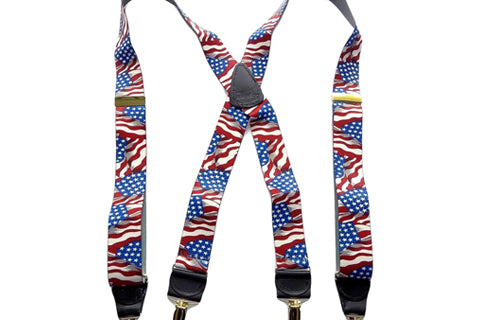
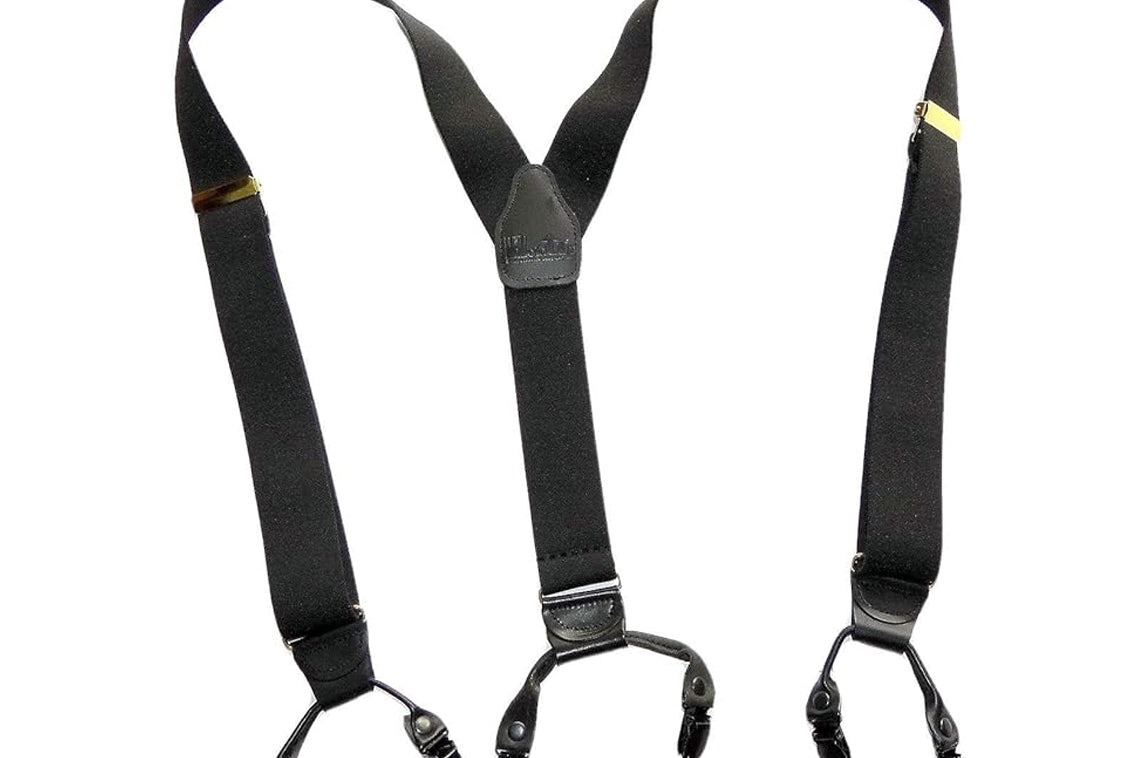
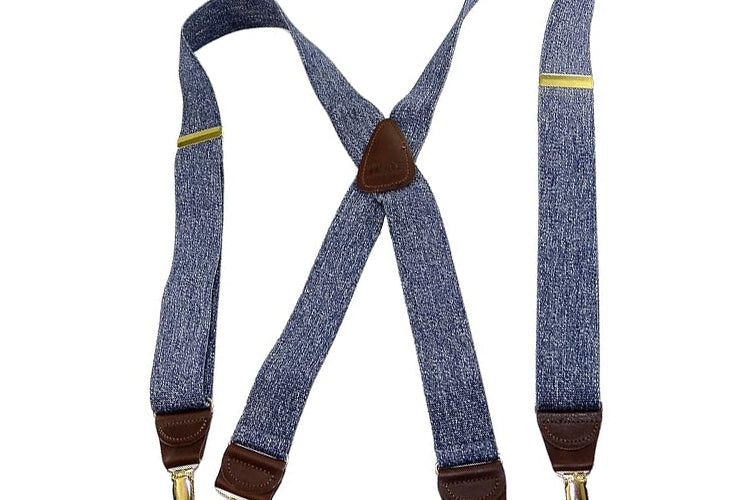
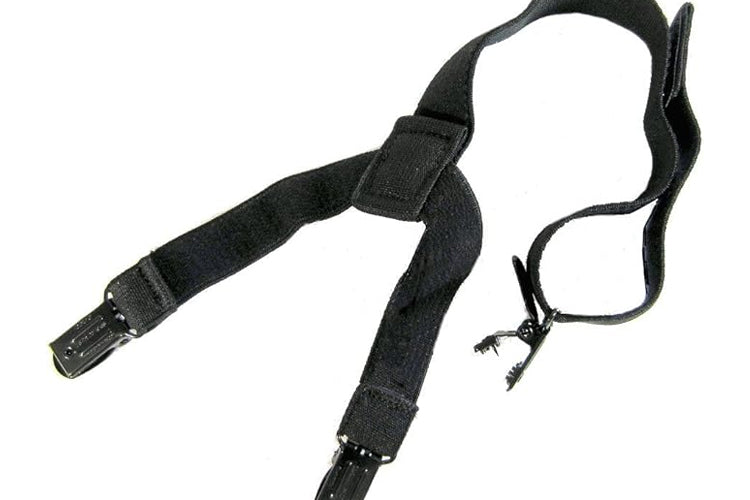

Outdoor suspenders are heavy-duty straps that hold your pants up from the shoulders during hiking, hunting, camping, fishing, and outdoor work. Compared with everyday dress suspenders, they are built for rugged use, with adjustable straps, durable webbing, and strong clips or button ends that stay put while you move. These specialized straps have evolved a long way since they first appeared in the early 19th century, and they remain a staple for laborers and adventurers.
So, why do hikers and outdoor enthusiasts rely on them? This guide covers what outdoor suspenders are, how they compare with a belt on the trail, the main types, what to look for in materials and attachments, and how to care for them so they last.

Key Takeaways
- Outdoor suspenders are specialized straps designed to hold pants up during outdoor activities.
- They are commonly made from durable webbing such as nylon or polyester, often with elastic for stretch.
- Adjustable straps and reinforced stitching give a customized fit and longer-lasting use.
- They spread the hold across your shoulders instead of tightening around your waist, which many hikers and hunters find more comfortable.
- Styles include hiking, water-resistant, tactical, and reflective suspenders for different outdoor needs.
What Are Outdoor Suspenders?
Outdoor suspenders are specialized straps designed to hold pants up securely during outdoor activities. When you're out hiking, camping, or fishing, the last thing you want is to worry about your pants slipping. Outdoor suspenders solve this problem with a reliable hold that doesn't depend on a tight waistband.
What sets outdoor suspenders apart is their comfort level. Traditional belts can dig into your waist and restrict movement, but suspenders spread the support across your shoulders. This makes them well suited to long days spent in nature, and a well-fitted pair is easy to forget you're wearing.
Outdoor suspenders also come in various materials and designs, so you can choose a pair that matches your style. Whether you prefer rugged leather details or practical elastic, there's a pair that will suit your needs. They're not just about utility; they also let you express your style.
History of Outdoor Suspenders
Have you ever wondered how suspenders became a staple for outdoor enthusiasts? The history of suspenders for outdoor use is fascinating. Suspenders first emerged in the early 19th century as a practical way to hold up trousers. Over time, they evolved from simple straps into a key accessory, especially for people who spent a lot of time outdoors.
In the late 1800s, suspenders gained popularity among laborers and adventurers. They were essential for keeping pants securely in place during rigorous activities. As needs changed, suspenders became more specialized, adding durable materials and rugged designs made for outdoor use.
Through the 20th century, outdoor and workwear suspenders were refined to handle harsh conditions while staying comfortable and functional, which is why they are still part of many outdoor and work wardrobes today.
Why Do Loggers and Outdoor Workers Wear Suspenders?
Loggers, farmers, and other outdoor workers have long chosen suspenders over belts for practical reasons. Work pants and overalls can get heavy when they are loaded with tools or soaked from rain and mud, and a belt has to be cinched tightly to hold that weight at the waist. Suspenders carry the load from the shoulders instead, so pants stay up while you bend, climb, and lift.
- Freedom of movement: Nothing presses into your waist when you bend or crouch
- Support for heavy pants: Suspenders hold up loaded work pants without constant hitching. For tougher jobs, see our guide to the best heavy-duty suspenders
- Layering: Pants stay in place under jackets and outer layers in cold weather
Key Features of Outdoor Suspenders
When selecting suspenders for outdoor activities, consider a few key features that support durability and comfort.
- First and foremost, look for suspenders with adjustable straps. These allow you to customize the fit to your body, ensuring they won't sag or pinch, which can greatly affect your comfort during long hours outside.
- Quality adjustable straps make it easy to layer clothing underneath, a common necessity in changing outdoor conditions.
- Next, consider the material of the suspenders. Opt for weather-resistant fabrics like nylon or polyester. These materials are durable and lightweight, so they won't weigh you down.
- Additionally, check for reinforced stitching, particularly at stress points, to prolong the life of your suspenders.
- Another important feature is the type of clip or fastener. Heavy-duty clips or sturdy button attachments help the suspenders stay securely in place, even during rigorous activities.

Clip, Button, and Belt Loop Attachments
How your suspenders attach to your pants affects both security and convenience outdoors.
Clip-On Suspenders
Clip-on suspenders grip the waistband directly, so they work with almost any pants, including hiking pants, jeans, and shorts. They are quick to put on and take off, which makes them a practical choice for camping trips where you change clothes often. Look for strong, wide clips that won't slip on thicker outdoor fabrics.
Button-End Suspenders
Button-end suspenders attach to buttons sewn on the waistband. They require pants with suspender buttons, but they hold securely and won't pop loose when you climb or crouch.
Belt Loop Suspenders
Belt loop suspenders attach through or around the belt loops of your pants instead of gripping the fabric. This style is useful when you want a secure hold without clips pressing on the waistband or buttons sewn into your pants.
Snap and Hook Suspenders
Some outdoor suspenders use snap or hook ends instead of clips or buttons. These fasten to matching tabs, loops, or rings on the pants, which is common on certain work pants, bib pants, and overalls. Check that your pants have compatible attachment points before choosing this style.
Are Suspenders Good for Hiking?
Yes, many hikers find suspenders more comfortable than a belt, especially on long days on the trail. Quality suspenders give steady support and comfort, making long treks more enjoyable. Traditional belts can dig into your waist, especially when your pack's hip belt sits on top of them.
Suspenders instead spread the hold across your shoulders, reducing pressure points at the waist and allowing better mobility. Shifting the job of holding up your pants away from your hips can also ease the feeling of strain around your lower back on extended hikes.
Additionally, suspenders provide a secure fit, keeping your pants in place without constant adjustment. That means fewer distractions and more focus on the trail ahead. With no belt buckle under your pack, you'll also notice less rubbing and discomfort. If you're serious about hiking or trekking, a good pair of outdoor suspenders can make a difference in your overall experience. For a closer comparison, read our guide on hiking suspenders vs belts.
How to Wear Suspenders With a Backpack
- Adjust before you load up: Set the suspender length while wearing your hiking pants, then put on your pack
- Keep straps flat: Make sure the suspender straps lie flat under the pack's shoulder straps so they don't twist or rub
- Mind the hip belt: Position clips or button ends where the pack's hip belt won't press on them
- Choose a comfortable width: Wider straps spread pressure better under pack straps on backpacking trips
What to Look for in the Best Hiking Suspenders

The best hiking suspenders are the ones that stay comfortable for hours under a pack and keep your pants in place on uneven ground. When comparing suspenders for hiking, check these points:
- Strap width: Wider straps spread pressure more evenly under backpack shoulder straps, while slimmer straps feel lighter on short day hikes
- Low-profile hardware: Flat clips and sliders are less likely to press into your hips or shoulders under a loaded pack
- Quick-drying webbing: Synthetic straps such as polyester or nylon handle sweat and light rain better than cotton
- Secure attachments: Clips should grip hiking pants firmly, or choose button-end or belt loop suspenders for a hold that won't pop loose
- Adjustment range: Enough length to adjust as you add or remove layers on the trail
For trekking and backpacking trips, test your suspenders with the pants and pack you plan to use before you head out, so you can fine-tune the fit at home instead of on the trail.
Advantages for Hunters
With a quality pair of suspenders, hunters can enjoy better mobility and comfort, making long days in the field more manageable. Suspenders keep hunting pants up without a tight belt, so you can sit, kneel, and climb into a stand comfortably. That means you can stay focused on the hunt rather than on discomfort.
When it comes to blending function with style, modern suspenders for hunters don't disappoint. Here are some key benefits:
| Feature | Advantage |
| Weight Distribution | Takes Pressure Off the Waist |
| Adjustable Fit | Customized Comfort |
| Durable Materials | Long-Lasting Use |
Besides their practical benefits, suspenders are back in fashion, making them a stylish addition to your hunting gear. You can pair them with various outfits for a rugged yet polished look.
Here are some styling tips: opt for earth-toned suspenders that complement your camouflage or a pair with leather details for a timeless appearance.
Adding suspenders to your hunting outfit improves comfort and helps you look good. So, next time you're gearing up for a hunt, don't overlook the importance of a reliable pair of suspenders.
Uses for Campers
Suspenders aren't just for hunters; campers can also benefit from their practicality and comfort. You need reliable gear that makes your camping experience smoother in the wilderness. Outdoor suspenders keep your pants secure, so you can focus on enjoying nature rather than constantly adjusting your clothing.
Some tactical-style suspenders also include attachment points, which can help with gear organization by keeping small essentials close at hand.
Here are some ways suspenders can improve your camping trip:
- Hands-Free Utility: On styles with attachment points, small gear such as a compass or a whistle can stay within reach, keeping your hands free for other tasks.
- Weight Distribution: Suspenders hold your pants from the shoulders, reducing pressure on your waist and hips.
- Quick Adjustments: Adjustable straps let you change the fit as you add or remove layers around camp.
- Versatility: They work with various outfits, whether you're wearing hiking pants, trousers, or shorts, so you're always prepared.
Types of Outdoor Suspenders
When it comes to outdoor activities, understanding the different types of suspenders can help you choose the right one for your needs.
- Hiking suspenders: Designed with support and comfort in mind. These often feature wider straps to spread pressure evenly, reducing discomfort under pack straps.
- Water-resistant suspenders: Made for people who spend a lot of time fishing, hunting, or in snow. Snow and ski suspenders are a good example of styles made for wet and cold conditions.
- Tactical suspenders: Originally associated with military and law enforcement use, they have a rugged, functional appeal. Many come with multiple attachment points for tools and gear, making them highly versatile.
- Reflective suspenders: Useful for activities like running or cycling in low-light conditions, where extra visibility supports safety.
Are Outdoor Suspenders Waterproof?
Most outdoor suspenders are water-resistant rather than fully waterproof. The straps are usually made from synthetic webbing that handles rain, snow, and splashes better than cotton, and polyester generally absorbs less moisture than cotton, so it dries faster. Elastic straps can get wet, but they will hold up best if you let them dry fully before storing them.
If you fish, hunt in wet weather, or spend time in the snow, look for synthetic straps, corrosion-resistant hardware, and clips that keep their grip on wet fabric. Always check the product details to see what conditions a specific pair is made for.
Suspenders for Fishing, Rain, and Snow
Water-resistant outdoor suspenders are especially useful for fishing, hunting in wet weather, and snow sports, where waders, rain pants, or snow pants can get heavy and slip. Look for synthetic straps that dry quickly and clips or attachments that hold firmly on thick or slick fabrics. After a wet day outside, rinse off mud or salt water and let the suspenders air dry completely.
Material and Durability
Understanding the material and durability of outdoor suspenders is essential for making sure they meet the demands of your activities.
When you're out hiking, climbing, or engaging in other outdoor pursuits, the quality of the fabric composition and elastic strength of your suspenders can make a significant difference.
Choose suspenders made from quality fabrics like nylon, polyester, or a blend of both. These materials offer good durability and resistance to wear and tear. Additionally, check for reinforced stitching in areas prone to stress, so the suspenders won't easily fall apart under pressure.
Elastic strength is another critical factor. Strong elastic helps the suspenders keep their shape and hold your pants securely, even during intense activities. Elastic webbing stretches under tension, while non-elastic webbing does not, so look for a good balance of stretch and firmness to prevent sagging or overstretching.
Consider the following when evaluating material and durability:
- Fabric composition: Opt for materials like nylon or polyester for their durability.
- Elastic strength: Make sure the elastic is strong enough to maintain tension.
- Reinforced stitching: Look for double or triple stitching in high-stress areas.
- Weather resistance: Choose materials that can handle different weather conditions.
How Should Outdoor Suspenders Fit?

A good fit is what makes outdoor suspenders comfortable all day. The straps should hold your pants at your natural waist without pulling them up too high or leaving the straps loose.
Where Outdoor Suspenders Should Sit
The front straps should run straight down your chest to the front of your waistband, and the back should sit flat between your shoulder blades. If the straps angle outward or slide toward your arms, shorten them slightly or try a narrower back style.
How to Keep Suspenders From Slipping
- Adjust the tension: Shorten the straps until they hold your pants without strain, then check again after a few minutes of moving
- Try an X-back style: X-back suspenders cross between the shoulder blades, which can help keep the straps on your shoulders during active use
- Check your clips: Make sure clips grip the waistband fully, not just the edge of the fabric
Wearing Outdoor Suspenders With Jackets and Layers
Outdoor suspenders are usually worn over a shirt or base layer and under an outer jacket, so you can open or remove the jacket without touching your suspenders. If you wear thick layers, bib pants, or high-rise outdoor pants, choose a pair with a long adjustment range so you can fit everything comfortably.
What Strap Width Is Most Comfortable?
Wider straps usually feel more comfortable for heavy work pants, long hikes, and wearing under a backpack because they spread pressure across more of your shoulder. Narrower straps are lighter and less noticeable for casual outdoor wear. Choose the width based on how much support you need and how long you'll wear them.
Who Wears Outdoor Suspenders?
Outdoor suspenders suit anyone who needs pants to stay up during active days outside, including:
- Hikers and backpackers who want comfort under a pack hip belt
- Hunters and anglers who sit, kneel, wade, and climb for long periods
- Campers who want a simple, adjustable hold while setting up and moving around camp
- Outdoor and construction workers who wear heavy workwear pants, bibs, or overalls
- Snow sports fans who need snow pants to stay in place
Outdoor suspenders for men are the most common, but many styles also work for women. Adjustable straps and a wide length range make it easier to find a comfortable fit for different heights and builds.
How to Choose Outdoor Suspenders
After understanding material and durability, focus on choosing the right outdoor suspenders for your needs. Start by considering your style preferences. Do you prefer a classic look or something more modern?
- Suspenders come in various designs, including the Y-back and the X-back, which refer to the rear strap layout. Choose one that complements your outdoor clothing and personal style.
- Next, consider your budget. Suspenders range from budget-friendly options to premium pairs. Decide how much you're willing to spend, and remember that paying a bit more can sometimes mean better quality and longevity.
- Pay attention to the adjustability and fit. You want suspenders that are easy to adjust and fit comfortably without digging into your shoulders. Look for features like elastic straps and sturdy clips that can handle the demands of outdoor activities.
- Check the length and width. Taller people and anyone wearing high-rise or bib-style pants may need extra-long suspenders, while wider straps are often more comfortable under a backpack.
- Lastly, consider the specific activities you'll use the suspenders for. Hiking may call for something different than fishing or camping. Matching your choice to your needs helps you get the most out of your outdoor suspenders.
Maintenance Tips
Proper care of your outdoor suspenders helps them last longer and perform at their best. Here are some essential maintenance tips to keep them in top shape.
- First, regular cleaning is a must. Depending on the material, you might need to hand wash them or use a gentle cycle in your washing machine. Always follow the manufacturer's instructions to avoid damaging the fabric or elastic. After washing, let them air dry completely to maintain their elasticity and prevent shrinkage.
- Proper storage is equally important. When not in use, hang your suspenders or lay them flat in a drawer to avoid unnecessary stretching or bending. This keeps them in their original shape and ready for your next adventure.
- Inspect your suspenders regularly for signs of wear and tear. Check the clips, stitching, and elastic bands to make sure they're still in good condition. Addressing minor issues early can prevent bigger problems down the road.
Finally, avoid exposing your suspenders to excessive heat or direct sunlight for long periods. Sunlight and heat can weaken the elastic, causing it to lose its stretch and effectiveness.
- Hand wash or use a gentle cycle
- Air dry completely
- Hang or lay flat for storage
- Inspect regularly for wear and tear
Conclusion
When you're out on an adventure, outdoor suspenders keep your pants secure and comfortable. They've been around for well over a century, evolving into a practical choice for hikers, hunters, campers, and outdoor workers.
With features like adjustable straps, weather-resistant materials, and heavy-duty clips, the right pair can handle long days outside. Choosing well and caring for them properly helps them last for years.
Ready to find your pair? Browse our Outdoorsman Series wide hunting suspenders for styles built for the outdoors.
Frequently Asked Questions
What are outdoor suspenders?
Outdoor suspenders are heavy-duty straps that hold pants up from the shoulders during activities like hiking, hunting, camping, fishing, and outdoor work. They usually have adjustable straps, durable webbing, and strong clips or button ends made to stay secure while you move.
Are suspenders better than a belt for hiking?
Many hikers prefer suspenders because they don't press into the waist under a backpack hip belt and they keep pants in place without constant adjustment. A belt can still work for short, light hikes, so the best choice depends on your pack, your pants, and personal comfort.
Are outdoor suspenders waterproof?
Most outdoor suspenders are water-resistant rather than fully waterproof. Synthetic straps such as polyester handle moisture better than cotton and dry faster. Check the product details for the conditions a specific pair is made for, and let wet suspenders air dry fully before storing them.
Can you wear suspenders with a backpack?
Yes. Adjust the suspenders while wearing your hiking pants, keep the straps flat under the pack's shoulder straps, and position the clips or button ends where the hip belt won't press on them. Wider straps tend to feel more comfortable under pack straps.
Can suspenders hold up heavy work pants?
Yes. Suspenders are a common choice for heavy work pants and overalls because they carry the weight from the shoulders instead of the waist. For heavy loads, look for wide straps, reinforced stitching, and strong clips or button ends.
Which attachment is best for outdoor suspenders?
Clip-on suspenders work with almost any pants and are quick to remove; button-end suspenders give a very secure hold on pants with suspender buttons; and belt loop suspenders attach to the belt loops without gripping the waistband. Choose based on the pants you wear most outdoors.
How do you clean outdoor suspenders?
Follow the manufacturer's care instructions. Many suspenders can be hand washed or washed on a gentle cycle, then left to air dry completely. Avoid high heat and long periods in direct sunlight, which can weaken the elastic.
How should outdoor suspenders fit?
The front straps should run straight down to your waistband, the back should sit flat between your shoulder blades, and your pants should sit at your natural waist without being pulled too high. Adjust the straps until they hold your pants securely without strain.
How do you keep suspenders from slipping off your shoulders?
Shorten the straps to add a little tension, make sure the clips grip the waistband fully, and consider an X-back style, which crosses between the shoulder blades and can help keep the straps in place during active use.
Can you wear suspenders over a jacket?
Outdoor suspenders are usually worn over a shirt or base layer and under an outer jacket. That way you can open or take off the jacket without adjusting your suspenders. If you wear thick layers, choose a pair with a long adjustment range.
What suspender width is best for outdoor use?
Wider straps are usually more comfortable for heavy pants, long hikes, and wearing under a backpack because they spread pressure across the shoulders. Narrower straps are lighter and work well for casual outdoor wear.