

Metal clips are the more durable choice for everyday and heavy-duty use, offering stronger grip and a longer lifespan. Plastic clips, particularly high-quality composite versions, work well for lighter use, airport-friendly travel, and casual wear where weight and fabric protection matter more.
When you invest in a pair of suspenders, the clip is what makes or breaks the experience. A great elastic strap paired with a weak or wrong-material clip will slip, damage your waistband, or wear out within months. Choosing the right suspender clip material is not just a technical decision; it directly affects your comfort, your clothing, and how long your suspenders actually last.
What Suspender Clips Are Actually Made Of
Understanding the materials is the first step before comparing them. The two dominant materials are steel-based metals and engineered plastics, though modern clips often combine both.
-
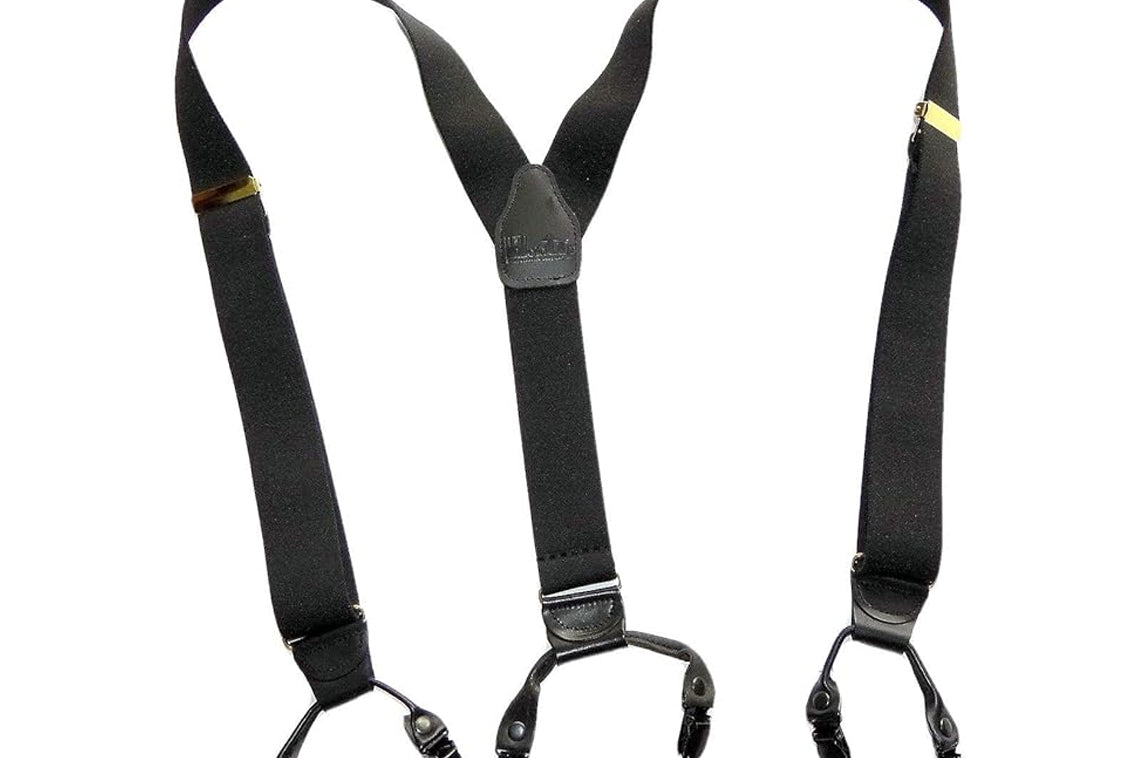
Metal clips are typically made from steel or zinc alloy, sometimes coated in nickel, brass, gold, or black-plated finishes. They rely on a spring mechanism and often feature a center pin or toothed jaw to grip fabric.
-
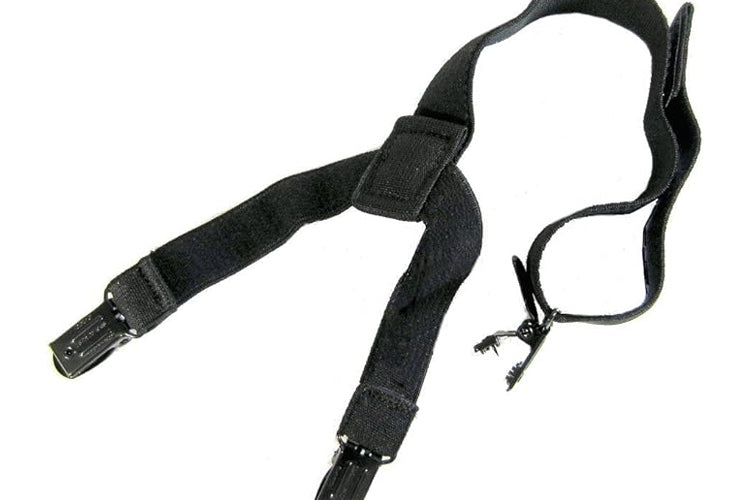
Plastic clips are molded from materials like ABS, polyethylene, or composite polymers. High-end plastic clips use a cam-actuated gripper system that actually increases grip the harder you pull.
-
Hybrid clips combine a metal spring core with plastic gripper inserts to balance strength, reduced fabric damage, and cost efficiency.
Understanding how a suspender clip works mechanically helps you evaluate what you are actually buying when a product says "metal" or "plastic."
Metal Clips: Strength You Can Feel

Metal clips have been the standard in suspender hardware for well over a century, and for good reason. Their durability under stress is simply unmatched for demanding applications.
Metal clips grip through a combination of spring tension and jaw pressure. When you have pants loaded with tools, work gear, or simply a heavier fabric, a metal clip holds without flexing or failing. Commercial-grade metals used in quality suspenders will not bend or break under daily stress, unlike cheaper alternatives that degrade quickly.
A key point on grip quality: metal clips with a needle-sharp center locking pin pierce just slightly into the fabric weave, holding firm without cutting or damaging the material. This design provides a no-slip hold through a full day of movement, bending, and reaching. If you are exploring heavy-duty suspenders with strong metal clip systems, the hardware quality is what separates reliable work suspenders from ones that let you down on the job.
Where metal clips perform best:
-
Work environments with heavy pants, tool belts, or cargo loads
-
Daily wear where consistent grip over years matters
-
Formal occasions where a polished, classic finish is expected
-
Any situation involving heavier fabric thickness that a plastic jaw might not grip securely
The Common Misconception About Metal Clips
Many people assume metal automatically means safe for fabric. That is only partly true. Cheaper metal clips with dull or poorly aligned teeth can leave pressure marks or wear patterns on delicate waistbands over time. The issue is not the material itself but the quality and design of that particular clip.
If you regularly wear suspenders with dress trousers, inspect the clip teeth closely. A quality metal clip should have smooth edges and even clamping pressure. When clips are poorly made, the repeated motion of attaching and removing them creates wear patterns that accumulate. This is one reason why button-on suspenders eliminate clip-related fabric wear entirely, making them the preferred choice for formal occasions or delicate trousers.
Plastic Clips: Lighter, Smarter, More Specialized
Plastic clips are not the fragile option they once were. Engineered composite plastics have changed that conversation entirely. Modern composite plastic clips, when properly designed, can provide a grip that actually increases as tension is applied, making them surprisingly reliable for casual to moderate daily use.
The real advantages of plastic clips become clear in specific situations.
-
Airport and courthouse security: Composite plastic clips pass through metal detectors without triggering alarms, making them genuinely practical for frequent travelers or professionals who enter secured buildings daily.
-
Lightweight wear: Plastic clips add less weight and bulk to a suspender, making them more comfortable for all-day light activity.
-
Fabric-friendly grip: The opposing teeth system in composite plastic clips distributes pressure across a wider surface area, reducing concentrated stress on fabric compared to a metal pin system.
-
Quiet operation: For tactical, military, or law enforcement applications where metal noise is a concern, plastic gripper clasps operate silently.
The patented gripper clasp design used in quality composite plastic clips is a good example of how engineering has closed the gap with metal. You can learn more about what makes these no-slip plastic clasp systems work and why they have earned their place in professional and tactical settings.
Side-by-Side Durability Comparison
The durability question depends heavily on what "durable" means in your context. Here is how both materials actually perform across real-world factors.
Grip consistency over time: Metal clips maintain grip strength longer under heavy loads. Plastic clips, even quality ones, can show wear in the spring or cam mechanism after heavy repeated use. Metal wins for long-term grip retention under stress.
Resistance to breakage: Cheap plastic clips crack or snap under tension. Quality composite plastic holds well but is still more vulnerable to impact damage than metal. Metal clips bend before they break, and quality metal clips rarely fail at all.
Fabric safety: High-quality metal clips with protective teeth and plastic gripper inserts cause minimal damage. Cheap metal clips with sharp, uneven teeth are the real culprit in fabric damage, not metal as a category.
Environmental resistance: Metal clips exposed to moisture can rust if the coating is damaged. Plastic clips are naturally corrosion-resistant, giving them an edge in humid or outdoor conditions.

Maintenance needs: Metal clips may need occasional polishing if uncoated. Storing suspenders with clips closed preserves spring tension for both types. Regularly checking the teeth and hinge for wear extends the life of either material significantly. Knowing how to maintain your suspenders' elasticity and clips adds years to a good pair.
Which Clip Type Fits Which Situation
Neither material is universally superior. The right choice depends on your daily context and what you are asking the clip to do.
For work suspenders supporting tool belts, cargo pants, or physically demanding jobs, metal clips with a strong spring mechanism and reinforced jaw are the clear answer. Tactical suspenders used in construction, logging, or fieldwork specifically need hardware that will not bend or fail mid-task. The strength of a metal clip under load is not something a standard plastic clip can match.
For casual everyday wear, office use, or lighter pants, a quality composite plastic clip performs reliably and is kinder to fabric. For travel or security-sensitive environments, composite plastic is a practical necessity.
If you frequently switch between different pants or occasions, look at whether clip-on or button-on suspenders better suit your overall wardrobe. That decision also affects which clip type is relevant to you in the first place.
Hybrid Clips: The Best of Both Materials
Some of the most thoughtfully engineered clips today combine a metal spring core with composite plastic gripper inserts. This hybrid approach gives you:
-
The grip strength of metal
-
The fabric protection of plastic teeth distribution
-
A lighter overall weight than solid metal
-
Reduced noise and gentler attachment
The center pin in metal no-slip clips, paired with plastic gripper inserts surrounding it, creates a locking system that grips fabric without cutting it. This design reflects decades of refinement and is worth prioritizing when shopping. Browsing the full range of suspender clip options gives you a clearer picture of what is available across both single and double jaw designs.
How to Evaluate Clip Quality Before Buying
Not all metal clips are equal. Not all plastic clips are equal. Here is what to actually look for.
-
Check the jaw alignment. Both sides of the clip should close evenly with no gap or tilt.
-
Test spring resistance. A weak spring is the most common source of slippage.
-
Look at the tooth surface. Teeth should be fine and even, not sharp spikes or flat and smooth.
-
Check for a center pin or locking mechanism. Clips with a secondary locking point hold dramatically better than jaw-only designs.
-
Look at the coating. Metal clips with a properly applied nickel or plated finish resist corrosion and maintain appearance longer.
Understanding how to properly open and attach suspender clips without stressing the mechanism also prevents premature wear regardless of material.
Frequently Asked Questions
Are metal suspender clips better than plastic for everyday use?
Metal clips are generally more durable for daily use, especially with heavier fabrics or work pants. They hold grip strength longer and withstand more repeated attachment cycles. However, high-quality composite plastic clips perform reliably for casual everyday wear and offer advantages like airport-friendly use and lighter weight.
Can plastic suspender clips hold heavy work pants?
Standard plastic clips are not ideal for heavy work pants or tool belt setups. High-quality cam-actuated composite plastic clips perform better than basic plastic, but for true heavy-duty applications like logging, construction, or carrying tools, metal clips or metal-core hybrid clips are the recommended choice.
Do metal suspender clips damage fabric over time?
Poorly made metal clips with sharp or uneven teeth can create wear marks on fabric, particularly delicate materials. Quality metal clips designed with a locking center pin and balanced jaw pressure hold firmly without damaging the waistband. The key variable is clip quality, not the material category alone.
What is the most durable type of suspender clip available?
Patented no-slip metal clips with a center locking pin and plastic gripper inserts represent the most durable and fabric-safe combination currently available. These hybrid designs maintain grip under heavy loads, resist slipping during movement, and protect fabric better than standard metal jaw-only clips.
How do I know when my suspender clips need replacing?
Signs that clips need replacing include consistent slipping even after repositioning, visible bending or misalignment of the jaws, dulled or damaged teeth that no longer grip fabric effectively, or a weakened spring that no longer snaps shut with firm tension. Replacing worn clips promptly prevents waistband damage and keeps your suspenders functional.