

Suspenders vs cummerbund is one of the most common points of confusion for anyone getting dressed for a black-tie event for the first time. Both accessories show up constantly in classic tuxedo styling, and both get lumped together in casual conversation as though they solve the same problem. They do not. One is structural, and the other is decorative, and understanding that difference is the fastest way to stop second-guessing your formalwear choices before a wedding, gala, or evening event. This guide walks through what each accessory actually does, whether they belong together, how traditional black tie etiquette treats them, and which one is genuinely correct for the event you have coming up.
Getting your tuxedo trousers to sit right starts with the correct fit. Browse our formal series suspenders collection, built for black tie and dress wear.
What Suspenders Do With a Tuxedo
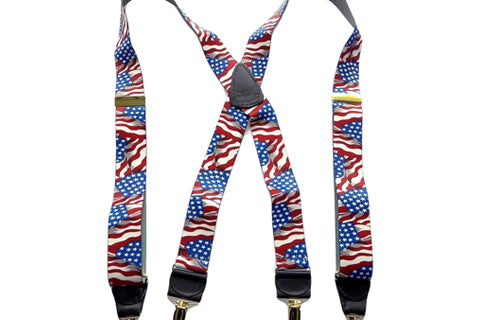
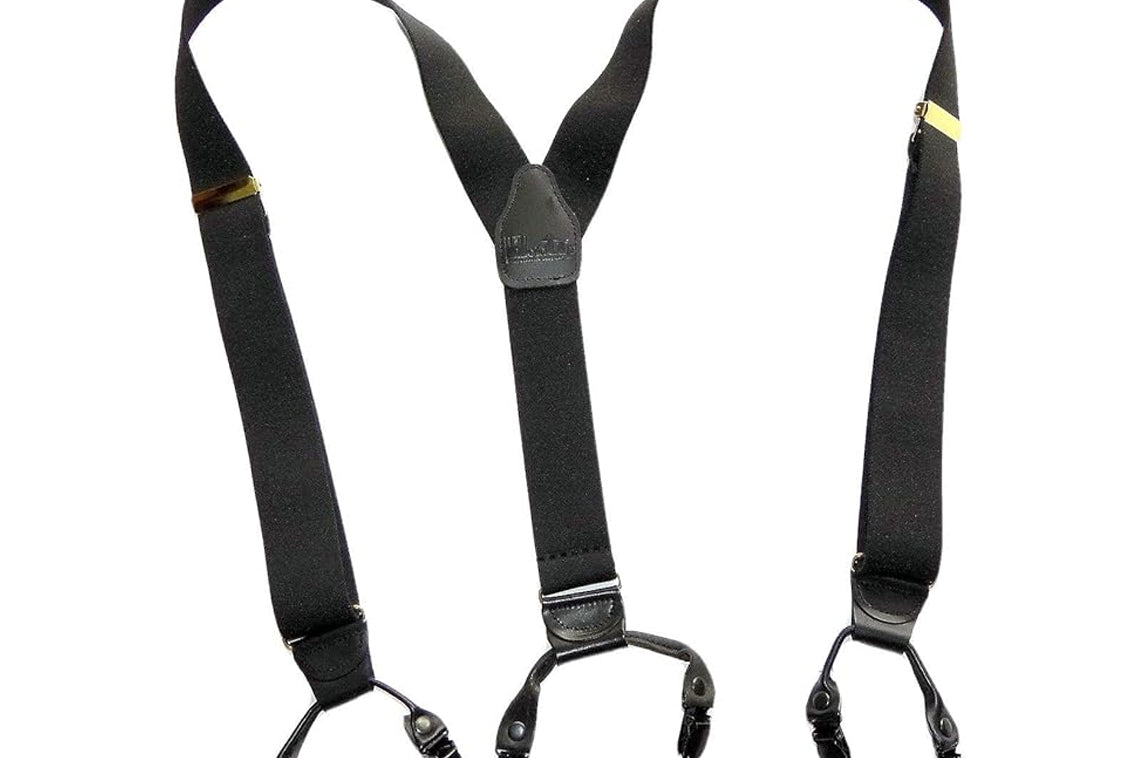
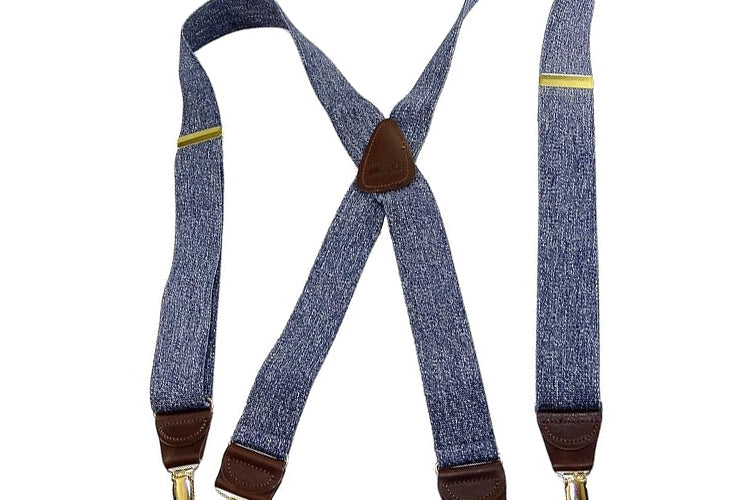
Suspenders, also called braces in the UK and much of Europe, attach to the waistband of tuxedo trousers, usually through buttons sewn into the inside of the waist, and run up over the shoulders at both the front and back of the body. Their entire purpose is mechanical. They hold the trousers at the correct height without requiring any tension around the waist itself, which matters more with formal trousers than with everyday pants, because tuxedo trousers are cut with a higher rise and, in almost every traditional pattern, no belt loops at all.
 Without suspenders, there is genuinely nothing else holding those trousers up through a night of sitting down for dinner, standing for photos, and moving around a dance floor. A tuxedo that gradually slides down at the waist over the course of an evening is one of the more noticeable wardrobe failures at a formal event, and it is also one of the easiest to prevent with the right accessory from the start. For the full etiquette breakdown, including how to size and adjust them correctly, see our full guide to wearing suspenders with a tuxedo.
What a Cummerbund Does
A cummerbund is a broad, pleated sash of fabric, most often silk or a silk-faced material, worn around the waist over the top of the trousers and the bottom of the dress shirt. Unlike suspenders, a cummerbund plays no role in keeping trousers up. Its entire function is visual: it covers the gap where the shirt tucks into the trousers, hides the waistband, and creates a single, unbroken line of fabric underneath the jacket.
According to Encyclopedia Britannica, the word cummerbund comes from a Persian and Hindi term for waistband, and the garment made its way into Western formalwear as a lighter alternative to the waistcoat, originally favored in warmer climates where a full vest felt unnecessarily heavy. The cummerbund's pleats are worn facing upward, a detail with a practical origin: the folds were traditionally used to hold small items such as theater tickets or opera programs, which is also where the accessory picked up its old nickname as a "crumb catcher," for its unfortunate tendency to collect stray food during a formal dinner if you are not careful.
The Real Difference Between Suspenders and a Cummerbund

Suspenders and a cummerbund are not competing accessories, because they are not solving the same problem. Suspenders are functional. Their entire job is to keep the trousers positioned correctly at the waist. A cummerbund is cosmetic. Its entire job is to cover that same waist once the trousers are already in place.
This is the root of most of the confusion around this topic: people search "suspenders vs cummerbund" expecting to pick one accessory as a replacement for the other, but a cummerbund cannot hold trousers up on its own, and suspenders alone do not close the visual gap that a cummerbund is specifically designed to hide. Treating them as an either-or choice misunderstands what each one is actually for, and it is the single most common mistake first time black tie wearers make when assembling their outfit.
Can You Wear Suspenders and a Cummerbund Together?
Yes, and this is in fact the traditional, expected pairing for classic black tie. Suspenders go on first, attached directly to the trouser waistband, and the cummerbund is layered on top, positioned so it fully covers the waistband at the front.
Reversing that order, attempting to layer the straps over an already fastened cummerbund, creates visible ridges under the sash and an untidy silhouette, which is why the sequence matters more than most people expect the first time they get dressed for a formal event. For a complete step by step walkthrough, including exactly where the cummerbund should sit and how snug the fit should be, see our guide on how to wear a cummerbund and suspenders together.
Want a pair built specifically for black tie? Shop our satin tuxedo suspenders, designed to stay flat and hidden under a jacket all night.
Traditional Black Tie Etiquette
According to the Emily Post Institute, black tie sits between business attire and white tie in formality, and it remains the standard dress code for weddings, galas, and formal evening dinners held after roughly six in the evening. Traditional black tie etiquette calls for the waist to be covered at all times, whether by a cummerbund, a waistcoat, or a jacket, such as a double-breasted style, that stays buttoned for the entire event and therefore never exposes the waistband in the first place.
This "always covered" convention is what separates a correctly assembled black tie outfit from one that merely uses the right individual pieces without understanding why they are meant to go together.
Why Tuxedo Trousers Traditionally Skip a Belt
Formal trousers are constructed without belt loops, and this is a deliberate design choice rather than an oversight. The traditional black tie silhouette treats a visible belt buckle as a break in the clean formal line, something that reads as a rental shortcut rather than a properly assembled outfit to anyone familiar with the convention.
Suspenders solve the practical problem a belt would otherwise solve, holding the trousers in place, without introducing a visible buckle or a horizontal break at the waist that competes with the smooth line the rest of the outfit is built around.
Suspenders vs a Belt With a Tuxedo
Because most tuxedo trousers are made without belt loops, wearing a belt with a tuxedo is generally not correct under traditional black tie rules. Some modern rental and off-the-rack tuxedo trousers do include belt loops as a manufacturing shortcut, but their presence does not make a belt the right choice.
If your trousers happen to have loops, the better move is to leave them empty and rely on suspenders instead, or ask a tailor to remove the loops entirely for a cleaner, more traditional finish. A belt buckle also creates a hard horizontal line under the jacket or cummerbund, which reads as a styling mistake to anyone who knows what to look for in formal dress, even if the rest of the outfit is otherwise well put together.
Button Suspenders vs Clip Suspenders for Formalwear
Button suspenders attach directly to buttons sewn inside the trouser waistband, which lets them sit completely flat against the body and stay reliably hidden under a dress shirt and jacket. This is the traditional choice for tuxedos, and it is worth having buttons sewn into any tuxedo trousers you expect to own and wear more than once, rather than relying on clips every time.
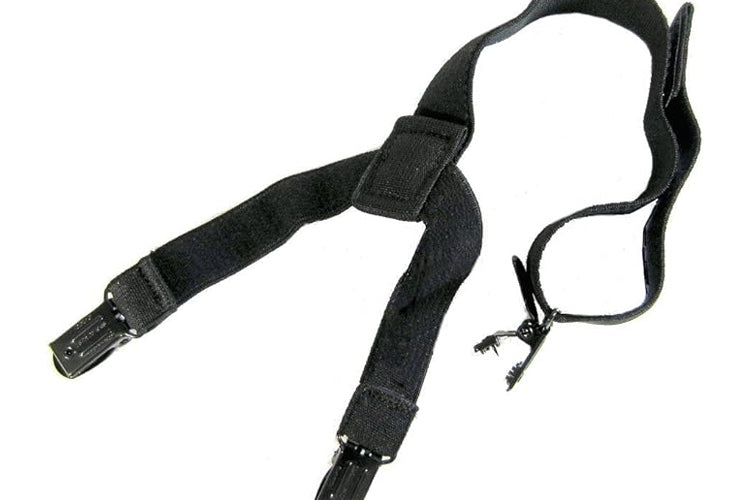
Clip suspenders attach using metal or plastic clasps that grip the fabric of the waistband directly, which works well when trousers do not have buttons, but the clip mechanism can create a slight bulge or show faintly through thinner formal fabrics, especially lighter-weight dress trousers worn in warmer months. For a rented tuxedo, or trousers you only expect to wear once, clip style is a perfectly practical substitute that gets the job done without any alterations. For trousers you plan to wear repeatedly, having buttons added is the more polished long-term choice. See our full comparison of button suspenders vs clip-on suspenders for more detail on sizing, adjustment, and which style suits different trouser fabrics.

Should Suspenders Show Under the Jacket?
No, and this is one of the more consistent rules in traditional black tie. Suspenders stay completely hidden under the jacket at all times, including if the jacket happens to come off later in the evening, which is one reason many formal events expect jackets to remain on throughout dinner and dancing. Suspenders that bulge through a thin dress shirt, bunch visibly at the waistband, or appear at the jacket hem when you bend forward disrupt the clean formal silhouette the entire outfit is built around, and it is worth checking your fit through a normal range of motion before the event rather than discovering the problem on the dance floor.
If you know suspenders may be visible for an extended stretch, at an outdoor event where jackets tend to come off, for example, some men choose a vest to preserve the layered look, or select a pair that intentionally coordinates with the rest of the outfit rather than leaving it to chance. But the traditional expectation, and the safest default, is that suspenders remain a hidden functional layer rather than a visible style statement.
When a Cummerbund Is Appropriate, and When a Waistcoat Works Instead
A cummerbund suits most classic black tie events, including weddings, formal dinners, galas, and award ceremonies, and it is a particularly practical choice in warmer settings or climates, since it is considerably lighter than a full waistcoat. A waistcoat, by contrast, is the more traditional choice for colder months or for events that lean toward the more formal end of black tie, since it adds structure and warmth to the jacket in a way a thin silk sash cannot.
Both a cummerbund and a waistcoat serve the same underlying purpose, concealing the shirtwaist and creating a finished silhouette beneath the jacket, so wearing both together at the same event is almost always unnecessary and tends to look overdone rather than more formal.
Neither accessory is mandatory for every tuxedo. Some modern single-breasted jacket cuts are designed to be worn without either, particularly for black tie optional events, though this is a deliberate departure from the most traditional black tie standard rather than an oversight worth correcting. Our comparison of vest vs cummerbund with suspenders covers body type and seasonal considerations in more depth.
Modern Tuxedo Styling vs Traditional Black Tie Rules

Modern tuxedo styling has loosened a number of these historic rules, and it is increasingly common to see tuxedos worn without a cummerbund or waistcoat, particularly at weddings, where couples frequently set their own dress code rather than deferring entirely to classic convention. This is a legitimate stylistic choice, and there is nothing wrong with a groom or groomsman opting for a cleaner, more minimal formal look if that fits the tone of the event.
It is worth knowing, however, that skipping a waist covering is a departure from, rather than the definition of, correct traditional black tie, so guests attending a strictly formal event are generally safer following the traditional convention unless the invitation specifically signals a more relaxed or contemporary dress code.
Common Tuxedo Accessory Mistakes to Avoid
Even with the right individual pieces, a handful of small missteps consistently undercut an otherwise well-assembled black tie outfit. The most common ones worth double-checking before you walk out the door include:
● Wearing a visible belt with tuxedo trousers that happen to have belt loops
● Fastening a cummerbund with the pleats facing down instead of up
● Leaving suspenders visible without a vest or intentional matching styling
● Wearing a cummerbund and a waistcoat together at the same event
● Using clip suspenders on trousers that already have suspender buttons sewn in
● Layering on too many accessories at once, since a pocket square, cummerbund, waistcoat, lapel pin, and tie bar worn together creates visual competition rather than polish
● Letting the trouser waist drop below the bottom edge of the jacket at any point during the evening
Choosing the Right Option for Weddings, Galas, and Formal Dinners
For weddings and galas that follow strict, traditional black tie, suspenders paired with either a cummerbund or a waistcoat is the safest and most classic combination, and it is the version most likely to match what other formally dressed guests are wearing. For formal dinners with a more relaxed or black tie optional dress code, suspenders alone under a buttoned jacket is a perfectly acceptable, cleaner alternative that still keeps the trousers correctly positioned.
For events that explicitly embrace modern or creative black tie, whether adding color, texture, or skipping the waist covering entirely, a cummerbund becomes more of a style choice than a hard requirement. Suspenders, on the other hand, remain the more reliable way to keep trousers in place regardless of what gets chosen for the waist, which is why they are worth treating as close to non negotiable even when everything else about the outfit flexes with the occasion.
Suspenders vs Cummerbund: Quick Comparison
|
Factor |
Suspenders |
Cummerbund |
|
Main purpose |
Holds trousers in place |
Covers the waistband |
|
Holds trousers up |
Yes |
No |
|
Covers waistband |
No, stays hidden under jacket |
Yes |
|
Black tie use |
Traditional and functional |
Traditional and decorative |
|
Dressing order |
Goes on first |
Layered on top of suspenders |
|
Can be worn together |
Yes, this is the classic black tie pairing |
|
Final Verdict: Which Is Correct?
By this point the answer should already be taking shape: which one is correct depends on which problem you are actually solving, not on picking a winner. If the goal is keeping your trousers positioned correctly through a full evening of standing, sitting, and moving around, suspenders are the correct and traditional answer, full stop. If the goal is covering the space between your shirt and trouser waistband for a polished, finished silhouette, a cummerbund, or a waistcoat depending on season and formality, is correct. For classic, strictly traditional black tie, wearing suspenders underneath a cummerbund is the most historically correct combination, and it remains the safest default when you would rather be confident your outfit is right than merely acceptable.
Conclusion
Suspenders vs cummerbund is not really an either-or decision, and once you know that suspenders hold trousers up while a cummerbund covers the waistband once they are up, the rest of the styling questions tend to answer themselves. Traditional black tie uses them together to get both jobs right, and for most formal occasions, that pairing remains the correct, safest choice, especially if you would rather not leave anything about your first black tie outfit to chance.
Frequently Asked Questions
Do you wear suspenders with a cummerbund?
Yes. Suspenders and a cummerbund are traditionally worn together. Suspenders hold the trousers in place while the cummerbund covers the waistband, and neither one replaces the job of the other.
Are suspenders appropriate with a tuxedo?
Yes. Suspenders are the traditional way to hold up tuxedo trousers, which are usually made without belt loops, and they are considered correct for both classic and modern black tie.
Should you wear a belt with a tuxedo?
Generally no. Most tuxedo trousers do not have belt loops, and traditional black tie calls for suspenders instead of a belt to keep the formal silhouette clean.
Should suspenders show with a tuxedo?
No, traditional black tie keeps suspenders hidden under the jacket at all times. If they may be visible, choosing a vest or a matching color helps keep the look intentional.
Do you need a cummerbund with a tuxedo?
Not always. A cummerbund is traditional for classic black tie, but a waistcoat, or a modern jacket cut to be worn without waist covering, is also acceptable depending on the event and dress code.
Are button suspenders better for black tie?
Button suspenders are the more traditional choice for formalwear because they sit flatter and stay hidden more reliably. Clip suspenders are a practical option when trousers do not have suspender buttons sewn in.