

When you're gearing up for winter activities, choosing the right insulation for your snow pants makes the difference between an enjoyable day outdoors and a miserable, cold experience. Whether you're hitting the slopes, working in freezing conditions, or enjoying winter recreation, understanding insulation types helps you make the smart choice for your specific needs.
What Types of Insulation Are Used in Snow Pants?
Snow pants typically use three main insulation categories, each with distinct performance characteristics.
-
Synthetic insulation like polyester fill offers excellent moisture resistance and continues insulating even when damp,making it ideal for high-output activities where you'll work up a sweat.
-
Down insulation provides the best warmth-to-weight ratio available, compressing easily for packability, but loses insulating properties when wet unless it's treated with water-resistant coatings.
-
Fleece-lined pants represent a third option, using brushed polyester or wool blend linings bonded to the shell fabric. This construction method excels in moderately cold conditions and offers good breathability for active movement.
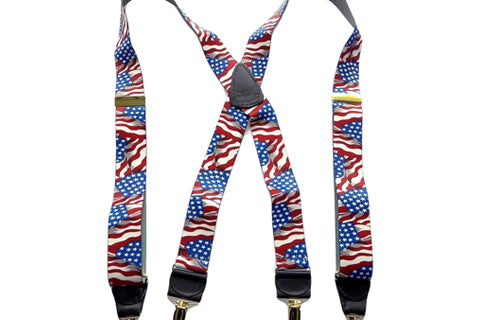
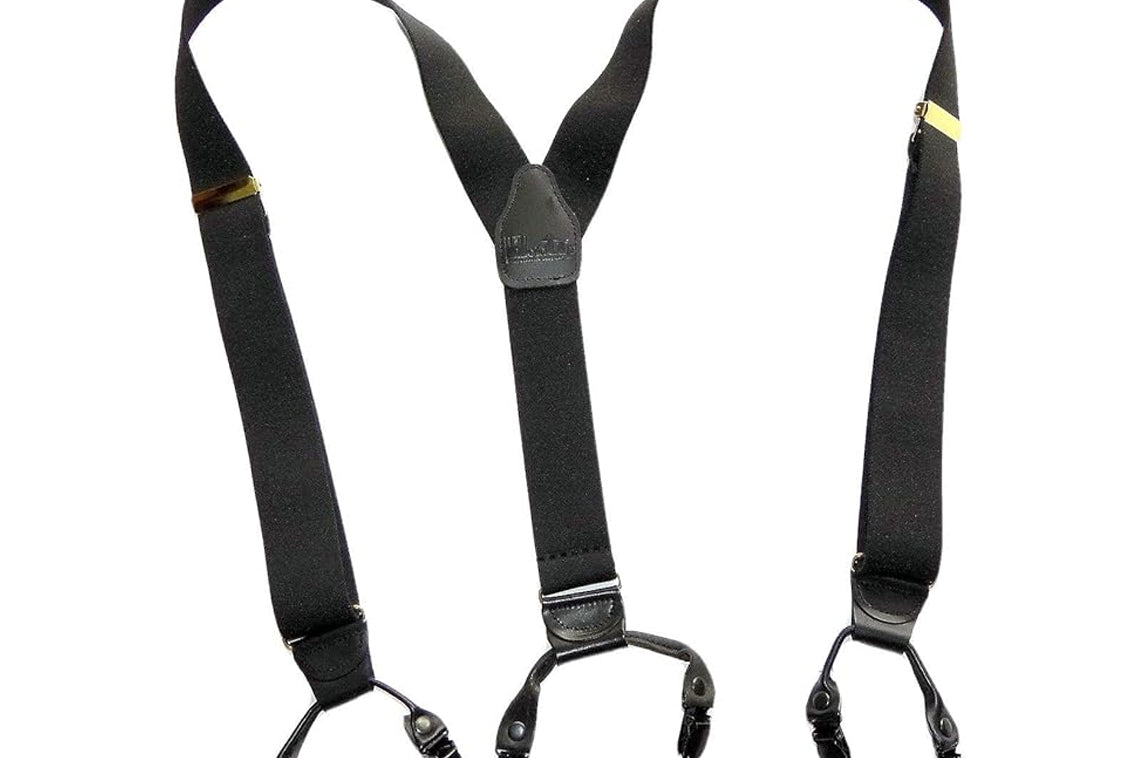
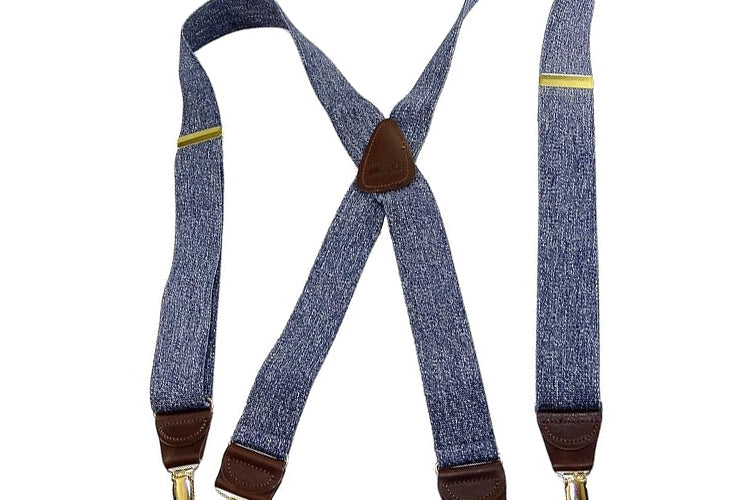
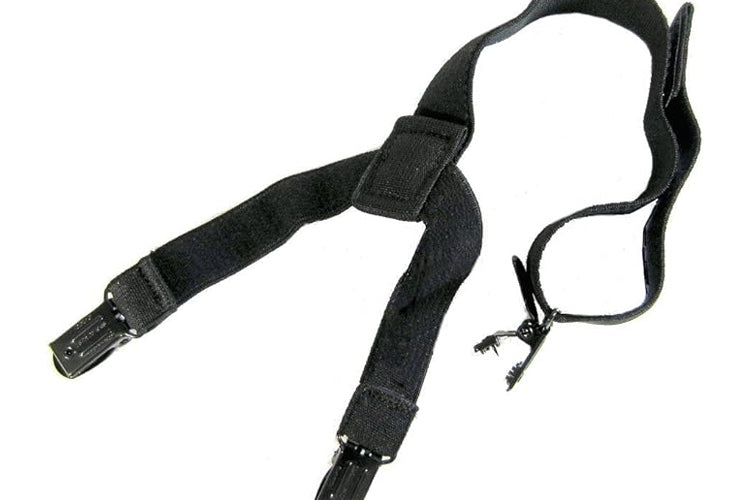
Many outdoor enthusiasts pair quality snow pants with ski suspenders to ensure they stay securely in place during vigorous winter activities. The insulation weight in snow pants typically ranges from 40 grams per square meter for lightweight options to 200+ grams for extreme cold conditions. Understanding these measurements helps you match pants to your expected temperature range and activity level.

How Does Synthetic Insulation Compare to Down Insulation?
Synthetic insulation wins the moisture management battle decisively. When you're engaged in high-intensity activities like backcountry skiing or working outdoors in winter conditions, your body generates considerable moisture through perspiration. Synthetic fills continue providing warmth at 60-70% efficiency even when completely saturated, while untreated down collapses and loses nearly all insulating ability when wet.
Down insulation delivers superior warmth per ounce,about 1.5 to 2 times better than synthetic fills at equivalent weights. This matters significantly if you're counting ounces for backcountry touring or need pants that pack down small for travel. Premium 800-fill power down creates more loft from less material, trapping more warm air in tiny pockets created by the down clusters.
Cost represents another consideration. Down-insulated pants typically command premium prices, ranging from $200 to $500+ for quality options. Synthetic insulation keeps costs more manageable, with excellent pants available in the $100-$300 range. Durability favors synthetic materials,they maintain loft through repeated compression cycles better than down, which can break down over time. For everyday winter wear and work suspenders applications, synthetic insulation often proves more practical.
Which Insulation Weight Should You Choose for Different Activities?
Selecting the right insulation weight depends on your expected activity level and temperature conditions.
-
For high-output activities like resort skiing, snowboarding, or winter construction work, lightweight insulation (40-80 grams) provides adequate warmth without causing overheating. Your body heat generation during active movement contributes significantly to overall warmth, making heavy insulation unnecessary and uncomfortable.
-
Medium-weight insulation (100-140 grams) suits moderate activity levels in cold temperatures ranging from 10°F to 30°F. This weight works well for chairlift skiing, casual snow play, or situations where you alternate between active movement and stationary periods. Many skiers prefer this range because it balances warmth with mobility, and when properly fitted with adjustable suspenders, these pants stay comfortable throughout the day.
-
Heavy insulation (160-200+ grams) becomes necessary for extreme cold (below 0°F) or low-activity situations like ice fishing, winter camping, or standing work in frigid conditions. These pants feel noticeably warmer but also bulkier and less flexible. Consider your movement requirements carefully,heavy insulation can restrict mobility for dynamic activities.
The layering approach offers versatility that single-layer insulation cannot match. Starting with lightweight insulated pants and adding base layers underneath lets you adjust warmth levels based on actual conditions. This method proves particularly valuable when temperatures vary significantly throughout your day outdoors.
What Role Does Breathability Play in Insulation Choice?
Breathability determines how well moisture vapor escapes from inside your snow pants, directly impacting comfort during active use. Synthetic insulation generally offers better breathability than down because the fiber structure allows moisture molecules to pass through more easily. This characteristic becomes critical during high-exertion activities where your body produces significant perspiration.

When you're working in heavy-duty conditions or engaging in intense winter sports, trapped moisture creates a clammy, uncomfortable feeling and eventually reduces insulation effectiveness. Quality snow pants combine breathable insulation with ventilation features like zippered side vents, allowing you to dump excess heat quickly when needed.
Shell fabric breathability matters as much as insulation breathability. Look for snow pants using fabrics with breathability ratings around 10,000-20,000 g/m²/24hr (grams of moisture vapor that can pass through one square meter of fabric in 24 hours). This specification ensures the outer layer doesn't trap moisture against the insulation, regardless of how breathable the insulation itself might be.
How Important Is Water Resistance in Snow Pants Insulation?
Water resistance in insulation protects your warmth when snow melts against your body heat or when you take a spill in wet snow.
Synthetic insulation:
-
Resists water absorption naturally, as polyester fibers do not soak up moisture.
-
Recover quickly from wet conditions, continuing to insulate while drying from body heat during activity.
Down insulation:
-
Requires special treatment to achieve water resistance (hydrophobic down treatment).
-
Hydrophobic treatment applies a microscopic coating to down clusters, preventing moisture absorption and clumping.
-
Quality hydrophobic down maintains about 60-70% of its insulating ability when damp, a significant improvement over untreated down but still not as effective as synthetic insulation in wet conditions.
Outer shell:
-
Provides the primary defense against moisture penetration.
-
Look for pants with waterproof-breathable membranes like Gore-Tex, eVent, or quality proprietary fabrics.
-
Ensure fabrics have ratings above 10,000mm water column, meaning they can withstand the equivalent of a 10,000mm (about 33 feet) column of water before moisture penetrates. This exceeds typical snow and rain exposure.
When you're using outdoor suspenders or hiking suspenders with your snow pants, ensure they attach securely without compromising waterproof seams or creating pressure points that could wear through protective coatings over time.
What Makes Some Insulation More Durable Than Others?
Insulation durability depends on fiber structure, construction method, and treatment processes. Synthetic insulations using continuous filament construction maintain loft better than short-staple fibers because the longer fibers resist breaking down under repeated compression. Premium synthetic fills like PrimaLoft Gold or 3M Thinsulate use advanced fiber engineering that maintains 90%+ of original loft even after hundreds of compression cycles.

For work environments requiring construction suspenders or work suspenders versus tool belts, choose pants with durable synthetic insulation that withstands the abrasion, compression, and rough treatment typical of job site conditions. Synthetic fills recover from being sat on, kneeled in, and generally abused far better than down.
How Do You Maintain Different Types of Insulation?
Proper maintenance extends insulation life and performance dramatically.
-
Synthetic-insulated pants tolerate frequent machine washing using gentle detergent and warm water. Avoid fabric softeners, which coat fibers and reduce loft and water resistance. Tumble dry on low heat or air dry,synthetic fills dry quickly and regain full loft after drying. Store synthetic pants loosely hung or folded normally; they don't require special storage considerations.
-
Down-insulated pants demand more careful handling. Wash infrequently (only when truly dirty) using specialized down soap and front-loading machines without agitators that can damage delicate down clusters. Add clean tennis balls or dryer balls when machine drying to break up clumps and restore loft. Drying takes 2-3 hours on low heat,ensure complete dryness before storage to prevent mildew. Store down pants loosely in a large breathable bag or hung up; never compress down for extended periods as this permanently reduces loft.
Both insulation types benefit from reapplying DWR (durable water repellent) treatment when you notice moisture soaking into the shell fabric rather than beading up. Wash-in or spray-on treatments restore water-shedding performance, protecting the insulation from moisture exposure. This simple maintenance step significantly extends the effective life of both synthetic and down insulation.
FAQ:
What's the warmest insulation for extreme cold snow pants?
For extreme cold conditions below -20°F, high-loft down insulation (800+ fill power) at 200+ grams weight provides maximum warmth. However, synthetic insulation in similar weights offers nearly comparable warmth with better moisture resistance, making it more practical for most users who might encounter mixed conditions or high-output activities.
Can I use snow pants with light insulation in very cold weather?
Yes, by layering strategically underneath with quality base layers and mid-layers. Lightweight insulated pants (40-60 grams) combined with merino wool or synthetic base layers and fleece or softshell pants underneath can provide warmth equivalent to heavy insulation (200+ grams) while offering superior moisture management and versatility.
Does insulation lose effectiveness over time?
Yes, all insulation gradually loses loft and warmth over years of use. Synthetic insulation typically maintains 80-90% of original warmth after 5-7 years of regular use. Down insulation maintains performance longer (10+ years) with proper care but loses effectiveness more rapidly if mistreated or stored compressed.
What temperature rating should I look for in snow pants insulation?
Temperature ratings for snow pants rarely exist because body heat production varies dramatically based on activity level. Instead, focus on insulation weight (grams per square meter) and your expected activity level: 40-80g for high activity, 100-140g for moderate activity, 160-200+g for low activity or extreme cold.
How do I know if my snow pants insulation is still working properly?
Test loft by pressing the insulation flat and observing how quickly it springs back. If the material remains compressed or recovers slowly, insulation has degraded. Also check for cold spots indicating insulation shift or damage, and observe whether you feel colder in conditions where the pants previously kept you warm.
What's the difference between 600-fill and 800-fill down insulation?
Fill power measures how much space one ounce of down occupies when fully lofted. 800-fill down creates more insulating air space from less weight than 600-fill, making it warmer and lighter but more expensive. For snow pants specifically, 600-700 fill offers the best balance of warmth, durability, and cost.
Should I choose insulated or shell snow pants for variable conditions?
Shell pants (uninsulated) offer maximum versatility through layering but require more planning and adjustment. Lightly insulated pants (60-100 grams) provide better convenience for most users, offering adequate warmth with simple base layer adjustments for varying temperatures without the complexity of managing multiple garment layers.
How does wind affect insulation performance in snow pants?
Wind doesn't directly affect insulation trapped inside pants, but it dramatically increases heat loss through any gaps at waist, ankles, or closures. Quality snow pants use windproof shell fabrics and secure closures. Using properly fitted suspenders helps eliminate waist gaps that let cold air reach your insulation layer.
Final Thoughts
Choosing the best insulation for your snow pants requires balancing warmth, weight, moisture management, and cost against your specific activity patterns and climate conditions. Synthetic insulation delivers reliable, affordable performance for most users, especially those engaged in high-output activities or working in winter conditions. Down insulation rewards those prioritizing maximum warmth and packability who can commit to proper care and typically encounter dry cold conditions.
Remember that the best insulation system combines quality materials with proper fit and functional design. Whether you're investing in snow pants with suspenders for winter sports or heavy-duty work pants for outdoor labor, understanding insulation characteristics helps you make confident decisions that keep you comfortable all winter long.