

Motorcycle riding puts your spine in a position it wasn't really designed to hold for hours at a time. You're leaned forward, weight braced through your arms and core, shoulders rounded slightly toward the handlebars. Add a tight belt cutting into your midsection on top of that, and your body ends up compensating in ways that show up as stiffness and fatigue long before the ride is over.
Trouser braces, the more traditional term for suspenders (and if you're curious why suspenders are called braces in the UK, that split has some interesting history), take a different approach. Instead of adding another point of compression at your waist, they support your trousers from the shoulders, working with your riding posture rather than against it.
The Specific Problem With Riding Posture and Belts
Riding posture isn't a single fixed position, but it shares a few common features across most bikes, and each of them interacts badly with a standard belt. If you want the broader belt-versus-suspenders picture for touring before getting into posture specifics, our comparison of suspenders and belts for touring comfort covers that ground.
How Forward Lean Changes Waistband Position
When you lean forward on a bike, your torso naturally curves and your waistband shifts position relative to when you're standing upright. A belt that felt fine in the driveway can dig into your side or bunch up at the front once you're actually in riding position, since the belt was tightened for a stance your body isn't holding anymore. The forward lean also tends to push more weight into the front of the waistband, which is exactly where a belt buckle sits, so the pressure point and the discomfort tend to land in the same place, at the worst possible spot.
The Core-Bracing Problem
Your core also does real work while riding, bracing against acceleration, braking, and cornering forces. A tight belt restricts the natural expansion and contraction of your midsection during that bracing, which forces your back and shoulders to pick up slack they shouldn't have to carry. Every time you brace hard through a corner or under braking, a belt is working against that same bracing motion instead of allowing it, which compounds fatigue over a long ride in a way that isn't always obvious in the moment but adds up by the end of the day.
How Shoulder Support Changes the Equation

Moving the point of support from the waist to the shoulders doesn't just relocate the discomfort, it changes the underlying mechanics of how your body holds itself while riding.
Removing Waist-Level Restriction
Trouser braces route the weight of your pants up and over your shoulders instead of cinching it at your waist. That has two effects specific to riding posture. First, it removes the waist-level restriction entirely, so your core can brace and release naturally as you ride, without fighting a belt at the same time it's fighting the road. Second, there's no buckle sitting at the exact point where your forward lean concentrates pressure, since braces don't wrap around the waist at all.
The Rearward Pull Effect on Shoulder Position
The gentle rearward pull of properly adjusted braces encourages your shoulders to sit back slightly rather than rounding forward, which is the opposite direction from where a forward-leaning riding stance naturally pulls them. This isn't the same as fixing posture through exercise or stretching, and it isn't a substitute for a bike that's properly fitted to your body. What it does is remove one added source of strain, the belt, from a posture that's already working hard, while gently counteracting the shoulder-rounding tendency that a forward lean creates over time.
Where This Differs From General Desk Posture Advice
A lot of posture-and-suspenders advice online is written for an office chair, not a motorcycle seat, and the difference matters more than it might seem.
Desk Posture vs. Riding Posture: Different Load Patterns
Most posture-and-suspenders advice is written around sitting at a desk for eight hours, which is a very different load pattern than riding. At a desk, the main issue is slouching forward with no bracing load, a static, low-effort posture problem. On a bike, you're actively bracing through your core and arms while also leaning forward, so the shoulders are doing double duty: holding your riding position and absorbing road vibration through your grip. This is a dynamic, high-effort posture problem, and the fix needs to account for that difference rather than borrowing advice built for a stationary chair.
Why Wider Straps Matter More on a Bike
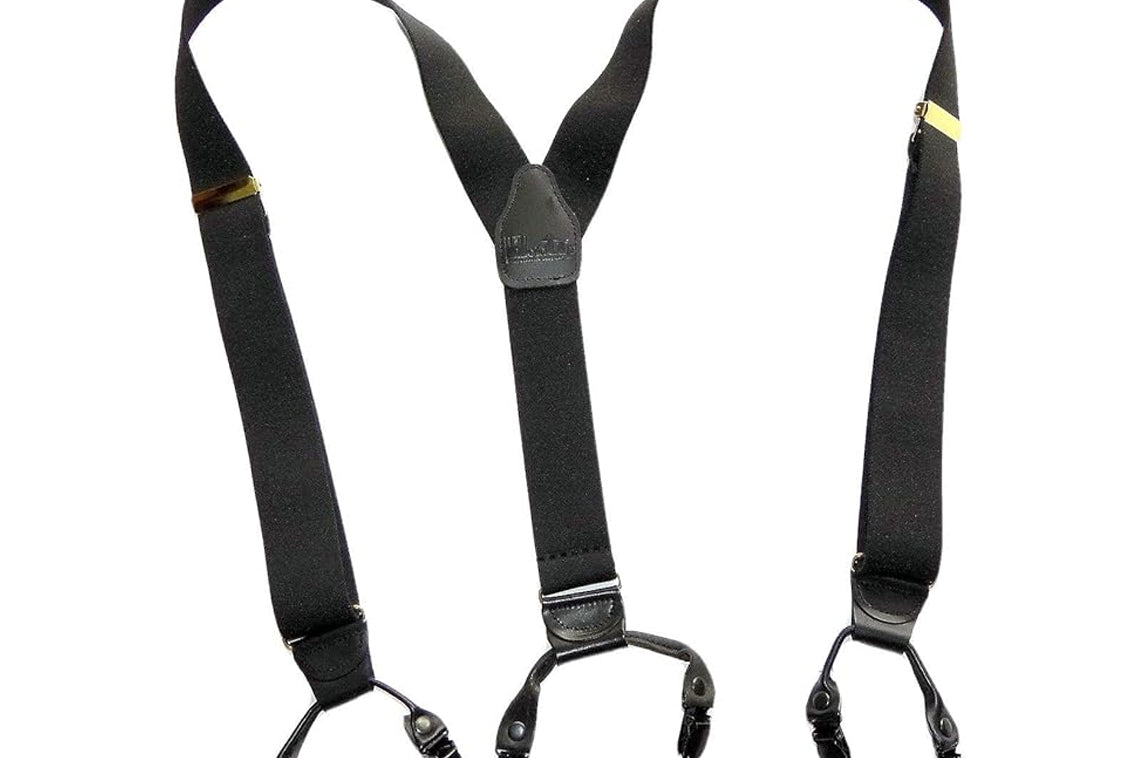
Heavy-duty, wider straps handle that combined load better than lightweight straps designed for office wear, since they spread pressure across more of the shoulder and stay put through the actual movement of riding rather than just the stillness of sitting. A narrow dress-suspender strap that works fine for eight hours at a desk will behave differently once vibration, wind resistance, and constant micro-adjustments of body position are added to the picture, all things a desk simply doesn't involve.
The Role of Core Strength and Riding Technique

It's worth being direct about what trouser braces can and can't do here. They remove one specific source of added strain, waist compression from a belt, from an already demanding posture. They don't build core strength, they don't correct a bike that doesn't fit your body, and they don't replace good riding technique like keeping your elbows relaxed and your grip light rather than white-knuckled. Riders who combine properly adjusted braces with attention to grip tension and core engagement while riding tend to report the most noticeable comfort improvement, since the braces are removing one variable from a system that has several working parts.
Common Riding Postures and How Braces Interact With Each
Riding position varies significantly by bike type, and the way braces help shifts slightly depending on which one describes your setup.
Cruiser Riding Position
Cruisers put riders in a more upright, relaxed seating position with feet forward rather than underneath the body. The forward lean is minimal compared to a sportbike, so the core-bracing issue is less pronounced, but long, straight highway stretches on a cruiser mean hours in one static position, where a comfortable, non-restrictive waistband matters more for simple fatigue reduction than for active bracing support.
Sport-Touring / Forward-Lean Position
Sport-touring and standard sportbikes put riders in a more pronounced forward lean, with more weight braced through the arms and core. This is where the core-bracing problem described above is most pronounced, and where removing a restrictive belt tends to produce the most noticeable difference in comfort over a long ride.
Upright / Standard Position
Standard and adventure-touring bikes sit somewhere in between, with a moderate forward lean and a mix of highway and technical riding. Braces help here largely the same way they help in a forward-lean position, just to a somewhat lesser degree given the less extreme lean angle.
Choosing the Right Material and Padding for Riding Braces

Beyond width, the material and padding of the strap itself affects how much posture benefit you actually get over a long ride.
Elastic Blends vs. Leather for Sustained Wear
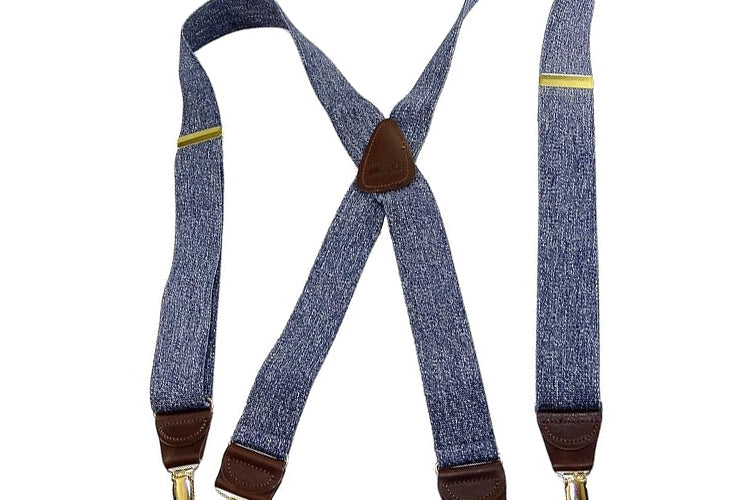
Elastic-blend straps flex slightly with your body as you shift between braking, leaning, and accelerating, which matters for posture specifically because a rigid strap that doesn't flex can end up fighting your natural movement instead of accommodating it. Leather straps look the part for a classic riding aesthetic and hold up well to weather, but they flex less than elastic blends, which can translate into more resistance against the shoulder-rearward movement that helps posture in the first place. For posture-focused use on long rides, elastic or elastic-blend straps generally outperform stiffer materials.
Padding and Pressure Distribution
Some heavy-duty braces include shoulder padding, which spreads pressure across an even larger area than an unpadded strap of the same width. This matters most for riders who are already sensitive to shoulder pressure, or for genuinely long, multi-hour touring days where even a well-fitted, wide strap can start to feel like a pressure point after enough hours. Padding isn't necessary for shorter rides, but it's worth considering if posture and shoulder comfort on very long tours is your main motivation for switching to braces in the first place.
Getting the Adjustment Right for Riding
However your bike positions you, the adjustment process matters more than the specific style of brace you choose.
Adjusting While Seated, Not Standing
The Motorcycle Safety Foundation's riding tips emphasize that gear should never restrict the movement needed to ride safely, and the same principle applies here. Trouser braces that are too tight will restrict your ability to lean and brace, defeating the point. It's worth doing this adjustment sitting on the bike itself rather than in front of a mirror at home, in your actual riding position with your knees bent and your torso leaned forward, since that's the posture you'll actually be holding for most of the ride.
Signs Your Adjustment Is Off
If you notice digging at the top of your shoulders within the first thirty minutes, the straps are likely too tight or too narrow for the load. If your waistband is still shifting or you find yourself reaching to adjust your pants at every stop, the straps may be too loose, or the clip isn't gripping the waistband firmly enough. Either issue is usually solved with a small adjustment rather than a different product entirely, so it's worth troubleshooting fit before assuming the braces themselves are the wrong choice.
Pairing Braces With the Rest of Your Setup
If sagging jeans on long rides is your main complaint rather than posture specifically, our guide on stopping heavy motorcycle pants from sagging covers that side of things directly. For a broader look at suspenders versus belts for touring comfort generally, see our touring comfort comparison. And if you're curious why suspenders are sometimes called "braces" in the first place, our piece on why suspenders are called braces in the UK has the background. For posture questions outside of riding specifically, our comparison of suspenders and medical back braces covers the general, non-riding picture.
Built for the Road
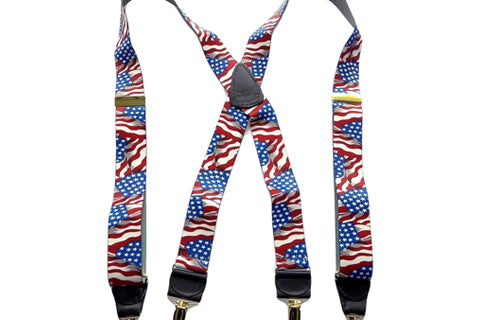
HoldUp's Flame Pattern heavy-duty biker X-back suspenders and general heavy-duty work suspenders line are both built at 2 inches wide, wide enough to spread shoulder load evenly during the kind of sustained forward lean that riding involves, with USA-patented gripper clasps that hold through vibration and movement.

FAQs
Can suspenders actually fix bad riding posture?
Not on their own. They remove one source of strain, waist compression from a belt, that works against a natural riding lean. They work alongside proper bike fit and riding technique rather than replacing them.
Why does riding posture put more strain on the shoulders than sitting at a desk?
Riding combines a forward lean with active bracing through the core and arms against acceleration, braking, and cornering, which is a different and more dynamic load than simply sitting still.
Should trouser braces be tight or loose for riding?
Neither extreme. Adjust them while seated in your actual riding position so there's a small amount of give, enough to allow your core to brace naturally without the waistband shifting.
Is there a difference between "trouser braces" and "suspenders"?
No, they're the same accessory. "Braces" is the more traditional term, used more commonly in the UK, while "suspenders" is the more common term in the US.
Do wider straps matter more for riding than for everyday wear?
Yes. Riding adds vibration and sustained forward lean on top of normal weight-bearing, so wider straps that spread pressure across more of the shoulder hold up better than narrow, dressy straps built for stationary wear.
Does riding position (cruiser vs. sportbike) change how much braces help?
Yes, somewhat. Forward-lean positions on sport-touring and sportbikes create more of the core-bracing issue that braces help with, while upright cruiser positions benefit more from simple fatigue reduction on long, static stretches.
What should I do if my suspenders feel like they're digging in early in a ride?
Digging in early usually means the straps are too tight or too narrow for the load. Loosen the adjustment slightly and confirm you're using a wide, heavy-duty strap rather than a narrow dress-suspender style.