

Medical back braces and suspenders are not designed for the same purpose, even though both are sometimes discussed in the context of posture. A medical back brace is a clinical device intended for injury support, post-surgical stabilization, or a specific diagnosed condition, typically used for a limited treatment period under guidance from a healthcare provider. Suspenders are everyday clothing that happen to provide a mild, incidental postural benefit through shoulder feedback and the removal of waist compression. For general everyday posture improvement in a healthy adult, suspenders are the more appropriate and sustainable daily choice, while a back brace should be reserved for its intended clinical purpose.
It is worth being direct about something that often gets blurred in casual conversations about posture products: a medical back brace and a suspender are not two versions of the same solution at different price points. They are different categories of product addressing different problems, and treating them as interchangeable options for everyday use risks either using a clinical device inappropriately or under-addressing a condition that genuinely needs medical-grade support. Understanding this distinction clearly is the right starting point before comparing the two.
What Medical Back Braces Are Actually Designed For
Medical back braces, sometimes called orthopedic back supports, lumbar braces, or post-surgical braces depending on the specific design, are clinical devices developed to address a defined medical need. They are typically recommended by a physician, physical therapist, or chiropractor for specific situations: recovery following spinal surgery, management of a diagnosed condition such as spondylolisthesis or a herniated disc, support during healing from an acute back injury, or stabilization for someone with a specific structural spinal issue.

These braces work by applying firm, often rigid or semi-rigid, compression and support directly to the lumbar or thoracic region, restricting certain movements that could aggravate the underlying condition and providing external structural support while the body's own tissues heal or while a chronic condition is being managed. The level of support is considerably more significant than anything a piece of clothing provides, and the device is generally intended to be used for a defined period rather than indefinitely, since prolonged use of a rigid brace can lead to the same muscular deconditioning concern that applies to other passive support devices.
Using a medical-grade back brace without an underlying diagnosed condition or without guidance from a healthcare provider is not generally recommended, since these devices are calibrated for specific therapeutic purposes and using one inappropriately can mask symptoms that warrant medical attention or create a dependency on external support that a healthy back does not need.
What Suspenders Are Actually Designed For
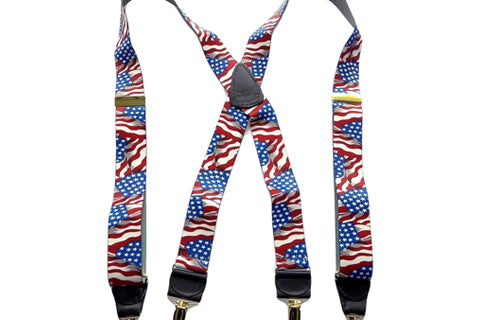
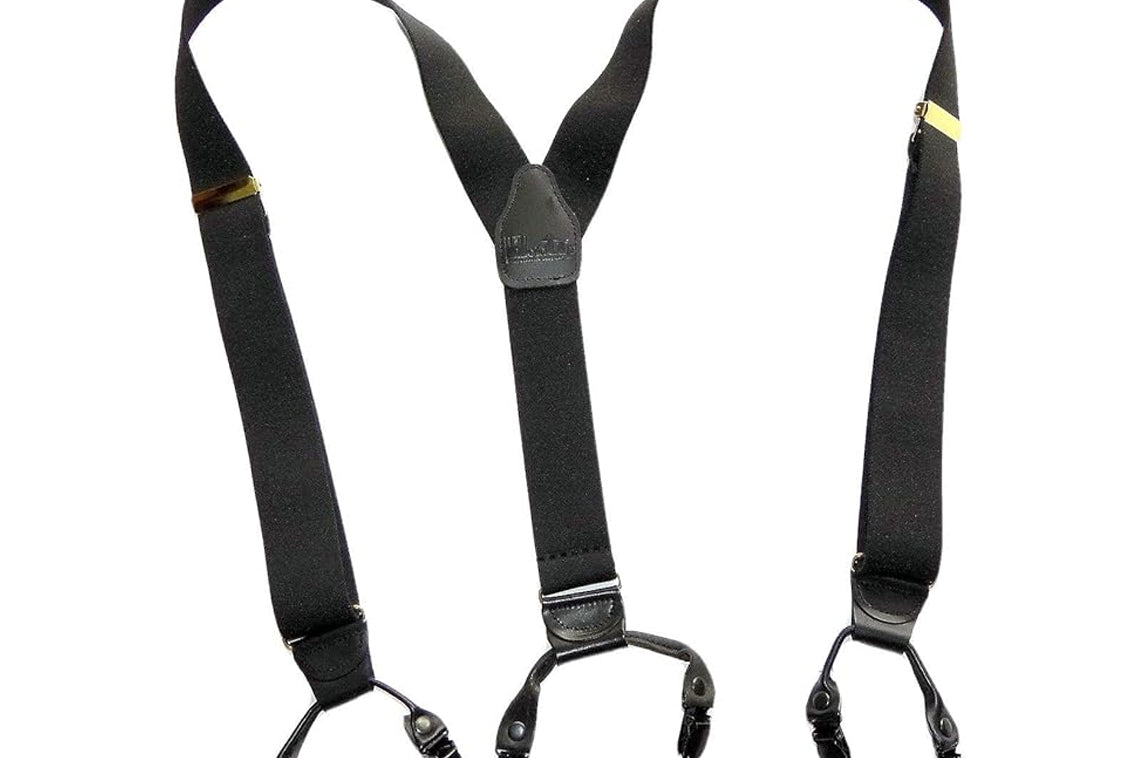
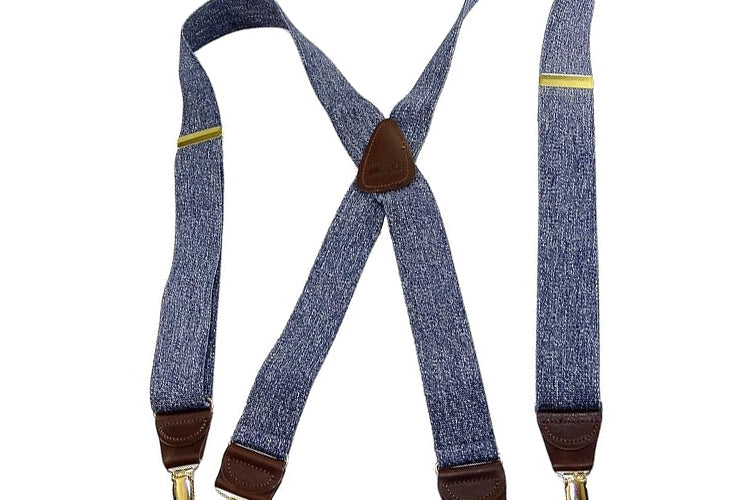
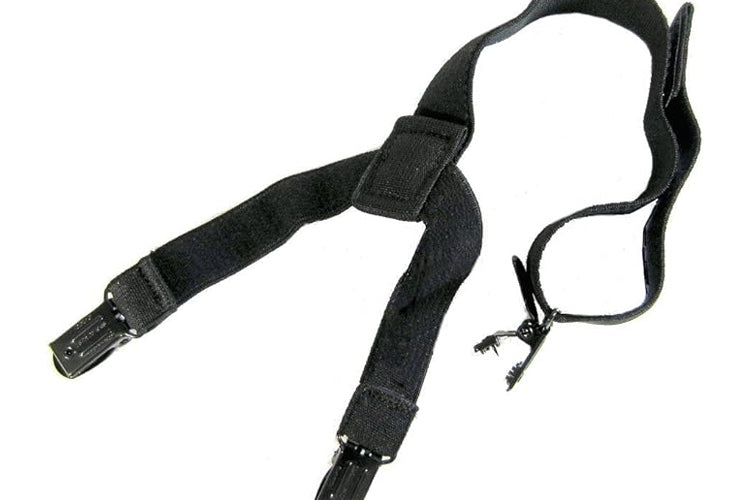
Suspenders, by contrast, were never designed as a posture or back support product at all. Their original and primary function is holding trousers in position by carrying the weight from the shoulders rather than the waist. Any postural benefit suspenders provide is a secondary effect of this primary function rather than the product's intended purpose.
The postural mechanism suspenders provide operates through two pathways. First, removing waist compression eliminates a contributing factor to anterior pelvic tilt, which can flatten the natural lumbar curve during sitting and standing. Second, the straps running over the shoulders create proprioceptive feedback: when posture begins to slip into a slouched position, the change in strap position is noticeable to the wearer, prompting an active correction using the body's own postural muscles.
This is a fundamentally different category of effect from what a medical back brace provides. Suspenders do not restrict movement, do not apply rigid structural support to the spine, and are not calibrated to address any specific diagnosed condition. They are ordinary clothing that happens to encourage slightly better posture as an incidental benefit of how they function, which is an entirely appropriate role for everyday use by a generally healthy person without a diagnosed back condition.
Why Comparing the Two Directly Can Be Misleading
Framing suspenders and medical back braces as competing options for the same problem risks two different mistakes, and it is worth being clear about both.
The first mistake is assuming suspenders can substitute for a medical back brace when a genuine diagnosed condition is present.

If a healthcare provider has recommended a back brace for a specific injury, post-surgical recovery, or diagnosed structural issue, suspenders are not an appropriate substitute. They do not provide the level of structural support or movement restriction that a medical-grade brace is designed to deliver, and relying on suspenders instead of following medical guidance could allow a condition to worsen or recovery to be compromised. The guide on do suspenders help with sciatica or hip pain discusses the relief suspenders can provide from waist-compression-related nerve irritation, but this is a meaningfully different scenario from a diagnosed structural spinal condition that requires clinical management.
The second mistake is assuming a medical back brace is the appropriate everyday solution for someone without a diagnosed condition who simply wants better posture during a normal workday. Wearing a rigid medical-grade brace without a clinical need is generally discouraged by physical therapists, since the restriction and support the brace provides is disproportionate to ordinary postural maintenance needs and can contribute to reduced core muscle engagement over time in a healthy person who did not need that level of external support in the first place.
The Right Comparison: Suspenders vs Non-Medical Posture Correctors
A more useful and fair comparison is between suspenders and the consumer posture-corrector products marketed for everyday use, rather than clinical medical braces. These consumer products, often a harness-style brace worn over the shoulders, are designed specifically for the general posture-improvement market that suspenders are sometimes informally compared against.
Consumer posture correctors work similarly to compression shirts in that they apply continuous tension across the shoulders and upper back to physically pull the shoulders into a corrected position. This is a passive correction mechanism, similar in principle to a mild version of a medical brace's approach but without the rigid structural support and without requiring a diagnosed condition to justify its use.

Suspenders differ from these consumer posture correctors in the same way they differ from compression shirts: the correction is active rather than passive. The consumer posture corrector physically repositions the shoulders through sustained tension; suspenders provide feedback that prompts the wearer's own muscles to do the repositioning. For sustainable, long-term postural habit-building in a healthy adult without a diagnosed condition, the active feedback mechanism generally produces a more durable improvement, since it engages the postural muscles directly rather than relieving them of the work.
When Suspenders Are the Appropriate Choice
For the large majority of people interested in everyday postural improvement, who do not have a diagnosed back condition requiring clinical management, suspenders are an appropriate and genuinely useful tool, particularly because they integrate into normal daily clothing rather than requiring a separate dedicated device.
For desk workers experiencing the general postural decline that comes from prolonged sitting and screen use, without any specific diagnosed condition, suspenders provide a gentle, continuous feedback mechanism throughout the workday that encourages upright sitting without any of the discomfort or muscular dependency concerns associated with rigid bracing. The combination of removing waist compression and providing shoulder feedback addresses two genuine contributors to everyday postural decline simultaneously.
For workers who carry tool belts or equipment at the waist throughout a physically demanding workday, suspenders address a specific mechanical contributor to lower back strain by removing the waist compression that a loaded belt creates, which is a meaningfully different and more relevant concern for that population than general upper-back rounding. The full case for why suspenders are better than belts covers this practical comfort and postural benefit in more depth.
For anyone choosing suspenders specifically for this everyday postural benefit, correct fit matters considerably for the feedback mechanism to function as intended. The guide on how to stop suspenders from digging into shoulders covers the adjustment needed to ensure the straps provide useful positional feedback without creating their own discomfort that would undermine daily wearability.
When a Medical Back Brace Is the Appropriate Choice
A medical back brace is the appropriate choice specifically when a healthcare provider has diagnosed a condition that warrants this level of support, or during a defined recovery period following injury or surgery. Examples include recovery from spinal fusion surgery, management of a diagnosed disc condition under medical supervision, or support during the acute phase of a significant back injury where movement restriction is part of the treatment plan.
In these situations, the medical brace is doing genuinely necessary structural work that no piece of clothing, suspenders included, is designed or calibrated to replicate. Following the treatment plan and duration recommended by the healthcare provider, rather than substituting a non-medical product, is the appropriate course of action when a real diagnosed condition is present.
Signs You Should Consult a Professional Rather Than Choose Either Product
Persistent back pain, numbness or tingling radiating into the limbs, pain that worsens despite rest, or any back discomfort following a specific injury or fall are signs that a conversation with a healthcare provider is the appropriate next step rather than self-selecting between suspenders and any kind of back brace. Both products discussed in this comparison are appropriate for different non-emergency contexts, but neither is a substitute for proper medical evaluation when genuine red-flag symptoms are present.
For everyday mild postural concerns without these warning signs, either suspenders or a consumer posture corrector are reasonable starting points, with suspenders generally offering the more sustainable long-term approach due to their active feedback mechanism and complete integration into normal daily wear.
Frequently Asked Questions
Can suspenders replace a medical back brace prescribed by my doctor
No. If a healthcare provider has prescribed a medical back brace for a diagnosed condition, post-surgical recovery, or injury management, suspenders are not an appropriate substitute. Medical braces provide a level of structural support and movement restriction that ordinary clothing, including suspenders, is not designed or calibrated to deliver. Following your healthcare provider's specific recommendation is the appropriate course of action rather than substituting a non-medical product.
Are suspenders strong enough to help with chronic back pain
Suspenders can provide meaningful relief specifically for back discomfort connected to waist compression, such as from a tight belt or a heavy loaded tool belt, since they remove that compression entirely. However, suspenders are not a treatment for chronic back pain with other underlying causes, such as a structural spinal condition, disc issue, or muscular injury. Persistent or chronic back pain should be evaluated by a healthcare provider to identify the underlying cause and appropriate treatment, which may or may not include a medical-grade brace.
Is it safe to wear a medical-grade back brace every day without a diagnosed condition
Generally, this is not recommended. Wearing a rigid medical-grade brace continuously without a diagnosed need can contribute to reduced core muscle strength over time, since the muscles that should be doing the work of maintaining posture and spinal stability are relieved of that responsibility by the brace. For everyday postural support without a diagnosed condition, suspenders or a milder consumer posture corrector are generally more appropriate than a clinical-grade device.
What is the main difference between a consumer posture corrector and a medical back brace
A consumer posture corrector is a non-clinical product marketed for general postural improvement in healthy individuals, typically applying moderate continuous tension across the shoulders to encourage upright positioning. A medical back brace is a clinical device, often more rigid and structurally supportive, prescribed for a specific diagnosed condition, injury recovery, or post-surgical stabilization under healthcare provider guidance. The medical brace provides significantly more structural support and is intended for a defined therapeutic purpose rather than general everyday posture maintenance.
Should I see a doctor before trying suspenders for posture
For general mild postural concerns without any specific pain, injury, or diagnosed condition, trying suspenders as an everyday accessory does not require a doctor's visit beforehand, since they are ordinary clothing rather than a medical device. However, if you are experiencing persistent back pain, numbness, tingling, or pain following a specific injury, consulting a healthcare provider before trying any posture product, suspenders included, is the appropriate first step to rule out a condition that may need proper medical evaluation and treatment.