

Drawstring pants and suspenders solve different parts of the travel comfort problem and are not direct substitutes for each other. Drawstring pants offer a soft, adjustable waistband that flexes easily during sitting and standing through security lines, long flights, and varying activity levels. Suspenders, worn with tailored or structured trousers, remove waist pressure entirely while preserving a more polished appearance than drawstring pants typically allow. For travelers prioritizing comfort above all else, drawstring pants are usually the simpler choice. For travelers who need to look put together while staying genuinely comfortable, suspenders paired with the right trouser are the stronger option.
Travel comfort and travel appearance are often treated as opposing goals, and the choice between drawstring pants and suspenders is really a choice about how much each traveler is willing to trade one for the other. Understanding what each option actually does mechanically, rather than just which one feels more familiar, makes it easier to choose correctly based on the specific trip, the activities planned, and how much the traveler cares about arriving looking presentable rather than just comfortable.
How Drawstring Pants Solve Travel Comfort
Drawstring pants address travel comfort through simplicity and softness. The waistband is typically an elasticated or fabric-channel design with a drawstring that the wearer can tighten or loosen by hand, providing immediate, on-demand adjustment without any tools or removal of clothing required.
This makes drawstring pants extremely responsive to the specific comfort demands of travel: tightened slightly for walking through an airport with a bag, loosened during a long seated flight, adjusted again after an in-flight meal when the stomach distends. The drawstring mechanism gives the wearer direct control over waistband tension at any moment, which is a genuine advantage for situations involving frequent changes in activity and position over many hours.
The fabric used in most drawstring travel pants is also typically soft, often a stretch-woven or jersey-style material, which adds a layer of comfort beyond just the waistband mechanism. The overall garment is designed around comfort as the primary goal, with structure and formality as secondary considerations.
How Suspenders Solve Travel Comfort Differently
Suspenders take an entirely different mechanical approach to the same underlying travel comfort problem. Rather than making the waistband softer or more adjustable, suspenders remove the waistband's load-bearing function from the equation altogether by carrying the trouser's weight from the shoulders.
This produces a different kind of comfort than drawstring pants provide. Where a drawstring pant reduces waistband tension to a comfortable, adjustable level, suspenders eliminate waistband tension as a factor entirely. The trouser worn with suspenders does not need to grip, cinch, or apply any pressure at the waist to stay in place, since the suspenders are doing that structural work from the shoulders instead.
The practical advantage during travel specifically relates to the same scenarios drawstring pants address, extended sitting, post-meal distension, varying activity levels, but suspenders handle these without requiring any manual adjustment throughout the journey. Once correctly fitted before departure, suspenders typically do not need to be touched again during the trip, unlike a drawstring that may need retightening or loosening as conditions change. The guide on why suspenders are better than belts covers this no-compression mechanism in more general terms, and the same logic extends directly to why suspenders perform well during the specific comfort demands of travel.
The Appearance Trade-Off Between the Two Options
The most significant practical difference between drawstring pants and suspenders for travel is not comfort itself but the appearance trade-off each option requires, and this is often the deciding factor for travelers choosing between them.
Drawstring pants, even well-made ones in a structured fabric, generally read as casual or athletic-adjacent rather than polished. This is a reasonable trade-off for a long-haul flight where comfort is the only priority and no one expects business attire, but it becomes a liability for travelers who need to disembark and head directly into a meeting, a formal event, or any situation requiring a more put-together appearance without time to change clothes first.
Suspenders, worn with a properly fitted pair of trousers, maintain a far more polished and intentional appearance throughout the journey. A traveler wearing tailored trousers supported by suspenders rather than a tight belt achieves a look that is appropriate for business travel, formal occasions immediately following arrival, or simply a personal preference for not looking like they just got off a plane, while still gaining the comfort benefit of removing waist compression. The guide on how to wear suspenders with a suit covers how to maintain this polished appearance specifically in the context of tailored trousers, which is directly relevant for business travelers weighing this trade-off.
Comparing Comfort During Specific Travel Situations
Breaking the comparison down by specific travel scenarios clarifies which option performs better in each common situation a traveler is likely to encounter.

During airport security and walking with luggage: Drawstring pants offer slightly more flexibility here since the waistband can be loosened on the spot if walking with a heavy bag creates discomfort. Suspenders perform adequately in this scenario as well, since there is no waist compression to begin with, but they do not offer the same instant manual adjustability that a drawstring provides.
During extended sitting on a flight: Both options perform well, but through different mechanisms. The drawstring's elastic and adjustable nature accommodates the seated position's natural compression against the waistband. Suspenders remove the waistband compression factor entirely, meaning there is no compression to accommodate in the first place. For very long flights, the suspender approach tends to produce less cumulative discomfort since there is no waistband tension building over many hours of sitting.
After in-flight meals: This is one of the clearest comparison points. A drawstring can be loosened to accommodate post-meal distension, providing genuine relief. Suspenders avoid the problem altogether since there was no waistband tension to begin with, meaning the stomach can expand without any external pressure regardless of the trouser's specific waistband design. The guide on benefits of suspenders for sensitive abdomen support covers this specific advantage in more depth.
Arriving and needing to look presentable immediately: Suspenders clearly outperform drawstring pants here, since tailored trousers supported by suspenders maintain a polished appearance throughout the journey, while drawstring pants generally require a change of clothes before any formal or business activity.
Which Travelers Should Choose Drawstring Pants
Drawstring pants remain the better choice for travelers whose priority is maximum comfort with no appearance requirements at the destination, or for very long-haul flights where the entire journey is the primary consideration rather than arrival appearance.
Leisure travelers heading directly to a hotel room to change, overnight long-haul flights where sleep comfort is the priority, and travelers who simply prefer the soft, casual feel of drawstring fabric over any structured trouser are all well served by this option. The simplicity of on-demand manual adjustment also appeals to travelers who prefer having direct control over their comfort at any given moment rather than relying on a garment system set once before departure.
Which Travelers Should Choose Suspenders
Suspenders are the stronger choice for business travelers, anyone with activities immediately following arrival that require a polished appearance, or travelers who want genuine comfort without sacrificing the look of tailored, structured clothing.
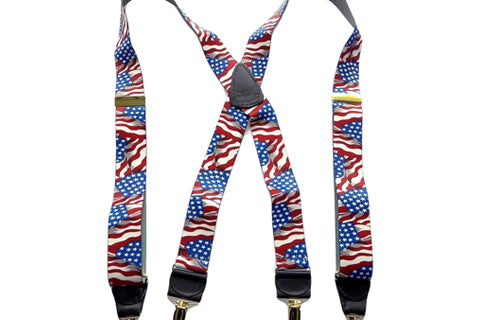
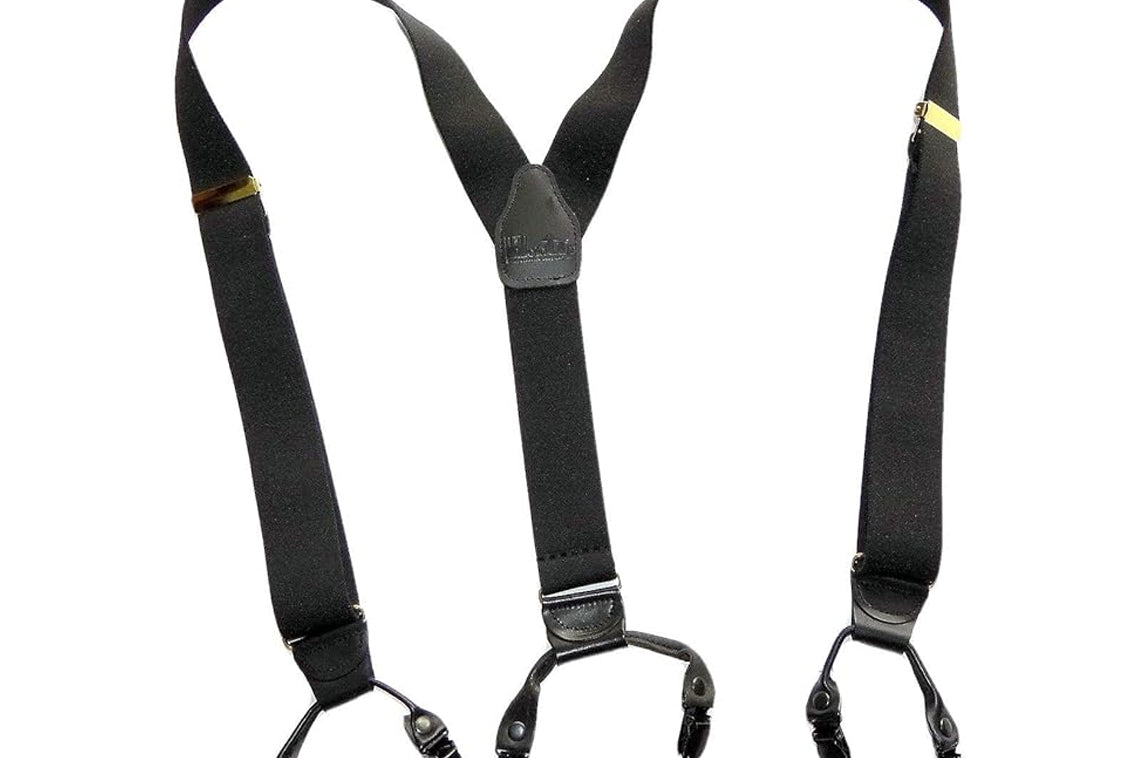
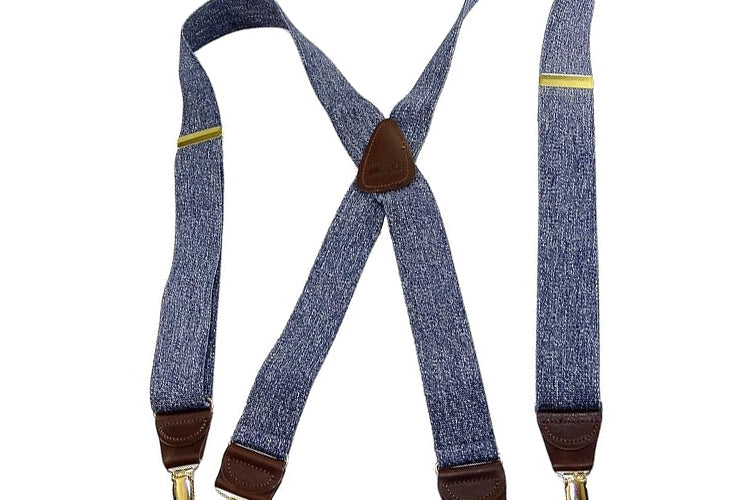
For frequent business travelers specifically, the ability to maintain comfort across a long flight while still arriving in trousers appropriate for an immediate meeting is a significant practical advantage that drawstring pants cannot replicate. The classic series X-back suspenders provide a reliable, comfortable option suited to this kind of travel, with a secure no-slip clip that holds position throughout a long journey without requiring any adjustment.

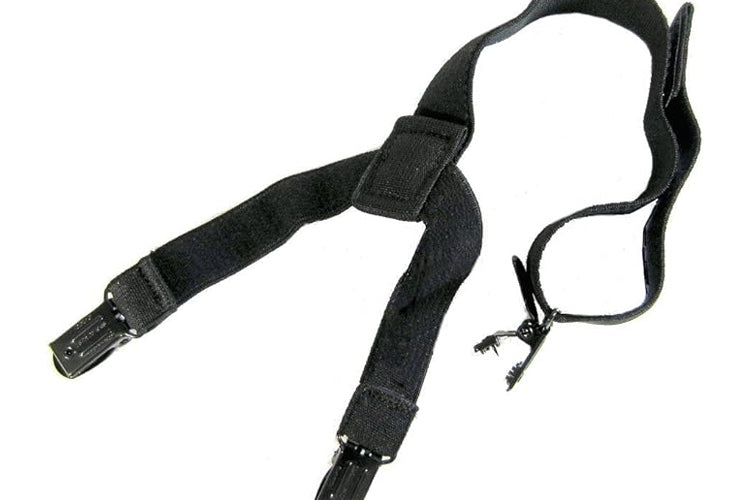
For travelers who spend significant time seated during travel, whether on a plane, train, or in a car for an extended road trip, the side-clip configuration addressed in the guide on why trucker style suspenders are better for lumbar support seats is worth considering, since it removes the discomfort a rear-crossing strap can create against a seat back during many consecutive hours of sitting.
Combining Elements of Both Approaches
For travelers who want to capture some benefit from both approaches, a relaxed-fit trouser with a soft fabric and a slight waistband stretch, worn with suspenders rather than a drawstring or belt, offers a middle path that maintains more polish than true drawstring pants while still providing some of the give and softness that makes drawstring pants comfortable.
This combination works particularly well for travelers who want one outfit that can comfortably handle both the flight itself and a reasonably presentable arrival, without needing to change clothes or carry two distinct outfits for these different needs. The trouser provides a soft, forgiving fit through the fabric and cut, while the suspenders ensure the waistband never needs to bear any actual load-bearing function throughout the journey.
Frequently Asked Questions
Are drawstring pants more comfortable than suspenders for long flights
For many travelers, drawstring pants feel more immediately comfortable due to their soft fabric and instant manual adjustability. However, suspenders worn with the right trouser can match or exceed this comfort over the course of a very long flight, since they remove waistband pressure entirely rather than just making it adjustable. The practical difference often comes down to personal preference for soft, casual fabric versus structured trousers without any waist compression.
Can suspenders be worn with casual travel pants instead of formal trousers
Yes. Suspenders are not limited to formal or tailored trousers and can be worn with casual chinos or relaxed-fit travel pants as long as the trouser has a waistband suited to suspender attachment, ideally without relying entirely on a drawstring or elastic-only waistband with no structure to support the clip or button attachment point.
Why do my pants still feel tight on a flight even with a drawstring
A drawstring loosens the waistband but does not eliminate waistband pressure entirely, since the fabric is still circling the waist even at its most relaxed setting. If discomfort persists despite loosening the drawstring fully, the underlying issue may be the waistband itself rather than its tension, in which case a trouser supported by suspenders rather than any waist-level mechanism would remove the pressure factor more completely.
Is it practical to wear suspenders through airport security
Yes. Suspenders do not typically interfere with airport security screening any more than a belt would, and many travelers find them more convenient than a belt since there is no buckle to remove before passing through a metal detector or body scanner in some security setups, though policies can vary by airport and screening method.
What is the best trouser to pair with suspenders for travel comfort
A relaxed-fit trouser in a soft, slightly stretch fabric, with a structured but not overly stiff waistband suited to clip or button attachment, provides the best balance of comfort and the polished appearance suspenders are meant to support. Avoid trousers with only an elastic or drawstring waistband and no structure, since these do not provide a stable attachment point for suspender hardware to function correctly.