
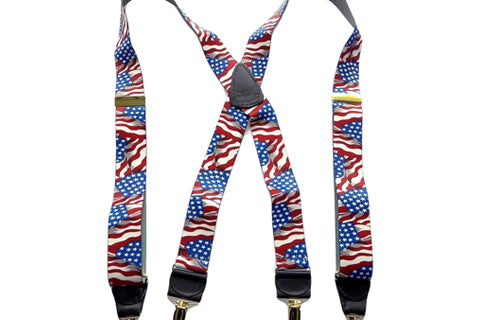
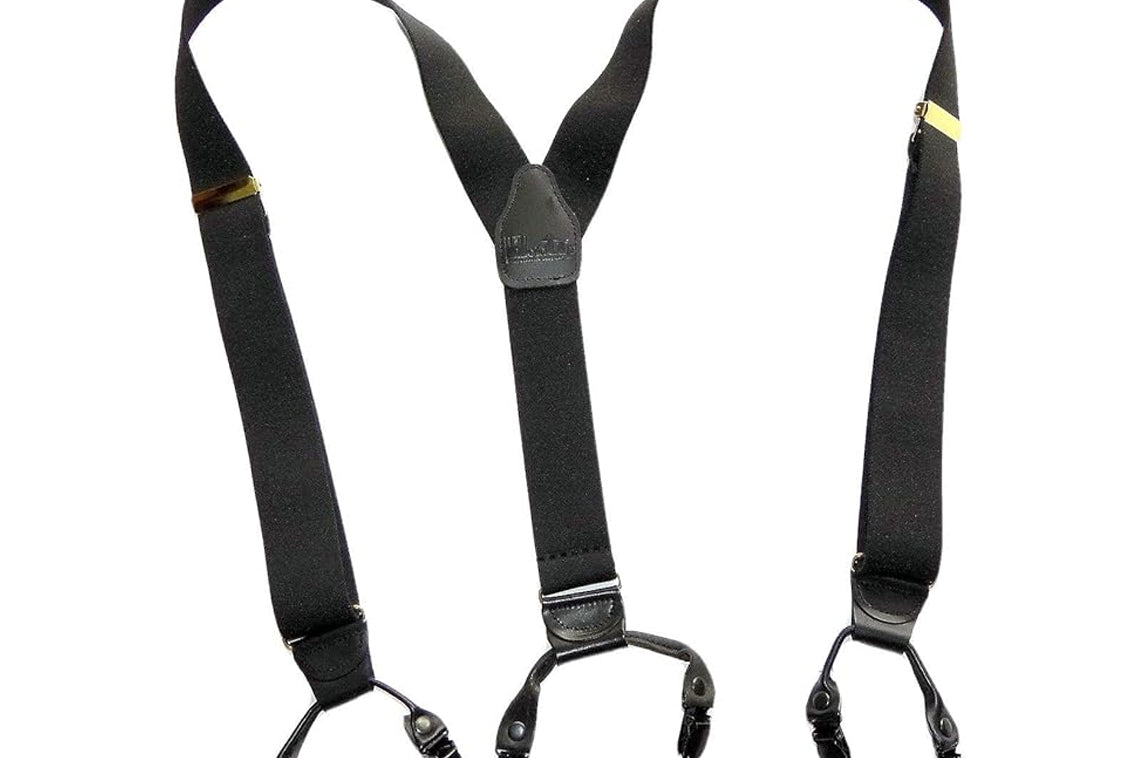
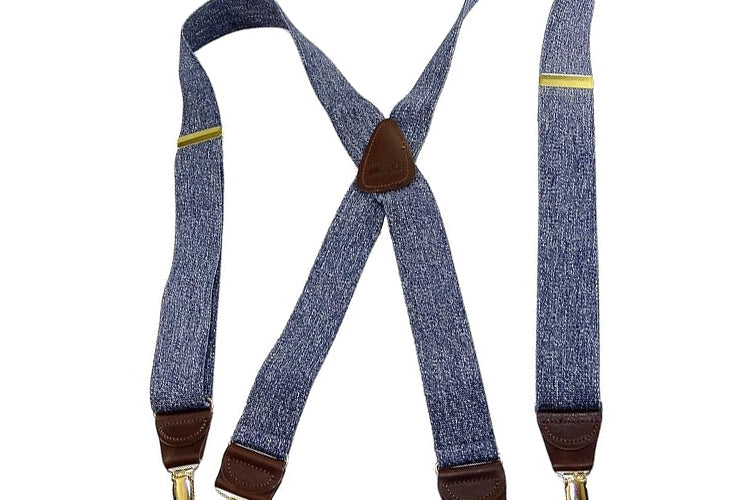
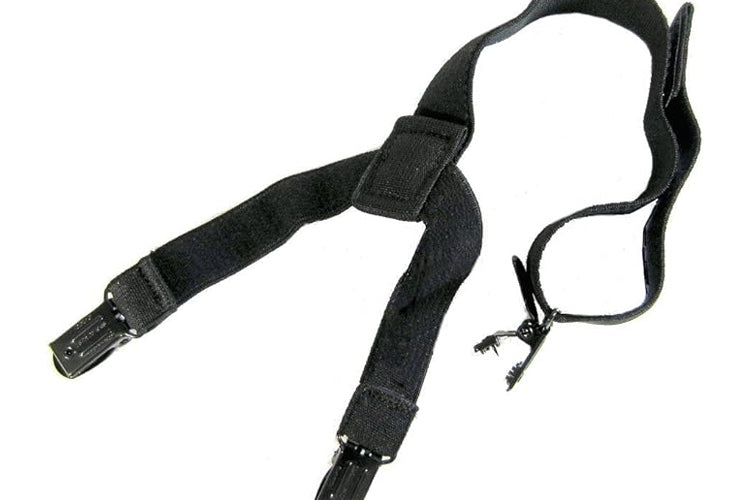

Suspenders are called braces in the UK because the term comes from the Old French word "brasser," meaning to brace or hold firm, which described how the straps braced the trousers upright from the shoulders. The word "suspenders" developed separately in American English to describe the same garment, creating a transatlantic naming split that has persisted ever since.
The same garment, two completely different names, and both are technically correct. If you have ever searched for suspenders on a British retailer's website and come up empty, or asked for braces in an American menswear store and received a confused stare, you have encountered one of the most persistent pieces of clothing vocabulary that divides the English-speaking world. Understanding why it happened, when it happened, and what it means for buying and wearing the garment today is more useful than most people expect.
The Origins of the Word Braces
The word "braces" predates "suspenders" in the fashion vocabulary of the English-speaking world. Its roots trace back to Old French and early English usage, where "brace" referred to the act of holding or supporting something firmly in position. When the garment first appeared in the early nineteenth century as a practical solution for keeping trousers up without a tight waistband, British English reached for this existing vocabulary.
The logic was mechanical. The straps held the trousers in a braced, upright position. They braced the garment against the pull of gravity, much the same way a structural brace holds a wall or a frame in place. British English has always had a tendency to name garments after what they physically do to the body or to other clothing, and braces followed that pattern directly.
The garment itself is widely credited to Albert Thurston, a British maker who began producing suspenders in London around 1820. The art of wearing suspenders as a deliberate style choice rather than purely a functional one grew from this period, and the British vocabulary for the garment solidified alongside its adoption into everyday menswear.
Why Americans Started Using the Word Suspenders

American English developed its vocabulary for this garment along a different path. The word "suspenders" derives from the Latin "suspendere," meaning to hang or suspend from above. Where British English focused on what the straps did to the trousers (braced them up), American English focused on the mechanism: the trousers were suspended from the shoulders.
Both descriptions are physically accurate. The straps do brace the trousers and they do suspend them. The difference is purely in which aspect of the function each language tradition chose to emphasize. American English formalized the word "suspenders" through the nineteenth century as the garment became widely adopted across the United States, and by the time transatlantic communication and trade became regular, the terminology on each side had already become entrenched.
This kind of divergence is not unusual in clothing vocabulary. Americans call them "pants" where the British say "trousers." Americans say "vest" where the British say "waistcoat." The suspenders and braces split follows the same pattern of two populations developing independent vocabulary for the same garment without enough regular exchange to standardize the language early on.
The Complication With the Word Suspenders in British English
There is an additional layer to this naming split that makes it more than just an interesting linguistic footnote. In British English, the word "suspenders" is not interchangeable with "braces." It refers to something else entirely: the elastic straps attached to a suspender belt or garter belt that hold up stockings.
This means that asking for "suspenders" in a traditional British menswear context does not produce the same result as it would in an American store. The request would be understood as referring to hosiery accessories rather than trouser-supporting straps. This is not just a theoretical distinction; it is a practical source of genuine confusion when British and American clothing vocabulary meets, whether in a shop, in a tailoring consultation, or in online shopping.
For anyone buying the garment internationally, knowing to search under "braces" in UK and Commonwealth markets and "suspenders" in American markets is the practical takeaway from this linguistic history.
When Did Men Stop Wearing Braces and Start Using Belts
The mid-twentieth century saw a significant shift away from braces and suspenders toward belts as the dominant trouser-support method in both British and American menswear. The reasons were practical and cultural in roughly equal measure.
Military uniforms during the two World Wars relied heavily on belts for their practicality, speed of use, and compatibility with the range of equipment soldiers carried. When millions of men returned to civilian life after each conflict, they brought belt-wearing habits with them. The belt became associated with utility, modernity, and a less formal approach to dressing that suited the changing social culture of the mid-twentieth century.
The fashion industry also played a role. Ready-to-wear suits of the postwar era were often cut with lower waistlines and belt loops rather than the internal button attachments that braces require, which made belts the path of least resistance for the average consumer. The full history of why men stopped wearing suspenders covers this cultural shift in detail, including the role of celebrity influence and changing silhouettes in moving the mainstream away from braces.
The Return of Braces as a Style Statement
Braces and suspenders never disappeared entirely from menswear, but their status shifted from everyday necessity to considered style choice. In British tailoring culture, braces continued to be associated with City professionals, particularly in the financial sector, where the combination of high-waisted trousers and braces remained a marker of traditional sartorial knowledge.
The broader cultural revival of interest in heritage menswear, vintage aesthetics, and the visible rejection of the belt as the default trouser solution has brought braces back into wider use on both sides of the Atlantic. The classic series X-back suspenders represent the kind of reliable, well-made product that serves both the traditional British braces wearer and the American suspender enthusiast equally well.

This revival is not purely aesthetic. The functional case for braces and suspenders over belts has always been sound, and more wearers are discovering it afresh. The comparison of why suspenders are better than belts covers the practical advantages that have kept the garment in use across two centuries regardless of fashion cycles.
X-Back vs Y-Back Braces and What the Difference Means
Whether you call them braces or suspenders, the same design variations exist on both sides of the Atlantic. The two primary configurations are the X-back and the Y-back, and they affect both the comfort and the formality of the garment.
X-back braces cross over at the back, distributing the load of the trousers across both shoulders and creating a wider contact area on the back. This configuration is considered more traditional and is generally associated with classic British brace styling. It also provides better load distribution for heavier trousers or for wearing through a full day of activity.
Y-back braces converge into a single strap at the back, which creates a cleaner line under a fitted jacket and is often preferred in formal or business contexts. The single back strap sits more discreetly under tailored clothing.
For a full breakdown of button suspenders versus clip-on styles and which works better in different trouser types, the practical differences matter as much as the aesthetic ones, particularly when choosing braces for high-quality suit trousers where clip damage is a genuine concern.
How to Wear Braces the British Way
British brace-wearing tradition has a few conventions that differ slightly from the more relaxed American approach to suspenders. Understanding these conventions is useful whether you are adopting the garment for the first time or refining a look that already includes braces.
In traditional British tailoring, braces are worn under the waistcoat or jacket and are never meant to be visible during formal occasions. The braces do their structural work invisibly, supporting the trousers and maintaining the clean line of the suit without drawing attention to themselves. Wearing braces visibly is a more modern and American-influenced interpretation.
Here is what the traditional British approach looks like in practice:
- High-waisted trousers with internal button attachments rather than belt loops
- Braces worn under the waistcoat during formal events, revealed only when the jacket is removed
- No belt loops on the trousers at all, since the presence of belt loops alongside braces signals a lack of tailoring knowledge in traditional British menswear
- Hardware in silver or brass that matches other metal accessories
For those adopting a more visible brace style, the guide on what to wear with button suspenders covers the accessory coordination logic that makes visible braces look intentional rather than accidental.
Braces in British Subcultures and Street Style
Beyond traditional tailoring, braces have a distinct history in British subcultural style that has no direct American equivalent. The skinhead subculture of the late 1960s and early 1970s adopted braces as a prominent style signifier, worn visibly over rolled-up jeans and work boots. This was a working-class aesthetic that deliberately repurposed a formal garment in an informal, visible context.
The mod revival of the late 1970s and early 1980s, as well as the subsequent adoption of braces by punk and later indie subcultures, cemented the garment's status in British street style as something that could carry subcultural meaning independent of its formal tailoring roots.
This cultural layering means that in the UK, braces carry a wider range of style associations than suspenders do in the United States. The same garment can signal City banker, Savile Row client, skinhead heritage, or indie musician depending entirely on how it is styled and in what context it appears. For anyone exploring the casual suspenders end of the style spectrum, understanding this range of associations helps in making deliberate choices about how the garment reads in a given context.
Buying Braces or Suspenders Today
Whether you are shopping in the UK market for braces or in the American market for suspenders, the same practical criteria apply to making a good purchase. Width, back style, attachment method, fabric, and hardware quality are the decisions that determine how well the garment performs and how long it lasts.
For formal occasions on either side of the Atlantic, the formal series satin-finished suspenders offer the sheen and structure that black-tie and business formalwear require. For everyday professional wear, the corporate series satin-finished suspenders sit at the right point between polish and practicality.
For men who need a longer strap length due to height or torso proportion, the extra-long suspenders for big and tall men solve the fit problem that standard-length braces create for taller wearers. Getting the strap length right is fundamental to how well braces support posture and trouser position, regardless of which name you use for the garment.

If you are new to wearing braces or suspenders and unsure where to start with the fit, the guide on how to measure for suspenders takes you through the torso measurement process step by step and ensures the pair you choose works correctly for your frame from the first wear.
Frequently Asked Questions
Are braces and suspenders exactly the same garment
Yes. Braces and suspenders are the same garment described by two different names in British and American English respectively. Both refer to the straps worn over the shoulders to hold trousers up from above rather than securing them at the waist with a belt. The garment is functionally and structurally identical regardless of which term is used.
Why does the word suspenders mean something different in British English
In British English, the word suspenders refers to the elastic straps attached to a suspender belt or garter belt that hold up stockings. This meaning predates the widespread American use of the word for trouser straps in British cultural vocabulary, which is why British English retained the word braces for the trouser garment and kept suspenders for its original hosiery meaning. Asking for suspenders in a traditional British clothing context will typically be understood as referring to hosiery accessories.
When did braces first become a fashion item rather than just a functional garment
Braces became a deliberate fashion and style choice rather than purely a functional necessity from the early twentieth century onward, particularly in British tailoring culture where the quality of the brace fabric, the attachment hardware, and the coordination with the suit were treated as markers of sartorial knowledge. The more recent revival of interest in heritage menswear from roughly the 1980s onward brought braces back into wider fashion consciousness, where they now function as a style statement as much as a practical trouser solution.
Is it considered old-fashioned to wear braces in the UK today
No. Braces remain a current and widely worn garment in the UK across a range of contexts, from traditional City professional wear to casual and street-influenced styling. The perception of braces as old-fashioned is largely a product of the mid-twentieth century belt era rather than a reflection of current menswear culture. In contemporary British style, braces are associated with both classic tailoring knowledge and a considered approach to getting dressed.
Should belt loops be removed from trousers worn with braces
In traditional British tailoring, high-waisted suit trousers made specifically for brace-wearing have internal button attachments and no belt loops at all. The presence of belt loops alongside braces on the same trousers is generally considered a sign that the trousers were not made with brace-wearing in mind. For casual or contemporary styling, wearing braces with trousers that have belt loops is acceptable, but for a formal or traditional look, trousers without belt loops and with button attachments are always the more correct choice.