

The best suspenders for hunting bibs and waders are wide, heavy-duty designs with jumbo no-slip gripper clasps, reinforced elastic that maintains tension through extended physical wear, and attachment hardware rated for the load of full wader or bib gear. Width of at least 1.5 to 2 inches, a secure X-back or H-back configuration, and corrosion-resistant hardware are the specifications that separate a purpose-built hunting suspender from a general-use pair that will fail in the field.
Hunting suspenders face a set of demands that most suspenders are simply not designed to meet. Waders and bibs are heavier than standard trousers, often soaked with water, mud, or debris, and worn through sustained physical activity in cold, wet, and rough terrain. The suspenders carrying that weight need to grip without slipping, hold their elastic tension through a full day of movement, resist rust and corrosion from water exposure, and sit comfortably enough on the shoulders that they do not become a distraction when focus on the hunt is what matters. Getting the specifications right before buying prevents the field failure that comes from applying casual-wear thinking to demanding outdoor gear.
What Makes Hunting Suspenders Different From Standard Suspenders
The physical demands of hunting in bibs or waders create a different set of requirements from any other suspender context. Understanding the difference clarifies exactly which specifications to prioritize.
Weight is the first factor. Full waders, particularly chest waders in neoprene or heavier nylon, can weigh several pounds before water absorption is factored in. Hunting bibs in insulated or waterproof materials add similar weight at the waist and hip. Standard dress suspenders in 1-inch grosgrain are not engineered to carry this load across a full day of walking, wading, or crouching through terrain. The elastic degrades faster under sustained heavy load, the clips widen and lose grip, and the strap narrows into the shoulder rather than distributing the weight comfortably.
Movement range is the second factor. Hunting involves crouching, climbing, wading through current, bending to retrieve game, and sustained walking across uneven terrain. Each of these movements places different demands on the suspender attachment at the bib or wader waistband. A clip that holds reliably while standing still may release when the wearer bends deeply or when the wader's wet waistband is pulled downward by water resistance. Jumbo gripper clasps that bite into the fabric rather than simply squeezing it maintain grip across the full range of hunting movement.
Weather exposure is the third factor. Metal hardware in standard suspenders corrodes with repeated water exposure, particularly in saltwater environments for wading. Rust on a clip weakens the metal and eventually causes clip failure at exactly the moment when the wader is heaviest and the grip requirement is highest. The industrial series heavy duty suspenders address all three of these factors through heavier elastic construction, jumbo hardware, and materials selected for demanding physical environments.

Width and Configuration for Hunting Use
Width is the single most important specification for hunting suspenders, both for load distribution and for long-day comfort. The case for wider straps is more compelling in a hunting context than almost any other.
A 2-inch strap spreads the weight of heavy waders or bibs across twice the shoulder contact area of a 1-inch strap. The practical effect is the difference between a pressure point that creates discomfort after two hours of wear and a comfortable carry that remains manageable across a full day in the field. For anyone who has experienced the shoulder bruising that a narrow strap can create under a heavy load, the upgrade to wider straps is immediately understood. The detailed breakdown of 2-inch wide strap benefits for heavy duty suspenders covers the load distribution physics that make this width difference meaningful in physical wear contexts.
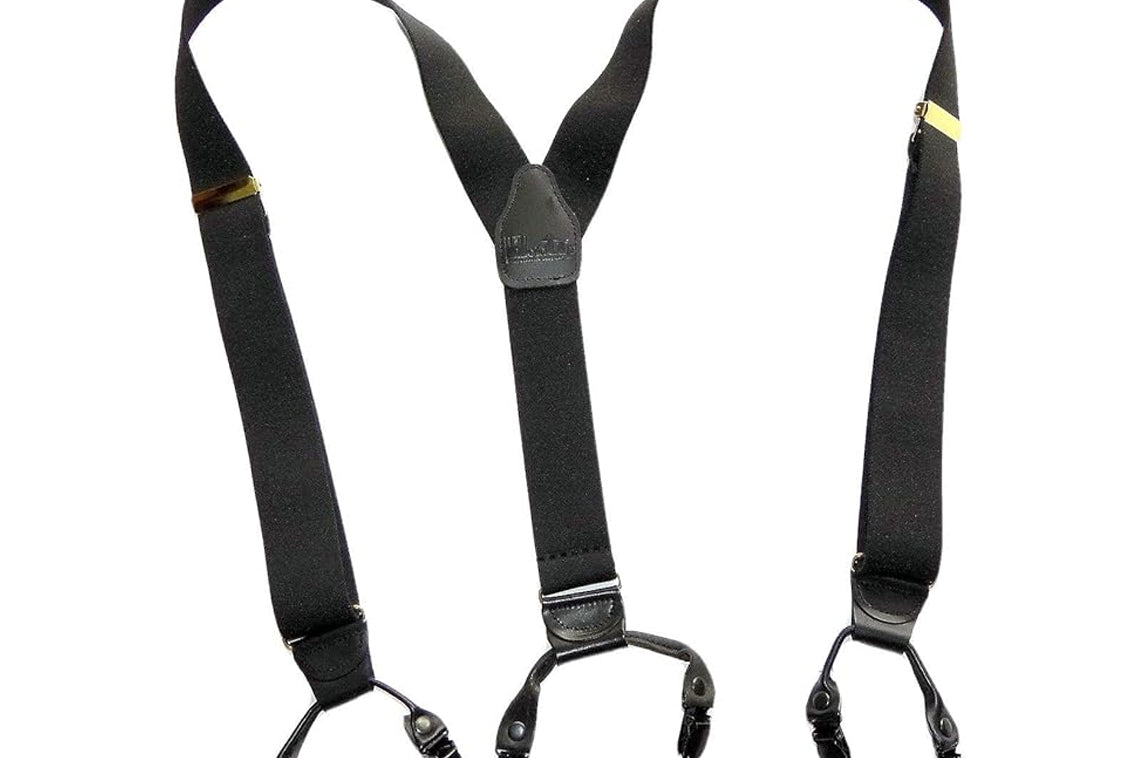
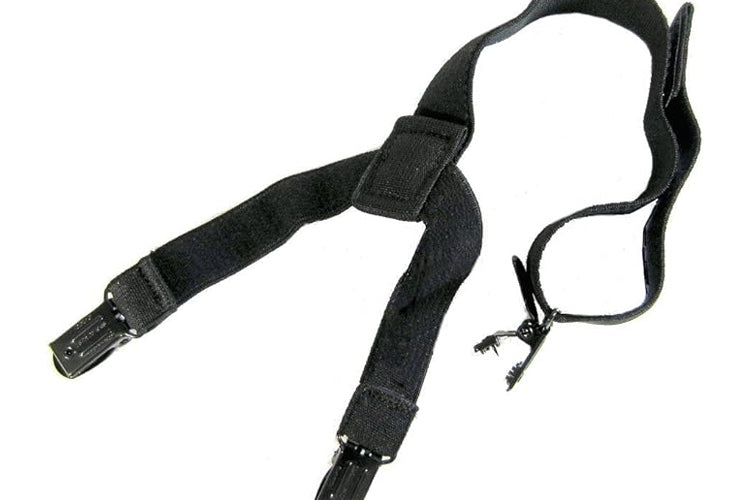
For configuration, hunting bibs and waders benefit from an X-back or H-back setup rather than a Y-back. The X-back provides four attachment points and crossed straps that self-correct laterally when the bib shifts during movement. In wading environments where current pulls at the wader legs, this lateral correction keeps the bib centered and the straps positioned correctly on the shoulders without manual adjustment. The hip clip series side clip trucker style suspenders offer an alternative configuration worth considering for hunters who spend significant time seated in a blind or vehicle between active hunting periods, as the side-clip geometry removes the pressure point that a rear-crossing strap creates against a seat back.

Gripper Clasp and Hardware Specifications
The clip or clasp hardware is where most general-purpose suspenders fail in hunting applications. Understanding which hardware specifications hold up under field conditions prevents the frustration of discovering a clip failure at the worst possible moment.
Jumbo gripper clasps with a no-slip design use a serrated or textured inner jaw that bites into the fabric of the bib or wader waistband rather than relying purely on squeeze pressure to hold position. This distinction matters because wader and bib fabrics are often thick, stiff, and sometimes wet, all of which reduce the effectiveness of smooth-jaw clips that depend on friction alone. A serrated gripper jaw maintains its hold regardless of fabric thickness or moisture at the attachment point.
Hardware material affects corrosion resistance across seasons of water exposure. For freshwater hunting and fishing environments, standard metal alloy hardware performs adequately when dried properly after use. For saltwater or brackish water environments, hardware with a corrosion-resistant finish or construction prevents the rust buildup that weakens clip mechanisms over multiple seasons. The guide on clip-on suspenders versus lobster claw hooks for security covers the security comparison between different attachment mechanisms and is directly relevant to choosing the right hardware for high-load field applications where clip release is not an option.
Key hardware specifications for hunting suspenders:
- Jumbo gripper clasps with serrated or textured inner jaw
- Metal alloy hardware rated for sustained load across a full day
- Corrosion-resistant finish for water exposure environments
- Smooth release mechanism for single-handed operation when wearing gloves
- Attachment point reinforcement at the junction between the clasp and the strap
Elastic Quality and Tension Retention
The elastic in hunting suspenders needs to perform differently from the elastic in a dress or casual suspender. The functional requirement is not simply comfort and flexibility but maintained tension under sustained load across a full day in variable conditions.
Standard dress suspender elastic is engineered for the weight of a suit trouser and the relatively static demands of office or formal wear. It will stretch appropriately under a light load and recover when the load is removed. Under the sustained heavy load of full waders or bibs, particularly when those garments are wet and carrying additional weight, standard elastic stretches progressively throughout the day and loses the tension needed to hold the bib at the correct position. By mid-afternoon, the bib is sagging and the straps have lost the firmness that keeps them positioned on the shoulders.
Heavy-duty elastic in work and industrial-grade suspenders uses a denser weave and a higher denier thread that resists progressive stretching under sustained load. The tension at the end of an eight-hour day in the field should be similar to the tension at the beginning, not a fraction of it. The full guide on heavy duty work suspenders covers the elastic specifications that separate industrial-grade construction from general-purpose alternatives, and those same specifications apply directly to hunting use.
Top Suspender Recommendations for Hunting Bibs and Waders
The following categories represent the strongest product choices for different hunting contexts, based on the width, hardware, elastic, and configuration requirements the activity demands.
For heavy chest waders in cold water or saltwater environments: The 2-inch wide heavy duty work suspenders with jumbo no-slip clips are the benchmark recommendation for this use case. The 2-inch strap width distributes the weight of full chest waders across the maximum shoulder contact area, the jumbo gripper clasps hold thick wader fabric without slipping under current resistance, and the heavy-duty elastic maintains tension through extended wading. This is the choice for serious waterfowl hunters and fly fishermen who spend full days in heavy waders.

For hunting bibs in upland or deer hunting contexts: A 1.5-inch heavy-duty suspender with reliable no-slip clips addresses the weight and movement demands of hunting bibs without the maximum strap width needed for chest waders. Bibs are lighter than full waders and the physical demands involve more varied terrain movement than sustained wading resistance. The industrial series heavy duty suspenders sit at the correct specification level for this application.
For hunters who alternate between vehicle and field: The side-clip configuration eliminates the discomfort of a rear-crossing strap when seated in a truck or blind for extended periods between active hunting. The guidance on why trucker style suspenders are better for lumbar support seats explains the seated comfort advantage of this configuration for anyone whose hunting day involves significant time in a vehicle.
For heated or early-season hunting in lighter bibs: A 1.5-inch work suspender with standard no-slip clips handles the load of lighter bibs without the bulk of a 2-inch industrial pair. Breathability becomes more relevant in warmer conditions, making lighter elastic a practical choice for early season duck hunting or upland bird work in moderate temperatures.
Fit and Adjustment for Hunting Gear
Getting the fit right for hunting suspenders is more critical than for any dress or casual application because field conditions make mid-day adjustment difficult or impractical. Setting the correct tension before entering the field prevents every subsequent problem.
The correct adjustment for hunting wader or bib suspenders:
- Put the waders or bibs on fully and loaded as they will be in the field, including any gear in bib pockets before setting the suspender tension
- Attach the front clips to the bib or wader waistband at the manufacturer's recommended attachment points or at the designated suspender loops if present
- Attach the rear clips and set the initial length adjustment so the straps lie flat across the shoulders with moderate tension
- Crouch to the deepest position the hunting activity requires and confirm the clips remain fully engaged and the straps do not pull free of the shoulders
- Wade into water if applicable and confirm the clip hold is maintained against the resistance of current
- Adjust the tension so the bib or wader sits at the natural waist without being pulled upward uncomfortably or sagging at the hip under load
If straps consistently shift or dig into the shoulders under load, the guide on adjusting hook placement for comfort on suspenders covers the specific attachment geometry adjustments that keep the straps positioned correctly during active physical movement.
For hunters with longer torsos who find standard-length suspenders cannot be set to the correct tension without running out of adjustment range, the extra-long suspenders for big and tall men provide the additional strap length needed to carry full chest waders comfortably on a taller frame.
Maintenance and Care for Hunting Suspenders
Hunting suspenders that are properly maintained last multiple seasons even under demanding conditions. The care routine is minimal but consistent.
After each use in water, particularly saltwater or muddy freshwater environments, rinse the hardware with clean fresh water and allow the straps and clips to air dry completely before storage. Salt and mineral deposits accelerate corrosion of metal hardware and degrade elastic over time if left to dry in place without rinsing.
Inspect the elastic after each season for progressive stretch or fraying near the clasp attachment points, which are the areas under the highest stress during heavy-load wear. Elastic that has permanently stretched beyond its recovery range will not return to functional tension and the suspenders should be replaced before the following season rather than relying on compromised elastic in the field.
The clips and clasp mechanisms should open and close smoothly without stiffness or visible corrosion. A corroded clip that requires significant force to open is a clip that may fail under field conditions. The guide on how to clean and maintain leather pad suspenders covers general suspender maintenance principles that apply across materials, including the specific care steps for metal hardware that extend the working life of quality suspender clasps.
Store hunting suspenders hung or laid flat rather than folded at the adjustment clasp points. Folding creates stress concentrations in the elastic at the fold point that accelerate elastic breakdown over a storage season. The guide on hanging versus rolling suspenders for storage confirms that hanging is the better long-term storage method for any elastic-based suspender.
Frequently Asked Questions
What width suspenders are best for heavy chest waders
Two-inch wide suspenders are the best choice for heavy chest waders. The wider strap distributes the weight of full neoprene or heavy-nylon chest waders across the maximum shoulder contact area, which reduces the concentrated pressure that causes shoulder fatigue during long days in the water. For lighter bibs or early-season waders in thinner materials, 1.5-inch straps provide adequate load distribution with slightly less bulk.
Can standard dress suspenders be used for hunting bibs
No. Standard dress suspenders are not engineered for the load, movement range, or water exposure demands of hunting bib and wader wear. The elastic will stretch progressively under sustained heavy load and lose the tension needed to hold the bib in position by mid-day. The clips, designed for the light fabric of dress trousers, will widen and lose grip on the thick fabric of hunting bibs. Purpose-built heavy-duty suspenders with jumbo gripper clasps and dense elastic are the correct choice for this application.
How do I keep wader suspenders from slipping off my shoulders while wading
The most effective solution is a combination of correct strap width, X-back configuration, and proper tension adjustment. An X-back configuration self-corrects laterally when current or movement pulls the wader sideways, which prevents the straps from sliding off the shoulder during wading. Strap tension should be set firm enough that the straps stay positioned on the natural shoulder ridge rather than migrating toward the neck or outer shoulder during movement. If slipping persists after correct adjustment, switching from a Y-back to an X-back configuration is the most reliable mechanical fix.
Do hunting suspenders need to be replaced every season
Not necessarily, but they should be inspected every season. Elastic that has permanently stretched, clips that show visible corrosion or operate stiffly, and straps that show fraying near the hardware attachment points all indicate that replacement before the following season is the safer choice than relying on compromised components in the field. Hunting suspenders that are rinsed after water use, dried completely before storage, and stored flat or hung rather than folded can last three to five seasons under regular use before elastic degradation becomes a functional concern.
Are there suspenders specifically designed for ice fishing bibs
Yes. Ice fishing bibs are among the heaviest bib garments available due to the insulation required for extreme cold, and the suspenders supporting them need to match that weight. The 2-inch jumbo gripper clasp heavy-duty suspenders used for chest waders are equally appropriate for ice fishing bibs. The additional consideration for ice fishing is that the attachment and release mechanism should operate easily with gloved hands, since removing bibs for a bathroom break or gear adjustment in sub-zero conditions with fine-motor limitations is a real practical constraint.