
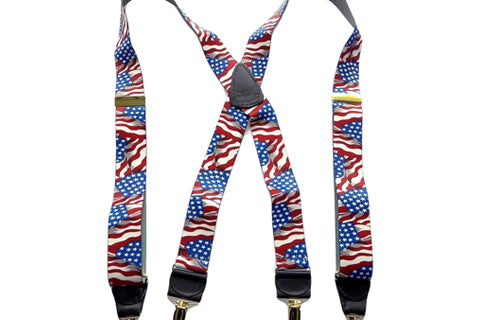
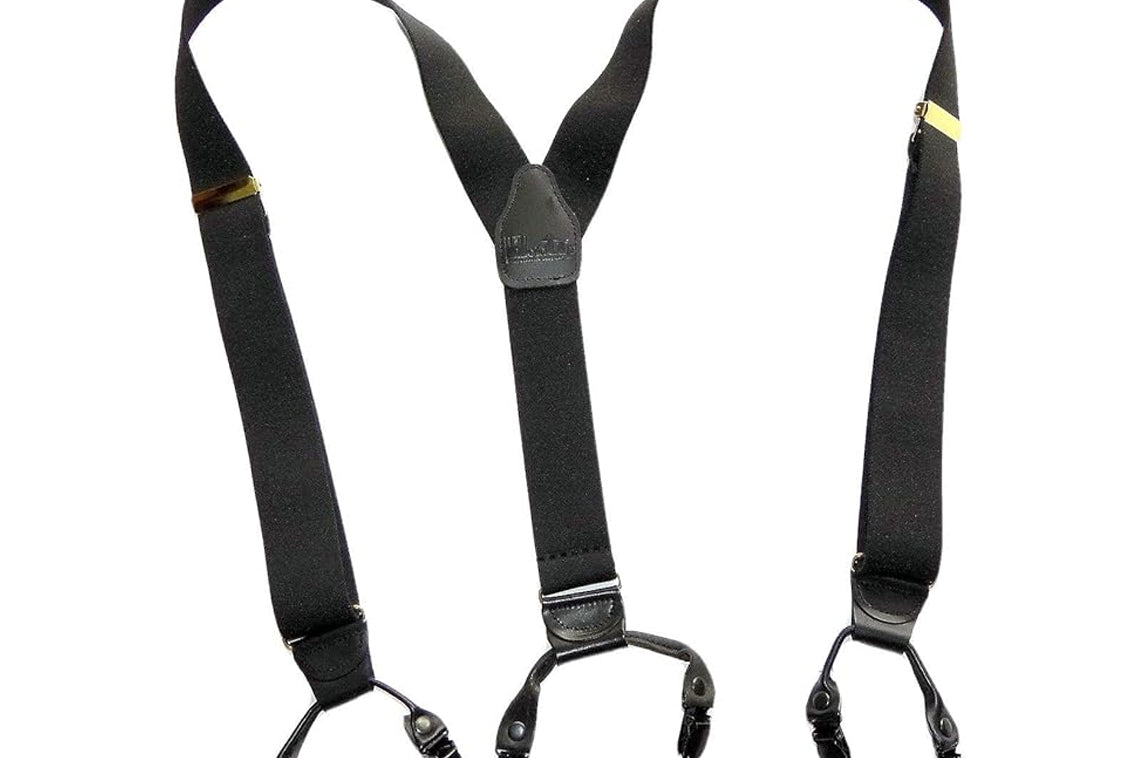
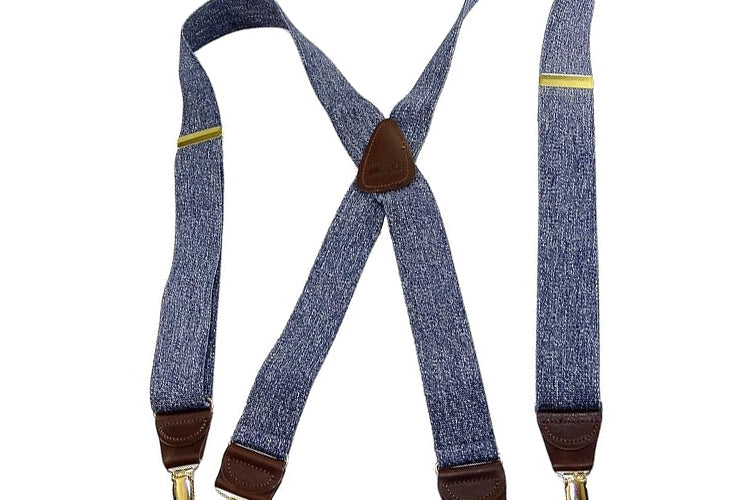
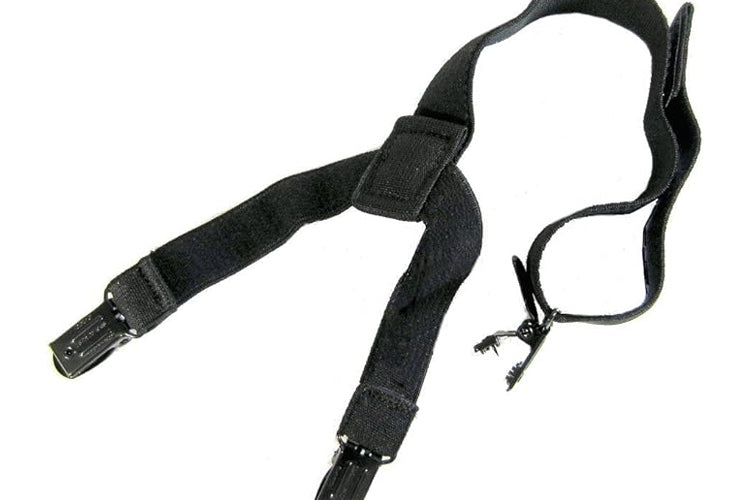

You're standing in front of your closet, suspenders in hand, facing a choice that seems simple but carries more weight than you might think: clip-on suspenders or lobster claw hooks? Both promise to keep your trousers securely in place, but which attachment method truly delivers superior security when it matters most? Whether you're a professional who can't afford wardrobe malfunctions during important meetings, an active individual whose suspenders need to withstand constant movement, or someone simply seeking the most reliable option, understanding the real differences between these attachment styles helps you make an informed decision.
Security in suspender attachments isn't just about preventing embarrassing slips,it's about confidence, durability, and practical functionality across various situations. Both clip-on and lobster claw hook systems have evolved significantly from their early designs, incorporating modern materials and engineering that enhance their holding power. Yet they operate on fundamentally different principles, each with distinct advantages and potential drawbacks.
How Do Clip-On Suspenders Provide Security?
Clip-on suspenders function through direct pressure application,metal or reinforced plastic jaws grip your trouser waistband using spring tension. Modern clip designs feature sharp, interlocking teeth that bite into fabric without causing damage, creating a mechanical hold that resists both upward and lateral forces. The security comes from the combination of spring pressure, tooth grip, and the clip's surface area distributing force across the fabric.
Quality makes an enormous difference in clip security. Premium clips use stronger springs that maintain consistent tension even after thousands of opening and closing cycles. The teeth are precisely machined to create optimal fabric engagement without snagging or tearing. Understanding how suspender clips work reveals why some clips fail under stress while others provide reliable, long-term security.
-
Spring Tension: The internal spring determines how tightly clips grip fabric,stronger springs mean more secure hold but require more finger strength to open.
-
Teeth Design: Sharp, precisely-spaced teeth create multiple contact points with fabric, distributing pressure and preventing slippage.
-
Jaw Width: Wider clip jaws spread pressure across larger fabric areas, reducing the chance of pull-through even with thin or delicate materials.

What Makes Lobster Claw Hooks Different?
Lobster claw hooks operate on an entirely different principle than clips. Rather than gripping fabric directly, they hook through belt loops or specially sewn loops on your trouser waistband. The security comes from the enclosed hook design,a spring-loaded gate closes behind the loop, creating a complete circuit that physically locks the suspender to your trousers. This mechanical enclosure means the hook can only detach if the gate opens, which requires deliberate action.
The lobster claw name comes from its resemblance to a crustacean's claw,two jaws that close securely with an internal spring mechanism. One jaw remains fixed while the other pivots on a spring-loaded hinge. When you press the small lever, the moving jaw opens against spring pressure. Release the lever, and the spring snaps the jaw closed, securing whatever's caught inside. Learning how to attach hooks to suspenders properly ensures maximum security from this design.
This enclosed design provides inherent security advantages. Unlike clips that can potentially slide off fabric under the right conditions, lobster hooks physically cannot separate from loops without the gate opening. The spring mechanism keeps the gate closed during normal movement, resisting accidental opening even under significant stress or sudden jerks.
How Do Materials Affect Long-Term Security?
Material composition directly impacts how well suspender attachments maintain security over time.
-
Clip-on suspenders typically use either metal (usually nickel-plated steel or brass) or reinforced plastic for the clip mechanism. Metal clips offer superior longevity,the springs don't fatigue as quickly, and the teeth maintain their sharpness through years of use. However, metal clips can corrode if exposed to moisture repeatedly, potentially weakening spring tension and reducing grip strength.
-
Lobster claw hooks predominantly use metal construction, with stainless steel, brass, and zinc alloy being most common. Marine-grade stainless steel (AISI 316) provides the highest corrosion resistance, crucial for hooks used in humid environments or with frequent exposure to perspiration. The spring mechanism inside lobster hooks represents a potential weak point,if it rusts or fatigues, the gate won't close securely, compromising the entire security system.
- For heavy-duty work suspenders exposed to harsh conditions, material durability becomes paramount. Industrial environments, outdoor work, or frequent washing all accelerate wear. In these scenarios, both clips and hooks need premium materials to maintain security. Stainless steel components outlast other options significantly, though they typically cost more initially.

Which Attachment Handles Weight Distribution Better?
Weight distribution capabilities reveal important security differences between these attachment styles. Clip-on suspenders create two or four discrete attachment points (depending on front-only or front-and-back designs) where all trouser weight concentrates. Each clip must bear a portion of the total load, including the weight of the trousers themselves plus everything in your pockets. High-quality clips distribute this pressure across their jaw width, but the attachment point remains relatively small.

Lobster claw hooks also create discrete attachment points, but they hook through existing structural elements (belt loops or sewn loops) that are already reinforced parts of your trousers. This means the stress distributes not just across the hook's contact area but through the loop's entire attachment to the waistband. Belt loops are typically bar-tacked at both ends, creating extremely strong anchor points that can support considerable weight without tearing.
-
Load Distribution: Both systems can handle typical trouser and pocket weight, but hooks benefit from the structural reinforcement of loops.
-
Heavy Pockets: When carrying tools, phones, or other heavy items, hooks generally provide more secure weight support without risk of fabric tear-through.
-
Movement Stress: During active movement or bending, hooks maintain position better because they're physically locked in place rather than gripping through pressure alone.
How Do They Compare in Daily Practical Use?
Security means nothing if attachments prove impractical for everyday use. Clip-on suspenders win decisively in convenience,you can attach them to any trousers without modifications. No need for belt loops, sewn loops, or special preparation. Simply open the clips, position them on your waistband, and close. This versatility makes clips ideal for people who wear suspenders with multiple pairs of trousers, including those lacking belt loops.
Knowing where to clip suspenders for optimal security and comfort matters tremendously. Front clips typically attach 3-4 inches from your zipper on each side, while rear clips position symmetrically near your back pockets. Proper positioning ensures balanced weight distribution and prevents the twisting or binding that can cause clips to slip.
Lobster hooks require belt loops or specially sewn loops, limiting their compatibility to appropriately prepared trousers. This requirement means more planning,you can't spontaneously use lobster hook suspenders with trousers lacking proper attachment points. However, once attached, hooks provide completely worry-free security. You never need to check if they've loosened or shifted throughout the day, unlike clips which may occasionally need repositioning.
Do They Differ in Damage Risk to Clothing?
Potential fabric damage represents a significant security consideration,an attachment that damages your trousers becomes increasingly insecure over time as the fabric weakens. Clip-on suspenders create concentrated pressure points where teeth grip fabric. With quality clips and proper positioning, this pressure typically doesn't damage durable fabrics like denim, canvas, or standard trouser materials. However, delicate fabrics (silk, fine wool, linen) may show indentations or even tiny tears from aggressive teeth, especially if clips are positioned and repositioned frequently.
-
The key to preventing clip damage lies in two factors: using clips with appropriate tooth design for your fabric weight, and avoiding excessive repositioning.
-
Each time you open and reattach clips, you create new contact points that stress fabric fibers. For everyday use on standard trousers, modern clips rarely cause significant damage.
-
For delicate formal wear, button-on suspenders often prove safer, though this comparison focuses on clips versus hooks.
Lobster claw hooks cause virtually no fabric damage because they don't grip fabric directly. They hook through loops designed specifically to handle stress, distributing force through bar-tacked reinforcements. The only wear occurs on the loops themselves, which are easily replaced if needed. This protection makes hooks ideal for expensive trousers or those made from delicate materials where you want to avoid any risk of damage.
What About Ease of Attachment and Removal?
Speed and simplicity of attachment affect practical security,if a system proves too difficult to use correctly, people often attach it improperly, compromising security. Clip-on suspenders excel here with straightforward operation: open the clip by pinching or pulling the lever, position on waistband, and release. The entire attachment takes seconds per clip. Removal is equally quick, making clips ideal for situations where you frequently put on and remove suspenders.

Lobster claw hooks require slightly more dexterity. You must align the open gate with the belt loop or attachment loop, hook through, and release the lever to close. This process becomes second nature with practice but takes marginally longer than clips, especially if loops are small or stiff. The spring-loaded gate requires enough finger strength to compress, which may challenge individuals with arthritis or reduced hand strength.
Which Performs Better Under Stress Conditions?
Real security reveals itself under stress,sudden movements, heavy loads, extended wear, or challenging environments. High-quality clip-on suspenders perform admirably under most normal stress conditions. The grip remains secure during routine activities like walking, sitting, bending, and reaching. Premium clips with strong springs maintain hold even when carrying moderately heavy items in pockets or during light physical activity.
However, extreme conditions can challenge clip security. Sudden jerks or pulls may cause clips to shift position on the waistband, particularly with smooth fabrics or if clips weren't firmly attached initially. Very heavy pocket loads (tools, equipment) can create enough downward force that clips gradually slide or even pop off. Perspiration can make smooth fabrics more slippery, reducing clip grip. These aren't common scenarios for most wearers, but they represent clip limitations under stress.
Lobster claw hooks generally outperform clips under stress conditions because their mechanical enclosure provides fail-safe security. The hook physically cannot separate from the loop without the gate opening, which requires deliberate lever pressure. Sudden jerks, heavy loads, or movement don't compromise this mechanical security. This makes hooks preferable for demanding applications: construction work, industrial settings, outdoor activities, or any situation where suspender failure would create significant problems.
How Do They Compare Cost-Wise?
Cost considerations affect long-term security because budget constraints often lead to purchasing lower-quality attachments that fail prematurely.
-
Clip-on suspenders generally cost less than lobster hook suspenders when comparing similar quality levels. Basic clip suspenders start around $15-20, while quality versions with durable clips and elastic run $30-50. Premium clip suspenders with leather and heavy-duty hardware can exceed $60.
-
Lobster hook suspenders typically start at slightly higher price points due to the more complex hardware. Basic versions begin around $25-30, with quality options running $40-70. Premium lobster hook suspenders featuring stainless steel hooks and leather components can cost $80-100 or more.
What Situations Favor Each Attachment Style?
Neither attachment style universally dominates,each excels in specific scenarios. Clip-on suspenders make the most sense for: multiple trouser rotation (especially mixing pants with and without belt loops), occasional suspender use, formal wear where you want easy removal for jacket-off situations, travel where you want lightweight, versatile accessories, and situations requiring quick changes or adjustments.
-
Clip-On Best For: Versatility across multiple trousers, ease of use, formal occasions with various outfit changes, travel flexibility.
-
Lobster Hook Best For: Maximum security in demanding conditions, protecting delicate trousers, heavy pocket loads, active work environments, worry-free all-day wear.
Lobster claw hooks excel when: maximum security is paramount, you're wearing suspenders with heavy tool or equipment loads, you work in demanding physical environments, you want to protect expensive or delicate trousers from clip damage, or you need completely reliable attachment that never requires checking or adjustment throughout the day. Exploring lobster hooks with suspenders in detail reveals their specific advantages for these demanding applications.
Conclusion
When evaluating security between clip-on suspenders and lobster claw hooks, the answer depends on your specific needs and priorities. Lobster claw hooks generally provide superior security through their mechanical enclosure design, making them the better choice for demanding conditions, heavy loads, or situations where suspender failure isn't acceptable. Their enclosed hook mechanism offers fail-safe reliability that pressure-based clips can't match, though they require trousers with appropriate attachment loops.
However, high-quality clip-on suspenders deliver excellent security for most everyday situations while offering unmatched versatility and convenience. For typical office wear, formal occasions, or general daily use, premium clips provide more than adequate security with easier attachment and broader trouser compatibility.