
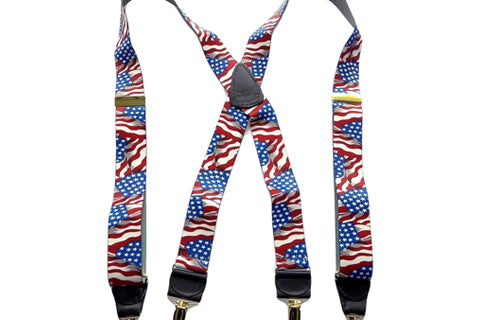
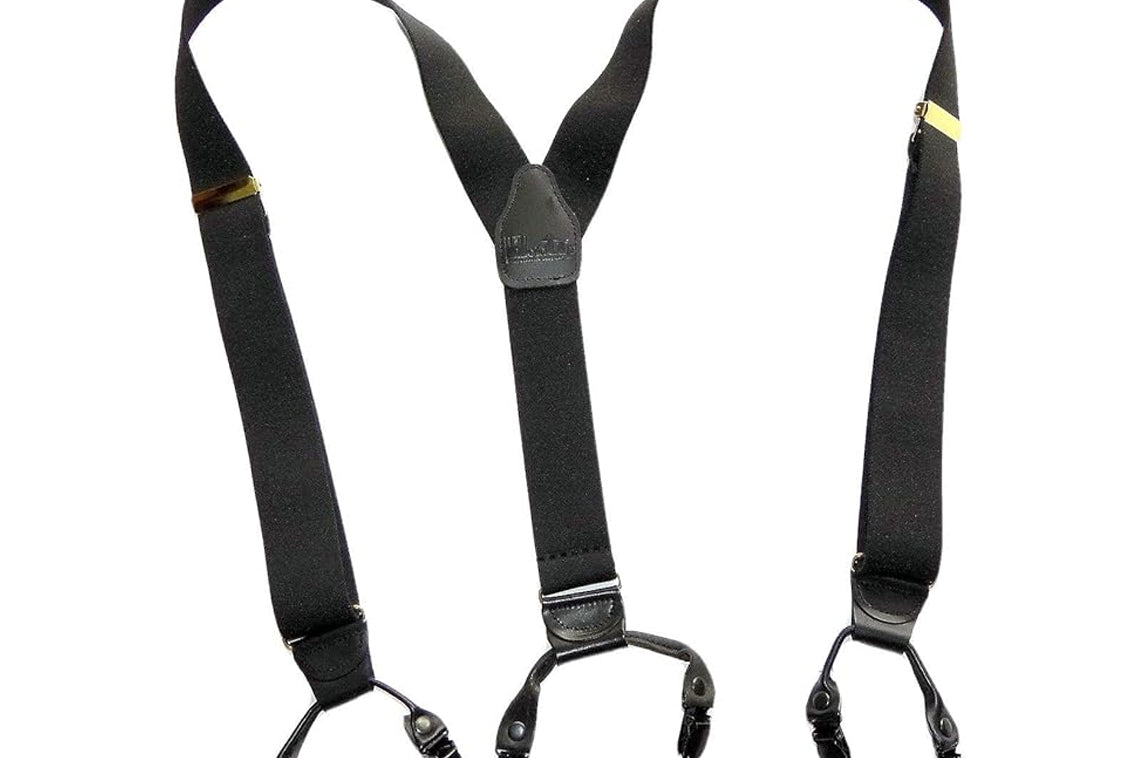
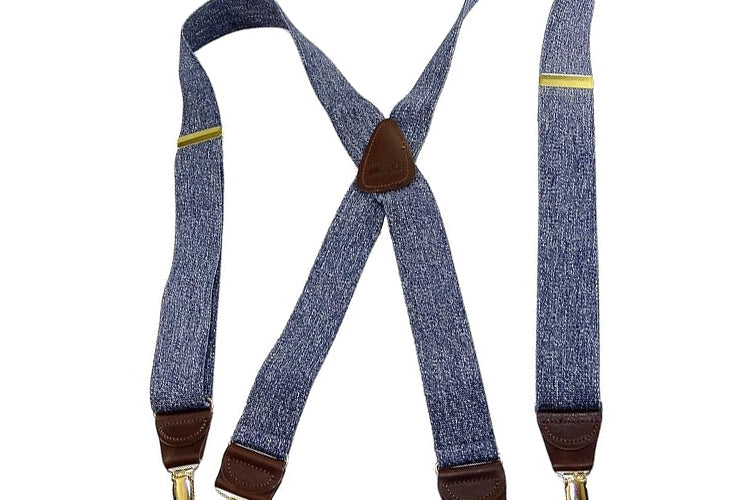
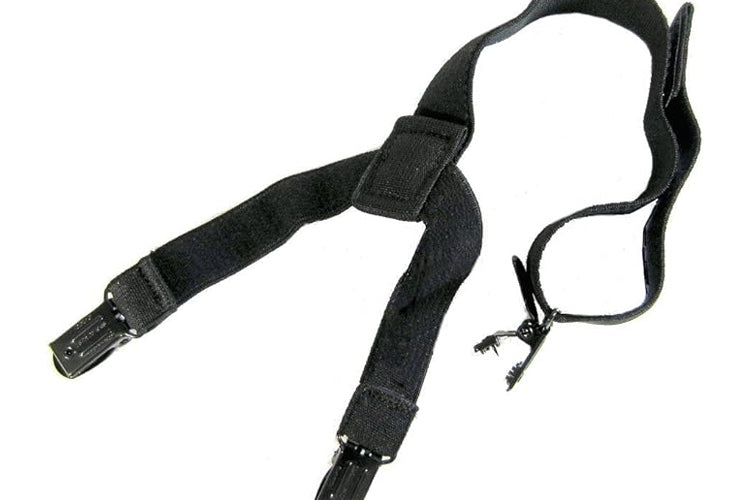

Nearly 70% of men who dislike belts would prefer a comfortable alternative, and discreet suspenders solve that problem cleanly. No rigid buckle pressing into your stomach, no midsection bulk under a tucked shirt, and no horizontal break across your silhouette. Whether you are heading to a formal event or just want an easier way through the workday, invisible suspenders offer a streamlined fit that belts simply cannot match. Discreet suspenders make up approximately 18.9% of total suspender sales in the men's market, and 65.4% of users report increased comfort when wearing them over belts. About 23,800 units were sold online monthly in 2025, confirming that this is a growing category with an increasingly broad market. Here is everything you need to know about how they work, how to wear them, and how to find the right pair for your wardrobe.
What Makes Discreet Suspenders Different From Regular Ones?
Most men picture thick, clip-on straps when they think of suspenders. Discreet suspenders are a different category entirely. They are built to stay hidden: under a shirt, beneath a jacket, or threaded seamlessly through belt loops, while still holding your pants exactly where they belong.
The key difference comes down to two things: attachment method and material. Invisible suspenders use slim, low-profile hardware that does not create visible bumps under clothing, and they are typically made from super-soft elastic that feels more like an ace bandage than a stiff strap. Because they distribute weight across your shoulders rather than cinching your waist, your trousers drape naturally without the cinching or bunching effect a tight belt causes. The button vs. clip-on distinction is worth understanding for anyone new to suspenders: button-end braces sit flat against your trousers and disappear completely under a blazer, while clip-on styles are more convenient but slightly more visible when the jacket shifts.

Types of Discreet Suspenders
Discreet suspenders come in several distinct configurations, and understanding the differences helps you choose the right style for your situation, your clothing, and your most common occasions.
Belt Loop Suspenders
Belt loop suspenders are one of the most popular discreet options because they require zero modification to your pants. Instead of attaching to buttons sewn inside the waistband or clipping onto the fabric, they thread directly through your existing belt loops, making them invisible from the outside. The attachment mechanisms vary: trigger snap hooks squeeze and release quickly, lobster hooks fasten with a simple pull, and patented thin stainless steel slides tuck discreetly beneath the belt loop without piercing or stretching the fabric. Some models use a flip-hook design that accommodates both right- and left-handed wearers. All of these options work with standard belt loops and accept waistbands up to 1.5 inches thick.
Undergarment Suspenders
Undergarment suspenders take discretion a step further by being worn directly beneath your shirt, completely out of view. They are designed with flesh-tone elastic and matching beige adjusters so that even if the straps become momentarily visible, they blend with your skin rather than standing out. These suspenders typically measure 1.4 to 1.5 inches wide and use soft fabric construction with no-slip clip technology to stay in place throughout the day. X-back configurations give even weight distribution across both shoulders, while side-attachment options are particularly comfortable during long periods of sitting. The benefits of wearing under-the-shirt suspenders extend beyond just invisibility: because the straps are not visible, you are not committed to any particular aesthetic. You can wear a casual flannel or a dress shirt over the top, and no one will ever know what is keeping your pants in place.

Airport-Friendly No-Buzz Suspenders
For men who travel frequently, the practical case for plastic-hardware suspenders becomes immediately clear the first time you stand in a TSA security line. The airport-friendly no-buzz suspenders use plastic hardware that will not trigger metal detectors, a detail that is easy to overlook until you need it. They are otherwise built to the same comfort standards as standard elastic suspenders, making them a practical everyday wardrobe addition for any man who flies regularly for business or personal travel.
Button-End Suspenders
Button-end suspenders are the most secure and the most invisible formal option. Small leather or fabric tabs with buttonholes fasten to buttons sewn inside the trouser waistband, leaving no hardware visible from any angle. There are no clips, no trigger snaps, and no belt loop threads: just a clean, flat trouser waistband with nothing showing on the front or back. These braces are the standard choice for formal events, black-tie occasions, and anytime you are wearing suspenders with a suit or tuxedo where every visible detail is under scrutiny.
Sizing and Adjustability
Getting the right size is the most important practical decision when buying discreet suspenders. A pair that is too short pulls the trousers too high and creates visible shoulder tension; one that is too long allows the trousers to sag and the straps to bow awkwardly beneath the shirt or jacket.
To find the right starting measurement, run a tape from your rear waistband, over your shoulder, to your front waistband. This gives you your base suspender length. Standard sizing guidelines are as follows: 42 inches for heights 5'0" to 5'9", 48 inches for 5'10" to 6'2", and 54 inches for 6'3" and above. When you are between sizes, size up: suspenders have adjusters that let you shorten from any length, but they cannot extend beyond their maximum. Most men find that sizing up and adjusting down gives the most comfortable, precise fit.
Quick Sizing Reference
| Height Range | Recommended Suspender Length | Notes |
|---|---|---|
| 5'0" to 5'9" | 42 inches | Size up to 48 if longer torso |
| 5'10" to 6'2" | 48 inches | Standard fit for most men |
| 6'3" and above | 54 inches | Always adjustable downward |
Styles, Colors, and Matching with Outfits
Discreet suspenders are built to be hidden, which means color and pattern are secondary concerns compared to attachment method and material. That said, getting the color right matters for occasions where the jacket comes off or the shirt shifts during movement. About 78.6% of men aged 30 to 45 choose subdued colors for their discreet suspenders, and this preference is well-founded.
Color Choices for Maximum Discretion
For undergarment suspenders worn directly against the skin, beige, flesh-tone, and pale grey are the most discreet choices: if visible, they blend rather than contrast. For suspenders worn under a shirt but over an undershirt, black or dark navy are the most versatile options since they work with virtually any shirt color and remain nearly invisible when a dark shirt is worn. White suspenders are the safest choice under a white dress shirt. For everyday business and smart casual wear, 42.7% of men prefer discreet suspenders to visible fashion accessories, confirming that neutral, subdued color choices are the dominant preference in this category.
Matching Discreet Suspenders with Outfits
Since the goal with discreet suspenders is invisibility, the primary matching consideration is ensuring nothing shows that you do not want to show. For suits and formal attire, button-end suspenders in black or dark navy beneath a well-fitted jacket are the cleanest option. For business casual settings, undergarment suspenders in a neutral tone under a dress shirt keep everything contained regardless of how much you move during the day. For casual outfits including jeans and a shirt, belt loop suspenders in a color that does not contrast sharply with your denim are effectively invisible throughout the day. For day-to-day casual outfit guidance, our collection of casual outfits with suspenders shows how invisible support can work across every register of casual dressing.
Which Body Types Benefit Most From Discreet Suspenders?
Discreet suspenders deliver practical benefits that vary by body type, and understanding which advantages apply most directly to your build helps you choose the right configuration.
Men with rounder midsections benefit significantly because suspenders remove all waist pressure. There is no vice-like cinching, no waistband that digs in after a big meal, and no need to constantly readjust throughout the day. For a detailed breakdown of fit options, suspenders for larger body types covers the specific styles and widths that work best for wider waistbands and heavier trousers.

Shorter men benefit from the unbroken vertical line suspenders create. Unlike a belt, which cuts the body horizontally at the midsection, suspenders create a continuous line from shoulder to hem that visually elongates the figure. Taller, slimmer builds can lean into slim-width styles that keep the silhouette sleek and proportionate. Men with posture concerns also gain a subtle structural benefit: shoulder straps naturally encourage upright positioning throughout the day, which can reduce the lower back strain that comes from constantly tugging up sagging pants. If you have wondered whether suspenders affect your back, this breakdown of suspenders and back pain addresses that question directly with practical guidance.
How to Choose Between Attachment Methods
The attachment type is the most important decision when buying discreet suspenders, and it depends entirely on your trousers and your situation.
Button-On vs. Clip-On vs. Belt Loop
Button-end suspenders are the most secure and the most invisible option. Small leather tabs with buttonholes fasten to buttons sewn inside your waistband: no hardware is visible from any angle. The downside is that most pants do not come with these buttons installed, so you will need to add them. It is a five-minute sewing task but it does require preparation. These are the standard choice for formal events and anytime you wear suspenders with a suit or tuxedo. Clip-on suspenders attach to the outside of the waistband with metal or plastic alligator clips. They work with any pants immediately with no modification needed. The clips are visible if your jacket rides up, so this style is better for casual or semi-formal situations where you are not wearing a fitted blazer. Understanding how to open suspender clips properly prevents fabric snags and makes daily use much faster. Belt loop suspenders are the middle ground: no buttons to sew, no clips showing at the waistband, and the hardware threads through loops and stays hidden. These are the most versatile discreet option for everyday wear.
Material Selection
Material choice affects both how the suspenders feel and how durable they are over time. For most everyday discreet applications, high-quality elastic in polyester or nylon blends provides the best combination of comfort, stretch, and washability. Elastic distributes tension evenly across the strap length, eliminating pressure points that stiffer materials can create. Leather end pieces, even on elastic-body suspenders, add durability and formal appeal at the attachment points. For a full comparison of how different materials perform over time, the elastic vs. leather suspenders comparison covers every relevant consideration.
Do Discreet Suspenders Work for Formal Occasions?
Yes, and in many formal contexts suspenders are actually the preferred choice over belts. At black-tie events, a properly fitted pair of suspenders keeps tuxedo trousers at exactly the right break on the shoe without any visible waistband hardware. A belt buckle showing through a dress shirt or beneath a cummerbund reads as sloppy; suspenders solve that problem entirely.
The Y-back vs. X-back configuration matters more at formal events than casual ones. Y-back suspenders converge at a single point at the back and are the traditional formal choice: they lie flat under a suit jacket and do not bunch at the shoulders. X-back styles cross between the shoulder blades and are more comfortable for extended wear or physical activity, but can create slight bulk under a fitted jacket. The full Y-back versus X-back comparison covers which configuration suits which occasions and body types most naturally.

Restroom Convenience and Practical Benefits
Suspenders offer a practical advantage in public restrooms that rarely features in reviews but genuinely matters for daily wear. Modern quick-release designs, including magnetic closures, snap clasps, and side-clip mechanisms, allow you to unhook and rehook straps in seconds without fumbling with a buckle or managing a belt through loops. X-back suspenders with side clips are particularly well-suited for this: release two clips, lower your trousers normally, then reattach. For men managing ostomy bags or other medical considerations, the flexibility and lack of waist pressure makes suspenders a meaningfully practical choice rather than just a style preference.
Care and Maintenance of Discreet Suspenders
Discreet suspenders are generally easier to care for than belts, but the right maintenance approach depends on the material.
Elastic and Fabric Suspenders
Hand wash elastic and fabric discreet suspenders in cool water with a mild detergent. Lay flat to air dry rather than machine drying: sustained heat from a dryer weakens elastic fibers and causes strap shrinkage over time. Avoid bleach or harsh cleaning agents that degrade the elastic core and discolor the fabric casing. Check clips and hardware after each wash: metal clips can develop surface rust if not dried thoroughly, and weakened clip springs should be replaced before they fail during wear. Store elastic suspenders loosely in a drawer rather than folded or compressed, which preserves the elastic tension over a longer service life.
Leather and Hardware Components
Leather end pieces or full leather discreet suspenders benefit from periodic conditioning with a quality leather conditioner to prevent drying and cracking. Wipe down leather components with a dry cloth after each wear to remove surface oils and moisture. Store leather suspenders flat or loosely coiled away from direct sunlight, which fades and dries leather over time. Metal hardware including clasps, lobster hooks, and trigger snaps should be wiped with a dry soft cloth after exposure to moisture to prevent oxidation and maintain smooth operation.
Frequently Asked Questions
Below are the most common questions men have about discreet suspenders, answered with practical guidance across comfort, fit, and styling.
Are discreet suspenders actually invisible under clothing?
Yes, when worn correctly. Undergarment suspenders worn beneath your shirt use flesh-tone elastic and matching hardware that blends with skin, making them undetectable even if your shirt shifts. Belt loop suspenders thread through existing loops and have no visible exterior hardware. Button-end suspenders attach inside the waistband with no clip or loop showing at all. The key is matching the attachment style to your outfit: button-end for formal wear under a suit, undergarment style when you want complete invisibility regardless of what you are wearing on top.
Can discreet suspenders work with any type of pants?
Discreet suspenders work with most trouser styles, but the attachment method determines compatibility. Belt loop suspenders require standard belt loops and work with dress trousers, chinos, jeans, and most casual pants. Button-end suspenders require inside waistband buttons, which can be added to almost any pants with basic sewing. Clip-on styles work with nearly any waistband but are most secure on thicker fabric. Pants without loops, buttons, or a substantial waistband may need clip-on attachments as the fallback option.
Are discreet suspenders more comfortable than belts for all-day wear?
For most men, yes, especially over long days or after meals. Belts maintain constant pressure against the abdomen regardless of how your body shifts throughout the day. Suspenders distribute weight across the shoulders, which are naturally load-bearing and less sensitive to sustained pressure. There is no waist cinching, no buckle pressing into the stomach when seated, and no need to loosen your pants after eating. 65.4% of users report increased comfort when wearing discreet suspenders over belts, particularly after extended seated wear.
How do I find the right size for discreet suspenders?
Measure from your front waistband, over your shoulder, to the back waistband. This gives you your base suspender length. Standard sizing runs: 42 inches for heights 5'0" to 5'9", 48 inches for 5'10" to 6'2", and 54 inches for 6'3" and above. When you are between sizes, go longer: suspenders have adjusters that let you shorten from any length, but they cannot extend beyond their maximum. For X-back styles, also consider your shoulder width, as broader frames may prefer wider strap options for better weight distribution.
Can discreet suspenders cause skin irritation or allergies?
They can, but it is avoidable with the right material selection. The two most common irritants are nickel in metal clasps and latex in elastic straps. Men with nickel sensitivity should look for suspenders with stainless steel or plastic hardware. Those with latex allergies should choose suspenders made from latex-free elastic: many modern suspenders use polyester-based elastic or nylon blends instead. Undergarment suspenders worn directly against skin require the most attention to material. If you experience redness or itching, switching to hypoallergenic materials typically resolves the issue.
What colors are best for discreet suspenders?
For undergarment suspenders worn against the skin, beige, flesh-tone, and pale grey are the most discreet because they blend rather than contrast if briefly visible. For suspenders worn under a shirt, black and dark navy are the most versatile: they work with most shirt colors and remain undetectable under darker shirts. White is the safest choice under a white dress shirt. About 78.6% of men aged 30 to 45 choose subdued colors for their discreet suspenders, confirming that neutral tones are the dominant preference in this category.
What materials are used for discreet suspenders?
Most discreet suspenders use high-quality woven elastic in polyester or nylon blends for the strap body, combined with metal or plastic hardware for clips and adjusters. Polyester-based elastic provides excellent stretch and recovery without latex, making it suitable for men with latex sensitivities. Higher-end discreet suspenders feature leather tab ends at the attachment points for durability and a more refined appearance, even when the rest of the strap is elastic. Hardware quality varies significantly: look for stainless steel or high-grade composite plastic clips that will not rust or corrode with regular wear and washing.
Are clip-on or button suspenders more discreet?
Button-end suspenders are more discreet in formal contexts because they attach inside the trouser waistband with no visible hardware at all: no clips, no springs, and no loops showing on the outside of the pants. Clip-on suspenders have metal or plastic hardware visible at the waistband that can show if the jacket rides up. For maximum invisibility under a suit or formal attire, button-end is the correct choice. For casual and everyday use where the jacket is off and a slightly visible clip is acceptable, clip-on suspenders offer greater convenience without significant visual compromise.
How do discreet suspenders benefit posture?
Shoulder straps from suspenders create a gentle upward tension that naturally encourages the wearer to stand more upright throughout the day. Unlike a belt, which creates pressure at the waist that can cause the body to lean slightly forward, suspenders distribute trouser weight across the shoulders and allow the spine to maintain its natural alignment. Over the course of a long workday, this sustained postural benefit reduces the fatigue-related slouching that contributes to lower back discomfort in people who sit for extended periods.
How do I clean and maintain discreet suspenders?
Hand wash elastic and fabric discreet suspenders in cool water with mild detergent and lay flat to air dry. Never machine dry, as heat degrades elastic fibers. For leather components, wipe with a dry cloth after each wear and apply leather conditioner periodically. Check all clips and hardware after washing for rust or reduced spring tension and replace any components that no longer grip securely. Store suspenders loosely in a drawer rather than folded or compressed to preserve elastic tension over a longer service life.