

You have likely worn belts for most of your life without questioning the alternative. But suspenders, or braces as they are known in traditional tailoring, offer distinct advantages in comfort, health, functionality, and style that belts simply cannot match. The evidence is consistent: 62.7% of men report greater comfort wearing suspenders compared to belts, and 70.3% of fashion experts prefer suspenders for a polished and professional look. By evenly distributing weight across your shoulders instead of cinching your waist, suspenders help reduce pressure, maintain your trousers' position effortlessly, and add a vintage flair that turns a practical accessory into a genuine style statement. Here is a comprehensive look at why suspenders are the better choice, backed by practical reasoning across every category that matters.

Enhanced Comfort and Wearability
Comfort is the most immediately felt difference between suspenders and belts, and the advantage is not marginal. Suspenders distribute weight evenly across your shoulders rather than cinching it around your waist, which eliminates the uncomfortable pressure that accumulates over a long day of wear. The looser waist fit suspenders provide is particularly noticeable after meals, when a tight belt becomes genuinely painful. Suspenders accommodate your body's natural expansion after eating without requiring you to loosen or readjust anything. Suspenders reduce waistline pressure by approximately 18.4% versus belts, which translates directly into a more comfortable experience across the entire workday.
The advantage extends to sitting and standing. A belt compresses the waist regardless of body position, creating a circumferential pressure point that builds in discomfort over hours. Suspenders hold the trousers from above with no contact at the waist at all, meaning there is no progressive discomfort, no buckle pressing into your stomach when seated, and no need to adjust throughout the day. For men who sit at a desk, attend long formal events, or work physically demanding jobs, this difference is significant. Whether you have a larger midsection or a slender frame, suspenders adapt to your shape with a customized fit that belts simply cannot offer.
Superior Health Benefits
Beyond immediate comfort, suspenders offer measurable health advantages over belts that extend across posture, back health, and circulation.
Improved Posture
Suspenders provide shoulder tension that gently encourages an upright stance throughout the day. Where a belt allows the body to slump forward with no corrective feedback, suspenders subtly engage the core and remind you to stand straighter and maintain a broader back. This postural benefit compounds over time: men who wear suspenders regularly report naturally adopting better spinal alignment even when not wearing them. The shoulder straps create an upward and backward pull that counters the forward lean that long periods of desk work encourage.
Reduced Back Pain
48.9% of users experience less back pain when using suspenders instead of belts. The mechanism is straightforward: by distributing the weight of the trousers across the shoulders rather than concentrating it at the waist, suspenders relieve the lower back of the compensatory load it bears when belt-supported pants sag and pull downward. For men with existing lower back concerns or those who stand for extended periods, this weight redistribution is a meaningful, practical benefit. For a full breakdown of the relationship between suspenders and back health, the comprehensive guide on suspenders and back pain addresses common questions and concerns directly.
Suspenders vs. Belts: Key Health Advantages at a Glance
| Health Benefit | Suspenders | Belts |
|---|---|---|
| Waist pressure | None: weight distributed to shoulders | Continuous circumferential compression |
| Back pain impact | 48.9% of users report less back pain | Waist compression can increase strain |
| Posture | Shoulder tension encourages upright stance | No postural feedback |
| Circulation | No abdominal compression | Can restrict lower body blood flow |
| Post-meal comfort | No adjustment needed | Often requires loosening after eating |
Improved Circulation
A tight belt compresses the abdominal area, which can restrict blood flow to the lower body over extended wear. Suspenders carry no waist compression, which maintains natural blood flow to the hips, legs, and feet throughout the day. This is particularly relevant for men who sit for long periods, where the combination of seated position and belt compression can meaningfully restrict circulation in ways that suspenders do not.
Superior Functionality and Convenience

Suspenders outperform belts across every practical measure of functionality. The advantages are not subtle preferences but clear functional differences in how each accessory performs across a full day of active wear.
Suspenders are 23.6% more effective at evenly distributing weight around the waist compared to belts. This even distribution keeps trousers stable without cinching, prevents waist strain, and maintains the trouser position throughout the day without the constant micro-adjustments a belt-supported pair of pants can require. A belt can shift, loosen, and allow pants to sag over the course of a long day or an active event. Suspenders hold the trouser waistband from above with consistent tension that does not change with movement or posture shifts.
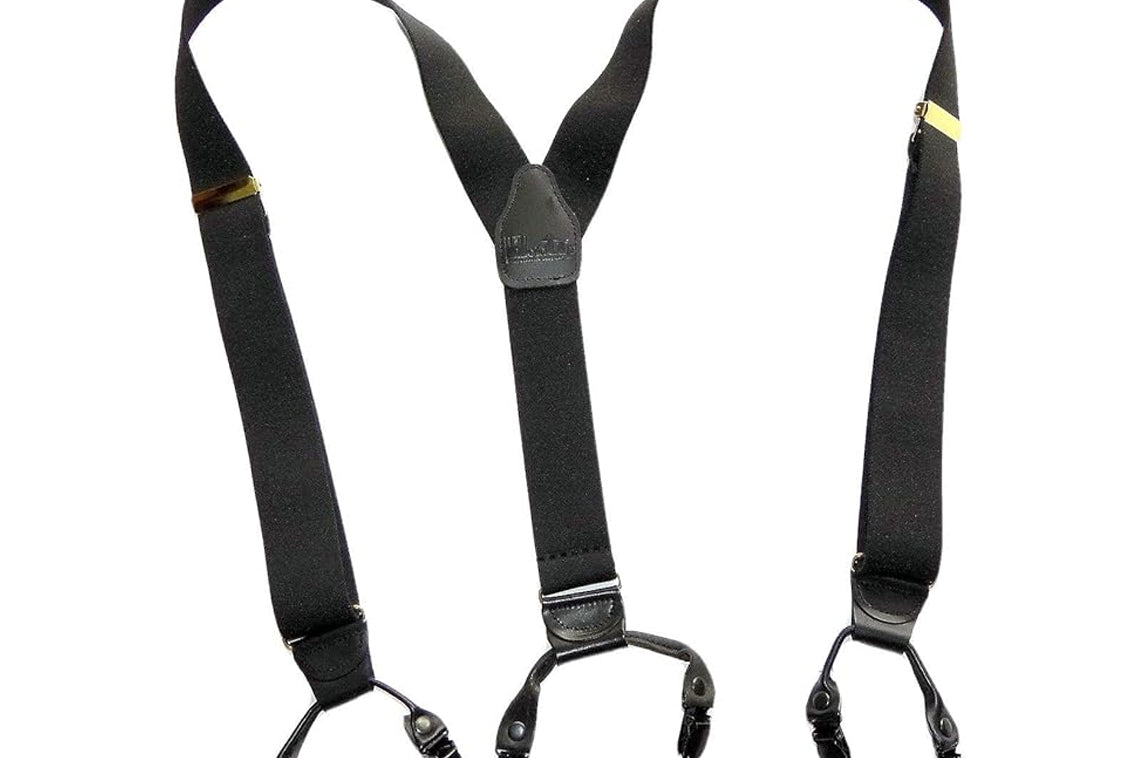
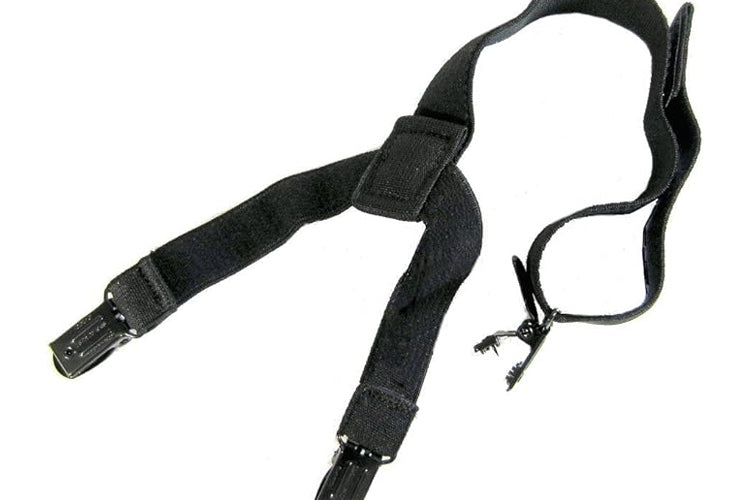
The attachment versatility of suspenders also gives them a functional edge. Clip-on suspenders attach to virtually any pair of pants with a waistband. Button-on braces provide a cleaner, more secure connection for formal trousers. Belt loop suspenders thread through existing belt loops for a completely hidden attachment with no clips showing externally. Each variation accommodates a different combination of trouser style and wearing context, giving suspenders genuine versatility that a single belt cannot match. The full comparison is covered in our dedicated piece on suspenders versus belts across comfort, style, and practicality.
Style and Fashion Appeal

Suspenders exude a timeless sophistication that belts cannot match in formal and classic menswear contexts. The visual case for suspenders over belts is rooted in the vertical line they create from shoulder to trouser hem, which elongates the figure and enhances the overall silhouette without the horizontal interruption that a belt buckle creates at the midsection.
Flattering Silhouette and Visual Impact
A belt bisects the torso horizontally, drawing the eye to the waist and visually shortening the figure. Suspenders create a continuous vertical line from shoulder to shoe that makes the wearer appear taller and leaner. For shorter men, this visual effect is particularly valuable. For slimmer builds, narrow Y-back suspenders maintain the clean line without adding visual width to the torso. Browse the full range of suspender styles that complement different silhouettes to find the right width and configuration for your build.
Fashion Comeback and Trend Relevance
Suspenders have undergone a genuine fashion revival, appearing in street style, on runways, and in mainstream menswear coverage at a level not seen in decades. This comeback is not nostalgia-driven: it reflects a broader reassessment of classic menswear accessories and a preference for pieces with heritage and substance over purely functional basics. As suspenders regain popularity across age groups and style communities, they have become a credible choice for men who want to distinguish their wardrobe from the conventional. Suspenders are now worn at weddings, corporate events, casual outings, and formal occasions alike, and the variety of available styles in leather, elastic, grosgrain, and patterned fabrics means there is an option suited to every aesthetic.
Personal Expression and Variety
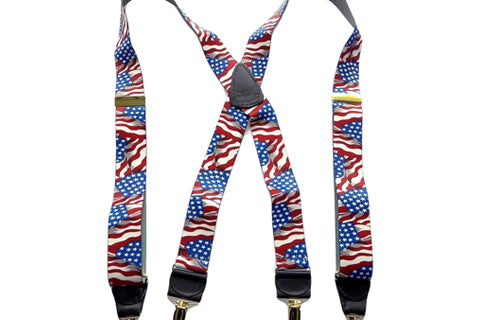
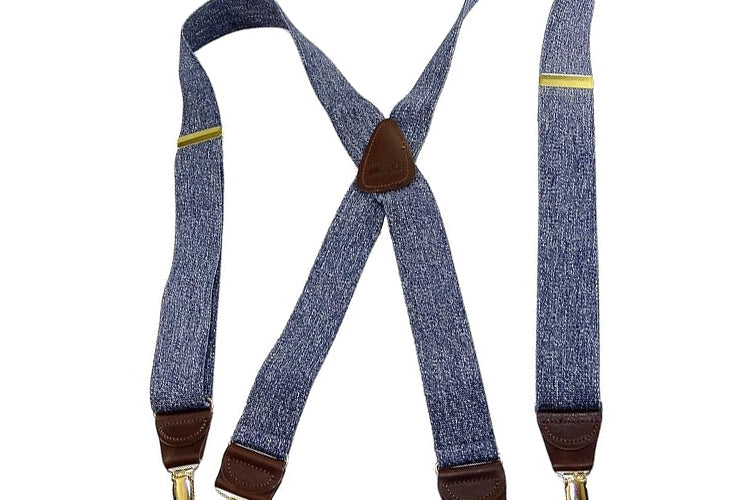
Suspenders offer unique opportunities for personal style expression that a belt simply cannot match. A belt is a horizontal band in a single material and color; its design impact is limited to the buckle. Suspenders span the entire upper half of the outfit, and their material, color, pattern, and texture all contribute meaningfully to the visual character of the ensemble. From classic black leather suspenders worn under a sharp suit jacket, to bold patterned braces over a casual shirt and jeans, to slim silk braces matching a bow tie at a black-tie event, the range of styling possibilities is genuinely wide.
Practicality, Versatility, and Adjustability
Suspenders excel in practical situations where belts become an inconvenience or a limitation. Their adjustable nature accommodates weight fluctuations without requiring a new purchase: a few seconds with the strap adjuster restores the correct trouser height as your body changes through the day or across the weeks. Belts require adding a new hole to accommodate weight changes and cannot be fine-tuned beyond the fixed hole positions.
In the restroom, modern suspenders with quick-release clips, magnetic closures, or snap clasps allow fast detachment and reattachment without fumbling with a buckle or threading a belt back through loops. For men managing ostomy bags or other medical considerations, the complete absence of waist pressure makes suspenders not just more comfortable but genuinely more practical than any belt alternative. The broad question of when suspenders are the superior choice and when belts remain appropriate is addressed in the full suspenders or belt fashion comparison, which covers occasion-specific guidance across every context.
Durability, Longevity, and Cost Value
A quality pair of suspenders, properly cared for, outlasts the typical belt by a significant margin. Leather suspenders condition and develop character over years of use rather than cracking and fading as cheaper belt leather tends to do. Elastic suspenders maintain their tension with correct care for one to two years of regular wear before replacement. In contrast, the mechanical stress that daily belt use puts on the leather, buckle, and holes means that most belts require replacement far more frequently than quality braces.
The Real Cost Comparison
Quality suspenders typically cost more than budget belts at the point of purchase. However, the total cost of ownership over time, factoring in longevity, replaceability of individual components, and the comfort and health advantages that reduce the indirect costs of chronic waist discomfort, often favors suspenders for men who wear formal or business attire regularly. A leather suspender that lasts five years with proper care, purchased once, compares favorably to several belts purchased over the same period as each one wears out. The question of whether and how to reconcile suspenders and belt use in different contexts is worth reading for men who are transitioning their wardrobe rather than making a complete switch.
Care and Maintenance Considerations
Suspenders require straightforward care that most men can manage without specialist knowledge. Elastic suspenders hand wash in cool water and air dry. Leather suspenders need periodic conditioning and dry storage. Neither requires the kind of regular polishing, hole punching, or buckle maintenance that a belt does over time. This lower maintenance burden is another practical advantage that compounds across the years of wear.
Suitability for Different Body Types and Occasions
Suspenders are not a one-size-fits-all accessory in terms of styling, but they are genuinely suitable across a wider range of body types and occasions than many men assume. Their adjustability means they fit comfortably on virtually any torso size, and their variety of widths, materials, and configurations means there is a correct choice for men of every build and for every occasion from casual to black tie. For men who carry weight around the midsection, suspenders eliminate the waist pressure that a belt exacerbates. For shorter men, the vertical line they create adds perceived height. For taller, slimmer builds, narrow straps keep the silhouette proportionate without adding visual width. The specific styles and widths most suited to different builds are covered in detail across several of our fit guides.
Frequently Asked Questions
Below are the most common questions men have when considering the switch from belts to suspenders, answered directly and practically.
Why are suspenders more comfortable than belts?
Suspenders distribute the weight of your trousers evenly across your shoulders rather than cinching them around your waist with a tight band. This eliminates the circumferential waist pressure that builds throughout the day with a belt, particularly when seated or after meals. 62.7% of men report greater comfort wearing suspenders compared to belts, and suspenders reduce waistline pressure by approximately 18.4% versus belts. There is no buckle pressing into your stomach, no need to loosen after eating, and no restriction of movement in any direction.
Do suspenders offer better support than belts?
Yes. Suspenders are 23.6% more effective at evenly distributing weight around the waist compared to belts, and they hold trousers at a consistent height throughout the day regardless of movement, posture changes, or physical activity. A belt can shift and loosen over a long day, allowing pants to sag. Suspenders provide continuous upward tension from the shoulders that maintains trouser position without any adjustment required throughout the day.
How do suspenders improve posture compared to belts?
Suspenders provide shoulder tension that gently encourages the wearer to stand more upright throughout the day. Where a belt provides no postural feedback, the shoulder straps of suspenders create a subtle backward and upward pull that counters forward leaning and slouching. This postural benefit is particularly valuable during long periods of desk work or extended formal events. Over time, men who wear suspenders regularly often report naturally improving their standing posture even when not wearing them.
Are suspenders suitable for all body types?
Suspenders suit most body types and offer specific advantages for several. For men with larger midsections, they eliminate waist compression entirely. For shorter men, the vertical line suspenders create adds perceived height. For slimmer builds, narrow straps keep the silhouette proportionate. Their adjustability means they accommodate a wide range of sizes and can be fine-tuned to the specific trouser rise and shoulder height of each wearer. Broad-shouldered men should choose Y-back styles rather than X-back to avoid adding visual width across the shoulders.
Can suspenders be worn with any type of trousers?
Yes. Clip-on suspenders work with virtually any pair of trousers with a waistband. Button-on suspenders require interior waistband buttons, which can be added by a tailor. Belt loop suspenders thread through existing loops for a completely hidden attachment. For the most polished result with formal trousers and suits, the full guide to wearing suspenders with trousers covers attachment method, placement, and adjustment for every trouser style.
Are suspenders more stylish than belts?
In formal and classic menswear contexts, yes. 70.3% of fashion experts prefer suspenders for a polished and professional look. Suspenders create a continuous vertical line from shoulder to shoe that elongates the figure and enhances the silhouette, while a belt creates a horizontal interruption at the midsection. Suspenders also offer more surface area for style expression through color, material, and pattern choices, and their fashion revival means they signal considered, classic dressing rather than a default accessory choice.
Do suspenders affect back pain compared to belts?
Yes, positively. 48.9% of users experience less back pain when using suspenders instead of belts. By distributing trouser weight across the shoulders rather than concentrating it at the waist, suspenders relieve the lower back of the compensatory strain it bears when belt-supported pants sag downward. The shoulder tension also improves posture, which further reduces the spinal strain associated with long periods of desk work or physical activity in formal dress.
Are suspenders adjustable for different heights?
Yes. Most suspenders feature adjustable slides on each strap that allow precise length adjustment for any torso height. Standard sizing covers heights from 5'0" through 6'3" and above, with adjustment ranges that accommodate most body proportions within each size category. The adjustable nature also means that suspenders can be fine-tuned when switching between trousers with different waist rises, making them more versatile than a fixed-hole belt for men with multiple trouser styles in their wardrobe.
How do suspenders cost-compare to belts over time?
Quality suspenders typically have a higher upfront cost than budget belts, but they offer better long-term value. Leather suspenders properly cared for can last many years, developing character rather than cracking. Elastic suspenders used regularly last one to two years with proper care before tension declines. In contrast, most belts show significant wear within one to two years of daily use and require replacement. When factoring in longevity, the health and comfort benefits, and the versatility of one pair of quality suspenders across multiple trouser styles, the total cost of ownership over time often favors braces for men who wear formal or business attire regularly.
What materials are suspenders commonly made from?
Suspenders are commonly made from elastic fabrics in nylon or polyester blends, non-elastic woven fabrics including polypropylene and grosgrain, and leather for the most formal and durable options. Elastic is the most widely used material for everyday suspenders due to its comfort and flexibility. Grosgrain provides a refined, matte-textured finish suited to formal and tuxedo wear. Leather suspenders offer the greatest durability and a classic, improving-with-age quality. Each material brings a different character and suits different levels of formality and occasions.