

Somewhere between a belt that keeps sliding down and pants that never quite sit right, plenty of people land on the same question: would suspenders or a pair of overalls actually be more comfortable for daily wear? They solve a similar core problem, keeping pants in place without a tight waistband, but they're built completely differently, and that difference matters more than it looks on the surface. One is an accessory added to pants you already own. The other replaces the pants and the waistband entirely.
This guide compares them across the factors that actually affect comfort day to day: weight distribution, breathability, mobility, bathroom convenience, and versatility, so you can figure out which one fits how you move through a normal day, not just how either one looks in a photo.
Quick answer: for everyday comfort across a variety of activities and climates, suspenders usually win on versatility and breathability, since they attach to whatever pants you're already wearing. Overalls win when the day involves manual work, mess, or extra gear, since the bib and pockets do a job suspenders can't.
What each garment actually is

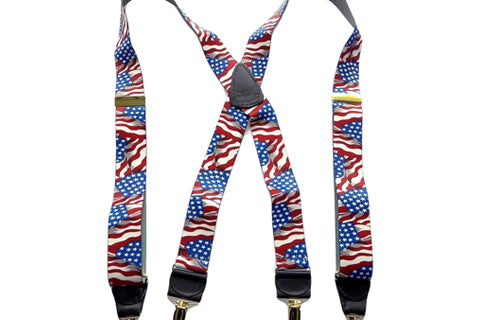
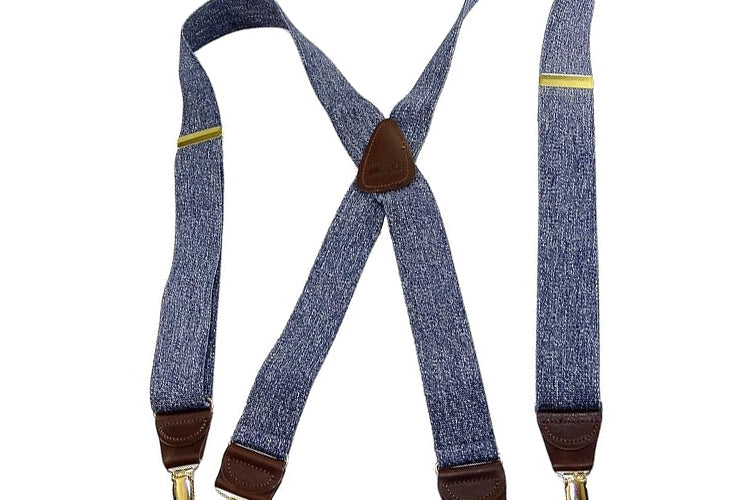
Suspenders are an accessory. They attach to a pair of trousers you already own, at four points, or two with hip-clip styles, and hold those trousers up from the shoulders instead of the waist. The Classic X-Back Series is a good example of the four-point style described here. Nothing else about the pants changes, and you can move suspenders from one pair of trousers to another in seconds. The full case for why that beats a belt on comfort generally is covered in Holdup's suspenders vs belts comparison.
Overalls are a complete garment. The trousers, the bib that covers the torso, and the straps that hold it all up are one integrated piece. There's no separate waistband to adjust and no belt or suspender clips involved, because the whole design distributes weight differently from the ground up. That integration is exactly why overalls function so differently from suspenders, even though both are, at their core, solving the same problem of not wanting a belt around the waist.
Comfort factors, compared
|
Factor |
Suspenders |
Overalls |
|
Weight distribution |
Shoulders carry the weight of the trousers only |
Shoulders carry the weight of the entire garment plus anything in the bib pockets |
|
Breathability |
No extra fabric layer over the torso or chest |
Bib panel adds a layer of fabric across the chest and stomach, warmer in summer |
|
Waist pressure |
None, no belt or waistband cinching |
None, for the same reason |
|
Bathroom breaks |
Clips or buttons release in seconds at the front |
Straps and bib usually need to come down fully, more involved |
|
Mobility for bending and reaching |
Full range of motion, nothing across the torso |
Bib can restrict some overhead reaching depending on the cut |
|
Pockets and storage |
Only what the trousers already have |
Bib pockets add real storage for tools, a phone, or a notebook |
|
Versatility across outfits |
Works with dress pants, jeans, chinos, or work pants, whatever you're already wearing |
The overalls are the outfit; no mixing and matching |
|
Layering for weather |
Easy to layer a shirt, sweater, or jacket over or under |
Bib limits some layering options underneath |
The bathroom question comes up more than people expect, and it's a real comfort factor for a lot of people choosing one over the other. Suspenders release at a couple of clips or buttons and stay out of the way. Overalls generally need the full bib and straps to come off the shoulders, a bigger process, especially in a small stall or a portable job-site toilet. It's a small thing until it happens five times a day.
Layering is the other underrated factor. Because suspenders don't add fabric across the chest, they layer easily under a jacket, cardigan, or coat without adding bulk. Overalls, with the bib already covering the torso, leave less room to layer underneath, part of why they run warmer in hot weather and why most overalls wearers switch to lighter fabrics or shorts-length versions for summer.
 A quick note on terminology
The words get used loosely, so it's worth being precise. Suspenders and braces refer to the same accessory: braces is the standard term in British English, suspenders in American English. Overalls, in American usage, means a bib-style garment with a chest panel and shoulder straps, sometimes called bib overalls to be specific. In British English, overalls more often refers to a one-piece coverall or boiler suit worn over other clothes, a different garment entirely from what Americans mean by the word. Dungarees is another regional term for the same bib-style garment as American overalls. None of this changes the comfort comparison, but it matters if you're shopping online and want to make sure the product you're looking at is actually the garment you mean.
Where overalls have the real advantage
Overalls earn their keep in situations suspenders can't touch. The bib itself is functional, not decorative: it protects the chest and stomach from splashes, dust, and minor scrapes in a way a shirt alone doesn't, which is exactly why overalls became standard workwear for farmers, factory workers, and tradespeople long before they were a fashion choice. Levi Strauss patented an early version of what he called waist overalls in the 1870s, and by the early 1900s, Lee had introduced bib overalls built specifically for this kind of protection and storage. That functional history still holds up today.
If the day involves painting, gardening, mechanical work, or anything where a shirt alone would get ruined, the bib and the built-in tool pockets do a job suspenders were never designed for. Overalls also mean one less decision in the morning: no separate pants to coordinate, no belt or suspenders to remember, just one garment that goes on and does its job. For toddlers, farm work, or anyone who wants function over versatility, that simplicity is a real comfort advantage, not just a practical one. It's also part of why overalls remain a default choice in industries where the alternative, ruined pants or a torn shirt, is a recurring cost rather than a one-time inconvenience.
When it makes sense to own both
Plenty of people don't have to choose permanently. Overalls make sense as a dedicated piece for yard work, painting, or a job site, kept separate from everyday clothes and worn specifically when the bib's protection earns its keep. Suspenders make sense as the default for the rest of the week, since they move with whatever pants are already in rotation.
The two aren't really competing for the same closet space once they're assigned to different jobs: overalls handle the mess, suspenders handle everything else. The only real cost to owning both is the price of the second garment, which is worth weighing against how often the messier, more demanding tasks actually come up in a normal week. For someone who gardens twice a year, a dedicated pair of overalls is probably overkill. For someone who works with their hands daily, it's a reasonable investment alongside a good pair of suspenders for the rest of the time.
Where suspenders have the real advantage

Suspenders win on almost everything that isn't manual labor. Because they attach to pants already owned, they move seamlessly between dress trousers for the office and jeans for the weekend, without buying a second garment for each context. That versatility alone makes them the more practical choice for anyone whose day involves more than one kind of activity or setting.
They're also the lighter, cooler option: no bib fabric across the chest means less heat retention, which matters more in summer than most comfort comparisons give credit for. Because there's no separate waistband holding the pants in place, wearers get the same weight-off-the-waist comfort that overalls offer, without giving up the ability to wear a suit, a button-down, or a T-shirt on top depending on the day. Holdup's guide to suspender types covers the practical differences between X-back, Y-back, clip-on, and button-on styles if versatility across dressier and more casual pants is the deciding factor.
Everyday comfort verdict: which one fits your day
Neither one is universally more comfortable. It depends on what the day actually involves.
Choose overalls if: the day includes manual work, gardening, mess, or a job where the bib's protection and pocket storage genuinely get used; fewer morning decisions matter more than variety; or warmth isn't a concern.
Choose suspenders if: the day moves between different settings, like office, casual, and formal; the climate runs warm; bathroom convenience matters; or the goal is to keep wearing the pants already owned instead of buying a dedicated garment.
A lot of people end up with both: overalls for yard work or a job site, suspenders for everything else, which is a reasonable answer if the budget allows for it. But for daily, general-purpose comfort where it has to be one or the other, suspenders tend to win simply because they adapt to more of what a normal day actually requires.
If you're going with suspenders, a quick buying note

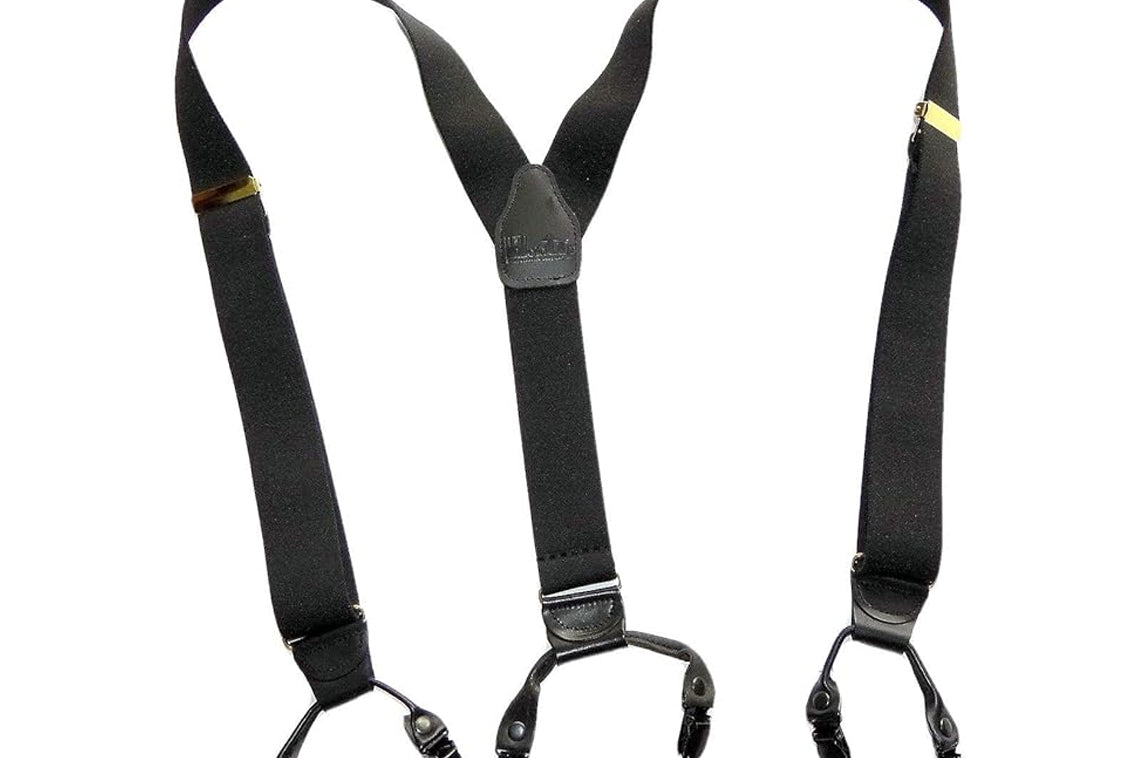
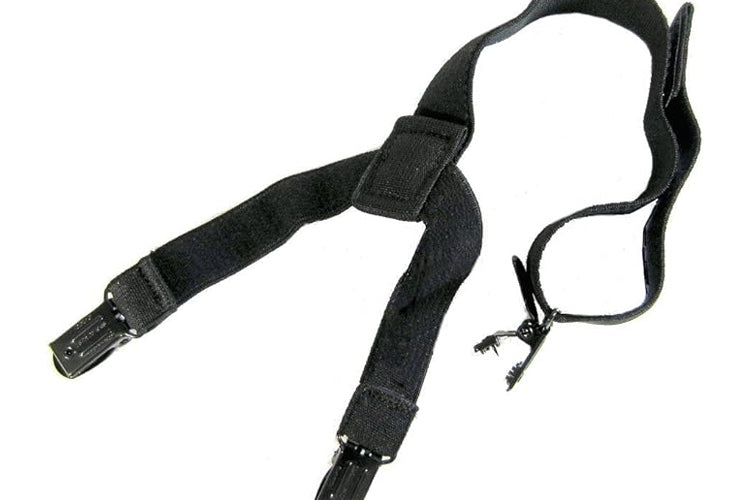
Width and back style matter more than most first-time buyers expect. A 1 to 1.5 inch strap sits well under a dress shirt for office wear, while a 1.5 to 2 inch strap distributes weight better for all-day, active wear. X-back styles cross at the center and stay put during more physical movement, while Y-back styles sit flatter under a fitted shirt. Clip-on suspenders work on any pants immediately, while button-on styles need buttons sewn into the waistband first but offer a cleaner, more formal look. The full breakdown is covered in Holdup's guide to suspender types and back styles.
Frequently Asked Questions
Are suspenders more comfortable than overalls for everyday wear?
For most everyday situations, yes, mainly because suspenders attach to pants already owned and add no extra fabric across the chest. Overalls become more comfortable specifically when the day involves manual work, mess, or a need for the bib's pockets, situations where their added protection and storage outweigh the extra fabric and warmth.
Can you wear suspenders instead of overalls for manual work?
You can, and many tradespeople do, but overalls offer protection and pocket storage that suspenders alone can't match. If the work involves splashes, dust, or carrying small tools, overalls are usually the more practical choice. For lighter work that doesn't require the bib's protection, suspenders work fine.
Do overalls or suspenders run warmer in hot weather?
Overalls generally run warmer, since the bib panel adds a layer of fabric across the chest and stomach that suspenders don't have. Suspenders sit on the shoulders with no additional fabric over the torso, making them the cooler option for summer or warm climates.
Are overalls harder to use the bathroom in than suspenders?
Generally, yes. Suspenders release at a couple of front clips or buttons in seconds. Overalls usually need the straps and bib to come down fully before the pants can be undone, which takes longer and is less convenient in a small space.
Can I wear suspenders with the same pants I'd wear with a belt?
Yes, as long as the pants have belt loops or interior buttons for suspender attachment. Clip-on suspenders work with almost any waistband, including belt loops, while button-on styles need buttons sewn inside the waistband, which any tailor can add in one visit.
Which is better for someone who wears different pants every day?
Suspenders. Because they're an accessory rather than a full garment, the same pair moves between dress trousers, jeans, and chinos depending on the day. Overalls are a single, integrated outfit, so switching pants daily would mean owning several pairs of overalls instead of one accessory.
Do suspenders or overalls last longer?
Both can last many years with reasonable care, since both rely on quality elastic, stitching, and hardware. Suspenders tend to see less wear overall because they're not exposed to the friction, mess, and repeated washing that work overalls typically go through.