

A maternity belt is a solid piece of elastic fabric wrapped snugly around your midsection, exactly where your body is already working overtime to regulate its own temperature during pregnancy. In summer, that combination can turn a support tool into a source of discomfort, trading pant support for a hot, sticky band around your belly for hours at a time.
Suspenders solve the same core problem, keeping your pants from sliding down, without adding a second layer of fabric across your midsection. That difference matters more in July than it does in January.
Why Pregnancy Already Runs Warmer
Before comparing the two support options, it helps to understand why summer heat is a bigger deal during pregnancy than it might be otherwise.
The Physiology Behind Feeling Warmer
Your body temperature and blood volume both increase during pregnancy, part of the reason many people feel warmer than usual even in mild weather. Blood volume can increase substantially over the course of pregnancy, and your body redirects more of that blood flow toward the skin to help dissipate heat, which is part of why pregnant people often report feeling flushed or overheated in conditions that wouldn't have bothered them before.
What ACOG Recommends for Heat During Pregnancy
The American College of Obstetricians and Gynecologists notes that pregnant women should avoid high heat and humidity and wear loose-fitting clothing specifically because of how much harder the body works to stay cool during pregnancy, particularly in the first trimester. A tight elastic band around your midsection works directly against that advice, trapping heat against the skin in exactly the area your body is trying hardest to cool. This isn't a minor styling preference, it's a direct conflict between what a compression garment does and what the body is already trying to accomplish on its own.
What a Maternity Belt Adds in Summer Specifically
Maternity belts are a reasonable tool in general, but summer conditions specifically change the tradeoff involved in wearing one.

Fabric and Breathability Tradeoffs
Maternity belts are usually made from a stretch-bonded fabric designed to hold its shape under tension, which means airflow through the material is limited by design. The same structural tension that makes a belt effective for support also limits how much heat and moisture can escape through the fabric, which is a fine tradeoff in cooler weather and a much less comfortable one once temperatures and humidity climb.
Heat Rash and Skin Irritation Risk
Worn under a shirt in warm weather, that combination of tight elastic and low breathability can lead to heat rash, sweating, and general discomfort building up over the course of a day, on top of whatever support benefit the belt is providing. Skin that's already more sensitive during pregnancy can react more noticeably to trapped moisture and friction than it might otherwise, which is worth factoring in alongside the simple discomfort of feeling overheated.
This isn't a flaw in maternity belts generally. They're a reasonable option in cooler months or for shorter periods of extra support. Summer heat is simply the specific condition where the tradeoff shifts.
How Suspenders Sidestep the Heat Problem
The mechanical difference between suspenders and a belt turns out to matter just as much for temperature as it does for support.
No Fabric Wrapped Around the Torso
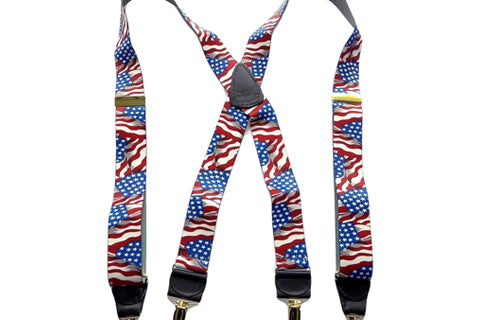
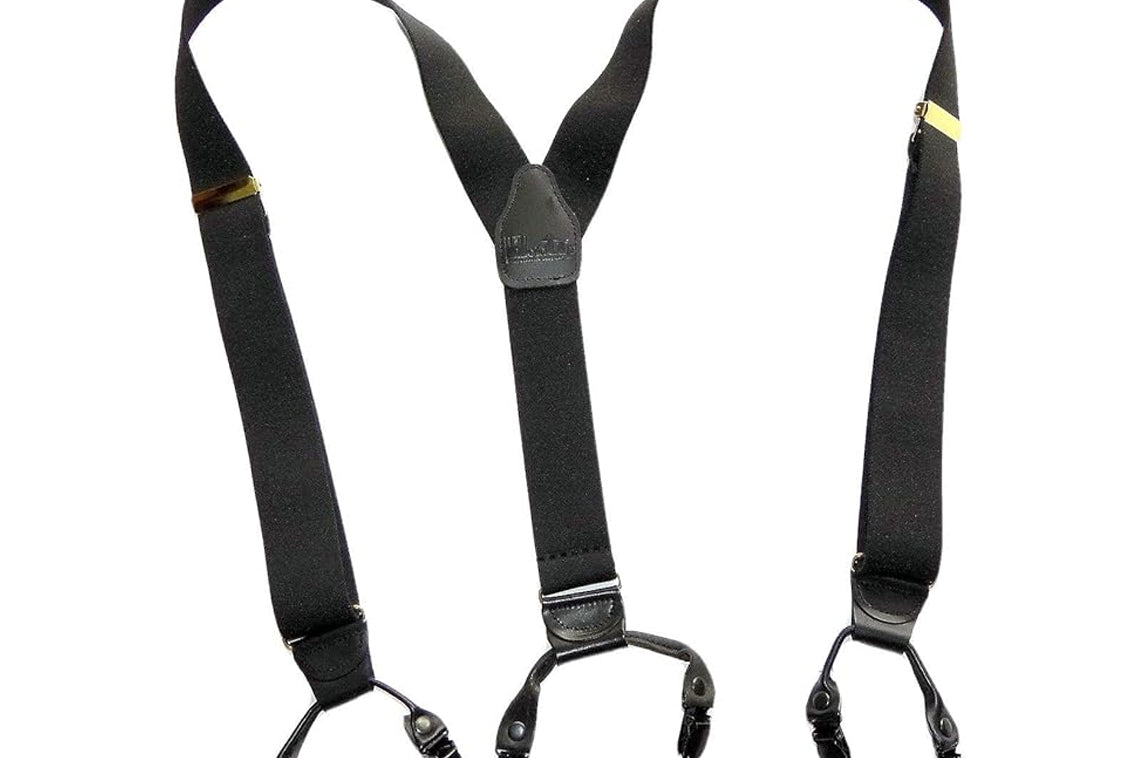
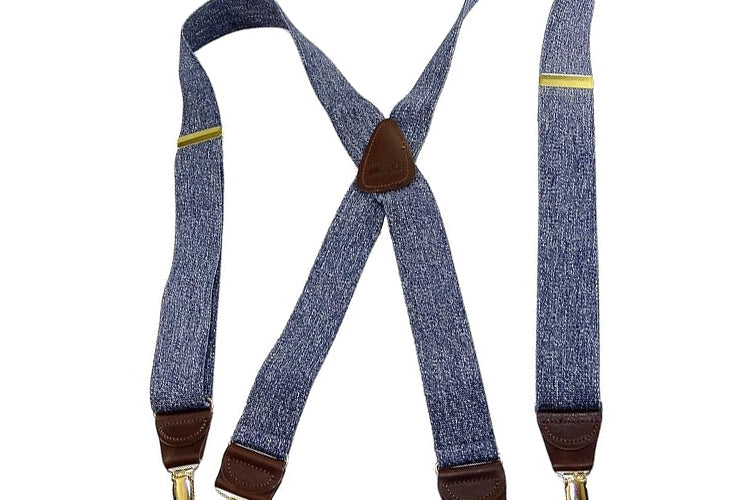
Suspenders hold your pants up from the shoulders using two narrow straps, with no fabric wrapped around your torso at all. There's nothing trapping heat against your belly, since the entire mechanism of support happens somewhere else on the body entirely. This is the same shoulder-carry mechanism covered in our guide on stopping maternity jeans from sagging, which explains why suspenders outperform belly bands and support belts for keeping pants in place generally.
Airflow at the Shoulders vs. the Midsection
The areas suspenders do touch, your shoulders and upper back, have far more natural airflow than a band cinched around your midsection, both because clothing sits looser there and because it isn't an area where pregnancy concentrates additional blood flow and heat the way the abdomen does. In summer specifically, that mechanical advantage comes with a comfort advantage too, since the parts of your body doing the work aren't the parts already working hardest to keep you cool.
Hidden, Under-Garment Styles for Summer Wear

Comfort in summer comes down to more than just the core mechanism, the specific style and fabric of the suspenders matters too.
Choosing Lightweight Fabric Pairings
Maternity suspenders designed for under-the-clothes wear use soft, wide straps that sit flat against a t-shirt or tank top rather than a heavy jacket or blouse, which matters in summer when you're likely wearing lighter layers anyway. Look for straps described as breathable or moisture-wicking if you'll be wearing them through hot, humid days, since not all strap materials perform the same way against skin in warm weather.
Layering With Summer Maternity Wear
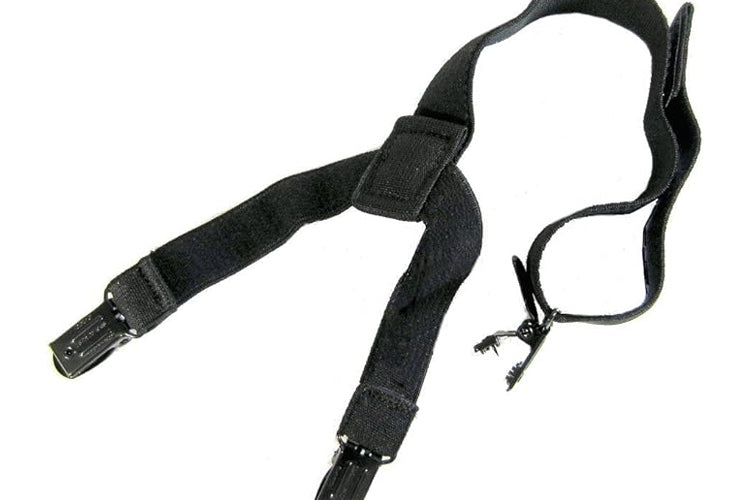
Hidden side-clip styles attach to the inner waistband of your pants and stay completely invisible under a loose t-shirt, so you get the support without visibly wearing an accessory in warm-weather outfits that tend to be simpler and more fitted. This matters particularly for sundresses with a defined waistband or lightweight maternity shorts, where a visible clip or strap would stand out more than it would under a bulkier winter layer.
Trimester-by-Trimester Considerations for Summer
Heat sensitivity and support needs both shift as pregnancy progresses, and it's worth knowing what to expect at each stage if you're pregnant through the warmer months.
First Trimester
ACOG's guidance specifically flags the first trimester as a period requiring extra caution around heat exposure, since this is when core temperature regulation is most sensitive. Support needs are usually minimal this early, but if you're already reaching for a belly band out of habit or for early reassurance, this is exactly the point where switching to a breathable, shoulder-carried option is worth doing sooner rather than later. Many people don't think to reconsider their support wardrobe until the bump is visibly showing, but if your pregnancy overlaps with summer from the start, it's worth making the switch before the heat and the added weight arrive at the same time.
Second and Third Trimester
As the bump grows through the second and third trimester, actual pant-support needs increase at the same time that overall body temperature and blood volume are at their highest. This is the point where the summer-heat tradeoff between belts and suspenders becomes most noticeable, since you're now needing more support at exactly the time your body is least tolerant of a tight, low-breathability band around the midsection.
Staying Cool Beyond Wardrobe Choices

Clothing choice is only one part of managing pregnancy heat sensitivity through summer. ACOG's broader guidance on staying comfortable in warm weather during pregnancy also recommends staying well hydrated, avoiding prolonged time outdoors during peak heat and humidity, and favoring a temperature-controlled environment when possible.
None of this replaces medical advice specific to your pregnancy, but it's worth keeping in mind that wardrobe adjustments like switching from a belt to suspenders work best as part of a broader approach to staying cool, not as a stand-alone fix. Small changes across several parts of your routine, from what you wear to when you're outdoors, tend to add up to more noticeable relief than any single change on its own.
Common Mistakes When Switching From a Belt to Suspenders in Summer
A few avoidable missteps account for most of the discomfort people report when they first try suspenders as a summer alternative to a maternity belt.
Choosing a heavy or padded strap out of habit. Some maternity suspender straps are built heavier or more padded for cooler-weather comfort and back support. In summer, a lighter, more breathable strap generally feels better against skin that's already prone to running warm.
Wearing suspenders over a fitted tank top instead of under a looser layer. Straps sitting directly against skin under a very fitted top can create their own friction and heat over a full day. A slightly looser layer between skin and strap tends to feel more comfortable in hot weather.
Assuming any belly band works the same in summer as in winter. As covered above, the same belt that felt fine in cooler months can feel noticeably different once temperature and humidity climb, so it's worth reassessing your setup seasonally rather than assuming what worked in January will work the same way in July.
Not adjusting expectations trimester to trimester. Support needs and heat tolerance both shift as pregnancy progresses. A setup that worked in the second trimester may need rethinking by the third, when both bump size and body temperature tend to be at their highest.
When a Belly Band Still Makes Sense
If you're dealing with lower back or pelvic discomfort specifically, rather than just keeping pants up, a support belt's compression can genuinely help stabilize that area regardless of season. In that case, pairing a lighter, breathable belt with suspenders for the pants-support portion of the job can let you get targeted support where you need it without adding unnecessary heat everywhere else. This combination approach lets each accessory do the one job it's actually best suited for, rather than asking a single belt to handle both back support and pants support at once, which is often where the heat and discomfort tradeoffs become most noticeable in the first place. Our big belly pants guide covers more general strategies for combining support methods.
Built for Warm-Weather Comfort

HoldUp's Maternity Undergarment Hip-Clip Suspenders use soft, breathable straps designed to sit comfortably under lightweight summer clothing, with USA-patented gripper clasps that hold securely without adding bulk. The Plus Size Maternity Hidden Side-Clip suspenders offer the same hidden, breathable support in a wider fit.
FAQs
Are maternity belts bad to wear in summer?
Not bad, but less comfortable. The tight, low-breathability fabric that makes them effective for support also traps heat, which can be uncomfortable during pregnancy when your body is already running warmer than usual.
Do suspenders provide the same support as a maternity belt?
They serve a different purpose. Suspenders keep your pants from sliding down by carrying weight from your shoulders. A maternity belt is designed more for abdominal and lower-back compression support. Many people use suspenders for pants and a lighter belt only when they need extra back support.
Can I wear maternity suspenders under a t-shirt in summer?
Yes. Hidden, under-garment styles use soft, wide straps and side clips designed to stay invisible and comfortable under lightweight summer clothing like t-shirts and tank tops.
Do suspenders cause overheating the way a belt can?
No, since they don't wrap fabric around your torso. The straps sit on your shoulders and upper back, areas with more airflow than a band cinched around the belly.
Is the first trimester a particularly important time to avoid overheating?
ACOG's guidance specifically highlights the first trimester as a period where avoiding excess heat is especially important, since core temperature regulation is most sensitive early in pregnancy.
Should I still drink plenty of water and avoid peak heat even if I switch to suspenders?
Yes. Switching from a belt to suspenders addresses one specific source of trapped heat, but staying hydrated and avoiding prolonged exposure to high heat and humidity remain important on their own regardless of what you're wearing.
Should I talk to my doctor about which support option is right for me?
Yes, especially if you're experiencing pain or pressure rather than simply looking for a comfortable way to keep pants up. Your provider can advise on the best option for your specific pregnancy.
Does the type of fabric in my regular maternity clothes matter alongside my choice of suspenders or belt?
Yes. Pairing breathable suspenders with heavier, non-breathable maternity pants or tops can still leave you feeling overheated even if the suspenders themselves are lightweight. Loose, breathable fabric throughout your outfit works best alongside a breathable support choice underneath it.