

By the second half of pregnancy, a lot of women notice a new kind of discomfort: pants that feel like they're pressing down on an already sensitive pelvic area. It's not just about the waistband being too tight. It's the constant downward pull of the fabric itself, sitting right where the body is already carrying extra weight and pressure.
This particular kind of discomfort is easy to overlook, because it isn't always dramatic. It tends to build slowly, hour by hour, rather than showing up all at once. Many women describe it as a heaviness that gets more noticeable by the end of the day, especially after a lot of standing, walking, or sitting in one position for a long stretch, similar to the fatigue described in this piece on side-clip suspenders for comfort on long car trips. Clothing choices that seemed completely irrelevant before pregnancy can suddenly become a meaningful part of how comfortable that day feels.
Suspenders offer a different way to think about this problem. Instead of anything gripping or resting on the belly and hips, the pants are held up from the shoulders, which takes the weight off the waist and pelvis entirely. It's a small mechanical shift, but for many women it changes how a full day in the same pair of pants actually feels.
Why This Problem Happens During Pregnancy
As the uterus grows, it puts pressure on the pelvis and lower abdomen. Many women describe this as a heavy, achy feeling, sometimes described as round ligament discomfort. According to the Cleveland Clinic, round ligament pain is a common and normal pregnancy symptom that shows up as an ache or brief sharp sensation in the lower abdomen, hips, or groin, especially as the uterus and surrounding ligaments stretch.
On top of that, standard clothing waistbands sit exactly where this pressure is already building. A waistband that pulls down or presses in can add to the sensation of heaviness, even if it isn't causing the underlying discomfort itself.
Why the Timing of This Discomfort Matters
Round ligament discomfort tends to show up most with sudden movement, standing up quickly, coughing, or turning over in bed, but the general sense of pelvic heaviness tends to build gradually over the course of a day. That's an important distinction for clothing choices specifically. A waistband that feels fine first thing in the morning can feel noticeably heavier by the afternoon, simply because the cumulative pressure has had more time to add up. This is part of why some women notice suspenders make more of a difference later in the day than they expected.
Why Traditional Waistband Support Can Feel Uncomfortable

Most pants, even ones marketed as "comfortable," rely on elastic or fabric tension around the waist to stay up. For a lot of pregnant women, that tension becomes uncomfortable exactly where the body needs the least amount of added pressure. Maternity belts and belly bands can help support the belly itself, but they still involve something wrapped around the middle, which isn't always what someone wants when they're already feeling pressure in that area.
There's also a subtle but real difference between support and compression. A maternity belt is designed to lift and support the weight of the belly, which some women find genuinely relieving, in much the same way padded straps are discussed in this article on the benefits of wearing suspenders under your shirt. But a standard waistband isn't doing that job at all. It's simply gripping the body tightly enough to keep the pants from falling, which adds pressure without offering any of the supportive benefit that a properly designed belt provides.
How Suspenders Can Help Support Pants Differently
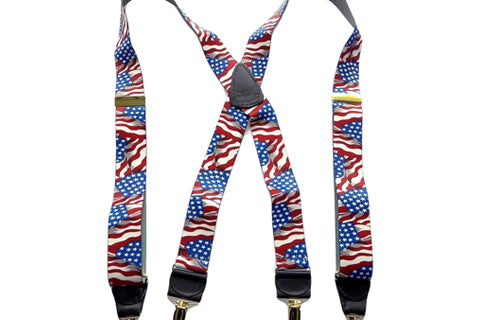
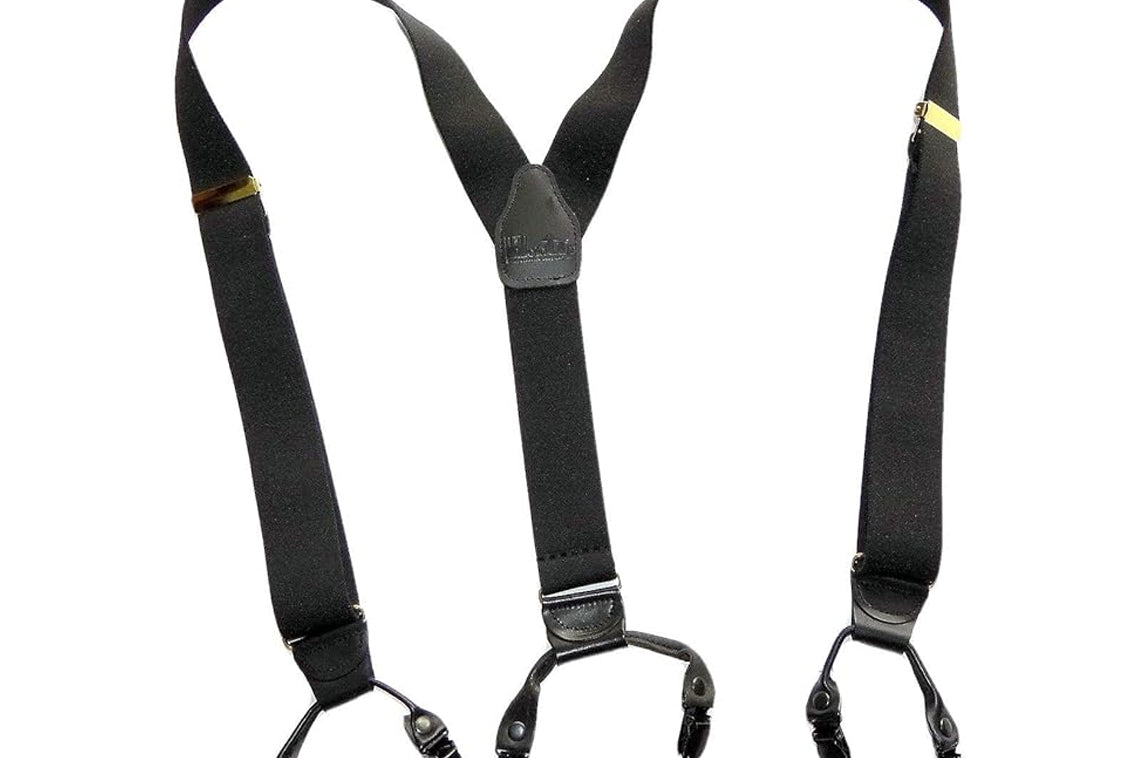
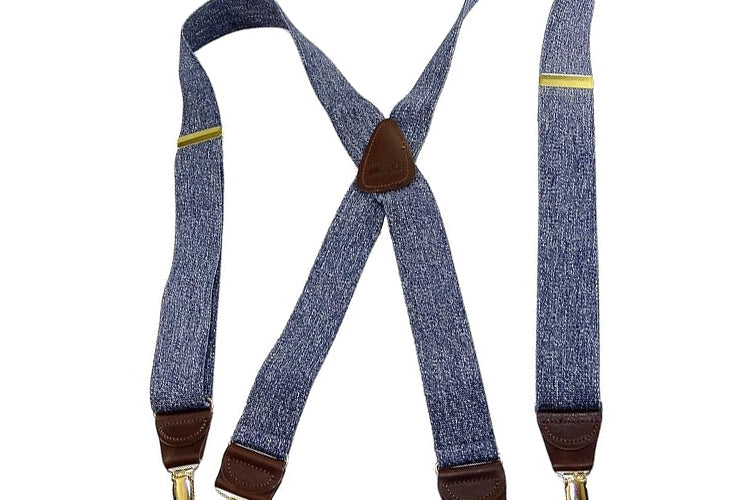
Suspenders remove the waistband from the equation almost entirely. Clips attach near the hips or front waistband, and the straps run up and over the shoulders, so the weight of the pants is carried there instead. Nothing needs to squeeze the belly or hips to keep the pants from sliding down.
This is the same idea covered in this guide on where suspenders should sit for the most comfortable placement, which explains how proper clip and strap positioning changes how much pressure you feel, or don't feel, throughout the day.
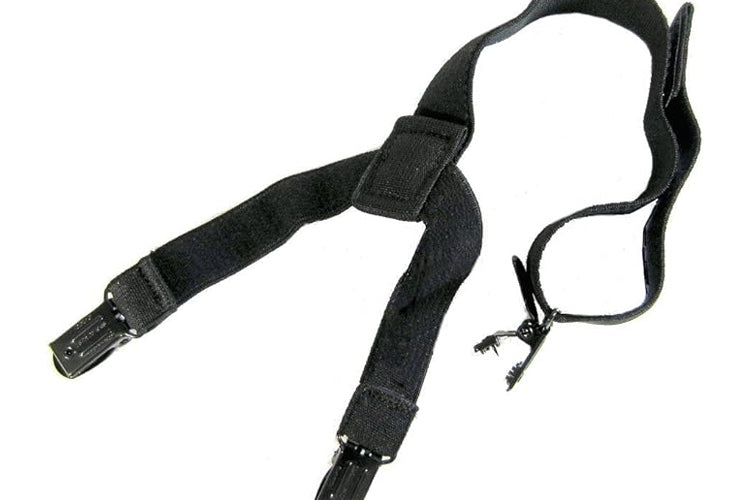
For pregnancy specifically, the maternity side-clip suspenders are designed with this lower attachment point in mind, so the straps redirect weight upward rather than adding to downward pressure at the waist.

How the Weight Actually Shifts
It helps to picture the mechanics directly. A standard waistband distributes the weight of the pants in a ring around the waist and hips, which is exactly where pelvic pressure already concentrates during pregnancy. Suspenders instead distribute that same weight across two straps running over the shoulders and down the back, spreading it over a completely different part of the body. The shoulders and upper back are simply better suited to carrying steady, low-level weight over the course of a day than the pelvis is, which is why this redistribution tends to feel like a genuine relief rather than just a different kind of tightness.
Best Clothing Situations Where Suspenders May Help
Work pants or trousers worn for long stretches of standing or walking. Jobs that keep you on your feet for hours tend to make any pelvic pressure more noticeable by the end of a shift, and removing waistband pressure from the equation can make a meaningful difference.
Looser maternity pants that still need some kind of support to stay level. Even maternity-specific pants sometimes need a bit of extra help staying in place, especially ones with a soft, stretchy panel rather than a firm waistband.
Days when round ligament discomfort makes anything tight around the middle feel worse. On days when you're already feeling sensitive in the lower belly, avoiding anything that adds pressure to that area can make a real difference to overall comfort.
Pants worn without a belt or waistband tension at all. If you've already loosened or removed a belt, suspenders can pick up the job of keeping the pants in place without reintroducing any pressure around the waist.

How to Choose the Right Suspenders During Pregnancy
Look for adjustable straps so you can loosen or tighten support as your pregnancy progresses and your comfort needs change week to week.
Choose soft, flexible clips rather than rigid metal ones, since these tend to be gentler against sensitive skin and thinner maternity fabrics.
Consider a hidden or discreet design, like the plus size maternity hidden suspenders, if you want the support without it being visible under your clothes.
Pay attention to strap width and softness across the shoulders, since anything too narrow can feel like it's simply moving the pressure from your waist to your shoulders instead of relieving it.
If you're weighing suspenders against a more traditional belly-support garment, this guide to women's suspenders and how they differ from other support garments is worth reading, since it walks through the different ways women's suspenders are built compared to standard men's styles.
Practical Tips for Wearing Them Comfortably
Start with the straps looser than you think you need, then tighten gradually until the pants sit level without pulling.
Avoid over-tightening, since the goal is gentle, even support, not a tight lift that creates its own discomfort.
Pair with soft, non-restrictive tops so the straps can sit flat without bunching.
Test the fit while sitting and standing, since pelvic pressure can feel different depending on your position, and you want the suspenders to feel comfortable in both.
If you're on your feet for long periods, this comparison of suspenders and other back support options may help you think through what combination works best for your day.
It also helps to think about the rest of your outfit, not just the suspenders themselves. Looser, higher-rise pants naturally sit further from the areas where pelvic pressure tends to concentrate, so pairing them with suspenders often works better than trying to support a very low-rise or fitted style. Fabric matters too. Softer, more breathable materials tend to move with the straps rather than bunching or pulling, which makes the whole setup feel less noticeable over the course of a day.

Many women also find it helpful to change position periodically rather than standing or sitting in one spot for long stretches, since pelvic pressure often builds gradually with sustained posture. Suspenders won't change that underlying pattern, but keeping the waistband out of the equation at least removes one source of added pressure while you're finding other ways to stay comfortable throughout the day.
Building a Simple Daily Routine
A lot of women find it helpful to think of suspenders as one part of a small daily routine rather than a single fix. That might mean putting them on in the morning with the straps set slightly looser, checking the fit again after the first hour of the day once you've settled into your usual posture and movement pattern, and making a final adjustment before an especially long stretch of standing or sitting, such as a commute or a work shift. Treating it as a quick daily check rather than a one-time setup tends to produce the most consistent comfort over the following weeks.
When to Consider Other Support Options
Suspenders can help reduce the amount of pressure that pants add to an already uncomfortable pelvic area, but they're one option among several. Maternity support belts, pelvic support garments recommended by a physiotherapist, and simply switching to looser, lower-rise pants are all worth considering depending on what's causing the discomfort. If pelvic pain is frequent, severe, or getting in the way of daily activities, it's worth mentioning to your midwife or doctor, since there are dedicated treatments and physiotherapy approaches for pregnancy-related pelvic pain, as outlined by the NHS.
It's also worth remembering that comfort strategies often need to change over the course of a pregnancy. What works well at twenty weeks might not feel like enough support by thirty-four weeks, and that's completely normal. Revisiting your approach every few weeks, rather than assuming one setup needs to last the whole pregnancy, tends to produce better results than sticking rigidly to a single method.
Final Thoughts
Pelvic pressure during pregnancy is common, and while suspenders won't treat or prevent it, shifting the weight of your pants away from your waist and onto your shoulders is a simple, practical way to avoid adding extra pressure to an area that's already working hard. Combined with other comfort strategies, it's one more tool worth having in rotation, and one that's easy to adjust as your needs change from one week to the next.
FAQs
Do suspenders actually reduce pelvic pain?
Suspenders don't treat or prevent pelvic pain. What they can do is remove the added pressure of a tight waistband, which some women find makes existing discomfort feel less aggravated throughout the day.
Is round ligament pain the same as pelvic girdle pain?
No. Round ligament pain is a brief, sharp sensation caused by the stretching ligaments that support the uterus, while pelvic girdle pain involves the joints of the pelvis itself and tends to last longer. Both are common in pregnancy but have different causes.
Can suspenders be worn with maternity leggings?
Yes, though leggings with built-in over-the-belly panels often don't need additional support. Suspenders are generally more useful with pants that have a traditional waistband.
Will suspenders help if I already wear a maternity belt?
Some women use both, depending on the day. A maternity belt supports the belly itself, while suspenders support the pants, so they solve slightly different problems.
How tight should suspenders be during pregnancy?
Just tight enough to keep pants level without pulling on your shoulders. Over-tightening can create new discomfort, so it's worth adjusting gradually until it feels right.
When should I talk to my doctor about pelvic pressure?
If pelvic pressure is severe, constant, or accompanied by other symptoms like bleeding or contractions, contact your healthcare provider. Occasional, mild pressure is common, but it's always worth mentioning at your next appointment if it's bothering you.