

Over-the-belly maternity leggings are supposed to be the comfortable, easy option. They stretch, they move with you, and they're designed with a growing belly in mind. But a lot of women run into the same frustrating issue: the panel slides down throughout the day, especially during errands, work shifts, or anything that involves walking, bending, or sitting for long periods.
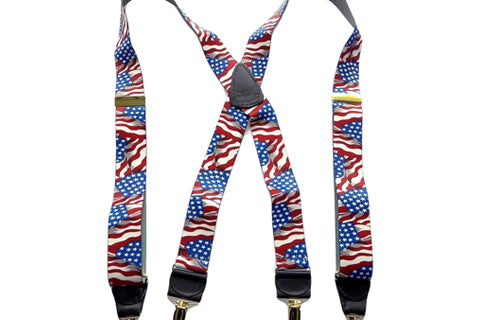
It's an oddly common complaint given how popular these leggings are. Ask around and you'll find plenty of women who love the concept but have quietly given up on wearing certain pairs because of exactly this problem, constantly reaching down to tug the panel back up, especially after sitting for a while or getting up from a chair, a frustration echoed in this piece on stylish women's suspenders outfits. It's not a huge issue on its own, but it adds up over the course of a full day, and it's the kind of small annoyance that can make an otherwise comfortable pair of leggings feel like more trouble than they're worth.
The problem usually isn't the leggings themselves. It's that a stretchy panel relying purely on elastic tension has limits, especially as the belly grows and shifts throughout the day. Suspenders offer an alternative way to keep everything anchored, without changing how the leggings feel or fit.
Why This Problem Happens During Pregnancy
The over-the-belly panel on maternity leggings is designed to stretch and move with the belly, which is great for comfort but not always great for staying in place. As the belly grows, gets heavier, or shifts position throughout the day, the panel can gradually work its way down, especially if the fabric isn't especially grippy or if you're moving around a lot.
This tends to get more noticeable in the second half of pregnancy, when the belly is bigger and heavier, and the panel has more surface area to slide across, a pattern also discussed in this comparison of suspenders vs drawstring pants for travel comfort.
Why Elastic Alone Isn't Always Enough
It's worth understanding why the elastic panel struggles in the first place. Elastic fabric works by gripping through tension, essentially squeezing slightly to hold its position. But as the belly grows larger, that same panel has to stretch further just to fit, which reduces how much tension is left over to actually hold the fabric in place. In practical terms, the panel that fit snugly and securely at twenty weeks may have considerably less holding power by thirty weeks, purely because it's being asked to stretch so much further than it was originally designed for.
Why Traditional Waistband Support Can Feel Uncomfortable

The instinct is often to size down or choose a tighter pair of leggings to stop the slipping, but that usually just trades one problem for another, tightness and pressure on the belly instead of slipping. Belly bands can help hold the panel up, but they add another layer of fabric wrapped around the middle, which isn't always comfortable, especially in warmer weather or for longer wear.
There's also a wear-and-tear factor that's easy to overlook. Leggings that get washed and worn repeatedly over several months of pregnancy naturally lose some of their original elasticity, which means a pair that held up perfectly well early on may start slipping more later, even without any change in how they're being worn.
How Suspenders Can Help Support Pants Differently
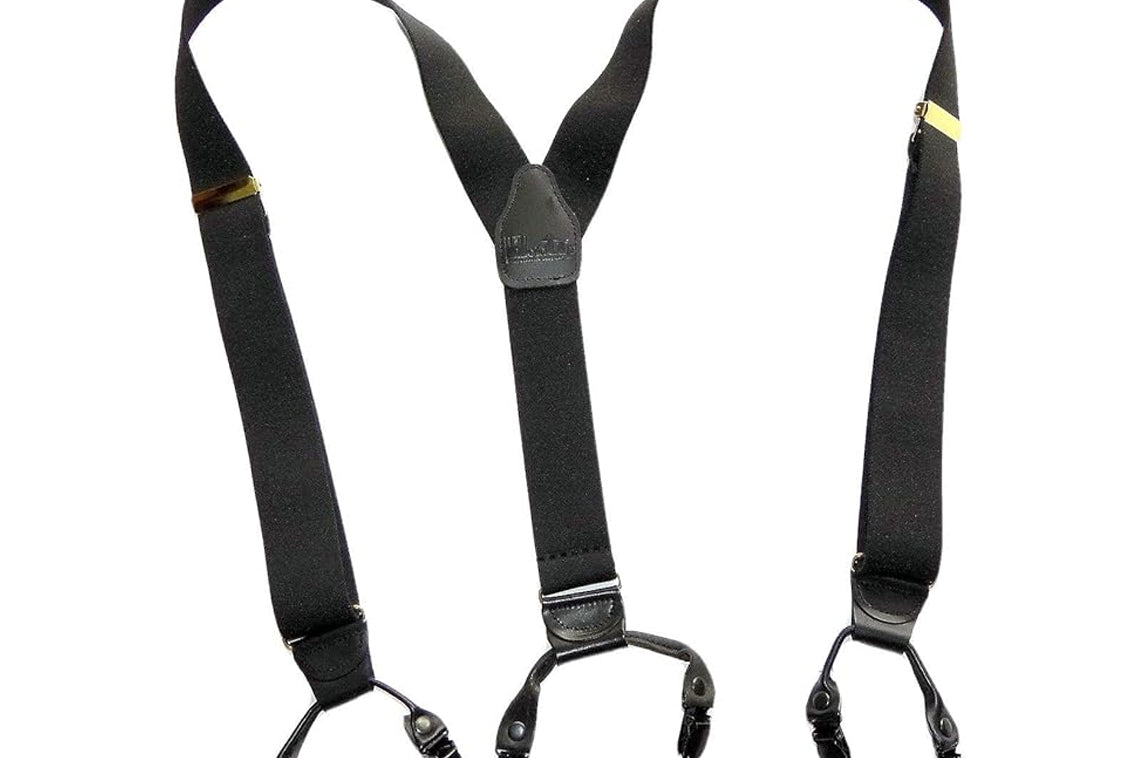
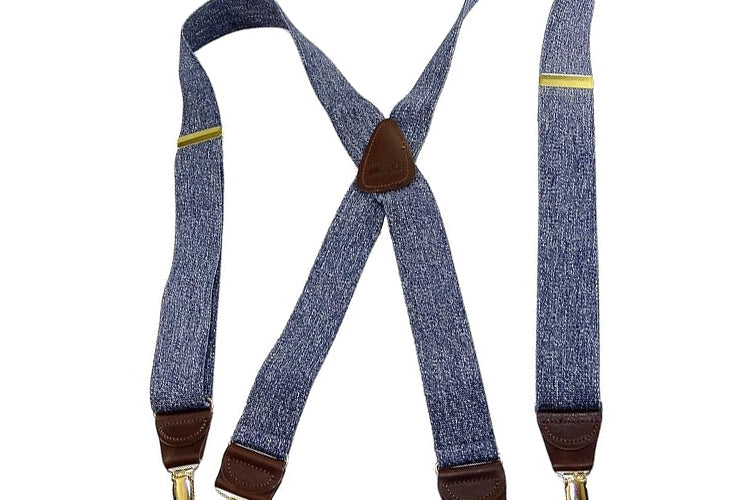
Suspenders take a completely different approach. Rather than relying on the panel's own elastic to stay up, the leggings are clipped at the waistband and held in place from the shoulders instead. This means the panel doesn't have to fight gravity on its own, since the suspenders are doing the actual holding.
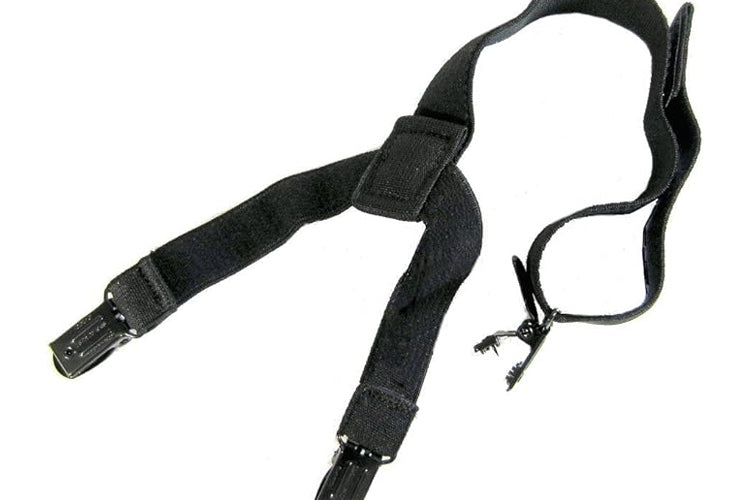
The maternity suspenders with gripper clasps are designed to clip onto stretch fabric without damaging it, which makes them a good match for leggings specifically, since the clasps grip rather than puncture the material.
Why This Matters More for Leggings Than for Regular Pants
Leggings present a slightly different challenge than woven pants, since the fabric itself is designed to stretch in every direction. That's great for comfort, but it also means the fabric offers less natural resistance to sliding compared to a firmer, more structured pant. Suspenders compensate for this by providing an external anchor point that doesn't depend on the fabric's own elasticity at all, which is part of why they tend to work so reliably even on leggings that have already stretched out somewhat with wear.
Best Clothing Situations Where Suspenders May Help
Over-the-belly leggings worn for long shifts or full days out. The longer you're in a pair of leggings, the more time the panel has to gradually work its way down, so suspenders tend to make the biggest difference on the longest days.
Maternity leggings paired with looser tops. A slipping waistband is much more noticeable, and visible, when it's not covered by a fitted top, which makes suspenders especially useful for casual outfits with a longer, looser silhouette.
Days involving a lot of bending, walking, or sitting and standing. Repetitive movement tends to accelerate slipping, so active days, errands, appointments, or work shifts on your feet, are exactly when the extra support matters most.
Leggings that have started to stretch out slightly with regular wear. If a favorite pair has been through the wash a few dozen times, suspenders can extend its useful life well beyond the point where the elastic alone would have given up.
How to Choose the Right Suspenders During Pregnancy
Look for gripper-style clasps rather than sharp metal clips, since these hold stretch fabric securely without snagging or tearing it.
Choose adjustable straps so you can fine-tune the fit as your belly and the leggings themselves change shape over the following weeks.
Consider a hidden design, like the hidden maternity side-clip suspenders, so the straps stay tucked under a top rather than visible over the leggings.
If you're deciding between elastic and non-elastic straps, this guide on elastic vs non-elastic women's suspenders breaks down which works better for different fabric types and activity levels. Mayo Clinic notes that as the belly grows later in pregnancy, additional abdominal support beyond a standard waistband is common, which is part of why a slipping panel becomes more noticeable in the third trimester.

Suspenders Compared to Sizing Up or Using a Belly Band
It's worth comparing the main options side by side, since each solves the slipping problem in a different way.
Sizing up gives the panel more fabric to work with, which can reduce slipping somewhat, but it also means more excess fabric elsewhere, which can bunch or feel bulky under other clothing.
A belly band worn over the panel can add extra hold, but it introduces another layer of fabric around the middle, which some women find too warm, especially later in pregnancy when overheating becomes more of an issue.
Suspenders anchor the leggings from the shoulders rather than adding bulk or relying on a bigger size, which tends to be the most direct fix for the specific problem of a panel that slides down over the course of a day.
Practical Tips for Wearing Them Comfortably
Attach the clips low enough on the waistband that they don't interfere with the belly panel's natural stretch.
Adjust the straps so the leggings sit at their normal rise, rather than pulling them unnaturally high.
Check the fit after sitting down for a few minutes, since this is usually when slipping becomes most noticeable, and adjust the straps if needed.
Pair with a longer top if you'd rather keep the straps completely hidden throughout the day.
It's also worth paying attention to how the leggings themselves are constructed. Panels made from a firmer, more structured fabric tend to hold their position better than very soft, thin materials, which stretch more easily under the weight of a growing belly. If you're noticing slipping with a specific pair, it may be less about how you're wearing them and more about the fabric simply reaching the end of its useful stretch.
Weather and activity level play a role too. Warmer days often mean more perspiration, which can make any waistband, elastic or otherwise, slide more easily. On days like that, a lighter, moisture-wicking layer under the suspenders can help keep everything in place a little more reliably.
A Simple Routine Worth Trying
Some women find it helpful to build a quick, repeatable routine around wearing suspenders with leggings. Put the leggings on first, attach the suspenders before adding a top, adjust the straps while standing normally rather than stretched up or leaning over, and do one final check after sitting down for a minute or two, since that's usually when any remaining slack becomes obvious. Once this becomes routine, it takes less than a minute and tends to prevent most of the slipping that would otherwise show up later in the day.
Choosing Between Styles for Different Occasions
Not every outfit calls for the same setup. For a casual day at home, a lighter, softer suspender style worn loosely might be all you need. For a full day out, running errands, attending appointments, or simply being on your feet more than usual, a slightly firmer adjustment with wider straps tends to hold up better over time. It's worth keeping this in mind rather than assuming one fit has to work for every situation, since pregnancy comfort tends to be more about matching the solution to the specific day than finding one permanent setup.
When to Consider Other Support Options
If suspenders aren't quite the right fit for your routine, a few other options are worth considering. Sizing up slightly in your leggings can sometimes reduce slipping without adding pressure, and a soft belly band worn loosely over the panel can add a bit of extra hold.
It's also worth checking whether the leggings themselves have simply stretched out with wear and may need replacing. Most women find a combination of a few small adjustments works better than relying on just one fix. This overview of suspenders for women's high-waisted pants covers a similar comparison for anyone weighing leggings against other maternity styles.

Final Thoughts
A slipping waistband on maternity leggings is a common, everyday annoyance rather than a sign anything's wrong with your body or your clothes. Suspenders offer a simple way to take the pressure off the panel's elastic and keep everything anchored from the shoulders instead, so you can move through your day without constantly tugging your leggings back into place.
FAQs
Will suspenders damage the fabric on my maternity leggings?
Gripper-style clasps, rather than sharp metal clips, are designed to hold stretch fabric securely without tearing or snagging it, making them a safer choice for leggings.
Do I need special suspenders for leggings, or will any style work?
Maternity-specific suspenders with hip-clip or side-clip attachments tend to work better with leggings than traditional back-and-shoulder styles, since they're designed for softer, stretchier fabric.
Can suspenders be worn under a shirt with leggings?
Yes. Many maternity suspenders are designed to sit flat against the body so they can be worn hidden under a top.
Why do my leggings slip more as pregnancy progresses?
As the belly grows and gets heavier, the over-the-belly panel has more surface area and weight to support, which can make slipping more noticeable later in pregnancy.
Is it better to size up in leggings instead of using suspenders?
Sizing up can help in some cases, but it doesn't always solve slipping on its own. Many women find that suspenders combined with the right size leggings give the most reliable result.
Are suspenders comfortable to wear all day?
Most women find adjustable, soft-clip suspenders comfortable for all-day wear, though it's worth adjusting the fit gradually and checking it after sitting or moving around.