

Twelve-hour shifts are demanding enough without also fighting a waistband all day. For pregnant nurses, scrubs that fit fine at the start of a shift often feel completely different by the end of it, sliding down after hours of walking, bending, lifting, and moving between patients. Between the physical demands of the job and a growing belly, this is one of the more common, and more overlooked, discomforts of working through pregnancy.
It's a problem that rarely gets discussed openly, since most conversations about pregnancy at work focus on bigger issues like fatigue, morning sickness, or physical restrictions. But the small, constant annoyance of a slipping waistband, especially during a shift where your hands are rarely free to fix it, adds a layer of frustration that shouldn't be underestimated, similar to the discomfort described in this piece on the benefits of wearing suspenders under your shirt. Reaching down to adjust scrubs while carrying supplies, assisting a patient, or in the middle of documentation isn't just inconvenient, it can genuinely interrupt your workflow at exactly the wrong moment.
Suspenders offer a discreet, practical way to keep scrubs or work pants in place through a long shift, without adding a tight waistband or bulky belly band under a uniform.
Why This Problem Happens During Pregnancy
Scrub pants are usually built with a simple drawstring or elastic waistband, designed for comfort and flexibility rather than a precise fit. As pregnancy progresses, that same flexibility that once felt comfortable can start working against you. The waistband stretches, loosens throughout a shift, and combined with a growing belly, tends to slide down with every bit of movement, which on a busy floor is often constant.
Long shifts make this worse. Hours of standing, walking, bending to help patients, and reaching for equipment all put repeated stress on a waistband that's already working harder than it was designed to, a pattern also discussed in this comparison of suspenders vs drawstring pants for comfort.
Why Nursing Work Makes This Worse Than Most Jobs
It's worth being specific about why this problem shows up so much more for nurses than for people in less physically active jobs. A desk job involves relatively little movement over the course of a shift, so a slightly loose waistband might go unnoticed for hours. Nursing work is the opposite: constant bending, reaching, walking between rooms, and physical tasks that repeatedly stress the waistband. Each of those movements is a small opportunity for a stretched-out drawstring or elastic band to lose a little more of its grip, and over a 12-hour shift, those small moments add up fast.
Why Traditional Waistband Support Can Feel Uncomfortable

Tightening the drawstring further is the usual first fix, but that just shifts the problem, trading slipping for a waistband that digs in uncomfortably over a 10 or 12-hour shift. Belly bands can help, but they add another layer under an already busy uniform, and in a fast-paced clinical environment, that extra bulk isn't always practical.
There's also a practical, day-to-day consideration specific to healthcare work. Uniforms need to allow for quick movement, bending, reaching, occasionally moving quickly between tasks, and anything that adds bulk or restricts that movement can become its own source of discomfort, separate from the original waistband problem.
How Suspenders Can Help Support Pants Differently
Suspenders take the job of holding up scrub pants away from the waistband entirely. Once clipped in place, the straps carry the weight over the shoulders, which means the drawstring or elastic waist doesn't need to do any of the actual holding. This works well precisely because it's discreet, since a scrub top easily covers the straps underneath.
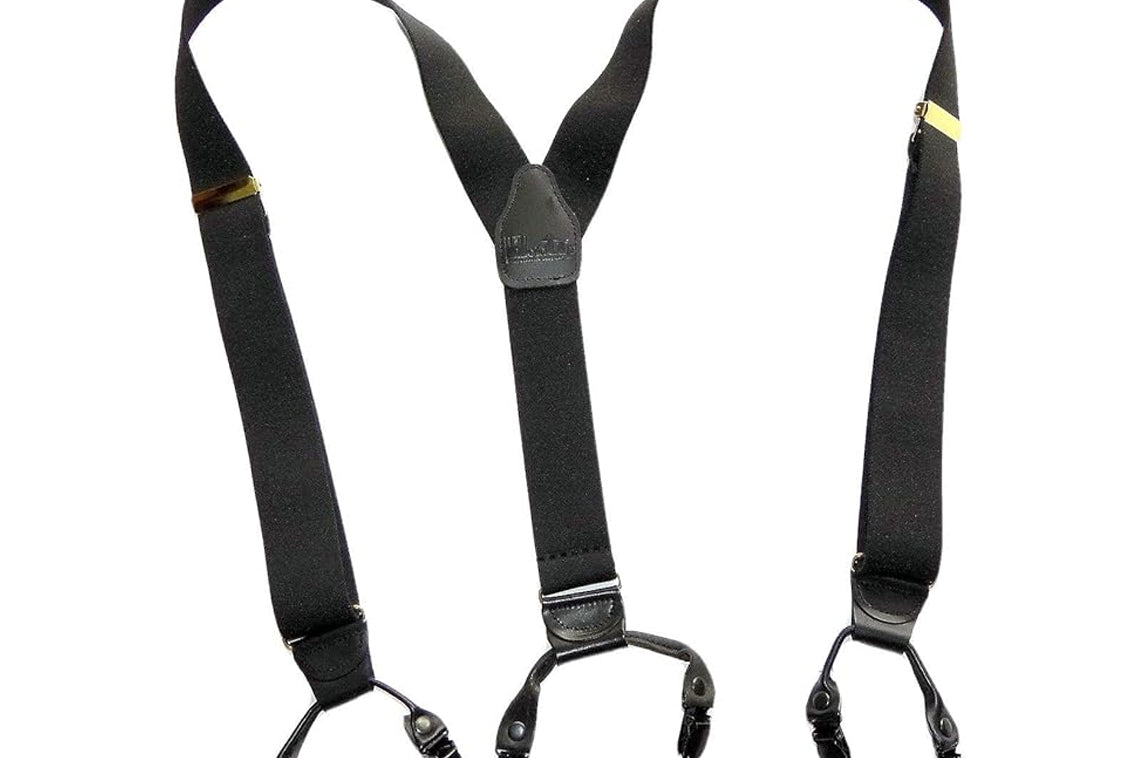
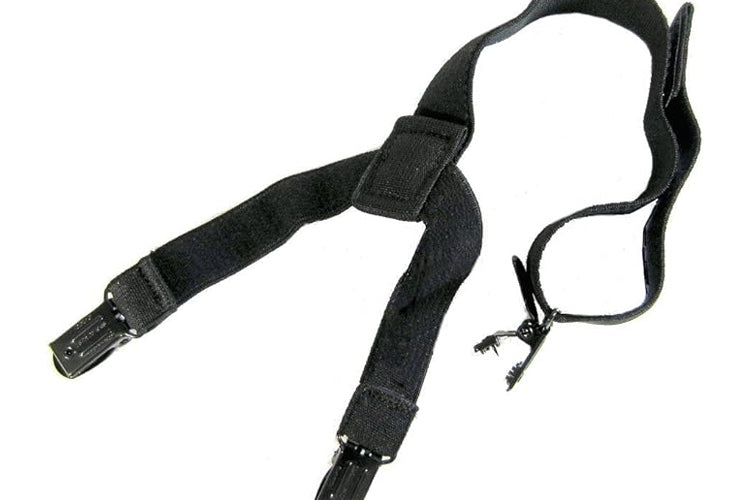
The maternity suspenders with gripper clasps are designed for exactly this kind of use, with soft clips that grip scrub fabric without leaving marks, and straps that stay comfortably hidden under a loose scrub top through an entire shift. For nurses who prefer a slightly different attachment style, the maternity side-clip suspenders offer a similar hidden, hip-level fit with a metal clip option for a slightly firmer hold.
Why the Shoulder Support Approach Suits Clinical Work Specifically
The reason this works particularly well for nursing is that the support stays constant regardless of movement. A drawstring can only be tightened so much before it becomes uncomfortable, and even then, it gradually loosens with repeated bending and stretching throughout a shift. Suspenders don't loosen the same way, since the straps aren't relying on friction or tension against the belly, they're simply anchored at the shoulders and clipped at the waistband, which stays consistent no matter how many times you bend down or reach for something on a shift.
Best Clothing Situations Where Suspenders May Help
Standard drawstring or elastic-waist scrub pants. These are the most common style in most healthcare settings, and also the style most prone to gradual slipping over a long shift.
Long 10 or 12-hour shifts involving a lot of standing, bending, and walking. The longer and more physically active the shift, the more a stable waistband matters, since there's simply more time and movement for a loose fit to become a problem.
Work pants with a similar loose-fit, easy-care design. Some clinical roles use scrub-alternative work pants rather than traditional scrubs, and the same slipping issue tends to show up with these too.
Any uniform where a visible belly band or belt isn't practical or allowed. Some workplaces have specific dress code expectations, and a completely hidden suspender setup avoids any conflict with visible accessory policies.
How to Choose the Right Suspenders During Pregnancy

Discreet, hidden design matters most in a clinical setting. Look for a style that sits flat and stays completely covered under a scrub top.
Soft, adjustable clips that won't snag scrub fabric or dig in during long stretches of movement.
Breathable straps that stay comfortable through a full shift, especially given how physically active nursing work tends to be.
If comfort during long shifts is the main concern, this article on whether padded suspenders are comfortable for long shifts is a useful comparison point when deciding between padded and standard strap styles.
Suspenders Compared to Other Scrub Fixes
Sizing up scrub pants can reduce tightness around the belly, but it doesn't necessarily stop the waistband from slipping, since a looser drawstring in a bigger pair of pants can still work its way down over a long shift.
A belly band worn under the scrub top adds extra hold, but it also adds heat and bulk under a uniform that's already being worn for many hours at a time, which some nurses find uncomfortable, particularly during busier or warmer shifts.
Maternity-specific scrub pants with a built-in stretch panel are purpose-built for this exact problem, but not every workplace stocks them, and replacing an entire scrub wardrobe can be a real expense for something that's only needed for a few months.
Suspenders solve the core mechanical issue directly, holding the pants from the shoulders rather than relying on the waistband at all, without requiring a new uniform or adding noticeable bulk underneath existing scrubs.
Practical Tips for Wearing Them Comfortably
Adjust the straps at the start of your shift rather than midway through, since scrub pants tend to stretch gradually and it's easier to set the right tension before things shift.
Choose a looser scrub top to fully conceal the straps and clips underneath.
Reassess the fit every few weeks as your pregnancy progresses, since the right adjustment point in month five may not be the same in month eight.
Pair with comfortable, supportive shoes, since standing for long shifts adds its own strain regardless of how well your pants are staying up. This overview on how hidden Under-Ups suspenders became a daily staple for some wearers is worth a look if discreet, all-day wear is your main priority.
It's also worth thinking about how your scrub pants are sized. A pair that fit well before pregnancy but is now stretched to its limit will slip no matter what's holding the waistband, so sizing up occasionally solves more of the problem than people expect. Suspenders work best when they're supporting pants that still fit reasonably well through the hips and legs, rather than fighting against fabric that's already been stretched too far.
Shift patterns matter too. Nurses working nights or rotating schedules often deal with more fatigue on top of the physical demands of the job, which can make small comforts, like not having to hike up your pants every hour, feel more meaningful than they might otherwise. Small, practical fixes like this tend to add up over the course of a demanding pregnancy at work.
A Quick Pre-Shift Routine
Many nurses find it helpful to build the suspenders into their existing pre-shift routine, putting them on right after changing into scrubs, adjusting the straps while standing normally, then doing a quick bend-and-reach test, similar to the movements you'd make while assisting a patient, before heading onto the floor. This takes less than a minute but tends to catch any adjustment issues before they become a problem hours into a busy shift.
When to Consider Other Support Options

Maternity scrub pants with a built-in stretch panel are worth considering if your workplace allows them, since they're designed specifically for a growing belly. A soft, breathable belly band can also help on days when extra belly support matters more than waistband support. As always, if you're experiencing back pain, swelling, or fatigue that goes beyond typical discomfort, it's worth discussing workplace accommodations with your employer. According to ACOG, reasonable adjustments such as modified duties or additional breaks are a normal part of supporting pregnant employees through physically demanding work.
It's also worth remembering that clothing adjustments, however helpful, aren't a substitute for broader workplace support. If standing for long stretches, lifting, or a demanding shift schedule is becoming genuinely difficult, that's a conversation worth having with your manager or occupational health team sooner rather than later, rather than trying to push through discomfort with clothing fixes alone.
Final Thoughts
A long shift is hard enough without constantly adjusting your pants. Suspenders offer a simple, discreet way to keep scrubs or work pants in place from the shoulders instead of the waist, so you can focus on the job instead of your waistband. They're not a substitute for proper workplace accommodations, but as a small, practical comfort fix, they can make a noticeable difference over a 12-hour shift, and they're easy enough to adjust that they can keep working for you as your pregnancy, and your shifts, keep changing.
FAQs
Will suspenders be visible under my scrub top?
No, most maternity suspenders are designed to sit flat against the body and stay completely hidden under a standard scrub top.
Can suspenders be worn with drawstring scrub pants?
Yes. The clips attach directly to the waistband fabric, so they work independently of the drawstring itself.
Are suspenders comfortable for a full 12-hour shift?
Many nurses find adjustable, soft-clip suspenders comfortable for long shifts, though it's worth checking the fit periodically since scrub fabric can stretch throughout the day.
Do suspenders help with back pain from standing all shift?
Suspenders aren't designed to treat back pain, but removing the need for a tight waistband may reduce some of the general discomfort that builds up over a long shift.
What if my workplace doesn't allow visible accessories?
Maternity suspenders are designed to be worn discreetly under clothing, so they typically aren't visible and shouldn't conflict with most uniform policies. It's still worth checking your specific workplace dress code.
Should I ask my employer for other accommodations too?
If physical demands like standing, lifting, or long shifts are becoming difficult, it's worth discussing accommodations with your employer, since reasonable workplace adjustments during pregnancy are commonly available.