

Sock garters for men are adjustable elastic bands worn just below the knee to hold dress socks up throughout the day, preventing them from slouching or bunching at the ankle. They attach via small metal clips that grip the top of the sock. They are used primarily with formal and business attire where socks must stay in place, and are available in elastic, leather, and silicone styles to suit different preferences and occasions.
When refining your attire, few additions are as discreet yet impactful as sock garters. These accessories have a rich history and practical benefits that often go unnoticed in contemporary fashion discussions. From their origins in 18th-century menswear to modern elastic and silicone reinventions, sock garters serve a dual purpose: keeping your hosiery in place while adding a touch of sartorial intentionality to the way you dress.
Approximately 12.7% of men aged 35 to 55 own at least one pair of sock garters, and among men attending formal events, that figure rises significantly. For anyone who has spent a long formal event pulling up slipping dress socks, sock garters are a straightforward solution to a persistent problem.
What Are Sock Garters for Men?
Sock garters are adjustable bands worn around the leg, typically just below the knee, to keep dress socks pulled up to their correct height. They work by gripping the top of the sock with small metal or plastic clips, holding the fabric taut against the leg and preventing it from sliding down toward the ankle during movement. The band itself is usually elastic, which allows for a snug but comfortable fit across a range of leg sizes without restricting circulation. Around 64.3% of sock garter users report improved sock fit throughout the day, confirming that the practical benefit is real and consistent.
The term is sometimes used interchangeably with sock suspenders, particularly in British English, though the function is identical. They are distinct from leg garters and suspender belts, which are designed for different purposes. For a clear breakdown of how these accessories differ from each other, the suspenders vs. garters guide explains each category in plain terms.
History of Sock Garters
Sock garters date back to the late 18th century, when men's fashion commonly featured knee-high socks or stockings worn with breeches. Without the elastic waistbands and tighter sock constructions available today, there was no reliable way to keep long socks from slumping down the leg. The earliest sock garters were simple bands of leather or woven fabric with metal loops, fastened snugly around the leg just below the knee.
As the Industrial Revolution expanded access to elastic materials through the mid-19th century, fabric straps gave way to elastic bands, making sock garters more comfortable and adjustable. By the early 20th century, they had become a standard part of professional dress for any gentleman, as much a wardrobe staple as cufflinks or a tie clip. Socks at the time were typically made from wool, cotton, or silk and lacked the engineered stretch of modern hosiery, so external support was genuinely necessary.
The decline of sock garters in everyday use came with the post-war shift toward shorter socks and improved elastic knitting techniques that allowed socks to stay up on their own. However, for men wearing long dress socks with formal attire, particularly over extended periods, the practical need never entirely disappeared. Sock garters share this arc with suspenders, which followed a similar pattern of practical origin, mainstream adoption, decline, and selective revival.
The full parallel history is covered in the history of suspenders. Today, vintage-style sock garters make up about 42.9% of total sock garter purchases, reflecting the strong heritage appeal that drives much of the modern market. Anyone interested in how this heritage approach translates into a complete formal outfit will find useful context in the full guide to the art of wearing suspenders, which covers the same deliberate dressing philosophy.
Types and Materials of Sock Garters
Sock garters come in several configurations made from different materials, and understanding these differences helps you choose the right style for your needs, your sock fabric, and your most common occasions.
Classic Elastic Band Garters
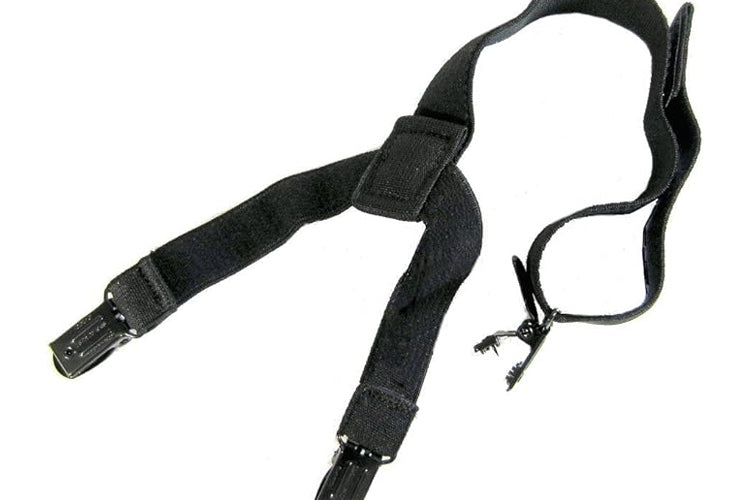
The most common type is a simple elastic band with one or two metal clips. The band wraps around the leg below the knee, and the clips attach to the top of the sock. These are the most versatile option, suitable for any dress sock and easy to find in a wide range of colors and widths. They provide firm support without bulk and are the standard choice for formal and business wear. High-quality elastic holds its stretch over repeated use and does not degrade quickly when hand washed correctly; budget elastic can lose tension after several months of regular wear, so the quality of the elastic band is one of the most important factors to evaluate when buying.
Strap and Buckle Garters
Some sock garters use a fabric or leather strap with a buckle adjustment mechanism instead of pure elastic. These offer a more precise fit and a more traditional, refined aesthetic. Leather carries a classic formal character and is more durable than elastic in terms of structural integrity, though it requires conditioning to prevent cracking and cannot be machine washed. Leather is the traditional material for bespoke and high-end sock garters and suits dress boots and heavy wool trousers particularly well. Strap and buckle styles are popular among men who wear formal attire regularly and want a more permanent and tailored solution.
Suspender-Style Sock Garters
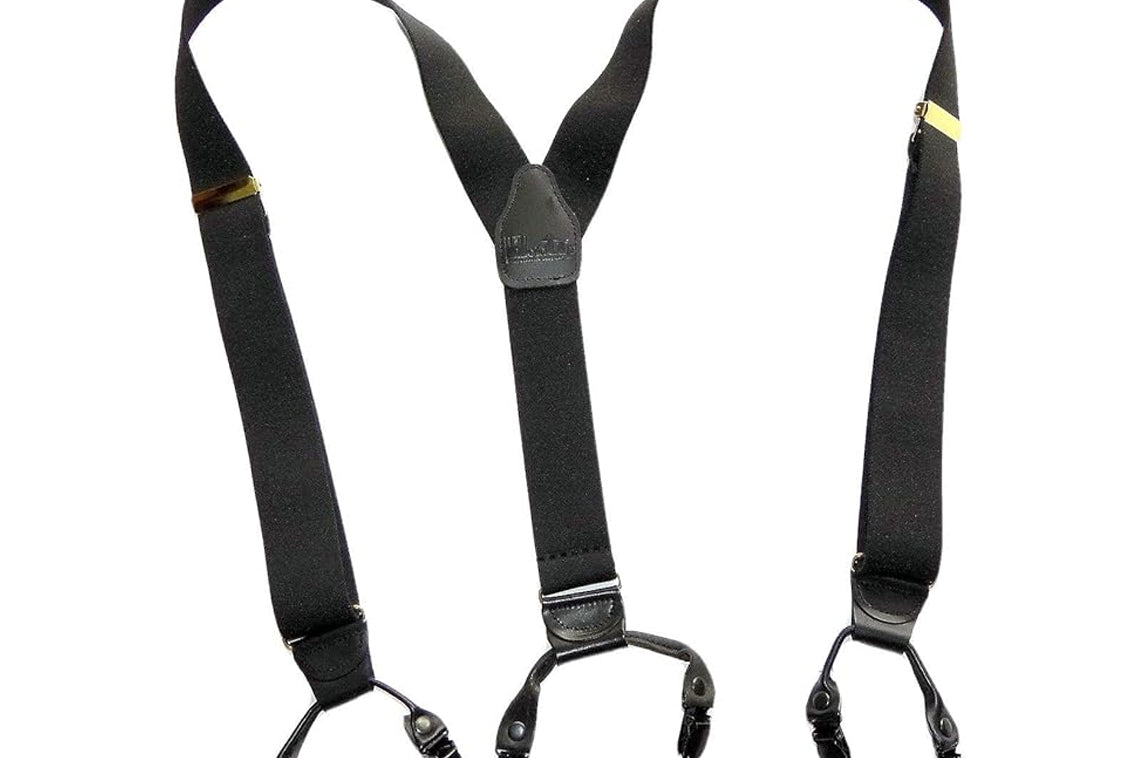
A less common but elegant option is the long-strap sock garter, which runs from the sock up to a waistband or belt clip. These provide stronger support and keep the sock absolutely fixed regardless of movement. They are particularly useful for men who spend long periods on their feet in formal dress or black tie attire. The broader category of accessories that hold garments in place from shoulder or waist downward, including shirt garters used alongside suspenders, operates on the same principle of controlled, systematic support throughout the day.
Silicone and Non-Slip Garters
Modern silicone variants use a grippy inner surface rather than clips, making them less likely to leave marks on delicate fabrics like silk or fine cotton. They work by friction rather than mechanical grip and are a comfortable, low-profile option for lightweight dress socks. Cotton and woven fabric garters offer a softer feel against the skin and are a good option for men with sensitivities to synthetic materials. Silk garters are a luxury option, primarily associated with formal eveningwear.
Material Comparison at a Glance
| Material | Best For | Care | Durability |
|---|---|---|---|
| Woven elastic | Everyday formal and business wear | Hand wash, air dry | 1 to 2 years with proper care |
| Leather | Bespoke, heavy formal, dress boots | Condition regularly, keep dry | Many years with conditioning |
| Silicone | Silk and delicate socks | Wipe clean | Moderate, grip fades over time |
| Cotton or fabric | Sensitive skin, casual formal | Hand wash, air dry | Good with careful washing |
Benefits of Wearing Sock Garters
The practical case for sock garters is stronger than many men expect, particularly those who have not previously worn long dress socks in formal settings for extended periods.
The primary benefit is straightforward: sock garters keep your dress socks in place throughout the day without any effort on your part. Sock garter sales increased by 8.4% between 2023 and 2025 in the US, and men attending formal events are 27.6% more likely to wear sock garters than on casual occasions. For men who wear long formal socks regularly with suits, tuxedos, or dress uniforms, this is a genuine quality-of-life improvement that compounds over the course of a long workday or event.
Keeping socks at their correct height also has a direct effect on appearance. Socks that bunch at the ankle expose skin above the shoe when you sit or cross your legs, which disrupts the clean visual line of a well-fitted formal outfit. Sock garters eliminate that problem entirely by maintaining consistent sock height whether you are standing, sitting, or in motion.
There is also an argument for extended sock lifespan: socks that bunch and rub inside shoes experience more friction at the heel and toe, which accelerates wear. Keeping them taut and correctly positioned reduces that friction point and extends the usable life of quality hosiery.
Beyond function, sock garters add a deliberate, considered quality to dressing that many men find appealing. The same intentional approach to getting the details right applies across formal accessories. Men who wear sleeve garters, for example, share a similar philosophy of controlled, precise dressing. For styling ideas that combine multiple garter accessories, outfit ideas combining sleeve garters and suspenders shows how these pieces work together in a complete formal look.
How to Choose, Wear, and Position Sock Garters
Choosing the right sock garters and positioning them correctly are the two factors that most determine whether they will be comfortable and effective throughout a full day of wear.
Choosing the Right Sock Garters
Three factors determine whether a pair of sock garters will work well for you: material, fit, and style. On material, choose based on the type of socks you wear most often. High-quality elastic works well for most dress sock weights and fabrics. Leather is worth the investment if you wear formal attire frequently and want something durable that improves with age. Silicone is the gentlest option for very fine silk or lightweight cotton socks where metal clips might leave marks.
On fit, adjustable sock garters are strongly preferable to fixed-size options. Look for garters with enough adjustment range to fit your leg without leaving the elastic either stretched to its limit or gathered and loose. The band should grip firmly without pinching, remain flat against the leg without rolling, and allow you to slip two fingers under the band comfortably.
On style, coordinate the color of the garter with your socks or choose a neutral that disappears under the trouser leg. For formal occasions, black or dark navy garters are the safest choice. The same color coordination principles that apply to dress sock suspenders apply here equally. You can also browse the broader range of garter and suspender accessories to find styles that complement your existing formal wardrobe.
Correct Placement on the Leg
Sock garters should be positioned just below the knee, on the calf. This placement keeps the top of a knee-length dress sock pulled firmly upward without exerting pressure on the knee joint itself. Wearing them too high, on or above the knee, can be uncomfortable when bending and may restrict circulation. Wearing them too low, toward the mid-calf, reduces their effectiveness because the sock can still slide down past the garter.
When attaching the clips to the sock, position them on the outer and inner side of the calf rather than the front and back. This keeps the clips out of the way of movement and reduces any possibility of the metal hardware pressing against the shin or the back of the knee during walking or sitting.
How to Put On Sock Garters
The process takes less than a minute once you have done it a few times. Start by putting on your trousers and socks as normal. Pull the sock up to its full height. Slip the elastic band of the garter over your foot and up the leg to a position just below the knee. Open each clip, position it over the top edge of the sock, and release it to grip the sock fabric firmly.
Check that the band sits flat and level around the leg with the sock fabric distributed evenly rather than bunched at the clip points. Repeat on the other leg. For strap-and-buckle styles, thread the strap through the buckle before putting the garter on, then tighten once positioned on the leg before attaching the clips.
Styling Sock Garters with Different Outfits
Sock garters function primarily as a hidden accessory in formal settings. The goal with a black-tie outfit, a suit, or business attire is for the garters to be invisible, doing their job without drawing attention. Choose garters that match your sock color exactly and keep them tucked fully under the trouser leg at all times. Black garters with black dress socks is the simplest and most reliable combination for any formal context involving dark suits or tuxedos.
Navy garters with navy dress socks work naturally alongside navy or charcoal formal attire. Shoes and trousers in darker tones further ensure the garter remains a hidden support element rather than an accidental style statement.
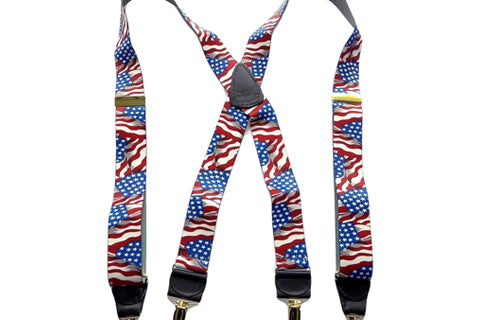
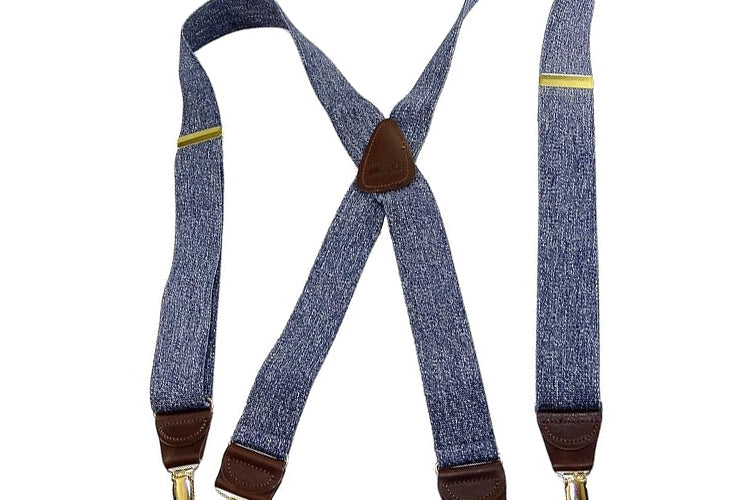
In smart-casual or vintage-inspired settings where showing the garter briefly is acceptable, the choice of garter style becomes a small deliberate style statement. A classic elastic garter in a contrasting color, a leather strap with brass buckle, or a patterned elastic band can each add a distinctive detail that signals careful, considered dressing. Coordinating with other accessories reinforces this intentionality: matching the garter color to your tie, pocket square accent, or suspenders creates a coherent palette across the outfit.
The styling logic is the same as for sleeve garters, which function on the same principle of deliberate, precise accessorizing. A full look built around visible garters as a style element, rather than functional support only, reflects the same menswear sensibility that defines the broader revival of classic accessories in 2026.
Care and Maintenance of Sock Garters
Proper care keeps sock garters functional and looking sharp for years. The approach varies slightly by material, but the core principles of gentle handling and correct storage apply across all types.
After wearing, unclip the garters carefully by opening the clip mechanism fully before releasing rather than pulling the clip away from the sock. Forcing a closed clip off the fabric risks stretching the sock and stressing the clip spring over time. For elastic garters, hand wash in lukewarm water with a mild detergent. Avoid bleach or any harsh chemicals that will degrade the elastic core and discolor the fabric casing. Gently squeeze out excess water and lay flat to air dry. Never tumble dry, as sustained heat weakens elastic significantly. The same care approach recommended for washing and drying suspenders applies directly to elastic sock garters. For maintaining long-term elasticity specifically, this guide on preserving elastic in accessories covers the key dos and don'ts in full detail.
For leather garters, use a dedicated leather conditioner periodically to prevent the strap from drying and cracking. Keep leather garters away from prolonged moisture exposure and store them flat or loosely rolled rather than folded, which can crease the leather permanently. Store all sock garters in a cool, dry place away from direct sunlight. Inspect regularly for stretched elastic, worn clip springs, or fraying fabric at the attachment points. Replacing a worn pair before they fail during wear is far preferable to dealing with a slipping sock at a formal event or during an important business meeting.
Frequently Asked Questions
Below are the most common questions men have about sock garters, from basic function to care and styling.
What are sock garters for men used for?
Sock garters hold dress socks in place at the correct height on the leg, preventing them from sliding down toward the ankle during the day. They are most commonly worn with formal or business attire where maintaining a polished appearance throughout a long event or workday is important. They attach via small clips to the top of the sock and are held in position by an elastic band worn just below the knee. Around 64.3% of sock garter users report improved sock fit throughout the day.
Where should men wear sock garters on the leg?
Sock garters should be worn just below the knee on the calf. This position keeps the top of the sock pulled firmly upward without restricting the knee joint. The clips should be positioned on the inner and outer sides of the calf rather than the front and back to avoid pressing against the shin or the back of the knee when walking or sitting.
Are sock garters comfortable to wear all day?
Yes, when correctly fitted. The band should sit snugly against the leg without pinching, and you should be able to slip two fingers beneath it without difficulty. Discomfort is almost always the result of wearing a garter that is too tight, positioned incorrectly, or made from low-quality elastic that digs in rather than stretching evenly. A well-fitted sock garter becomes unnoticeable within a few minutes of wear.
What materials are best for men's sock garters?
High-quality woven elastic is the most practical material for everyday use because it is comfortable, washable, and widely available. Leather is the best choice for men who wear formal attire frequently and want something durable that improves with age. Silicone is gentlest on delicate fabrics like silk socks where metal clips might mark the material. Avoid cheap synthetic elastic, which loses tension quickly and may irritate the skin after extended wear.
Can sock garters be worn with casual outfits?
Yes, though they are primarily associated with formal and business dress. In smart-casual or vintage-inspired outfits, a visible sock garter can function as a deliberate style detail. Patterned elastic or leather strap garters in complementary colors work well as an accessory when the trouser leg rises during movement. In purely casual settings like jeans and sneakers, sock garters are unnecessary because casual socks are shorter and typically stay in place without assistance.
How do I know when to replace sock garters?
Replace sock garters when the elastic has lost its spring and no longer returns to its original length after being stretched, when the clip spring no longer grips the sock firmly without slipping, or when the fabric casing shows visible fraying or thinning at the stress points. There is no fixed replacement interval; quality elastic garters used several times a week typically last one to two years with proper care before tension noticeably declines.
Are sock garters still fashionable?
Yes, particularly within the broader revival of classic menswear accessories. Sock garter sales increased by 8.4% between 2023 and 2025 in the US, and vintage-style sock garters make up about 42.9% of total sock garter purchases, reflecting strong heritage appeal among modern wearers. In formal and vintage-inspired fashion contexts, wearing sock garters signals the same careful, considered approach to dressing that characterizes the broader menswear revival of classic accessories.
How do sock garters differ from suspenders?
Sock garters hold socks up by gripping the top of the sock with clips attached to a band worn around the leg below the knee. Suspenders hold trousers up by attaching to the trouser waistband and running over the shoulders. Despite the different application, both accessories share the same principle of vertical tension supporting a garment from above. They can be worn together as complementary accessories within a formal look, each solving a different fit and appearance challenge.
How do I measure for sock garters?
Measure the circumference of your leg just below the knee, where the garter will sit. Most adjustable elastic sock garters accommodate a wide range of leg sizes, typically from around 10 to 17 inches in circumference, so measuring helps confirm you are within the adjustment range of the garter you are considering. The garter should sit flat, grip firmly without pinching, and allow you to comfortably fit two fingers beneath the band. If you are between sizes, choose the larger option and rely on the adjustment mechanism rather than forcing a tighter fit.
How do I clean and maintain sock garters?
For elastic sock garters, hand wash in lukewarm water with a mild detergent, gently squeeze out excess water, and lay flat to air dry. Never machine wash or tumble dry, as heat degrades elastic. For leather sock garters, wipe clean with a slightly damp cloth and apply leather conditioner periodically to prevent cracking. Inspect all types regularly for worn clip springs, stretched elastic, or fraying at attachment points, and replace before they fail during wear. Store in a cool, dry location away from direct sunlight to prevent elastic and leather degradation over time.