

Wearing suspenders with a suit is one of the most distinctive style choices a man can make. Done correctly, braces replace the belt entirely, creating a cleaner vertical line through the torso and elevating the overall formality of your ensemble. Around 72.4% of men wearing suits prefer suspenders over belts for comfort, and 58.9% of fashion experts recommend Y-back suspenders as the best match for suits. Whether you are dressing for a wedding, a business meeting, or a black tie event, understanding how to choose, attach, adjust, and coordinate suspenders with a suit gives you the confidence to wear them with the same ease as any seasoned gentleman.
Choosing the Right Suspenders for Your Suit
The first decision is choosing a pair that matches the formality, cut, and color of your suit. Not all suspenders are suited to every type of suit, and the wrong choice undermines the entire look regardless of how well everything else is coordinated.

Width: Finding the Right Balance
For suits, a width between 1.25 and 1.5 inches is the sweet spot. This range works for both business and formal events, offering versatility and visual balance without drawing too much attention to the braces themselves. Widths narrower than one inch can appear too fashion-forward or delicate for traditional suiting and lack the structural presence that a well-chosen suit demands. Widths over 1.5 inches lean toward vintage or workwear aesthetics, which are not appropriate for classic business or formal suits. Standard widths in the 1.25 to 1.5 inch range complement most physiques, while the narrower end of this range is better suited to slimmer frames.
Types of Suspenders for Suits
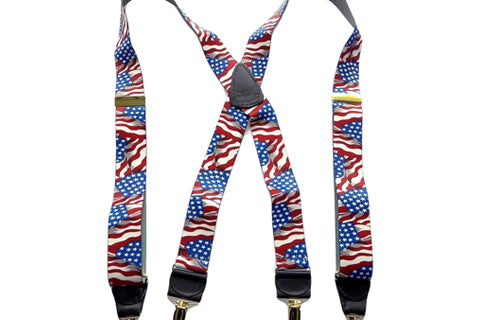
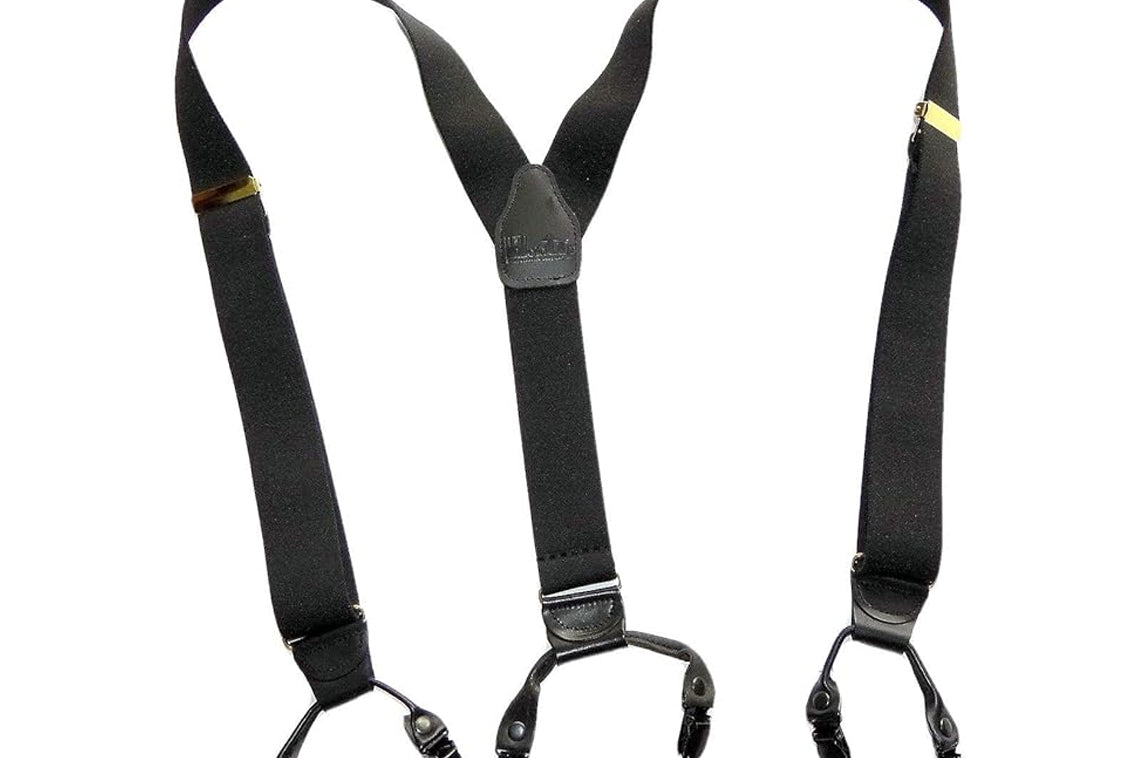
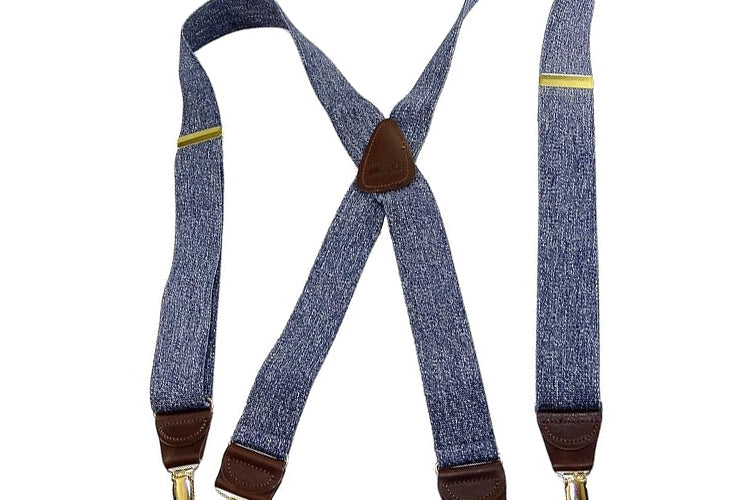
Suspenders come in two primary back configurations, each affecting how the weight of the trousers is distributed and how the braces sit under a jacket. Y-back suspenders converge to a single central strap at the back, creating a sleeker profile and a cleaner look under a fitted suit jacket. X-back suspenders cross in the center of the back, distributing tension more evenly across both shoulders and providing stronger support for heavier suit trousers. About 58.9% of fashion experts recommend Y-back suspenders as the best match for suits, making them the default choice for most formal contexts. However, broader-shouldered men and those wearing heavier wool suits often find X-back styles more comfortable across a full day of wear. For a detailed breakdown of how different suspender styles complement suit cuts, our full styling guide covers every scenario.
Button-On vs. Clip-On for Suit Wear
For suits, button-on attachment is strongly preferred. They attach to small buttons sewn inside the trouser waistband, leaving no visible hardware on the outside of the waistband and creating the cleanest possible silhouette under a suit jacket. Only 12.6% of men opt for clip-on suspenders instead of button-on with suits, which reflects the traditional and aesthetic preference for the cleaner finish button attachments provide. Clip-on styles, while convenient, can scratch or weaken fine trouser fabric over time and are generally considered too casual for formal suiting. Choosing the right size before buying is equally important: our suspenders sizing and fit guide helps you measure correctly for a perfect trouser-to-shoulder length. If your current trousers do not have interior suspender buttons, a tailor can add them in one short appointment.
Fabric Selection: Silk, Cotton, Leather, and Elastic
The fabric of your suspenders should match the weight and formality of your suit fabric. Pairing a heavy material with a lightweight suit, or a casual elastic strap with a bespoke wool jacket, creates a visible disconnect that undermines the overall look.
Silk Suspenders
Silk is the most formal suspender material and the correct choice for black tie events, weddings, and any occasion where a tuxedo or dark evening suit is worn. Nearly 45.3% of suit wearers choose silk suspenders for formal occasions. The smooth, subtle sheen of silk pairs beautifully with the fine weave of dark or neutral dress suits, and jacquard and satin-finished formal suspenders add a layer of refinement without being visually loud. Pair silk suspenders with leather button ends to complement patent or polished leather shoes for a complete formal look.
Leather Suspenders
Leather suspenders offer a polished, mature quality suited to business formal and smart casual suit contexts. Hand-tooled or full-grain leather braces with button-end attachments add a refined finish to both business and evening wear. The warmth and texture of leather coordinates naturally with brown and tan shoe leather, making it the preferred choice when wearing lighter or earth-toned suits.
Cotton and Elastic Suspenders
Cotton suspenders are breathable, comfortable, and appropriate for business settings and less formal suit occasions. They are available in a wider range of colors and patterns, including denim-effect finishes, plaid weaves, and printed designs that can add personality to a business casual suit. Elastic blends prevent sweat buildup, allow easy movement, and maintain a secure fit throughout the day, making them the most practical choice for suit occasions that involve extended activity or movement. For everyday business wear where a gentleman needs both comfort and professionalism, cotton-elastic braces in classic business colors strike the best balance.
Coordinating Colors and Patterns
Color and pattern coordination is where most men either elevate or undermine their suspenders-with-suit look. The goal is cohesion: the suspenders should feel like a deliberate part of the overall outfit rather than an afterthought or a contrasting element that competes for attention.

Neutral Colors for Maximum Versatility
Black, navy, and grey are the three most versatile suspender colors for suits. Black suspenders provide a sleek, authoritative look against black, charcoal, and dark navy suits. Navy braces work across professional and business casual settings, pairing naturally with grey, navy, and even lighter mid-blue suits. Grey suspenders add subtle contrast to both light and dark grey suits without clashing. These neutral choices are the safest starting point for men building their first suspenders wardrobe and remain the correct choice in any formal or conservative business environment.
Accent Colors and Patterns
Burgundy and maroon suspenders add warmth and depth to navy and dark grey suit combinations, making them a popular choice for weddings, formal dinners, and autumn events. Patterns such as paisley, stripes, or subtle checks introduce personality without overpowering the outfit, provided the pattern in the suspenders does not clash with the pattern on the tie or shirt. As a rule, limit strong patterns to one element at a time: if your suspenders carry a stripe, keep your tie and shirt solid. About 67.8% of men pair suspenders with a three-piece suit to enhance their overall style, and in a three-piece context, a patterned suspender in a complementary color can work particularly well since the vest covers most of the braces during the day. Our jacquard patterned suspenders in contrasting weaves offer a range of suit-appropriate designs across multiple color families.
Coordinating with Accessories
Suspenders should coordinate with your broader accessory palette: your tie, pocket square, and shoe leather should all feel like part of the same color story. If your tie is navy silk, a navy or grey suspender creates a seamlessly coordinated look. If your pocket square carries a burgundy accent, matching that with burgundy suspenders creates an intentional thread of color through the outfit. Avoid treating the suspenders as an isolated accessory: they read best when they are clearly part of a planned ensemble.
Attaching Suspenders to Your Suit Trousers
Correct attachment is essential for both the appearance and the long-term condition of your suit trousers. Poor attachment causes the waistband to bunch, the clips to shift throughout the day, or the fabric to sustain wear at the attachment points over time.
Button Attachment Method
Button-on suspenders require small buttons sewn inside the trouser waistband: typically two buttons at the front, positioned on either side of the trouser fly at roughly the two and ten o'clock positions, and three buttons evenly spaced across the back. Begin by fastening the back buttons first, then bring the straps over your shoulders and fasten the front. Starting at the back ensures the trousers are centered and even before you commit to the front tension. For guidance on precise placement and attachment positioning for different trouser styles, the detail matters more than most men realize.
Clip Attachment Method
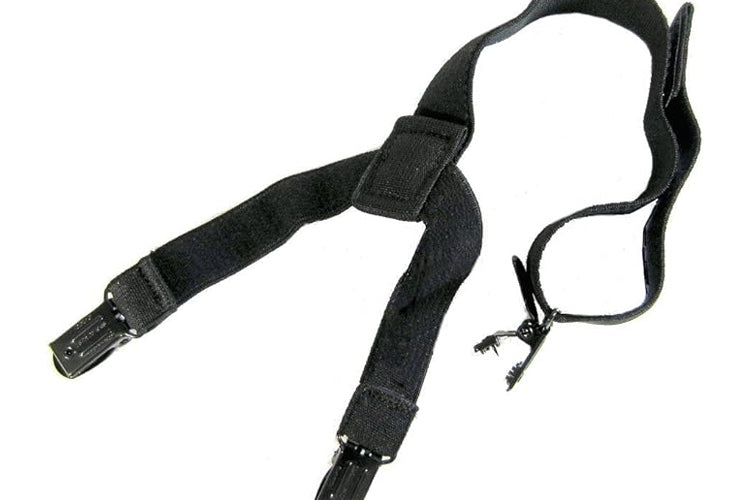
If using clip-on suspenders, secure the back clips centrally about an inch below the top edge of the waistband, aligning with the center back seam for even tension distribution. For the front, position the clips near the side seams rather than directly at the center front, maintaining a straight line from shoulder to waist. Never clip onto a belt loop: this concentrates the clip's force on a single reinforced point rather than the full waistband, which can distort the fabric and shift the attachment during wear.

Lobster Hook Clips
Lobster hook clips snap onto belt loops and offer a secure, robust attachment suited to heavier fabrics and more active wear contexts. They are particularly popular in work environments requiring durable support, though for fine suiting they remain a secondary option behind button attachment for formal occasions.
Adjusting for the Perfect Fit
Even a perfectly chosen pair of suspenders will look and feel wrong if the length is not adjusted correctly. Fit affects both comfort and the visual line of the entire outfit.

Slider Placement
Position the metal adjuster slider at around the bottom of your rib cage, at mid-torso. This is the optimal position for maintaining ideal elastic tension without putting stress on the strap above or below. If the slider sits too low, the straps risk full extension under movement. If it sits too high near the collarbone, it creates visible pressure and discomfort at the shoulder. The slider should be invisible above the buttoned jacket: check in a full-length mirror before leaving the house to confirm it is hidden by the jacket lapel.
Waist Height Alignment
Suspenders should position your trousers at the natural waistline, typically just at or slightly above the navel, ensuring a smooth, clean silhouette. For higher-rise suit trousers, shorten the suspenders to prevent them from pulling the waistband too far upward. Mid-rise and full-rise trousers work most naturally with suspenders. Low-rise trousers tend to look awkward when pulled up by braces: the fabric bunches at the waist in a way that neither fits well nor looks intentional. The trouser break over the shoes should be slight and even on both sides.
Achieving Symmetry
Adjust front sliders so that both straps are at the same position, keeping tension balanced and preventing the waistband from sitting at an angle. Check the symmetry from the front and back in a mirror after every adjustment, not just the front view. Uneven tension creates a lopsided appearance that is particularly visible from behind and in photographs. Regular readjustment throughout a long event day is normal: check slider placement during any extended break to maintain comfort and fit.
Pairing Suspenders with Dress Shirts
The shirt you choose underneath your suit and suspenders affects how the overall look comes together, particularly in settings where the jacket comes off.
Always tuck the shirt fully before attaching the suspenders. An untucked shirt bunches over the waistband and causes the straps to shift position, undermining both the fit and the visual line. For formal suit occasions, a crisp white or pale blue dress shirt is the standard choice. The shirt's collar and cuff style should match the formality of the suit: a spread collar with French cuffs coordinates naturally with the elevated formality that suspenders bring to a suit. In business casual contexts, a point collar with barrel cuffs in a subtle stripe or check works equally well alongside patterned suspenders.
Matching Suspenders with Ties and Bow Ties
The relationship between suspenders, ties, and bow ties is one of the most nuanced aspects of suit styling with braces. Both the suspenders and the tie occupy the front of your outfit and are seen simultaneously, which means they must coordinate deliberately rather than accidentally.

Matching with a Necktie
If your tie is patterned, choose solid suspenders in a color that picks up one of the secondary tones in the tie pattern. If your tie is solid, a subtly patterned suspender in a complementary color adds depth. In both cases, match the fabric weight and finish: a silk tie coordinates naturally with silk or leather-end suspenders, while a wool or knit tie pairs better with woven fabric suspenders. Coordinating ties and suspenders with your suit color through a shared accent tone creates the most sophisticated, intentional outcome.
Matching with a Bow Tie
Suspenders and a bow tie together is the defining look of formal evening dress and a popular choice for weddings. For this combination, the bow tie and suspenders should coordinate in tone and material: a black silk bow tie with black silk suspenders for a tuxedo, or a burgundy bow tie with burgundy grosgrain braces for a formal navy suit. Our guide on coordinating tuxedo suspenders with your bow tie and cummerbund covers the specific rules for formal evening wear pairings in detail.
Footwear Choices When Wearing Suspenders with a Suit
The shoes you wear with a suspenders-and-suit combination should match the formality level of the braces. Suspenders elevate the formality of a suit above what a belt conveys, so your footwear should meet that standard rather than undercut it.

Formal Occasions
For black tie and wedding contexts with silk suspenders and a tuxedo or dark evening suit, patent leather Oxford shoes in black are the correct choice. The high-shine finish of patent leather coordinates with the subtle sheen of silk suspenders and maintains the consistently elevated formality of the full look.
Business Formal Settings
For business formal occasions with leather or fabric suspenders and a classic business suit, polished Oxford or Derby shoes in black or dark brown are appropriate. Coordinate the shoe leather tone with the leather hardware or button-end pieces of your suspenders: black shoes with black or dark navy suspenders, dark brown shoes with burgundy or earth-toned braces.
Business Casual and Smart Settings
For less formal suit occasions, loafers and brogues work naturally with cotton or elastic suspenders. The slightly more relaxed character of these shoe styles matches the tonal register of a business casual suspenders outfit without feeling overdressed or mismatched.
Pairing Suspenders with Jackets and Vests
Suspenders interact differently with different jacket and vest configurations, and understanding these relationships helps you dress appropriately for each occasion.

Wearing suspenders under a jacket maintains the cleanest, most formal look. The jacket conceals the suspender straps and adjuster sliders completely, ensuring a streamlined silhouette and placing all visual focus on the collar, tie, and lapels. In formal settings, it is correct etiquette to keep the jacket buttoned and the suspenders hidden. About 67.8% of men pair suspenders with a three-piece suit, and a well-fitted vest provides the same concealment benefit as a jacket while adding a third layer of tailoring to the silhouette. The vest contours the torso and keeps the suspenders supported and hidden while still allowing the trousers to sit and move naturally.
When the jacket is removed in a business casual setting, the suspenders become a visible style element. In this context, the quality and coordination of the braces matters more than ever, since they are no longer partially hidden. A well-chosen, properly adjusted pair of suspenders worn with a neatly pressed dress shirt makes removing the jacket a confident, intentional style moment rather than an awkward one. For a deeper look at styling a suit with suspenders across different formality levels, the full guide covers occasion-specific outfit building in detail.
Seasonal Suit and Suspender Matching
Matching your suspenders to the weight and texture of your seasonal suit fabric keeps the overall look cohesive and appropriate for the conditions.
In winter, heavyweight wool, flannel, or tweed suits pair naturally with darker, textured suspenders in woven fabric or leather. The weight and warmth of both elements complement each other visually and practically. In spring, mid-weight wool and wool-silk blends work well with lighter, smoother suspenders in pale neutral tones. Summer demands breathable fabrics like tropical weight wool, linen, or lightweight cotton, paired with light elastic or cotton suspenders for comfort in warmer temperatures. In autumn, mid-weight wool and cotton twill suits suit darker, richer suspender tones such as burgundy, forest green, or deep navy, creating a cohesive seasonal palette.
Common Style Mistakes to Avoid
Wearing a Belt with Suspenders
Never wear both a belt and suspenders at the same time. Each serves the same functional purpose, and combining them creates visual redundancy that signals a misunderstanding of how both work. Formalwear etiquette strictly advises against this combination, particularly with dress trousers. Remove the belt entirely when wearing suspenders: the braces alone will hold your trousers cleanly and comfortably in place.
Letting the Adjuster Slide Show Above the Jacket
The metal adjuster slider should sit at mid-torso, invisible above a buttoned jacket. If the slider peeks above the jacket lapel or is visible through the shirt fabric, the suspenders are too short or the slider is positioned too high. Readjust until the hardware is completely concealed when the jacket is closed.
Using Clip-Ons on Fine Suit Fabric
Metal clips can snag or weaken fine wool and dress trouser fabric over repeated wear. For quality suits, always use button-on suspenders or have a tailor add interior suspender buttons to protect the waistband. The investment in proper button attachment pays back in the extended life of your suit trousers.
Mismatching Formality Levels
Wearing casual fabric or elastic suspenders with a bespoke formal suit, or heavy leather braces with a lightweight linen summer suit, creates a disconnect that reads as an oversight rather than a considered style choice. Always match the weight, material, and formality of your suspenders to the suit you are wearing.
Frequently Asked Questions
How do I attach suspenders to a suit?
For suits, button-on attachment is the preferred method. Fasten the back button loops over the buttons sewn inside the back waistband first, then bring the straps over your shoulders and attach the front loops to the buttons at the front waistband, one on each side. If using clip-on suspenders, secure the back clips centrally an inch below the top edge of the waistband and position the front clips near the side seams. Never clip onto belt loops. Always start at the back to ensure the trousers are centered before committing to the front tension.
Should suspenders match my suit color?
Suspenders do not need to match your suit color exactly, but they should coordinate with it. The most reliable approach is to choose suspenders in a complementary or neutral tone that picks up a secondary color in your overall outfit. Black or charcoal suspenders work with dark suits. Navy suspenders pair naturally with grey and mid-blue suits. Burgundy or maroon braces add warmth alongside navy and dark grey suits. For the most cohesive look, coordinate your suspenders with your tie and pocket square rather than matching them directly to the suit fabric.
Can I wear suspenders without a belt with a suit?
Yes, and this is the correct way to wear suspenders. Never combine a belt and suspenders: both serve the same functional purpose and wearing them together creates visual redundancy that disrupts the clean silhouette a suit requires. When wearing suspenders with a suit, remove the belt entirely. Around 72.4% of men wearing suits prefer suspenders over belts for comfort, as braces distribute trouser weight across the shoulders rather than compressing the waist.
Are braces the same as suspenders?
Yes, braces and suspenders refer to the same accessory. The term braces is more commonly used in British English and traditional tailoring contexts, while suspenders is the standard term in American English. In formal suiting contexts, particularly in British bespoke tailoring, braces with button-on attachment and leather end pieces are considered the more traditional and correct terminology, but both words describe the same garment accessory.
What shirt works best with suspenders and a suit?
Always tuck your shirt in fully before attaching suspenders. For formal suit occasions, a crisp white or pale blue dress shirt with a spread collar and French cuffs coordinates naturally with the elevated formality of suspenders and a suit. For business casual contexts, a solid or subtly patterned dress shirt with a point collar and barrel cuffs works well. Avoid shirts with busy patterns when your suspenders already carry a design element: limit strong pattern combinations to one element at a time.
Can suspenders be worn with jeans for a casual look?
Yes. Suspenders work well with jeans in casual and smart-casual settings. Choose dark-wash denim with a mid to high rise and pair with fabric or elastic suspenders in a complementary tone. Leather or skinny ribbon suspenders work particularly well with high-waisted jeans for a smart-casual look. Add a fitted button-down shirt or plain tee, tuck it in neatly, and keep other accessories simple to let the suspenders serve as the deliberate style element of the outfit.
What type of shoes should I pair with suspenders and a suit?
Match footwear formality to the formality of your suspenders and suit. For black tie occasions with silk suspenders and a tuxedo, patent leather Oxford shoes in black are correct. For business formal suits with leather or fabric suspenders, polished Oxford or Derby shoes in black or dark brown are appropriate. Coordinate the shoe leather tone with any leather hardware on your suspenders. For business casual and smart-casual suits, loafers and brogues work naturally alongside cotton or elastic suspenders.
Can I wear patterned suspenders with a solid suit?
Yes, patterned suspenders work well with a solid suit provided the pattern is balanced with the rest of the outfit. If the suit is solid and the shirt is solid, a striped, paisley, or subtly checked suspender can serve as the one intentional pattern element in the look. Ensure the patterned suspenders coordinate in color with your tie or pocket square rather than introducing a completely unrelated color palette. Avoid wearing patterned suspenders alongside a patterned tie and a patterned shirt simultaneously, as this creates visual noise that undermines the sophistication suspenders are meant to convey.
Are there specific suspenders for different body types?
Yes. Y-back suspenders with a standard width of 1.25 to 1.5 inches complement most physiques and are the default recommendation for suits. For broader shoulders, Y-back styles with a slightly narrower strap prevent the braces from appearing too heavy across the chest. X-back suspenders distribute weight more evenly across the shoulders and provide better support on larger frames. Narrower straps in the 1 to 1.25 inch range elongate shorter or slimmer statures visually. Taller individuals can wear the full 1.5 inch width without the proportion looking excessive.
Do suspenders come in adjustable sizes?
Yes. Most suspenders feature adjustable metal or plastic sliders on each strap that allow you to customize the length for your specific torso height and trouser rise. Standard and tall sizing options accommodate most body types, with the adjustable range covering a broad span within each size. Leather suspenders typically adjust like a belt using a buckle system rather than a slider. Always adjust with the suspenders fully attached to your trousers, as the correct length depends on how the straps interact with your specific trouser rise and shoulder height when worn together.