
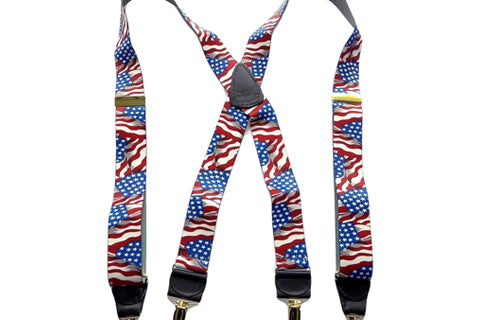
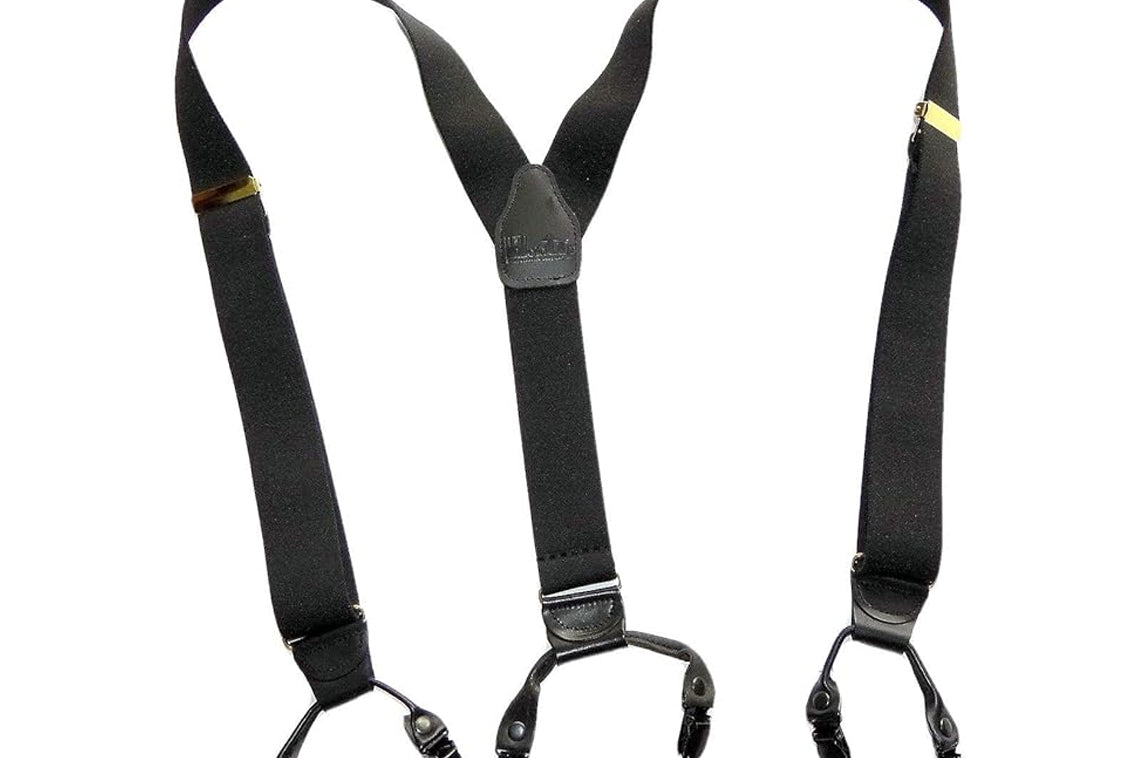
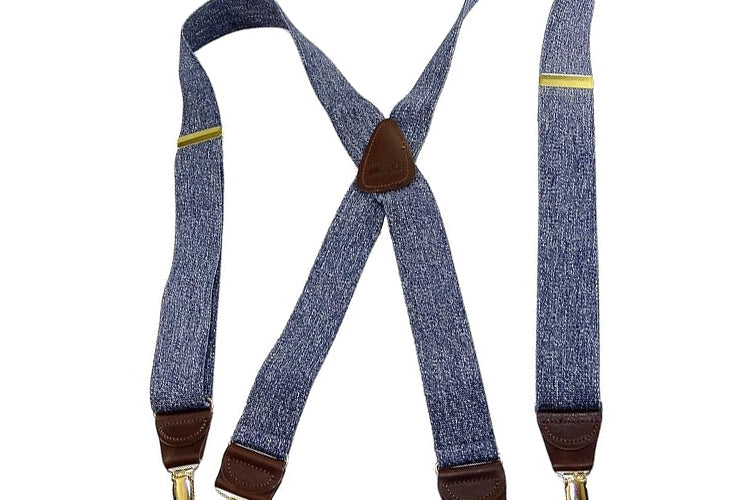
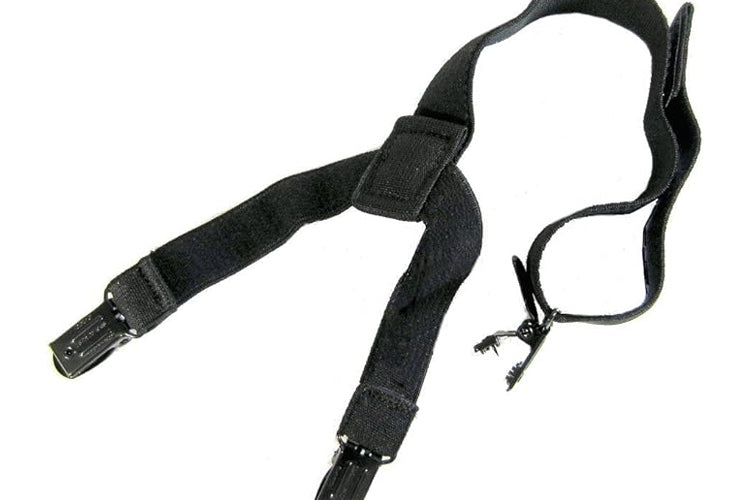

Matching suspenders with ties and pocket squares works best when you use complementary colors rather than exact matches, vary pattern scales to avoid visual clutter, and align fabrics so each accessory feels like part of the same intentional outfit rather than a collection of separate pieces.
Most men approach this the wrong way. They either match everything too precisely, which reads as stiff and dated, or they throw things together without a system and end up with a look that feels disconnected. The secret is understanding that the art of wearing suspenders alongside other accessories is really about controlled contrast. Each element should relate to the others without duplicating them.
The Color Rule That Changes Everything
Color coordination is where most men either win or lose the accessory game. Getting it right does not require a design background; it requires one simple framework applied consistently.
The Major-Minor Color Rule is the most reliable tool here. It works by aligning the dominant color of your suspenders with a secondary color in your tie, and vice versa. If your tie is navy with a burgundy pattern, your suspenders should pick up that burgundy rather than matching the navy exactly. This creates depth without the outfit looking like it came off a single hanger.
The same logic carries through to the pocket square. A pocket square should complement the tie rather than mirror it. Analogous colors, those that sit close together on the color wheel, work well here. Complementary colors, those that sit opposite each other, create a bolder contrast that works in casual or creative settings. The goal is a sophisticated blend that allows each accessory to contribute to the look without any single piece dominating.
Here is a quick reference for color pairing by suit or tuxedo shade:
|
Suit or Tuxedo Color |
Suspender Color |
Tie Color |
Pocket Square |
|
Navy |
Burgundy |
Navy stripe |
White or cream |
|
Charcoal |
Grey or navy |
Burgundy |
Grey accent |
|
Black |
Black |
Black bow tie |
White |
|
Tan or beige |
Brown or olive |
Earthy tones |
Warm neutral |
|
Ivory |
Cream or white |
Soft blue or blush |
White or blush |
How to Balance Patterns Without Creating Chaos
Pattern mixing intimidates a lot of men, but the rules are straightforward once you understand scale and repetition. The problem is almost never the patterns themselves; it is using too many at the same scale at once.
The first principle is scale variation. Pair a large pattern with a small one. If your suspenders carry a bold check or wide stripe, the tie should feature a micro-herringbone or fine dot. The contrast in scale gives each pattern room to breathe. Sticking to one bold pattern per outfit and keeping the other elements subtle is the practical rule that prevents visual competition.
The second principle is motif repetition. A single motif can appear across two accessories as long as it is scaled differently. Suspenders might carry the full motif, while the tie shows a smaller version of the same design. This creates connection without copying.
-
Vary pattern scales: large on one piece, small on another
-
Limit bold patterns to one item per outfit
-
Use motif repetition at different scales to create cohesion
-
Let the tie lead; suspenders and pocket square support it
For suspenders that work well across pattern-heavy outfits, the jacquard series suspenders offer subtle woven patterns that add texture without competing with a patterned tie.

Choosing Fabrics That Work Together
Fabric choice is the element most men overlook, and it is often what separates a look that feels pulled together from one that does not. The weight, texture, and sheen of each accessory should feel like they belong in the same outfit.
The table below outlines the most effective fabric pairings across suspenders, ties, and pocket squares:
|
Suspender Fabric |
Best Tie Pairing |
Best Pocket Square Pairing |
|
Silk |
Satin or silk tie |
Silk or charmeuse square |
|
Wool |
Wool or tweed tie |
Wool or cotton square |
|
Cotton |
Cotton tie |
Linen or cotton square |
|
Velvet |
Silk bow tie |
Silk pocket square |
|
Leather |
Wool or knit tie |
Wool or canvas square |
Silk suspenders paired with a satin tie and silk pocket square create the most formal, high-sheen combination. This is the right choice for black-tie events where every detail is expected to be precise. Formal series satin-finished suspenders are built for exactly this pairing. Wool suspenders bring texture and a more relaxed formality that suits fall and winter business events. Cotton and linen combinations work for warm-weather weddings or daytime occasions where a lighter touch is appropriate.
Occasion-Specific Styling Guidelines
The same combination that works at a summer wedding will look mismatched at a black-tie dinner. Occasion awareness is what ties all the other rules together and tells you which version of the guidelines to apply.
For formal black-tie events, the standard is simple and strict. Black silk suspenders, a black bow tie, and a white pocket square form the classic trio. This is not the occasion for experimentation. The dual-clip formal satin-finished suspenders are specifically designed for this setting and hold their position cleanly through a full evening.
Business professional settings allow slightly more personality. Striped ties and neutral suspenders in charcoal or navy work well with solid dress shirts. The corporate series satin-finished suspenders sit naturally in this category, looking polished without being overdressed.

Weddings invite the most creativity of any formal occasion. Pastel ties, floral pocket squares, and suspenders in a theme color give the outfit warmth and personality. For a cohesive wedding party look, the guide on matching suspenders for grooms and groomsmen covers coordination across a full group.
-
Black-tie: Black silk suspenders, black bow tie, white pocket square. No pattern.
-
Business professional: Neutral suspenders, striped or solid tie, understated pocket square.
-
Weddings: Theme-color suspenders, floral or pastel accessories, coordinated palette.
-
Casual daytime: Knit tie, textured pocket square, casual series suspenders in a relaxed color.
-
Evening gatherings: Velvet bow tie, shimmering pocket square, bold but deliberate combinations.
Key Style Rules at a Glance
Understanding the principles is one thing; having a clear reference when you are getting dressed is another. The table below consolidates the core styling decisions into one place.
|
Element |
Style Rule |
Example |
|
Pocket Square |
Reflect a primary tie color without duplicating it |
Blue tie, blue accent square |
|
Tie |
Allow one bold pattern to lead the outfit |
Wide stripe tie |
|
Suspenders |
Match or complement; never compete |
Navy suspenders with a burgundy tie |
|
Shirt and Jacket |
Keep colors flat to let accessories carry the look |
White shirt, grey suit |
One additional rule worth following is the Plus-2 Rule for pocket squares. Select a pocket square that reads two levels bolder than you would normally choose. If you gravitate toward plain whites, try a subtle pattern. If you usually go for a small pattern, try a bolder geometric fold. The pocket square is the smallest element in the group and can absorb more visual interest without overwhelming the outfit.
For a full breakdown of what to wear with button suspenders, the styling logic follows the same principles: the suspenders anchor the look, and the tie and pocket square respond to them rather than leading independently.
Sizing and Fit Considerations That Affect the Look
Even a perfectly coordinated combination of colors, patterns, and fabrics will fall apart if the suspenders do not fit correctly. Fit is not just a comfort issue; it directly affects how the other accessories read in the context of the outfit.
Accurate torso measurement is the starting point. The measurement runs from the back trouser attachment point, up over the shoulder, and down to the front attachment. This determines the correct strap length for your frame. Getting this right means the front sliders sit at mid-torso, the straps lie flat, and the trousers hang at the natural waistline without sagging or pulling.
Width also contributes to visual proportion. Narrow builds generally suit 1 to 1.25-inch suspenders, which keep the vertical line of the outfit clean without adding bulk. Broader torsos carry wider straps better, and the added width provides structural support the outfit needs. If you are dealing with narrow shoulders and suspenders, width choice becomes even more important because the strap width directly affects how balanced the shoulder line appears alongside the tie and pocket square.
The clasp and hardware finish should also align with the rest of the outfit's metal tones. Silver hardware pairs with silver cufflinks and watch cases; gold hardware pairs with gold. This small detail is often what makes the difference between a look that feels considered and one that feels assembled without thought.
Mistakes That Quietly Undermine the Whole Look
Knowing what not to do is just as useful as knowing the rules. These are the most common mistakes men make when trying to coordinate suspenders with ties and pocket squares.
Exact color matching is the most frequent error. Wearing a burgundy tie with burgundy suspenders and a burgundy pocket square does not read as coordinated; it reads as monotonous. The outfit loses dimension, and the eye has nowhere interesting to travel. Complementary or analogous color relationships always look more sophisticated than identical ones.
Using pre-packaged matching tie and pocket square sets is a related problem. These sets are designed to match exactly, which is precisely what creates the stiff, dated look that modern styling tries to avoid. Purchasing each piece separately and building the combination yourself gives you control over the relationship between colors and patterns.
-
Exact color matching: Creates a uniform look with no depth or visual interest
-
Identical pattern scales: Two patterns at the same scale compete rather than complement
-
Overly bold choices: A very bold pocket square alongside a bold tie and patterned suspenders overwhelms the outfit
-
Pre-packaged sets: Remove any sense of individual judgment or creative intent
For anyone wearing suspenders in a professional environment and trying to keep things refined, the guide on low-profile clip-on suspenders for a professional look covers how to keep the overall outfit polished and discreet without sacrificing personal style.
Frequently Asked Questions
Can suspenders be worn without a tie
Yes. Suspenders work perfectly well without a tie, and the combination often reads as stylish and considered rather than incomplete. Paired with a dress shirt, open collar, and a well-fitted jacket, suspenders carry the outfit on their own. In casual settings, they work with denim shirts or chinos depending on the occasion. The casual suspenders guide covers exactly this kind of flexible, tie-free styling with practical examples.
What are the best suspenders for specific body types
Slim and shorter frames suit Y-back suspenders in narrower widths, typically 1 inch, because the single back strap creates a clean vertical line without adding visual bulk. Broader or athletic builds carry X-back suspenders better, with 1.5-inch straps providing both the structural support and the visual weight the frame can handle. Medium builds have the most flexibility and can work across both styles depending on the outfit's formality.
How do I store suspenders, ties, and pocket squares
Ties should be hung rather than rolled to prevent creasing at the fold point. Pocket squares can be stored flat in a shallow drawer or compartmentalized box, folded loosely rather than pressed into sharp folds. Suspenders store best hung on a dedicated hanger or laid flat; folding them at the adjustment sliders over time weakens the elastic. Keeping accessories visible and organized by color makes the matching process faster and more consistent.
Should pocket squares match suspenders exactly
No. A pocket square that matches the suspenders exactly creates the same problem as matching the tie exactly: the outfit loses dimension and reads as over-coordinated. The pocket square should echo a secondary color in either the tie or the suspenders, not replicate either one. This creates connection across the accessories without making the outfit look like it came with a matching set label attached.
How do I coordinate suspenders with a patterned shirt
When the shirt already carries a pattern, keep both the suspenders and the tie in solids or very subtle textures. The shirt is doing the visual work; the accessories should support it rather than compete. A solid navy or charcoal suspender with a tonal tie and a plain white pocket square gives a patterned shirt room to lead without the whole outfit becoming visually busy. The guide on how to wear suspenders with a suit covers shirt and accessory balance in more detail.
The Bottom Line on Coordinating These Three Accessories
Matching suspenders with ties and pocket squares is a skill built on three principles: complementary colors over matching ones, varied pattern scales over identical ones, and fabric consistency across every piece. When those three things align, the outfit holds together without looking like it was assembled from a pre-packaged kit. Each accessory does its own work while making the others look better, which is exactly what good coordination is supposed to achieve.