

Sleeve garters are adjustable bands worn around the upper arm to hold shirt sleeves at a fixed length, keeping them from slipping over the hands. Originally a practical tool for 19th-century workers and professionals, they are now worn as a vintage-inspired fashion accessory. They come in elastic, leather, and silicone styles and are placed just above the elbow for the best hold and appearance.
You have likely seen sleeve garters in old Western films or at a themed party, but have you ever considered their practical and stylistic relevance in today's fashion? These accessories have transcended their utilitarian roots, originally designed to adjust the length of men's shirtsleeves for a tidier look.
From the functional elastic bands of the past to today's leather and designer fabric variants, they offer a blend of nostalgia and modernity. If you are curious about how these seemingly simple bands are making a comeback and influencing contemporary styles, you might find the evolution of sleeve garters surprisingly compelling.
What Is the History of Sleeve Garters?
Sleeve garters first emerged in the 19th century, primarily as a practical solution for adjusting the length of men's shirt sleeves. Their manufacturing origins are deeply rooted in the textile industries that flourished during the Industrial Revolution. Initially, these simple accessories were made from fabric scraps, making them economical and accessible.
The rise of sleeve garters coincided with the shifting landscape of gender roles and fashion. They were associated almost exclusively with men, particularly those in professions that demanded a neat appearance but also required physical labor, such as bartenders, printers, and clerks. This association helped cement their place in male fashion as both functional and stylish.
However, as societal norms evolved, so did the gender associations of sleeve garters. By the early 20th century, women entering the workforce during the war began adopting this accessory, shifting its perception from a strictly male item to a universal tool for professional attire. This mirrors the broader story of accessories like suspenders and garters, which have both traveled from workwear roots into mainstream fashion over the decades.
How Do Sleeve Garters Work?
Sleeve garters are bands that you wrap around your shirt sleeve to hold it at a fixed length, keeping sleeves from falling over your hands and maintaining a neat appearance throughout the day. They typically come as elastic bands or strips of fabric with adjustable features such as buckles or snaps.
Using them is straightforward. You slip a garter over your shirt sleeve, position it just above the elbow, and adjust until the sleeve sits exactly where you want it. The fit should be snug enough to hold the sleeve firmly without restricting circulation or leaving marks on the arm. Once set, they allow quick adjustments for different situations, whether you are typing at a desk, washing your hands, or working a counter. They maintain a consistent, professional appearance all day without any manual rolling or repositioning.
What Styles and Materials Are Available for Sleeve Garters?
Sleeve garters come in a range of styles and materials, each offering distinct aesthetic and functional qualities. The right choice depends on your outfit, the formality of the occasion, and how you plan to wear them.
| Style | Material | Characteristics |
| Classic | Elastic | High elasticity, wide range of color options |
| Vintage | Leather | Durable, sophisticated look |
| Contemporary | Silicone | Comfortable, adapts to seasonal conditions |
Vintage leather garters carry an old-school charm that is hard to replicate. They are well suited to anyone who values durability and a classic, polished look. Silicone garters, on the other hand, are a practical modern option that adapts well to different temperatures and humidity levels, making them a good choice year-round. Elastic garters offer the widest range of colors, making it easy to match or contrast them against your shirt for added visual interest.
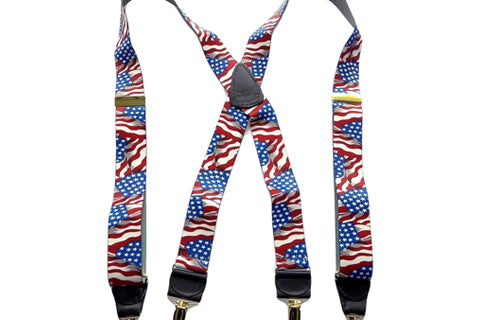
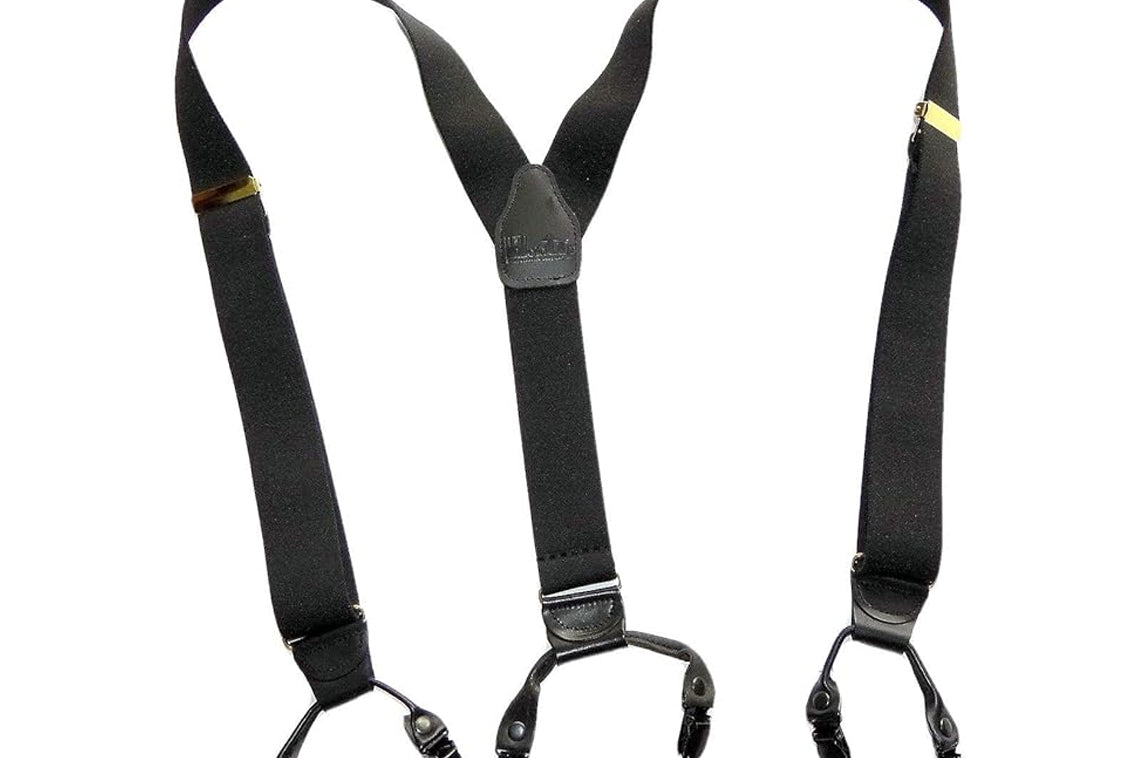
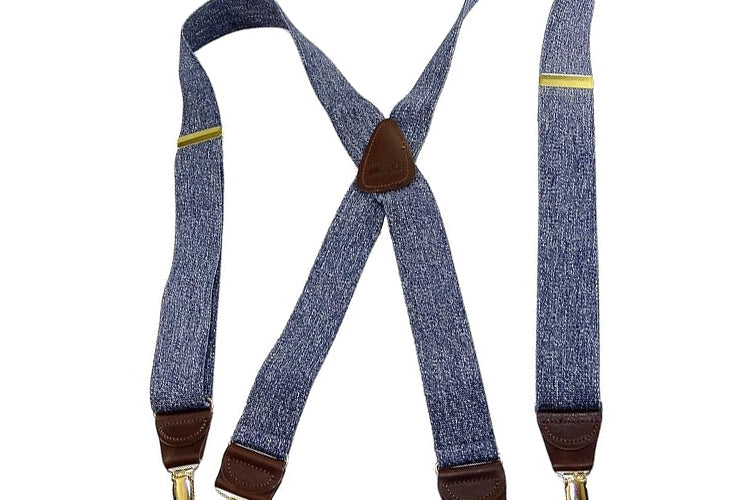
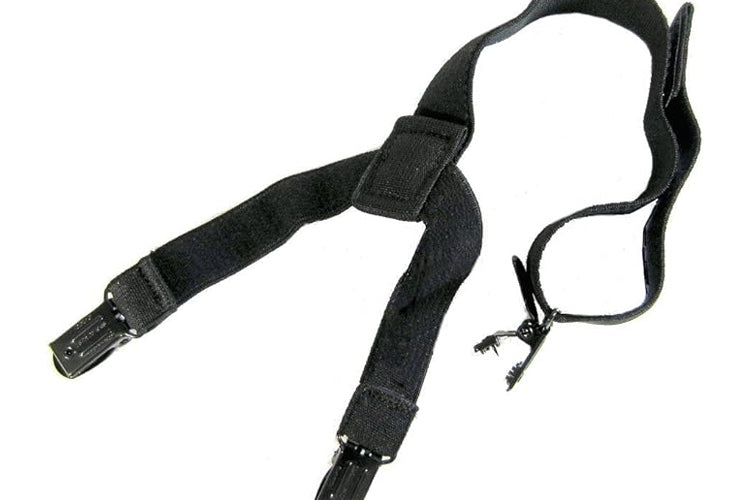
Just as shirt garters and suspenders can be layered to create a fully pulled-together look, sleeve garters work best when treated as a deliberate style choice rather than an afterthought.
How Have Sleeve Garters Influenced Modern Fashion?
Despite their traditional roots, sleeve garters have found a real niche in modern fashion. Designers have incorporated them into men's and women's collections at major runway shows, repositioning them from functional accessories to statement pieces that add a distinctive touch to an outfit.
Celebrity endorsements have played a meaningful role in that revival. When style icons wear them on red carpets or in editorial shoots, it shifts the perception from outdated to intentional. The viral moment of a well-known actress pairing sleeve garters with a tailored modern suit is a good example of how a vintage accessory can feel completely current when worn with confidence.
Sleeve garters now serve as fashion tools for expressing personal style rather than just managing sleeve length. Whether you are aiming for a sleek professional look or something more eclectic, there is a style of garter that fits. They pair naturally alongside other classic accessories like suspenders and are worth considering the next time you update your wardrobe. For styling ideas that go beyond the basics, the guide on wearing sleeve garters with suspenders covers several complete outfit approaches.
What Is the Cultural Significance of Sleeve Garters?
Sleeve garters hold real cultural weight, often representing a period of meticulous dress and professional etiquette. Their meaning has varied considerably by region and era.
In the American West, they became a staple among gamblers and barkeepers, where keeping sleeves clean and out of the way was a genuine practical need. That utility crossed over into a fashion statement tied to the rugged, self-reliant image of frontier life. In European contexts, sleeve garters often served a more ceremonial purpose, appearing in military uniforms and formal dress, with regional differences showing up in design detail and choice of material.
Gender associations have also shaped how sleeve garters are perceived. Traditionally viewed as a masculine accessory, particularly in male-dominated trades, they have more recently been adopted in women's fashion as a symbol of style versatility and personal expression. That shift reflects the same pattern seen across many accessories in menswear history, where function leads and fashion follows.
How Do You Choose the Right Sleeve Garters?
The two most important factors when choosing sleeve garters are color and fit. On color, pick a shade that works with your outfit rather than competing with it. If your shirt is a classic white or neutral, a bold-colored garter adds a deliberate pop of personality. If your shirt or jacket is already patterned or brightly colored, a more understated garter keeps the look balanced.
On fit, sleeve garters come in different sizes, and selecting the right one matters for both comfort and function. A garter that is too tight will feel restrictive and may leave marks on the arm after a few hours. One that is too loose will slide down the sleeve and defeat the purpose entirely. Aim for a snug hold that you can barely feel after a few minutes of wear.
If you also wear leg or sock garters, the same principle applies: the garter should hold firmly without pinching, and the material should be suited to the climate and activity.
How Do You Care for and Maintain Sleeve Garters?
Proper care keeps sleeve garters functional and looking sharp for years. The right approach depends on the material.
For leather garters, use a dedicated leather cleaner and conditioner to prevent cracking and maintain suppleness. Avoid soaking leather in water and keep them away from direct heat sources, which will dry out and stiffen the material. For elastic or fabric-based garters made from cotton or polyester, a gentle hand wash with mild detergent is usually sufficient. Never put them in a dryer, as high heat degrades elastic fibers quickly and causes shrinkage.
After washing, gently stretch fabric or elastic garters while still damp to help them hold their original shape as they dry. Store all garters flat or loosely rolled rather than folded sharply, which can create permanent creases. The same care principles that apply to washing and drying suspenders carry over well here, since many sleeve garters use similar elastic and fabric constructions.
Inspect the elastic or fastening hardware periodically for signs of wear. Replacing a worn garter before it fails during wear saves frustration and protects the sleeves it is meant to hold in place.
What Are the Future Trends in Sleeve Garters?
The direction for sleeve garters is toward both smarter design and more responsible materials. Eco-conscious consumers are driving demand for accessories made from recycled fabrics and biodegradable components, and sleeve garters are no exception. Expect to see more options built from sustainably sourced elastic and organic textiles in the coming seasons.
Functional design is also evolving. Magnetic closures and refined adjustable sliders are replacing older buckle systems, making garters faster to put on and easier to fine-tune throughout the day. Color-changing or thermochromic fabrics are an emerging novelty, allowing garters to shift tone based on temperature, adding an element of surprise to what has traditionally been a static accessory.
Beyond specialty wear, sleeve garters are moving further into mainstream fashion, inspired by a fusion of retro aesthetics and modern craftsmanship. They are no longer limited to costumes or themed events. Worn with intention, they function as a strong finishing detail for anyone who takes their personal style seriously.
Conclusion
Sleeve garters are more than a nod to the past. Whether you are drawn to the vintage leather look or prefer the subtle practicality of a modern elastic band, these accessories offer real functionality alongside genuine style. Choose a style and material that fits your wardrobe, care for them properly, and they will stay in excellent condition for years. As sustainable materials and smarter fastenings continue to develop, sleeve garters are well positioned to remain a distinctive and purposeful accessory for those who appreciate dressing with intention.
Frequently Asked Questions
What are sleeve garters used for?
Sleeve garters are adjustable bands worn on the upper arm to hold shirt sleeves at a fixed, shorter length. They prevent sleeves from sliding down over the hands during work or daily activity, keeping the shirt looking neat and professional without the need to manually roll or pin the sleeves.
Where should sleeve garters be placed on the arm?
Sleeve garters should be positioned just above the elbow, on the upper arm. Placing them here allows the excess sleeve fabric below the garter to blouse out naturally while keeping the cuff at a clean working height. Positioning them too high on the shoulder or too low near the forearm reduces their effectiveness and comfort.
What is the difference between sleeve garters and shirt garters?
Sleeve garters are worn on the arm to control shirt sleeve length. Shirt garters, also called shirt stays, are worn on the legs and run from the shirt hem down to the socks, keeping the shirt tucked in throughout the day. Both serve a similar purpose of maintaining a tidy, composed appearance, but they address completely different parts of the outfit.
Can sleeve garters be worn with suspenders?
Yes, sleeve garters and suspenders work well together and are historically paired in classic professional and Western-inspired dress. The combination creates a cohesive vintage look when all the elements are coordinated in material and color. Leather sleeve garters pair especially well with leather-accented suspenders for a consistent aesthetic.
How tight should sleeve garters fit?
Sleeve garters should fit snugly enough to hold the sleeve firmly in place without sliding down, but not so tight that they restrict circulation or leave visible marks on the skin after removal. A good test is to be able to slip one finger underneath the garter comfortably. If you cannot, the fit is too tight.
Are sleeve garters still in style?
Yes, sleeve garters have experienced a genuine fashion revival. They appear in runway collections, editorial styling, and vintage-inspired everyday looks. Worn intentionally rather than as a costume piece, they function as a strong style statement that sets a look apart from standard professional dress.