

Shirt garters, also called shirt stays, are elastic straps that run from the bottom of your shirt down to the top of your socks, keeping your shirt firmly tucked in throughout the day. When worn alongside suspenders, they create a complete garment-control system: suspenders hold your trousers at the correct height from the shoulders, while shirt garters hold your shirt hem down from below. Together they eliminate both a sagging waistband and an untucked shirt without any manual readjustment.
Shirt garters and suspenders work together to give you a crisp, clean look. They function as powerful allies: shirt garters fasten your shirt down to your socks, preventing billowing or untucking, and suspenders hold up your trousers at the perfect height. Using them together enhances your overall appearance and eliminates the need for constant readjustments throughout the day.
What Are Shirt Garters and How Do They Work With Suspenders?
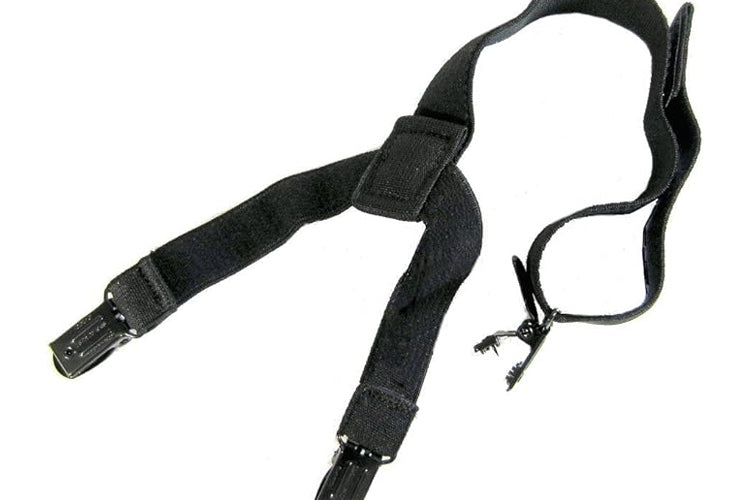
Shirt garters, also called shirt stays, are elastic straps with small clips at each end. One clip attaches to the bottom hem of your shirt and the other to the top of your sock, running down the inside of your leg. The tension in the elastic strap holds the shirt hem taut against the sock, preventing it from riding up and pulling free from the waistband no matter how much you move.
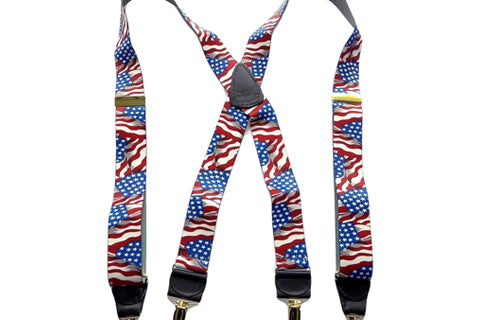
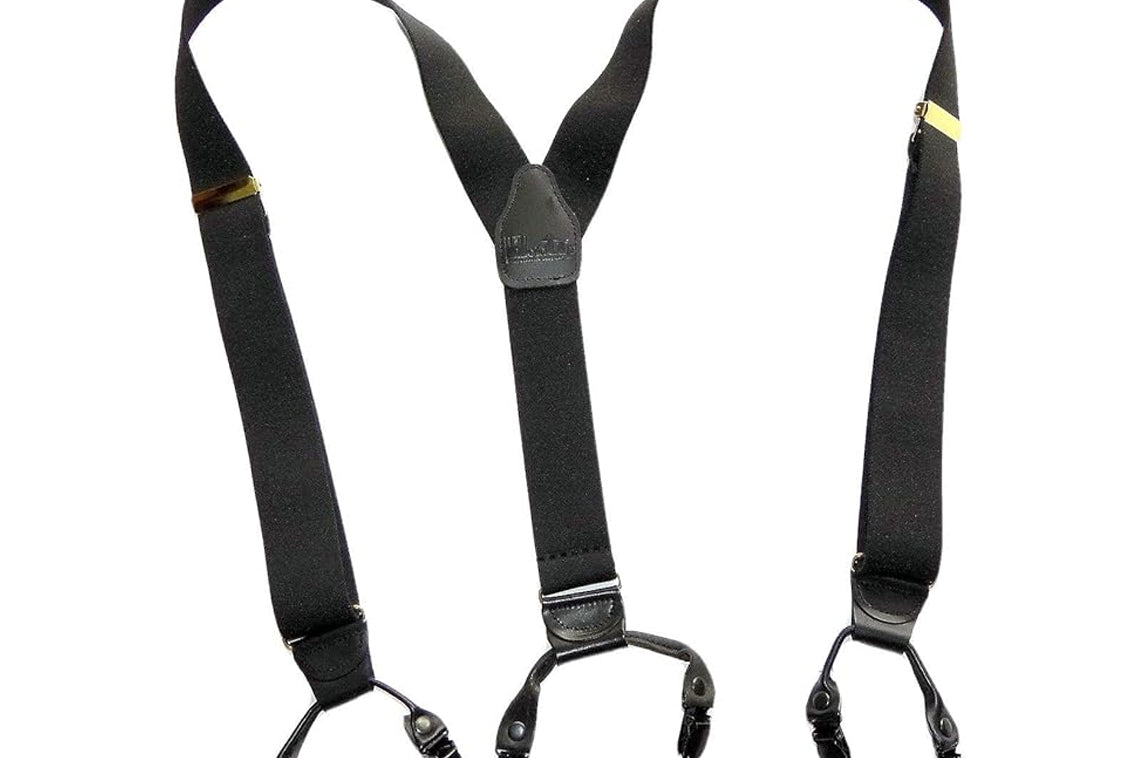
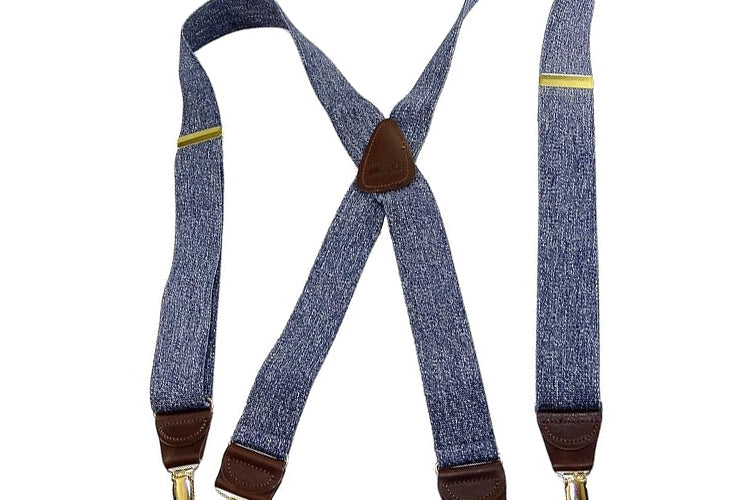
Suspenders work from the opposite direction. They clip or button to the waistband of your trousers and run up over the shoulders, holding the trousers at their correct height from above. This is fundamentally different from a belt, which tries to hold trousers up by clamping the waistband, and it means suspenders do not create pressure at the waist. For a full explanation of how suspenders work with trousers specifically, the guide to wearing suspenders with trousers covers the mechanics and fit principles.
When you combine both accessories, you create a closed system of garment control. The shirt is anchored from below by the garters, the trousers are held at height from above by the suspenders, and there is nothing left to come loose. It is the combination most favored by military personnel, law enforcement, and anyone who spends long hours in formal dress where a constant polished appearance is required.

What Are the Benefits of Wearing Shirt Garters With Suspenders?
The primary benefit is a polished, consistent appearance that requires no active maintenance during the day. A shirt that stays tucked, trousers that stay at the correct height, and a smooth waistline create an overall impression of precision and attention to detail that is difficult to achieve with belts and tucking alone.
Comfort over long periods is a significant practical advantage. Belts create continuous pressure around the waist that can become uncomfortable during extended sitting, particularly after meals or during long events. Suspenders remove that pressure entirely by shifting the load to the shoulders. Shirt garters create mild tension along the inner leg, which most wearers stop noticing within a few minutes. The combined result is a garment system that maintains its appearance all day without the physical cost that a tight belt imposes.
Shirt garters are also particularly effective when used alongside suspenders because they address a problem that suspenders alone do not solve. Suspenders hold the trousers up, but as you sit, stand, and move, the shirt fabric inside the waistband can still shift and pull upward, creating the telltale shirt billow at the waist. Shirt garters fix this specific problem by holding the shirt hem independently of the trouser waistband. The pairing of the two is covered in detail in the guide to shirt holder straps for a more elegant look.
What Types of Shirt Garters Are Available?
Shirt garters come in several configurations, and the right choice depends on how you intend to wear them and the level of hold you need.
Y-Style Shirt Stays
The Y-style is the most common design for professional and formal use. A single strap runs down from the shirt hem, then splits near the ankle into two shorter clips that attach to the front and back of the sock. This distributes the tension more evenly than a single attachment point, reduces bunching at the sock, and creates a more stable hold during active movement. Y-style stays are the standard choice for military and professional dress applications. The Hold Up Y-style shirt stays with metal clips use patented no-slip metal clips that grip the sock securely without damaging the fabric.
Single-Clip Shirt Stays
Single-clip stays use one attachment point at the shirt hem and one at the sock, connected by a single strap. They are simpler to put on and remove and work well for lighter dress shirts with moderate activity levels. The tension is less evenly distributed than a Y-style design, which can cause minor bunching at the sock attachment point if the strap is tight, but for typical office or formal wear they are a practical and affordable option.
Stirrup-Style Shirt Stays
The stirrup design uses a loop that goes around the foot rather than clipping to the sock. The shirt hem clips to the top of the stirrup strap, and the loop under the foot holds the whole assembly taut. These are common in military dress uniforms and provide an extremely secure hold because they do not rely on a sock clip that can shift if the sock slips. They are the most secure option available but require slightly more time to put on.
Side-Clip Shirt Garters
Some shirt garters run laterally around the waist rather than vertically down the leg, using adjustable bands with clips that grip the shirt hem all the way around. These are simpler in concept but rely on waist pressure to function, which reintroduces some of the comfort issues associated with belts. They work best for men who want shirt-tuck security without anything running down their legs.
What Materials Are Shirt Garters Made From?
The elastic band is the most critical component, and its quality determines both the effectiveness and the longevity of the garter. High-quality shirt stays use woven elastic with a rubber or latex core that maintains consistent tension over months of regular use. Budget elastic can stretch out of shape after a few weeks of wear, leading to a loose, ineffective hold. Checking the thickness and weave density of the elastic band before buying is worth the extra attention.
Nylon and cotton webbing are also used for the main strap, particularly in military-specification stays where durability in active conditions is a priority. Nylon is stronger and more moisture-resistant than cotton, while cotton is softer against the skin and better suited to everyday office wear where comfort is the main consideration.
The clips are usually metal or hard plastic. Metal clips, particularly those with a no-slip grip surface, provide a more secure hold and are less likely to release accidentally during movement. Plastic clips are lighter and gentler on delicate sock fabrics but can lose their grip tension over time. For anyone wearing shirt stays regularly with dress socks, metal clips with a rubberized inner surface offer the best combination of security and fabric care.
How Do You Wear Shirt Garters With Suspenders Properly?
The correct order of dressing matters when wearing both accessories. Put on your undershirt and dress shirt first, then attach the shirt garters before putting on your trousers. This lets you route the garter straps cleanly down your legs without them being trapped inside the trouser legs.
Tuck your shirt in and pull it smooth at the waist. Attach the shirt garter clips to the hem of the shirt on the front and back of each leg, roughly in line with the seam of your trousers rather than at the side seam. Route each strap down the inside of the leg to the sock, attach the bottom clip or stirrup, and adjust the length until there is consistent light tension without bunching. The shirt should feel held but not pulled; you should not feel the strap pulling your shirt out of place when you raise your arms.
Once the shirt garters are set, put on your trousers over them. Attach the suspenders to the back of the trousers first, then slide the straps over your shoulders and attach the front clips. Adjust the suspender length using the slide adjusters until the trousers sit at the correct height with light upward tension. For the detailed step-by-step on suspender adjustment, the guide on how to adjust suspenders covers each step precisely.

How Do You Choose the Right Shirt Garters to Pair With Suspenders?
The most important variable is the level of activity you need them for. For seated office work or a formal event with limited physical activity, single-clip or Y-style stays in a mid-weight elastic are sufficient. For all-day active use, standing presentations, or physical work in formal dress, Y-style or stirrup designs in a heavy-duty nylon strap with metal clips provide a significantly more secure hold.
Fit matters more than most buyers anticipate. Shirt garters are typically adjustable over a range of lengths, and finding the correct setting for your height and torso length is essential. Too short and they create discomfort and uneven sock wear; too long and the tension is insufficient to hold the shirt down effectively. Adjust them while standing upright in your normal posture, not while seated, to ensure the tension is calibrated for active movement.
Color is a minor consideration but worth noting for formal settings. Black shirt stays under black trousers are virtually invisible. White or tan stays can create a visible flash of color at the ankle if the trouser rides up, so coordinating with the sock and trouser color avoids this. For anyone who also wears sleeve garters as part of a complete accessory layering approach, the guide to wearing sleeve garters with suspenders covers how all three accessories work together.
What Occasions and Outfits Are Shirt Garters Most Suitable For?
Shirt garters are most commonly associated with formal dress, military uniforms, and professional attire where a tucked shirt and correct trouser height must be maintained for extended periods. They are standard issue in many military dress uniform requirements because they solve the problem of shirt-tuck failure in an active physical environment definitively.
For civilian wear, they are particularly useful for long formal events such as weddings, galas, or black-tie evenings where you will be sitting, standing, dancing, and moving through several hours without the opportunity to readjust. Paired with formal suspenders, they create the most polished, consistent appearance available in formal menswear. For how suspenders specifically work in a formal tuxedo or suit context, the dos and don'ts of wearing suspenders with a tuxedo provides the relevant formal rules.
They are also genuinely useful for everyday office wear if you wear dress shirts that tend to come untucked during a normal working day. Men with longer torsos relative to their trouser rise, or those who wear high-rise trousers with formal shirts, often find that even good-quality shirts pull free from the waistband during extended sitting. Shirt garters solve this permanently rather than requiring a constant tuck readjustment mid-afternoon. The broader context of keeping shirts in place is also covered in wearing suspenders under the shirt, which addresses the hidden-suspender approach for those who want a clean visible silhouette.

What Are Alternatives to Shirt Garters for Keeping a Shirt Tucked In?
Several alternatives exist for men who want a tucked-in shirt without the vertical leg straps that traditional shirt garters use.
Tailored shirts with extended tails are cut longer than standard dress shirts so that they reach far enough below the waistband to stay put without mechanical assistance. These work well for lighter daily office wear but are less reliable during active movement or in very high-rise trousers. Slim-fit shirts have a naturally close fit through the torso that reduces the fabric available to billow, which helps them stay tucked longer than a regular-fit shirt in the same situation.
Bodysuit shirts incorporate a snap or button closure at the crotch, similar to an undergarment, which makes it physically impossible for the shirt to come untucked. These provide the most secure alternative to garters and are popular in professional settings, though they require more time to use in restrooms and can feel restrictive for some wearers.
Non-slip waistband grip tape, applied inside the trouser waistband, adds friction between the shirt and the waistband fabric without any external hardware. This works for moderate activity levels but loses effectiveness as body heat and moisture reduce the grip during extended wear.
How Do You Care for and Maintain Shirt Garters?
Proper care extends the usable life of shirt garters significantly. After each wearing, unclip the stays carefully by opening the clip mechanism fully before releasing rather than pulling the clip away from the fabric. Forcing clips off the sock or shirt damages both the clip spring over time and the fabric itself.
Hand wash in lukewarm water with a mild detergent. Avoid bleach and harsh chemicals, which degrade elastic fibers and cause discoloration in the strap fabric. After washing, gently squeeze out excess water and lay the stays flat to air dry. Never tumble dry. Heat accelerates elastic breakdown faster than almost any other single factor. The same care principles that apply to washing and drying suspenders apply directly here, since both accessories use similar elastic and clip constructions.
Inspect the clips and elastic regularly. Clip springs that no longer grip firmly, or elastic that has lost its return tension and feels limp after stretching, indicate a pair that needs replacing. Catching these signs early avoids the experience of a shirt garter failing mid-event. Store them flat or loosely coiled in a drawer away from direct sunlight, which degrades elastic and fades fabric over time.
Common Issues and How to Troubleshoot Them
The most common problem is garters that feel too tight or leave visible marks on the leg after removal. This almost always means the length is set too short. Lengthen the strap slightly until there is tension without pressure. The garter should feel present but not uncomfortable after the first few minutes of wear.
Garters that keep sliding down or failing to hold the shirt are either too long, have clips that are not gripping the fabric firmly enough, or use low-quality elastic that has already lost its tension. Check the clips first by attaching them and pulling gently: a properly functioning clip should not release under moderate downward pressure. If it does, the clip spring is worn and the stays need replacing.
Bunching at the sock attachment point usually means the clip is attached to the very top edge of the sock rather than the body of the sock fabric just below the top band. Repositioning the clip 1 to 2 centimeters below the top band distributes the tension more evenly and eliminates most bunching.
Conclusion
Shirt garters and suspenders together create the most complete and reliable garment-control system available in formal and professional menswear. Each accessory solves a specific problem that the other cannot: suspenders prevent trouser sag from above, and shirt garters prevent shirt untucking from below. For anyone who wears formal dress regularly, spends long hours in professional attire, or simply wants to stop adjusting their shirt throughout the day, this combination is worth the modest investment and brief learning curve involved in wearing it correctly.
Frequently Asked Questions
What are shirt garters and how are they different from suspenders?
Shirt garters, also called shirt stays, are elastic straps that run from the bottom hem of a dress shirt down to the top of a sock, keeping the shirt securely tucked in. Suspenders are straps that run from the trouser waistband up over the shoulders, holding the trousers at the correct height. They solve two different problems: shirt garters prevent shirt untucking, suspenders prevent trouser sag. The two accessories are complementary rather than overlapping in function.
Are shirt garters necessary if you already wear suspenders?
Not strictly necessary, but they address a problem that suspenders cannot solve on their own. Suspenders hold the trousers up, but as you move through the day the shirt fabric inside the waistband can still shift and pull upward, creating a messy shirt billow at the waist. Shirt garters prevent this by anchoring the shirt hem independently from below. For casual or low-activity wear, suspenders alone may be sufficient. For formal events or extended professional wear, adding shirt garters delivers a noticeably cleaner result.
How do you put on shirt garters with suspenders?
Dress in your shirt first, then attach the shirt garters before putting on your trousers. Clip the top of each garter to the shirt hem at the front and back of each leg, route the strap down the inside of the leg, and attach the bottom clip to the top of the sock. Adjust the length until there is light, even tension. Then put on the trousers over the garters, and attach and adjust your suspenders last. This order keeps the garter straps from getting twisted inside the trouser legs.
What is the difference between Y-style and single-clip shirt stays?
Y-style stays split into two clips near the ankle, attaching to both the front and back of the sock. This distributes the tension more evenly, reduces bunching, and provides a more stable hold during movement. Single-clip stays use one attachment point at the sock, which is simpler and faster to put on but creates a less even tension distribution. For active wear or all-day formal dress, Y-style stays are the better choice. For lighter daily use, single-clip stays are often sufficient.
Can shirt garters be worn comfortably all day?
Yes, when correctly fitted. The straps should create light, consistent tension that you stop noticing within a few minutes of wear. Discomfort usually means the length is set too short, creating excessive tension on the inner leg. Adjust the length until the garter feels present but not forceful. Most wearers who find shirt garters uncomfortable are wearing them too tight or have the clips attached at the wrong position on the sock.
How long do shirt garters typically last?
High-quality shirt garters with metal clips and woven elastic last approximately one to two years with regular use when properly cared for. The main failure point is the elastic band, which gradually loses its return tension after repeated stretching and washing. If the elastic feels limp rather than springy when you stretch and release it, the stays are due for replacement. Avoiding tumble dryer heat and bleach significantly extends their useful life.