

Few accessories command the same quiet authority as a perfectly worn cummerbund and a crisp set of suspenders. Together they are the hallmarks of genuine black-tie dressing, a tradition rooted in military dress uniforms, refined over generations, and still defining the gold standard for formal menswear today. Cummerbunds are worn in 73.5% of black-tie events worldwide, and approximately 68.4% of men prefer suspenders over belts for formal events, making this combination the most widely respected approach to complete tuxedo dressing.
Whether you are preparing for a black-tie gala, a formal wedding, a prom night, or any occasion where a tuxedo is required, this guide covers everything: which accessory goes on first, how each should fit, how to coordinate colors and patterns, which occasions call for the combination, and the most common mistakes to avoid.
What Is a Cummerbund and What Does It Do?
A cummerbund is a wide, pleated waist sash traditionally worn as part of black-tie and white-tie formal attire. It originated in British colonial India, where soldiers adapted the South Asian kamarband ("waist band") for use with military dress uniforms. By the late 19th century it had transitioned into civilian evening dress, pairing with the newly fashionable dinner jacket. This history is an important fact about the cummerbund's role in modern men's clothing: it is not merely decorative but has genuine practical roots.
The primary function of a cummerbund is to conceal the trouser waistband and the undecorated section of shirtwaist between the jacket hem and the trousers. Without it, a gap of plain white cotton or awkward belt loops can disrupt the clean vertical line of a tuxedo silhouette. The cummerbund closes that gap, creating an unbroken, elegant line from collar to floor.
Beyond concealment, cummerbunds add a layer of visual sophistication. They are traditionally pleated with the pleats facing upward, and are typically made from silk, satin, or grosgrain fabric. The color most commonly matches the bow tie or the jacket's lapel facing. While black remains the go-to choice for traditional formality, cummerbunds are available in a full spectrum of colors, patterns, and fabrics to suit weddings, proms, and themed formal occasions. About 81.6% of fashion experts agree that the proper height of a cummerbund is just above the natural waistline.
What Are Suspenders and Why Wear Them With Formal Attire?
Suspenders, also known as braces in British and European fashion, are straps worn over the shoulders that attach to the trouser waistband to hold the pants in place. They are the preferred alternative to a belt for formal dress because they do not compress the waistband, preserve the trouser's natural drape, and allow a cummerbund to lie flat without interference. Suspenders with clips are used by 54.3% of users, while 45.7% opt for buttoned versions, reflecting the wide range of options available for different trouser styles and personal preferences.

For formal wear specifically, suspenders offer distinct practical advantages over belts: they keep dress pants at the correct height throughout the evening regardless of movement, they eliminate belt-loop bulge beneath the cummerbund, and they allow the formal shirt to remain fully and neatly tucked throughout the night.
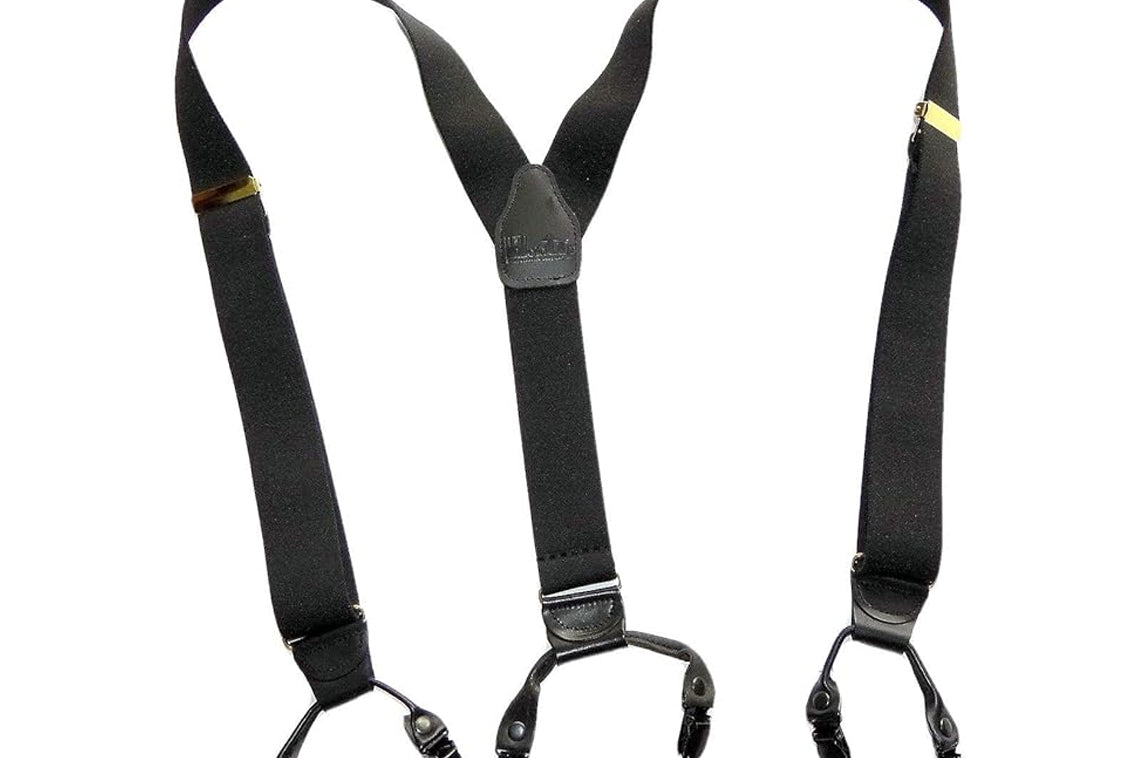
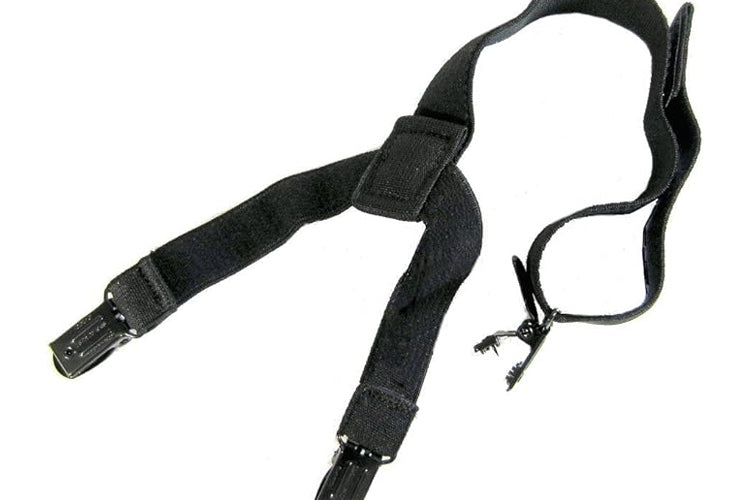
Dress suspenders typically come in three attachment styles. Button-end suspenders attach via small leather tabs to buttons sewn inside the trouser waistband. This is the traditional, most elegant method and is preferred for formal wear because the connection is invisible. Clip-on suspenders use metal or plastic clips that grip the trouser waistband, offering more convenience and working with trousers not fitted with braces buttons. Hidden undergarment suspenders are worn entirely beneath the shirt with gripper clasps, making them completely invisible and ideal when wearing a cummerbund over the top.
Which Comes First: Cummerbund or Suspenders?
Always put on suspenders first, and the cummerbund second, on top. This is the foundational rule of wearing both accessories together, and it is non-negotiable for correct formal dress.
The reason the order matters is straightforward. Suspenders attach at the trouser waistband and run up over the shoulders. If the cummerbund were placed underneath, the suspender straps would press through the fabric and create visible ridges, ruining the smooth silhouette the cummerbund is meant to create. Placing the cummerbund on top conceals everything: the waistband, the trouser gap, and any suspender hardware at the front of the body.
From the back, suspender straps will be partially visible beneath the jacket, which is entirely acceptable and is in fact a classic mark of well-dressed men in traditional black-tie circles. Only 12.7% of men wear both cummerbunds and suspenders simultaneously, which means those who do are immediately recognizable as well-versed in formal dress conventions.
How to Wear Cummerbunds and Suspenders Together: Step-by-Step
Follow this sequence when dressing for any formal occasion requiring both accessories.
Step 1: Start with Your Dress Shirt and Trousers
Put on your formal dress shirt and tuck it firmly into your formal trousers. Ensure the shirt is smooth at the waistline, as any bunching at this stage will be magnified once the cummerbund is in place. Choose a shirt with a placket front, bib front, or French front for the cleanest appearance; avoid shirts with casual button configurations. Cufflinks and shirt studs, where applicable, complete the gentleman's dress shirt properly and add the finishing touches to this foundational layer of the outfit.
Step 2: Attach and Adjust Suspenders
Clip or button your dress suspenders to the inside waistband of your trousers. Adjust the strap length so that your trousers sit at their natural waist height. The suspenders should feel snug on the shoulders without digging in. If they feel uncomfortable, they are too tight. At the correct adjustment, you should be able to slide two fingers beneath each strap comfortably.

For a classic black tuxedo, wear matching black braces. Black satin-finished suspenders with gold hardware are the traditional choice and complement every black-tie ensemble without drawing attention away from the cummerbund.
Step 3: Wear the Cummerbund Over the Suspenders, Pleats Up
Wrap the cummerbund around your waist with the pleats facing upward. This is a rule with real historical weight: the pleats-up orientation was originally designed so that the pleats could serve as a small ticket or card holder during theater performances. Today it remains the convention that distinguishes correct formal dressing from careless assembly of the outfit.
Position the cummerbund so it fully covers the trouser waistband at the front. It should sit snugly, not so tight that it pulls, and not so loose that it can ride up during movement. The cummerbund should extend roughly 4 to 6 inches below the waistband, covering any shirt gap completely.
Step 4: Center the Pleats and Fasten at the Back
Before fastening, check that the pleats are centered and symmetrical at the front of the waist. If your trousers have belt loops, the cummerbund should cover them entirely. Fasten the cummerbund using its hook-and-bar or velcro closure at the back, and smooth out any creases in the fabric. Take a moment at this stage to check the fit from the side as well as the front to ensure the cummerbund sits perfectly level all the way around.
Step 5: Add the Bow Tie, Then the Jacket
Tie or clip your bow tie, ensuring it matches or coordinates with your cummerbund. Put on your tuxedo jacket last. Do a final check: no suspender straps should be visible from the front, the cummerbund should lie flat without any buckle from the jacket hem, and the pleats should point upward and center-forward. Check the back as well to confirm the jacket falls cleanly over the suspender straps.

How to Choose and Match Colors, Patterns, and Fabrics
Color coordination is one of the most common sources of confusion when combining a cummerbund and suspenders. The good news is that the rules are consistent and easy to follow once you understand the basic pairings.
The Classic Black Tuxedo Rule
For a traditional black tuxedo at a black-tie event, wear a black cummerbund, a black bow tie, and a white formal dress shirt. This is the unambiguous choice that never fails. The cummerbund should match the lapel facing fabric: if your jacket has silk peak lapels, choose a silk cummerbund; if it has grosgrain lapels, match with grosgrain. Coordinating materials across these items gives the outfit a refined, intentional look that distinguishes a well-dressed man from someone who simply assembled the right garments.
Matching Cummerbund to Bow Tie and Pocket Squares
At weddings, proms, and themed events, the cummerbund should always match the bow tie in color and, where possible, fabric. If your bow tie is midnight blue silk, your cummerbund should be midnight blue silk. Pocket squares can echo the same tone or use a complementary accent color to add personality without disrupting the formality of the ensemble. Neckties are not traditionally worn with a cummerbund, as the bow tie is the standard choice for formal attire at this level of dress code.
Suspender Color and Material
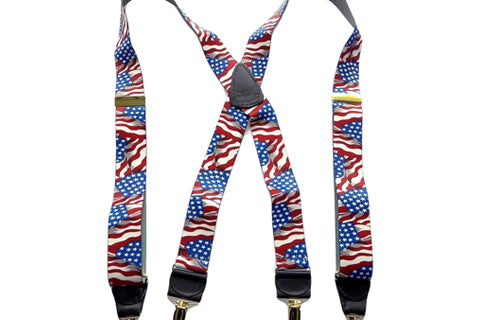
Since suspenders will be hidden beneath the cummerbund and jacket, their color matters less than that of any visible accessory. However, as a general rule: match the suspender color to the cummerbund. Black suspenders work universally across all formal outfit options. For lighter or more colorful formal looks, choosing suspenders that coordinate with the overall tuxedo ensemble adds a refined finishing touch, particularly in situations where the jacket may be removed during the evening.
Leather Suspenders for Formal Wear
Leather suspenders are another option worth considering for formal occasions. A pair of black leather suspenders with button-end attachments creates an especially polished look and pairs well with classic black tuxedo trousers. The leather material adds a subtle texture that differentiates the look from standard elastic braces while maintaining the clean, understated aesthetic that formal attire demands. When worn beneath a cummerbund and jacket, the leather clips or button tabs remain completely out of sight, so the choice is purely about personal preference and the quality of the trouser waistband construction.
Patterns and Fabric Notes
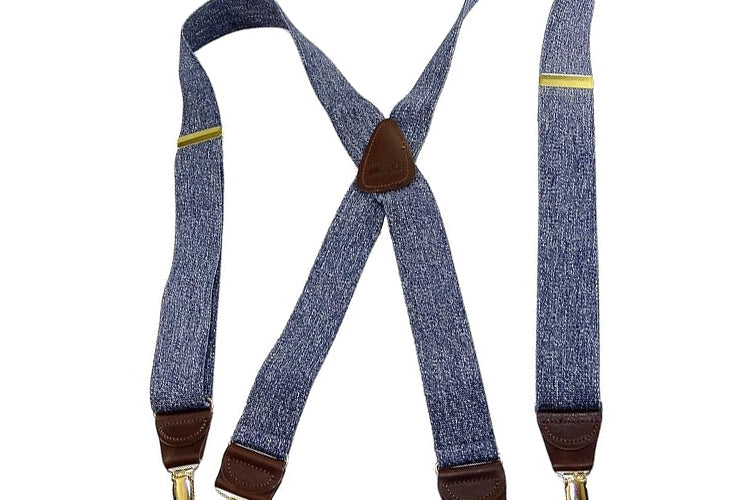
Cummerbunds in solid colors remain the safest and most versatile choice for any black-tie wardrobe. Patterned cummerbunds, including paisleys, stripes, and jacquard weaves, are appropriate for less formal occasions like proms or cocktail events. Avoid patterns that clash with your jacket's lapel fabric or your accessories. Silk and satin cummerbunds are best for white-tie and traditional black-tie; cotton or polyester blends work for less formal dress codes. Denim cummerbunds exist as novelty items but are not appropriate for any occasion requiring a tuxedo.
Occasions That Call for Both a Cummerbund and Suspenders
Cummerbunds and suspenders together form the complete black-tie package. The combination is appropriate for and expected at a range of formal occasions.
Black-tie and white-tie events including galas, charity dinners, awards ceremonies, and state functions are the primary setting where both accessories are standard. Formal weddings, whether you are the groom, a groomsman, or a guest in a tuxedo, are another obvious occasion. Coordinate cummerbund and bow tie colors with the wedding party palette for a cohesive look. Proms and homecoming dances are a prime opportunity for colored cummerbunds and suspenders matched to a date's dress or a themed color scheme. Opera, theater, and classical concerts remain traditional venues where formal evening dress is expected, and formal yacht or cruise events with black-tie dress codes call for the full tuxedo treatment as well.
Lunch or dinner parties with a smart-casual dress code do not require a cummerbund. When the event is "black-tie optional," a well-fitted suit with a waistcoat as an alternative to the cummerbund is entirely appropriate and still formally correct.
Cummerbund vs. Waistcoat: Which Should You Choose?
Both a cummerbund and a waistcoat serve the same fundamental purpose: concealing the shirtwaist and creating a finished silhouette beneath the tuxedo jacket. The choice between them comes down to the formality of the event, personal style, and practical comfort.
The cummerbund is more traditional for white-tie and British black-tie conventions. It is lighter weight and cooler in warm weather, allows more freedom of movement, and provides that classic unbroken color line from chest to trouser. The waistcoat is more common in American black-tie and three-piece suit contexts, adds warmth and an extra layer of polish, and works especially well at winter weddings or cooler venue events. Suspenders pair exceptionally well with a vest, as the vest covers the suspender straps entirely and creates a fully enclosed, polished look from every angle.
If you prefer a vest, the same suspender layering logic applies: suspenders go on underneath, vest on top. Never wear a cummerbund and a waistcoat simultaneously, as this doubles up on waist accessories and creates a layered bulk that disrupts the clean line both garments are designed to produce.
Common Mistakes to Avoid
Even experienced dressers make avoidable errors with these accessories. Here are the most frequent pitfalls and the ability to sidestep them comes down to knowing the rules in advance.
Wearing the cummerbund pleats downward is the single most common mistake. It looks disheveled and signals unfamiliarity with formal dress conventions. Always ensure the pleats open upward before fastening at the back.
Wearing a belt alongside a cummerbund creates a double-waist effect: two horizontal bands at the waist that bulk out the silhouette and ruin the clean line formal wear demands. Choose suspenders or ensure your trousers fit without additional support. Never combine a belt and cummerbund in the same outfit.
Letting suspender straps show beneath the jacket hem is another common issue. If straps are visible on the sides of your shirt when your jacket is open or removed, your suspenders are either too wide, too brightly colored, or not properly positioned. For events where you may remove your jacket, choose white or ivory braces that blend with your dress shirt.
Choosing a cummerbund that does not match the bow tie creates a disjointed look that undermines the entire formal outfit. The cummerbund and bow tie are treated as a matched set in formal dress and should be the same color and ideally the same fabric weight.
Finally, wearing the cummerbund too high or too low is a positioning mistake that is easy to overlook. The cummerbund should sit at the natural waist, covering the trouser waistband entirely. Too high and it encroaches on the shirt bib; too low and the waistband peeks out above it. Adjust after putting on your jacket and do a standing check in a full-length mirror from the front, back, and side.
Caring for Your Cummerbund and Suspenders
Proper care extends the life of your formal accessories and ensures they look pristine event after event. Most silk, satin, and grosgrain cummerbunds are dry clean only. Check the care label before doing anything else. After wearing, hang or roll the cummerbund loosely and store it in a breathable garment bag. Folding it flat across the pleats will crush them out of shape. If wrinkles develop, use a cool iron with a pressing cloth and never apply the iron directly to the fabric.
Fabric and elastic suspenders can generally be hand-washed in cool water with mild soap and air dried flat. Leather suspenders should be wiped clean with a dry cloth and conditioned periodically to prevent cracking and maintain the material's suppleness. Hang suspenders when storing rather than folding them: elastics retain their original tension and shape better when not compressed over long periods of storage.
Frequently Asked Questions About Cummerbunds and Suspenders
Can you wear cummerbunds and suspenders together?
Yes, and it is the traditional approach for black-tie formal wear. The cummerbund is worn on top of the suspenders to conceal the waistband and hide any visible straps at the front of the body. This combination is expected at galas, formal weddings, and other tuxedo occasions.
Which comes first: cummerbund or suspenders?
Suspenders always go on first, attached to the trouser waistband. The cummerbund is layered on top. Reversing this order results in visible ridges beneath the cummerbund fabric and an untidy silhouette that undermines the clean look formal attire requires.
What height should a cummerbund sit?
The cummerbund should sit at the natural waistline, fully covering the trouser waistband. About 81.6% of fashion experts agree that just above the waistline is the correct position. It should not encroach on the shirt bib above nor allow the waistband to peek out below. Check the position after putting on your jacket for the most accurate assessment.
Should suspenders be visible when wearing a cummerbund?
No, from the front. The cummerbund and tuxedo jacket together ensure suspenders remain completely out of sight from the front. Some visibility at the back when the jacket is worn is acceptable and is actually a traditional mark of correct formal dressing among well-dressed men.
Do cummerbunds and suspenders need to match?
They do not need to be an exact match, but they should coordinate. Focus primarily on matching the cummerbund with the bow tie, as that pairing is the visible one. Suspender color is secondary since they are hidden beneath the cummerbund and jacket. Black suspenders work with any cummerbund color or pattern.
Can I wear a belt with a cummerbund?
No. A belt and cummerbund together is a formal dress error. The cummerbund replaces the need for a visible waistband accessory. Use suspenders for trouser support instead, as they hold the trousers in place without adding any visible bulk at the waist.
What color cummerbund should I choose for a wedding?
For weddings, coordinate your cummerbund with your bow tie and the wedding color palette. Black works universally. For more expressive outfits, match the cummerbund to the wedding party's accent color. Champagne, burgundy, navy, and ivory are popular choices that photograph well and coordinate naturally with most wedding themes. For more pairing ideas, see our guide on the dos and don'ts of wearing suspenders with a tuxedo.
What is the difference between suspenders and braces?
"Suspenders" is the American English term; "braces" is used in British English. They refer to the same garment: shoulder straps that attach to the trouser waistband to hold pants in place. In American English, "suspenders" can also refer to garter-style stocking accessories in women's clothing, but context usually makes the distinction clear.
Are cummerbunds and suspenders appropriate for casual events?
No. Cummerbunds are strictly formal accessories and are not appropriate for business, smart-casual, or casual outfits. Suspenders on their own are versatile enough for casual and business settings, but the cummerbund belongs only in formal dress codes involving a tuxedo or white-tie attire.
How formal are cummerbunds compared to vests?
Both serve the same purpose in formal attire, but cummerbunds are considered slightly more traditional and are the standard choice for European and British black-tie conventions. Vests are more common in American formal dress and work well across a broader range of formality levels, from business suits to full tuxedo options. The choice between them is largely a matter of personal style and the specific dress code of the event.
Related Guides
- Vest vs. Cummerbund With Suspenders: Which Is Right for Your Outfit?
- The Dos and Don'ts of Wearing Suspenders With a Tuxedo
- How to Wear Tuxedo Suspenders