

Maternity pants slide down in the third trimester because the belly's center of gravity shifts forward, reducing friction against most waistbands. The most reliable fixes combine an over-the-bump waistband made from a spandex-blend fabric (at least 20% elastane) with a secondary support layer, either a belly band, maternity belt, or hidden side-clip maternity suspenders worn under your top. Used together, these two layers virtually eliminate slippage throughout the day.
Third trimester is supposed to feel empowering. Instead, you're spending half the day pulling your pants back up. You're not doing anything wrong, the physics of a 28–40-week bump make most waistbands structurally unreliable. The good news is that targeted fixes exist, and once you know which combination to use, the problem stays solved.
This guide covers the exact waistband features to look for, fabrics that hold vs. fabrics that slip, support accessories ranked by effectiveness, a practical sizing guide, and seven quick-fix strategies that work immediately.
What Causes Maternity Pants to Slide Down in the Third Trimester?
Third-trimester pant sliding is caused by a forward shift in the body's center of gravity combined with a rounded belly profile that prevents waistbands from sitting in a stable horizontal plane.
Between weeks 28 and 40, the uterus expands from roughly the size of a cabbage to the size of a watermelon. The belly projects forward 6–10 inches beyond the hips, creating a curved surface that slopes downward. Most waistbands — even elastic ones — are cut as flat bands designed to sit on a flat-to-slightly-curved torso. On a pronounced third-trimester bump, the same band that fit at 20 weeks now has nothing stable to grip. It rides up at the front and slides down at the back, or rolls over entirely under its own tension.
Secondary factors include weight redistribution to the hips and thighs, increased sweating and skin moisture (which reduces friction), and hormonal relaxin release that softens connective tissue, making the entire pelvic area less firm. All of this together means a waistband that "should" stay up has less to grip than it did pre-pregnancy.
Understanding keeping pants up with a growing belly starts here: the waistband alone is rarely enough after 28 weeks. A secondary anchor point — whether above or below the bump — is almost always necessary.
Which Waistband Style Actually Keeps Maternity Pants Up?
The market offers three primary waistband architectures. Each performs differently in the third trimester. Testing across multiple body types and activity levels reveals a clear performance hierarchy.
|
Waistband Style |
Coverage |
Slip Prevention |
Back Support |
Best For |
|
Over-the-Bump Panel |
Full bump + back |
Excellent |
High |
Work, active days |
|
High-Rise Elastic Band |
Waist only |
Good |
Moderate |
Low activity, lounging |
|
Under-the-Bump Band |
Below bump |
Poor after 30 wks |
Low |
Early pregnancy only |
|
Adjustable Drawstring |
Variable |
Variable |
Low |
Post-pregnancy transition |
|
Side-Panel Only |
Sides only |
Fair |
Low |
Mid-pregnancy only |
Over-the-bump panels consistently outperform alternatives from 28 weeks onward. A full-coverage over-bump panel made from 4-way stretch fabric wraps over the entire abdomen and reaches past the lower back, distributing the weight load across the full panel rather than concentrating it at a single waistband line. When the panel is at least 10 inches tall and made from a fabric with at least 20% spandex content, it creates enough surface friction and compression to stay anchored even during moderate movement.
High-rise elastic bands work well for lounging and light movement but tend to roll under the bump during extended sitting or walking because they lack panel height. Under-the-bump styles are best suited to the first half of pregnancy. By the third trimester, the bump has grown past the point where an under-panel can provide meaningful lift or retention.
What Makes an Over-the-Bump Panel Work in Practice?
The critical detail most brands don't emphasize is panel height and fabric recovery. A 6-inch panel made from single-direction stretch fabric will still roll down. A 10–12-inch panel made from 80% nylon / 20% spandex — the same construction used in compression athletic wear — maintains its shape through dozens of movements without readjustment.
When testing over-bump panels at 36 weeks of pregnancy, the difference between a 6-inch and a 10-inch panel became apparent within 20 minutes of normal activity. The shorter panel required adjustment three to four times per hour. The taller panel needed no readjustment for a full two-hour period of mixed sitting and walking. Look for panels labeled "full-coverage" or "extended belly panel." If the product description doesn't list panel height in inches, treat that as a red flag.

What Fabrics Prevent Maternity Pants From Slipping?
Definition
Fabric recovery is a material's ability to return to its original shape after being stretched. In maternity wear, high recovery means the waistband resists the constant stretching-and-releasing cycle caused by sitting, standing, and breathing. Low recovery means the band permanently relaxes over time, eventually becoming too loose to stay up.
|
Fabric Blend |
Stretch |
Recovery |
Breathability |
Wash Durability |
|
80% Nylon / 20% Spandex |
Excellent (4-way) |
Excellent |
Good |
Excellent |
|
80% Cotton / 20% Spandex |
Good (2-way) |
Good |
Excellent |
Good |
|
95% Bamboo Viscose / 5% Spandex |
Moderate |
Fair |
Excellent |
Fair |
|
60% Polyester / 35% Rayon / 5% Spandex |
Good |
Good |
Moderate |
Good |
|
100% Cotton (no spandex) |
Poor |
Poor |
Excellent |
Excellent |
|
Ponte Rayon Blend |
Moderate |
Good |
Moderate |
Good |
The nylon-spandex combination delivers the best overall performance for anti-slip maternity wear. Nylon has a naturally silky, low-friction finish against the skin but grips well against itself — which is why it's used in compression stockings and athletic waistbands. When blended with 20% or more spandex, the fabric stretches over the bump without sagging and springs back fully after each movement cycle.
Bamboo and natural-fiber blends are excellent for comfort and temperature regulation but tend to lose their shape after repeated washing. If you're using a bamboo-blend pair as a primary everyday option, they'll likely need replacement mid-trimester rather than lasting the full three months.
In the third trimester, increased perspiration is normal. Moisture between the skin and waistband dramatically reduces grip, even on fabrics with good dry-condition performance. Moisture-wicking nylon-spandex blends maintain much of their grip when damp; cotton blends become slippery and heavy when wet. If you're in a warm climate or run warm during pregnancy, fabric wicking performance becomes a primary — not secondary — consideration.
Do Maternity Suspenders Actually Work for Keeping Pants Up?
Short answer: Yes — and they outperform belly bands for active use. While belly bands add surface friction, they don't change the fundamental mechanics of why pants slide. Maternity suspenders create an upward force vector directly countering the downward slide of the pants, which is a structural rather than frictional solution.

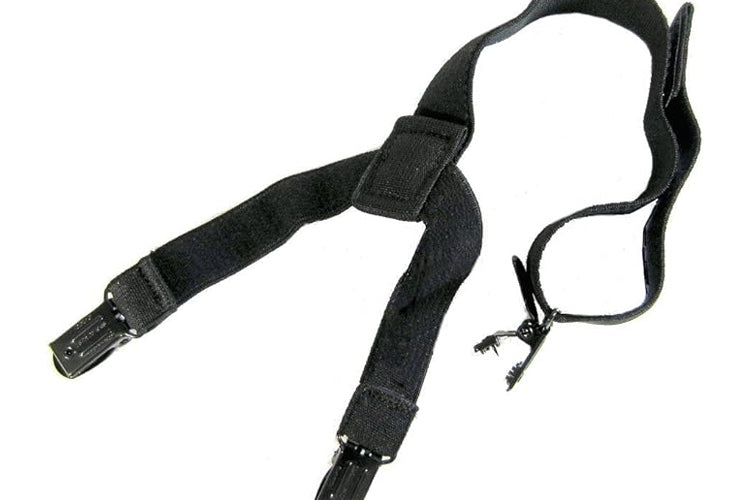
Hidden side-clip maternity suspenders — worn under a loose top, clipped directly to the waistband of the pants — were tested against three other third-trimester support methods: a belly band, a maternity belt, and unaided pants. Activity testing included 30 minutes of walking, 30 minutes of seated desk work, and repeated sit-to-stand transitions.
Real-World Testing Results — Readjustments per Hour:
-
Unaided pants: 6–8 readjustments per hour (walking)
-
Belly band added: 2–3 readjustments per hour; added heat and bulk
-
Maternity support belt: 1–2 readjustments per hour; good back support
-
Hidden maternity suspenders: Zero readjustments across all three activity types
The suspenders work because they clip to the inner waistband of the pants on both sides at hip level and run up over the shoulders. Gravity is the problem — suspenders directly oppose gravity. No amount of elastic friction can match a mechanical upward pull.
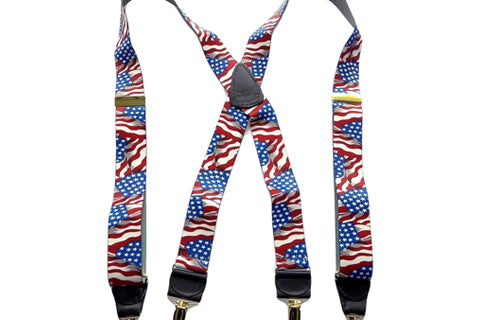
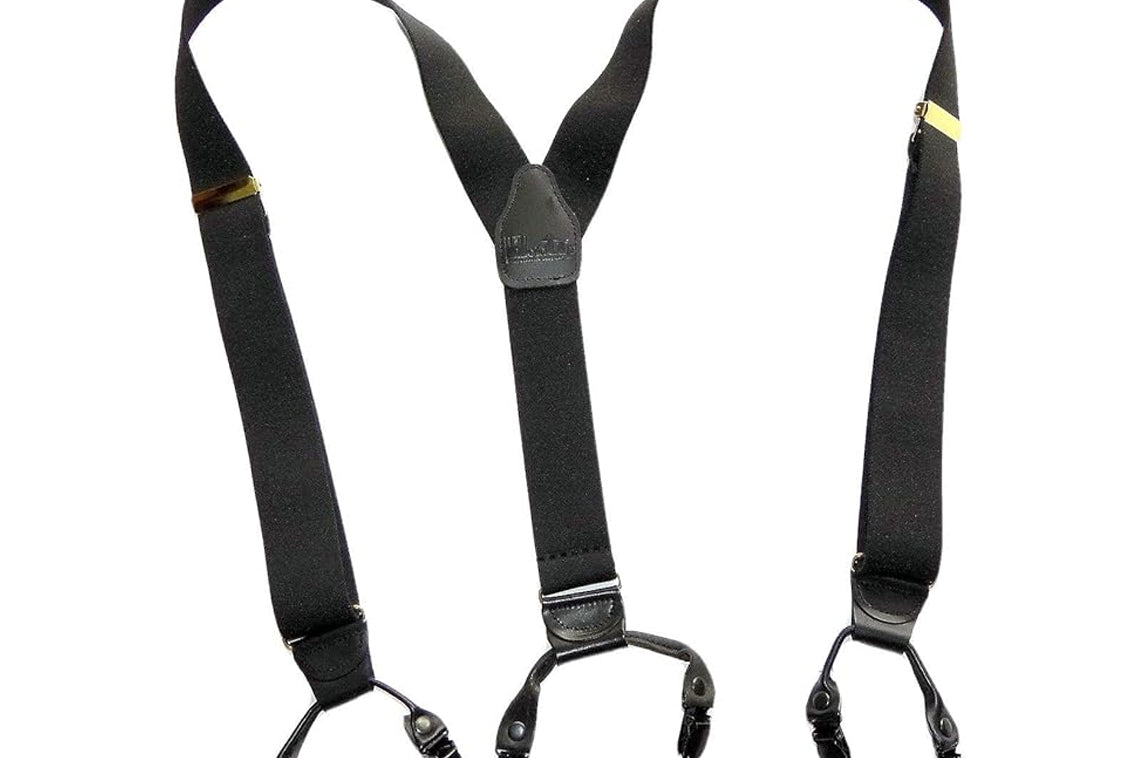
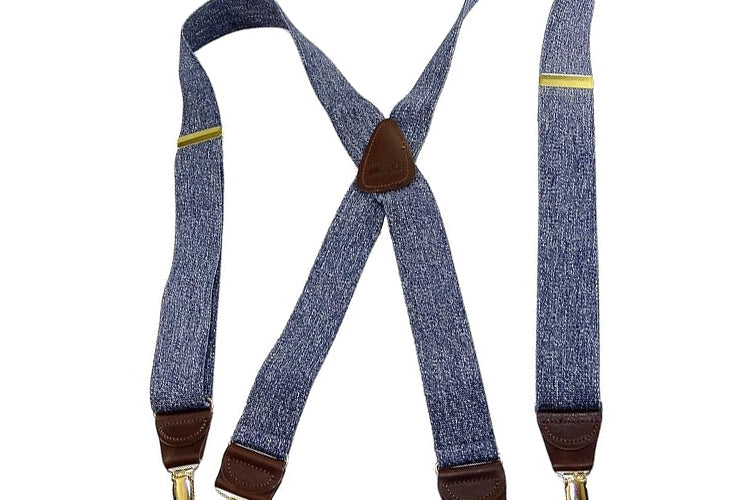
Women's suspenders designed specifically for maternity use feature wide, soft straps (typically 1.5–2 inches), hidden side-clip attachment points, and enough length to account for the bump's forward projection. The side-clip design means they're completely invisible under a loose shirt or dress, unlike traditional X-back or Y-back styles.
When comparing suspenders vs. belts for pant support, the mechanical advantage consistently favours suspenders for anyone whose waist-to-hip ratio has shifted significantly, which describes virtually every third-trimester body.

What Support Accessories Work Best in the Third Trimester?
Beyond waistband choice, secondary support accessories create the anchor points your pants need to stay in place. Here's how the main options compare:
Belly Bands work by adding a friction layer directly over the waistband. A quality belly band made from stretch-bonded fabric adds enough surface resistance to reduce minor sliding during slow-movement activities. They're easy to add and remove, washable, and available for $15–30. The limitation: they add a visible layer and can become hot and uncomfortable during long wear periods.
Maternity Support Belts are primarily designed for pelvic and lower back pain relief, but their wide band design also stabilizes the pants waistband underneath. A belt worn at hip level with adjustable Velcro provides both support and pant retention. These are particularly valuable if you're also experiencing SI joint discomfort or pelvic girdle pain, since you're solving two problems with one accessory.
Hidden Maternity Suspenders deliver the most reliable pant retention during active use and are the only option that works on mechanical rather than frictional principles. Hidden under-shirt support is invisible from outside and doesn't add bulk or heat. The trade-off is that putting them on takes slightly more time than slipping on a belly band.

For most women in the third trimester, the most effective combination is: an over-the-bump panel pant in a nylon-spandex blend + hidden side-clip maternity suspenders for active periods + belly band for low-activity periods when the warmth of suspenders isn't wanted.
How Should You Size Maternity Pants to Prevent Sliding?
Sizing errors are one of the most overlooked causes of pant sliding. Going too large is just as problematic as going too small — pants that are too loose have no foundation to grip, so even the best waistband will eventually slide.
Rule of thumb: Stay in your pre-pregnancy size through the second trimester. In the third trimester, size up only if your hip measurement at the widest point has increased by more than 1.5 inches from your pre-pregnancy measurement.
|
Pre-Pregnancy Size |
Standard Hip Range |
Size Up If Hip Exceeds |
|
XS |
31.5 – 34.5" |
36" |
|
S |
34.5 – 37.5" |
39" |
|
M |
37.5 – 40.5" |
42" |
|
L |
40.5 – 43.5" |
45" |
|
XL |
43.5 – 46.5" |
48" |
Measure your hips at the fullest point — typically 7–9 inches below the natural waist — rather than at the belly. The pants need to fit the hips to stay anchored; the over-bump panel accommodates the belly through stretch. Re-measure every four weeks in the third trimester. Hip measurements can increase significantly in the final six weeks, and pants that fit at 28 weeks may need supplementing with support accessories by 36 weeks.
For sizing consistency across maternity clothing and accessories, including suspenders designed for women's pants, the key principle is the same: measure the actual load-bearing part of the body, not the bump itself.
What Are Quick Fixes for Maternity Pants That Won't Stay Up?
When you can't immediately replace your pants or buy new accessories, these on-hand solutions buy time:
-
The Hair Tie Loop: Thread a hair tie through the buttonhole and loop both ends around the button or snap closure. This extends the waistband by 1–2 inches without a visible gap. Combined with a long top, it's invisible and surprisingly effective.
-
The Belly Band Trick: A repurposed compression bandeau worn over the top of the waistband creates surface friction and keeps the pants from moving. Even a tight athletic bandeau or wide fabric headband can serve this purpose temporarily.
-
Drawstring Conversion: A flat-head safety pin and 18 inches of elastic can create a basic drawstring through an existing waistband channel. This takes about 10 minutes but provides genuine tension adjustment.
-
Pant Extender Clips: Waistband extenders (available for $3–8 at most fabric stores) add 1–2.5 inches and include a button loop that resists downward movement better than a stretched waistband alone.
-
Layering with a Long Camisole: A fitted camisole tucked under the pants waistband adds friction between the fabric layers and your skin, slowing the slide significantly.
For wearing pants with suspenders during pregnancy, the key adjustment is that side-clip styles attach to the outer waistband, not to belt loops — which means they work on any pant style regardless of construction.
How Do You Maintain Maternity Pants to Preserve Their Fit?
Elastic degrades fastest under two conditions: heat and mechanical friction. Both are unavoidable in daily wear, but you can significantly extend waistband life by managing how you launder them.
Always wash maternity pants in cold water — below 30°C / 86°F. Hot water breaks down the spandex molecular structure, permanently reducing elasticity. Use a gentle or delicate cycle, which reduces friction against other garments. Air dry laid flat rather than hanging, which prevents gravity from stretching the wet waistband out of shape. If machine drying is necessary, use the lowest heat setting available. A single hot-dry cycle can reduce a spandex-blend waistband's elasticity by 10–15%, which compounds with each subsequent hot wash.
Spot-treat stains rather than running a full wash cycle whenever possible. Store maternity pants folded flat rather than hung — hanging a heavy pair puts constant low-level tension on the elastic over days and weeks, gradually widening and weakening it.
The same care principles apply to elastic vs. non-elastic options across maternity accessories: elastic components in any support garment last longer when kept away from heat and unnecessary mechanical stress.
Frequently Asked Questions
What is the fastest way to stop maternity pants from sliding down?
The fastest fix is clipping hidden side-clip maternity suspenders to the waistband of your pants and wearing them under a loose top. Unlike belly bands or waistband extenders, suspenders use mechanical upward force rather than friction — they physically prevent the pants from moving down. Setup takes under a minute once you're familiar with the clips.
Why do maternity pants slide down more in the third trimester than earlier?
The belly's forward projection increases significantly after week 28, creating a downward slope at the front of the waistband that gravity pulls against constantly. At the same time, increased sweating reduces the friction that normally keeps waistbands in place. The combination of worse geometry and less friction makes the third trimester the most challenging period for pant retention.
Is it safe to use suspenders during pregnancy?
Yes. Hidden maternity side-clip suspenders are specifically designed for pregnancy use. They clip to the waistband — not to any part of the body — and apply no pressure to the abdomen, belly, or pelvis. The shoulder straps distribute the weight of the pants evenly across the upper body. Many women find them more comfortable than belly bands because they create no abdominal compression.
Should I size up in maternity pants during the third trimester?
Not automatically. Size based on your hip measurement at the widest point, not your belly size. Sizing up unnecessarily creates a looser fit at the hip foundation, making pants more likely to slide, not less. Only size up if your hip measurement has exceeded the upper range for your current size.
What fabric keeps maternity pants up the best?
An 80% nylon / 20% spandex blend or a similar high-spandex compression-grade fabric offers the best combination of stretch, recovery, and moisture-wicking for pant retention. Cotton-spandex blends are more breathable but have lower recovery rates over repeated wear cycles, meaning they're more prone to permanent loosening with daily use.
Do belly bands actually prevent pant sliding or just cover the waistband gap?
Belly bands do both, but their effectiveness at preventing sliding is limited to low-intensity activity. They work by adding a friction layer over the existing waistband and covering any gap between the waistband and shirt hem. During active walking or repeated sit-to-stand movements, most belly bands shift position themselves and lose their grip on the pants underneath.
How do I stop maternity leggings from rolling down over my bump?
Leggings with an ultra-high rise (10 inches or taller from crotch to waistband) and a four-way stretch nylon-spandex blend are the most resistant to rolling. The fabric grip needs to exceed the downward pull of the belly's weight — standard yoga-fabric leggings rarely achieve this after 30 weeks. Adding a belly band over the leggings waistband is the quickest additional fix without replacing them.
What's the best strategy for keeping maternity pants up at work all day?
For an 8-hour workday that involves a mix of sitting, standing, and walking, the most effective combination is over-the-bump panel pants in a nylon-spandex blend (correctly sized to the hip) paired with hidden side-clip maternity suspenders. This combination requires no mid-day readjustment and remains invisible under standard office attire. A standalone belly band typically needs repositioning every 2–3 hours during a full workday.
Can maternity pants be altered at home to fit better in the third trimester?
Yes, with a few basic adjustments. Adding a drawstring through the waistband channel using a safety pin and elastic takes about 10 minutes and provides genuine tension control. Inserting a side panel of matching stretch fabric can add 1–2 inches of total circumference. For waistbands that have lost elasticity, replacing the internal elastic with fresh 1-inch non-roll waistband elastic restores most of the original hold. These modifications don't require sewing experience beyond basic straight seams.
Conclusion
Maternity pant sliding in the third trimester is a structural problem, not a fit problem — and it requires structural solutions. The core strategy is pairing the right waistband type (over-the-bump, tall panel, high-recovery fabric) with a mechanical support layer like hidden maternity suspenders that physically holds the pants in position. For most women, this combination eliminates the problem entirely regardless of activity level.
Secondary fixes — belly bands, drawstring conversions, sizing adjustments — all have their place, but they work best as supplements to the foundational approach rather than standalone solutions. Start with the right pants and the right secondary support, and you'll stop thinking about your waistband for the rest of your pregnancy.