

Ever wondered how to keep your clip-on attachments discreet when wearing a vest or waistcoat? It's all about the fit and placement. By ensuring your vest hugs your frame, you can avoid any unwanted movement or visibility.
Proper positioning of clips can make all the difference, providing a sleek, polished look. But there's more to it than just these basics, so let's explore some expert techniques to maintain that flawless appearance.
What Is the Structure of Vests and Waistcoats?
The structure of vests and waistcoats hinges on the thoughtful design of their front and back panels.
You're looking at front panels designed to shape the torso without adding bulk, thanks to medium weight interfacing that stabilizes the neckline and button areas. Horsehair canvas, with its blend of fibers, forms a supportive inner layer, secured with cross stitches, especially at dart tips. Tailored waistcoat option includes welt pockets and fully canvased front, adding to the formal appearance and utility of the garment.
On the back, lining fabrics like slippery acetate or Bemberg guarantee smooth wear under jackets. These fabrics don't need sleeve reinforcements, focusing instead on comfort and fit. Cotton celicia is traditionally used for internal structure, accommodating the lining's reduced stretch. The choice of lining, whether for formality or contrast, impacts both aesthetics and functionality.

What Are the Types of Clip-On Attachments and Their Uses?
Having grasped the structure of vests and waistcoats, you're ready to explore the world of clip-on attachments and their practical uses.
-
Traditional clips are a solid choice for inside-the-waistband (IWB) holsters, securing over your belt and supporting concealed carry.
-
Overhooks and J-hooks offer adjustable cant and retention, although they can add bulk.
-
Soft loops and FOMI clips provide a low-profile, concealable option, with easy interchangeability and secure fit on thicker belts.
-
For beltless scenarios, Ulticlip clamps onto clothing edges, offering formidable retention, while specialty clips like NeoMag Alias and magnetic options guarantee discretion.
-
Each attachment type serves distinct needs, guaranteeing your holster stays in place whether you're tucking a shirt or opting for gym shorts.
-
Vertical adjustment changes the holster's height on the waist, allowing for better comfort and concealment.
How Do You Choose the Right Vest or Waistcoat for Concealment?
Selecting the right vest or waistcoat for concealment can be crucial for maintaining discretion while carrying. Look for a snug fit that doesn't restrict movement yet is loose enough to prevent printing.
Consider the V2 Concealed Carry Soft Shell Vest, renowned for its quick readiness and discreet carry features. Test the length by raising your arms; verify it doesn't ride up, exposing your items. Prioritize zippers or snaps over buttons for quick access. Adjustment straps on the shoulders and waist are essential for a secure fit.
Consider vests with dual covert CCW chest pockets and multiple zippered compartments to conceal firearms and accessories without printing. Material matters,choose lightweight, durable fabrics like TACLITE ripstop or Flex-Tac canvas.
Opt for options that mimic everyday clothing, maintaining a stylish, inconspicuous appearance. This guarantees practicality, durability, and effective concealment.
What Are the Best Techniques for Concealing Clip-On Attachments?
When it comes to concealing clip-on attachments, strategic placement and selection of clips are key to maintaining a discreet profile. Appendix carry or high waistband positioning helps minimize printing. Align clip tops with the pant pocket's horizontal line for ideal concealment. Aim to position clips between your centerline and hip point for the flattest profile.
Avoid belt loop interference by placing attachments just outside vertical lines, ensuring a smooth appearance. Concealed carry emphasizes discretion over visible deterrence, so adopting a mindset focused on blending in is essential. Tuckable clip techniques allow you to slide your shirt between the holster and clips for a seamless look.
Using multiple belt clips enhances stability under tucked shirts. Choose low-profile clips like the monoblock or J clip, which offer discretion and comfort. Looser shirts and jackets can further help maintain your cover.
What Are the Practical Tips for Maintaining a Sleek Appearance?

Building on the art of concealment, maintaining a sleek appearance while hiding clip-on attachments requires thoughtful styling choices.
-
Start by selecting vests or waistcoats that fit snugly without being too tight. This prevents bulging and maintains your streamlined look. Choose thicker fabrics like wool or tweed; they're excellent for concealing outlines of attachments.
-
Consider using concealable body armor under your clothing, as it allows for blending in and provides an additional layer of protection without being visible.
-
Opt for snug-fitting vests in thicker fabrics like wool or tweed to conceal attachments.
-
Layer smartly by wearing a well-fitted shirt underneath, as it provides a smooth base without adding bulk. Pay attention to color and pattern; darker tones or pinstripes can visually minimize printing.
-
Regularly check your appearance in the mirror to verify everything stays in place. Finally, practice mindful movements to avoid shifting your attachments, keeping your look polished throughout the day.
What Common Mistakes Should You Avoid When Hiding Attachments?
Why do so many people struggle with hiding clip-on attachments effectively? The main issue is incorrect attachment methods. Loosely threaded MOLLE straps lead to instability, and mismatched installations cause uneven holds.
Avoid using outdated ALICE clips, as they rust and become insecure over time. Positioning is vital; placing items on visible panels or overloading one side affects balance and accessibility.Inadequate fit adjustments, such as a too-loose or too-tight cummerbund, hinder comfort and movement. Snagging risks arise from poor clip design and placement.
Confirm holsters are slim to prevent printing through the vest. Finally, avoid substandard equipment. Cheap holsters, incompatible clips, and ignoring installation space lead to improper fits and compromised security.Make informed choices for ideal concealment.
Frequently Asked Questions
Can Clip-On Attachments Affect the Longevity of a Vest or Waistcoat?
Yes, clip-on attachments can impact a vest's longevity. Their weight and movement may stress fabric and seams, leading to wear. Use reinforced areas for attachments, and regularly check for damage to maintain your vest's durability. The constant tension from clips can stretch fabric fibers over time, particularly with lightweight materials. Choose vests constructed with reinforced stitching at stress points, and consider rotating between multiple vests if you wear attachments daily to distribute wear evenly and extend the lifespan of each garment.
How Do Clip-On Attachments Impact the Comfort Level of a Vest?
Clip-on attachments can affect vest comfort by adding bulk or altering fit. Make certain they're positioned to avoid pressure points. Choose breathable materials and adjustable features to maintain comfort. User feedback often highlights ease and minimal discomfort. Properly positioned clips distribute weight evenly, preventing localized pressure that can cause discomfort during extended wear. Low-profile clips minimize bulk and reduce the feeling of hardware against your body. Ensure clips don't dig into your waistband or create friction points that could cause irritation throughout the day.
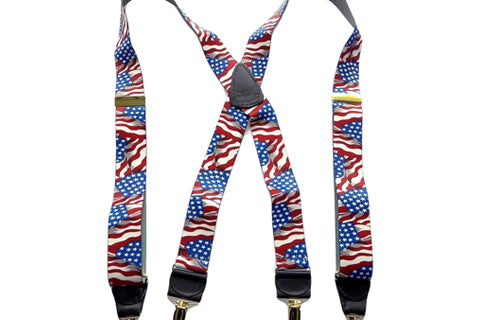
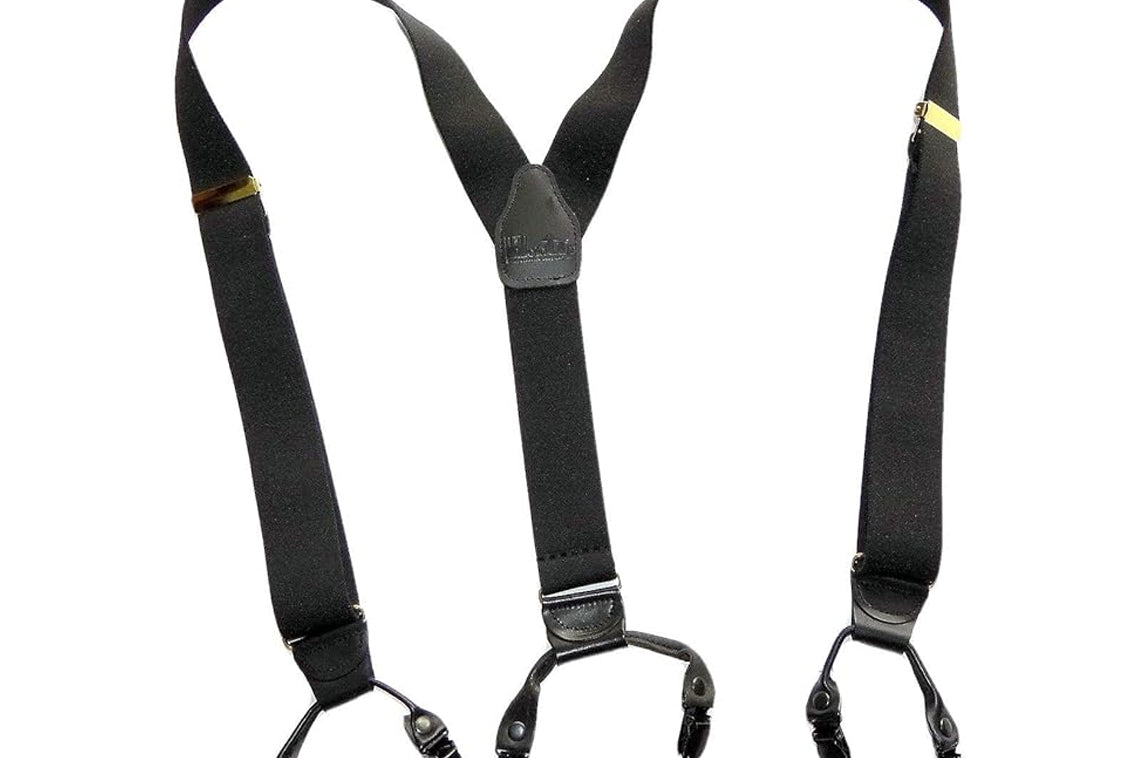
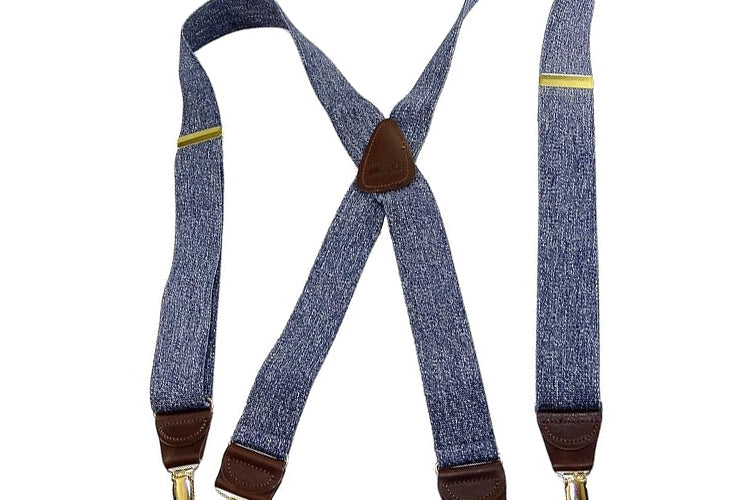
Do Button Suspenders Work Better Than Clip-Ons Under Vests?
Button suspenders often provide superior concealment under vests compared to clip-ons because they eliminate the bulk of metal or plastic clips entirely. The flat button attachment creates no visible lines or printing through vest fabric. Button suspenders also stay more securely in place without the risk of clips shifting or detaching. However, they require pants with suspender buttons installed, which involves sewing. For formal occasions and optimal concealment, button suspenders offer clear advantages over clip-on styles when worn with vests or waistcoats.
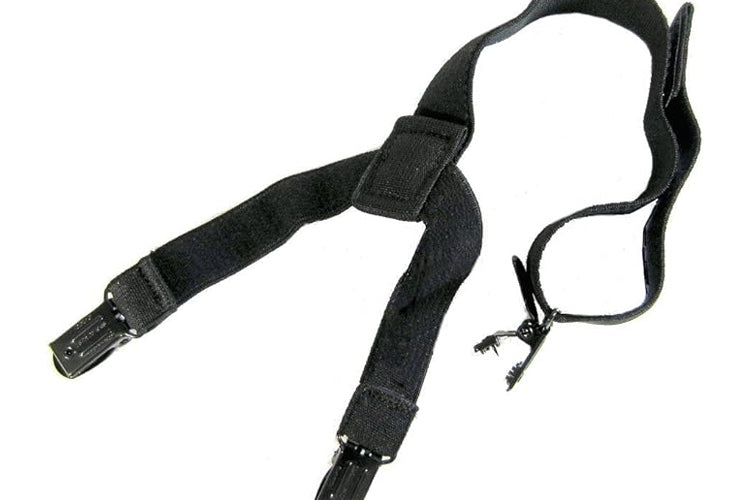
What Vest Length Works Best for Hiding Suspender Clips?
The ideal vest length for hiding suspender clips extends at least 1-2 inches below your natural waistline. This ensures complete coverage of both front and back clips when standing, sitting, or reaching. For formal occasions, vests should sit at or just below the belt line. Longer vests (ending mid-hip) provide maximum concealment but may look less traditional. Test vest length by raising your arms overhead,the vest should remain long enough to cover clips without riding up. For tuxedo wear, proper proportions are especially important.
Should Suspenders Be Adjusted Differently When Wearing a Vest?
Yes, suspenders should typically be adjusted slightly shorter when wearing a vest to prevent excess fabric bunching between the vest and your shirt. The vest adds a layer that can push suspenders away from your body, so a snug adjustment maintains smooth lines. Ensure straps lie flat against your shoulders without creating visible ridges through the vest fabric. Position clips precisely to align with vest coverage, slightly higher placement may work better to keep clips hidden. Test the adjustment by moving through your full range of motion to confirm clips remain concealed.
What Colors of Suspenders Work Best Under Dark Vests?
Under dark vests (black, charcoal, navy), choose suspenders in matching or similarly dark tones to minimize visibility if they peek out. Black suspenders are universally safe, blending seamlessly with most dark vests. Navy works well under navy or charcoal vests, while dark gray offers versatility across multiple vest colors. If your vest fits properly and completely conceals suspenders, you have more color flexibility even lighter suspenders won't show. However, for maximum discretion and to prevent any accidental visibility, stick with colors that match your trouser or vest shade rather than contrasting brightly with your overall outfit palette. Formal styling typically demands this level of color coordination.
Conclusion
In conclusion, hiding clip-on attachments behind a vest or waistcoat is all about choosing the right garment and positioning the clips smartly. Guarantee a snug fit to prevent movement, and place clips between the centerline and hip point for a smooth profile. Avoid belt loop interference and check regularly for stability. By following these steps, you'll maintain a sleek and discreet appearance, avoiding common mistakes and guaranteeing your setup remains secure and comfortable.