

Somewhere around the second trimester, most pregnant women hit the same wall. Pants that fit perfectly a few weeks ago suddenly won't button, or they button but dig in the moment you sit down. The instinct is to rush out and buy a full wardrobe of maternity wear, but that gets expensive fast, especially if you only need a few more weeks or months out of your current pants, or you're the kind of person who prefers to wear out what you already own before replacing it.
There's also a practical side to this that doesn't get talked about enough. Maternity pants, especially good ones, aren't cheap, and buying a full rotation of work pants, jeans, and casual pants in a maternity cut can add up to a real expense for something you'll only wear for a matter of months. Plenty of women would rather spend that money on baby gear, or simply don't want to shop for an entirely new wardrobe twice, once for pregnancy and again afterward.
Suspenders offer a simple, practical way to stretch the life of your non-maternity pants. Instead of relying on a waistband to hold everything up, suspenders shift that job to your shoulders, which means the waistband can stay open, loose, or unbuttoned entirely while the pants still stay in place. It's a small adjustment with a fairly large payoff, and for anyone comparing it against other suspenders for women's pants approaches, it's worth understanding how differently this style works before choosing what fits your wardrobe best.
Why This Problem Happens During Pregnancy
As your belly grows, your waistline changes shape faster than most wardrobes can keep up with. Even before you're visibly "showing," bloating and early uterine growth can make waistbands feel snug. By the second trimester, many women find that pants that used to fit through the hips and thighs no longer close comfortably at the waist, even though the rest of the pant still fits fine.
This is a normal part of pregnancy, not a sign that anything is wrong. The body is simply making room, and clothing built for a straight waistline just isn't designed to expand with it. What makes this especially frustrating is that it's rarely a gradual, predictable change. Many women describe going from "still fits fine" to "can't button these anymore" within the space of a week or two, which doesn't leave much time to plan a wardrobe transition.
It Often Happens Unevenly
One detail that catches a lot of women off guard is how unevenly this fitting problem shows up. A pair of pants might still fit comfortably through the hips and thighs while the waistband alone becomes unwearable. That's frustrating because it means the pants themselves aren't actually too small, just the one specific measurement that a normal waistband depends on. This is exactly the kind of situation where suspenders make the most sense, since they solve the one part of the fit problem without requiring you to replace the whole garment.
Why Traditional Waistband Support Can Feel Uncomfortable

The usual fixes, a hair-tie looped through the buttonhole, a belly band, or a maternity belt, all still rely on something pressing against or around the belly. For some women that's fine. For others, especially as the belly grows, anything that sits tightly around the middle can feel restrictive by the end of the day.
Maternity belts in particular are designed to support the belly from below, which is helpful for some people, but they don't solve the specific problem of a waistband that no longer closes. Mayo Clinic notes that many pregnant people manage general pregnancy discomfort through posture adjustments and supportive gear rather than anything tight around the middle, which is the same logic behind choosing shoulder support over a waistband.
There's also the matter of visible bulk. A belly band worn under a fitted top can create an extra layer that shows through clothing, which some women would simply rather avoid, particularly for work or more polished outfits. Hair-tie extenders solve the button problem but do nothing for pants that gap open at the waist or slide down when the elastic isn't providing enough tension on its own.
How Suspenders Can Help Support Pants Differently
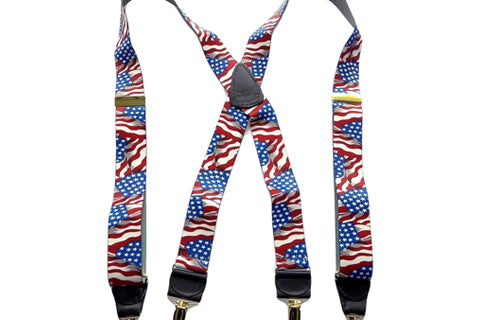
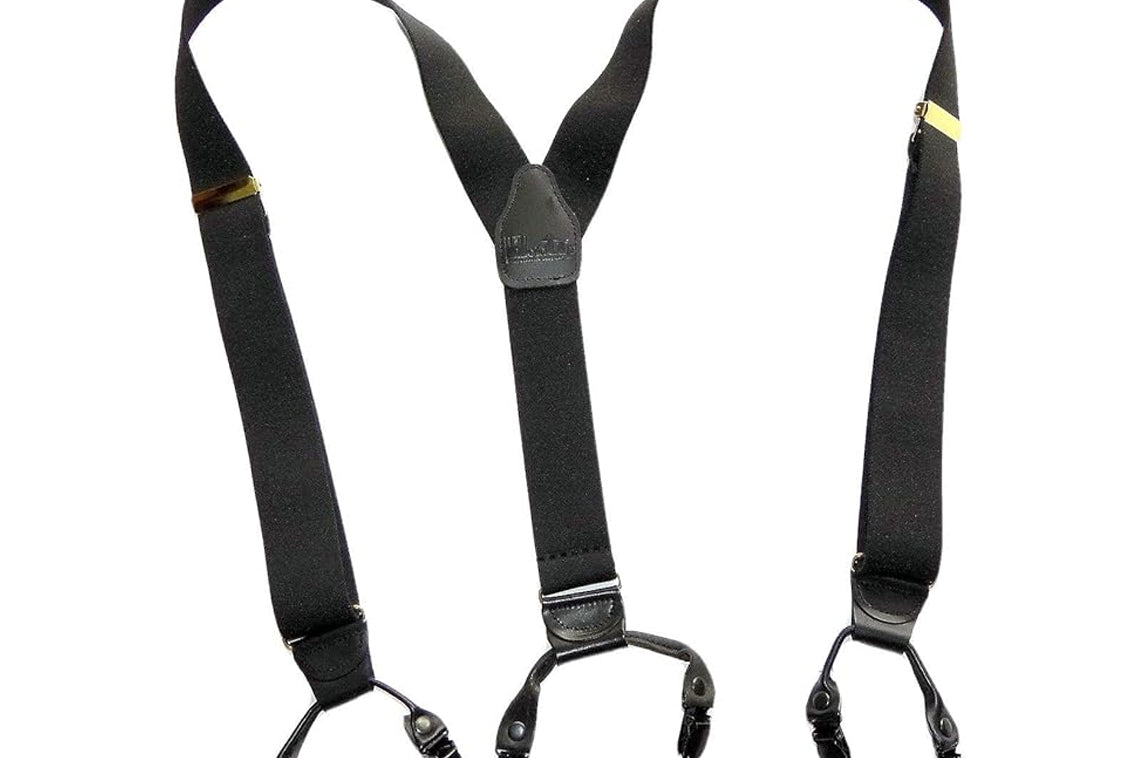
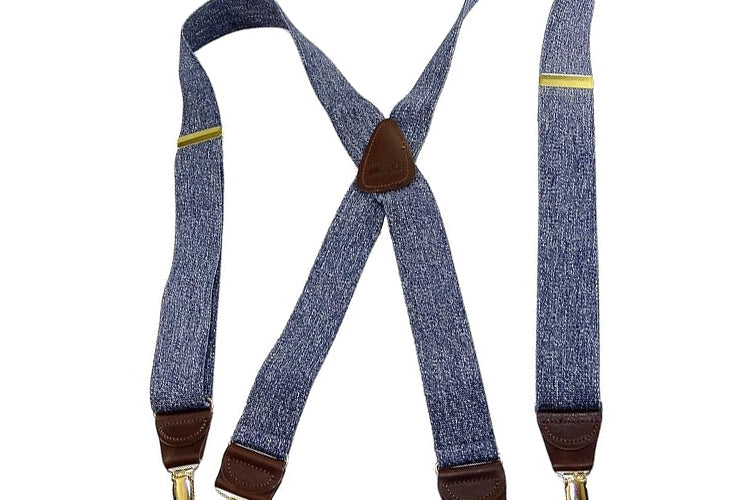
Suspenders work on a completely different principle. Rather than gripping the waist, they clip onto the waistband at the hips or front and back, then run up over the shoulders. The weight of the pants is carried by the shoulders instead of the waist, so the waistband itself doesn't need to be tight, or even fastened, for the pants to stay put.
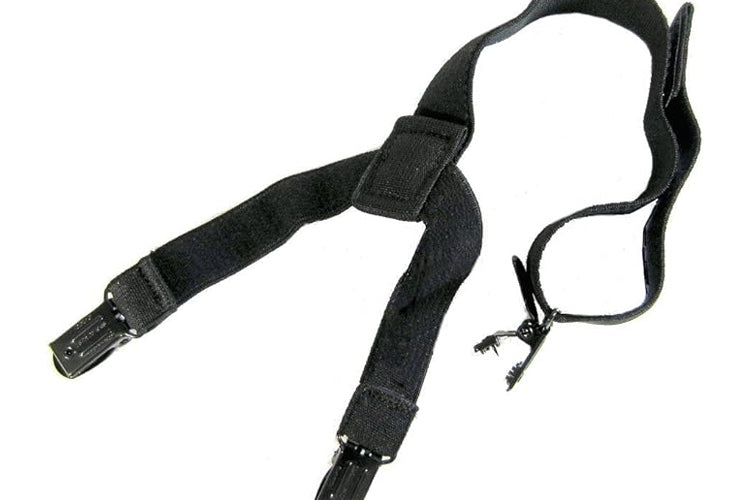
For pregnancy specifically, this means you can leave the top button undone, wear the pants slightly lower, or even use a pant extender alongside the suspenders, and the suspenders will still keep everything level and in place. The maternity suspenders with gripper clasps are built specifically for this kind of use, with soft, adjustable straps and clips designed for hip-clip attachment rather than the traditional male X-back style.
Why the Shoulder Support Approach Works So Well
The reason this approach works better than most quick fixes is that it addresses the actual mechanics of the problem rather than trying to compensate for it. A waistband that no longer fits is being asked to do a job it physically can't do anymore, hold the weight of the pants against a shape it wasn't built for. Suspenders remove that job from the waistband entirely, so there's no tension, no gapping, and no sliding, regardless of whether the button is fastened, loosened, or left open with an extender.
This is also why suspenders tend to work for a wider range of pants than most other fixes. A hair-tie extender only helps with the button. A belly band only helps if the belly itself needs support. Suspenders work with almost any pant style, since the mechanism, clipping to fabric and lifting from the shoulders, doesn't depend on the specific way the waistband is constructed.
Best Clothing Situations Where Suspenders May Help
Work trousers. Office and professional pants often have limited stretch and a more structured waistband, which means they tend to stop fitting earlier than casual clothing. Suspenders let you keep wearing tailored trousers a while longer without the waist digging in or gapping open under a blazer.
Jeans you're not ready to retire. A lot of women want to hold onto their favorite jeans for as long as possible before switching to maternity denim. Suspenders make that more realistic, since the jeans can be worn unbuttoned or with the top button simply left open, while the suspenders keep everything from sliding down. This works especially well when paired with a longer top, similar to the layering ideas covered in this guide on how to style suspenders over a blouse for women.
Looser, everyday pants. Even pants with a relatively loose fit can start slipping down without a proper waistband to hold them in place, especially once a growing belly changes how the fabric sits. Suspenders solve this without needing to size up or buy anything new.
Pants worn with a fabric extender. Button and zipper extenders are a popular, low-cost fix, but they don't do anything to stop the rest of the waistband from gapping or sliding. Pairing an extender with suspenders solves both problems at once.
How to Choose the Right Suspenders During Pregnancy
A few features matter more than others when you're shopping for pregnancy-friendly suspenders:
Adjustable straps. Your torso length and belly size will change from week to week, so straps that adjust easily are far more useful than a fixed-length style. Look for a design that lets you lengthen the straps significantly as your pregnancy progresses, rather than one built for a single, fixed measurement.
Soft, comfortable clips. Look for gripper-style clasps rather than stiff metal clips, since these tend to sit more gently against fabric and skin, and are less likely to leave marks or snag delicate maternity fabrics.

Discreet, hidden design. Many women prefer hidden side-clip maternity suspenders that stay tucked under a shirt or top rather than visible over clothing, which makes them easy to wear to work or in more formal settings without anyone noticing.
Proper fit at the hips. Since these clip lower than a traditional shoulder-to-waist suspender, make sure the style is designed with pregnancy or plus-size fit in mind rather than a standard men's cut, which is generally built for a straighter torso and a fixed waist measurement.
If you're comparing suspenders to other waistband solutions, this breakdown of suspenders vs adjustable waistband pants for comfort covers the tradeoffs in more detail, including situations where an adjustable-waistband pant might actually be the simpler option. For a broader look at how women's suspenders differ from the standard men's version in fit and design, this guide to women's suspenders and how to find the right fit and style is worth reading before you buy.
Suspenders Compared to Other Common Fixes
It helps to see these options side by side, since each one solves a slightly different part of the problem.
A hair-tie or button extender is inexpensive and easy to find, but it only addresses the button itself. It doesn't stop the rest of the waistband from gapping, and it does nothing if the pants are slipping down rather than just failing to button.
A belly band wraps around the midsection and can hold a loosened or unbuttoned waistband roughly in place, but it adds a layer of fabric around the belly, which some women find too warm or too restrictive for all-day wear, particularly in the summer months.
A maternity belt is built to support the weight of the belly itself, which is a different job than holding up pants. It can be genuinely helpful for back or pelvic discomfort, but it isn't really designed to solve a waistband problem on its own.
Suspenders solve the waistband problem directly, without adding anything around the belly or relying on the button working at all. They're not a substitute for a maternity belt if belly support is what you actually need, but for the specific issue of pants slipping or gapping at the waist, they tend to be the most direct fix.
Practical Tips for Wearing Them Comfortably

Start with pants that are already a little looser through the waist rather than ones that are painfully tight, since suspenders work best when they're lifting rather than fighting the fabric.
Adjust the straps gradually over a few minutes rather than cranking them tight right away. You want just enough tension to keep the pants level, not so much that they pull uncomfortably on your shoulders.
Avoid pulling the pants up higher than they're supposed to sit. The goal is to keep them at their normal rise, just without the waistband doing the holding.
Pair suspenders with soft, non-bulky tops, since anything too thick can make the clips harder to attach smoothly, and thinner fabrics tend to let the straps sit flatter and more comfortably underneath.
Test comfort while sitting, walking, and standing before committing to wearing them all day, since your comfort with strap placement may shift depending on your posture, and it's much easier to adjust at home than partway through a work meeting.
Reassess the fit every couple of weeks. What feels right at fourteen weeks may need a completely different adjustment by twenty-eight weeks, so treat the straps as something you'll revisit regularly rather than set once and forget.
When to Consider Other Support Options
Suspenders are a practical option for keeping non-maternity pants wearable a little longer, but they're not the only tool available. Maternity leggings with a soft, over-the-belly panel, belly bands, and adjustable-waistband maternity pants are all worth considering, especially as your belly grows larger and a waistband-free approach becomes less practical. Many women end up combining a few approaches depending on the day, the outfit, or how far along they are.
It's also worth thinking about your specific wardrobe needs rather than assuming one approach has to work for everything. Suspenders might be the right call for work trousers and jeans, while a dedicated pair of maternity leggings makes more sense for casual, comfort-first days at home. There's no requirement to pick a single solution and stick with it for the rest of the pregnancy.
Final Thoughts
Wearing your regular pants a few more weeks or months into pregnancy doesn't have to mean fighting with a waistband that no longer fits. Suspenders offer a simple, adjustable way to keep pants in place by shifting the support to your shoulders instead. They're not a medical solution and won't ease every pregnancy discomfort, but for many women they're a comfortable, practical bridge between regular clothes and maternity wear, and a genuinely useful way to get more life out of a wardrobe you already own and like wearing.
FAQs
Can suspenders really replace a maternity belt?
Not exactly. Suspenders hold pants up by supporting them from the shoulders, while maternity belts are designed to support the belly itself. Some women use suspenders and a belly band together depending on what they need that day.
Will suspenders work if my pants don't button at all anymore?
Suspenders can still hold pants in place even if the waistband is left completely open or replaced with a fabric extender, since the clips attach to the fabric itself rather than relying on the button or zipper.
Are maternity suspenders different from regular suspenders?
Yes. Maternity-style suspenders typically use hip-clip or side-clip attachments rather than the traditional back-and-shoulder X style, and they're made with softer, more adjustable straps to accommodate a changing body shape.
Can I wear suspenders under my shirt so they're not visible?
Many maternity suspenders are designed to be worn hidden under a top, with the straps sitting flat against the body rather than over outer clothing.
Is it safe to wear suspenders throughout pregnancy?
Suspenders are a clothing accessory, not a medical device, so there's generally no restriction on wearing them. If you have any specific pregnancy-related pain or discomfort, it's worth checking with your healthcare provider about what kind of support is right for you.
Do suspenders help with back pain too?
Suspenders aren't designed to treat back pain, but by removing the need for a tight waistband, some women find their overall posture and pant fit feels more comfortable throughout the day.