
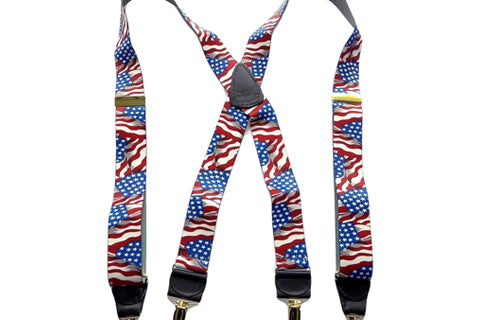
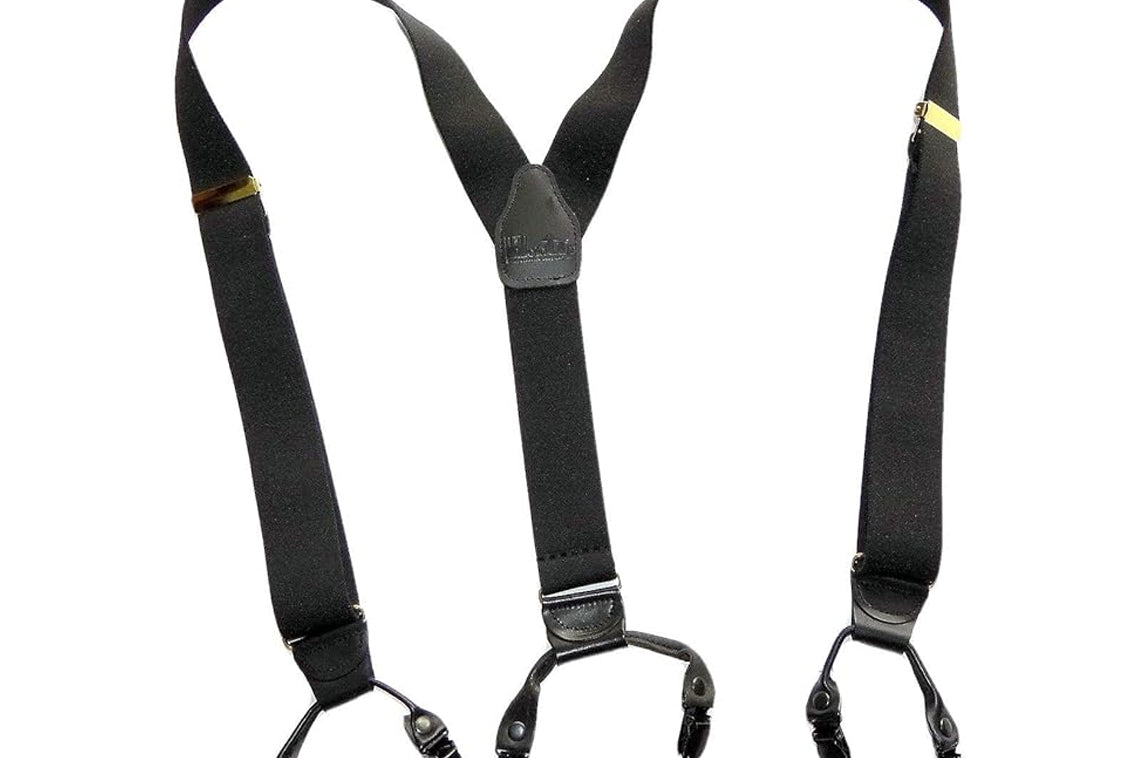
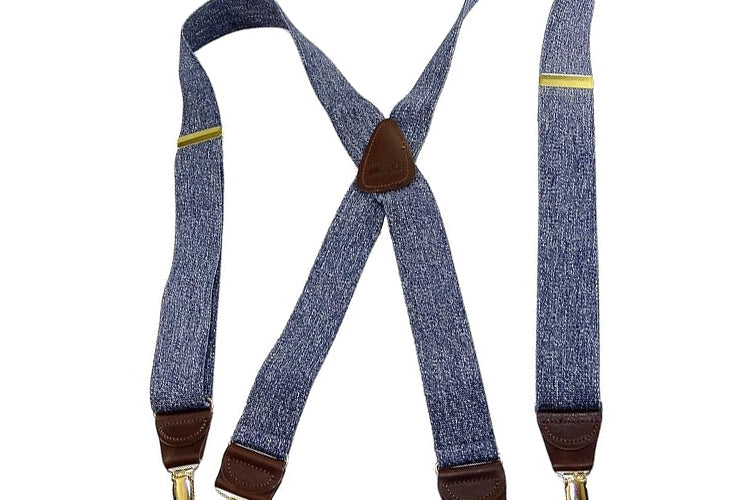
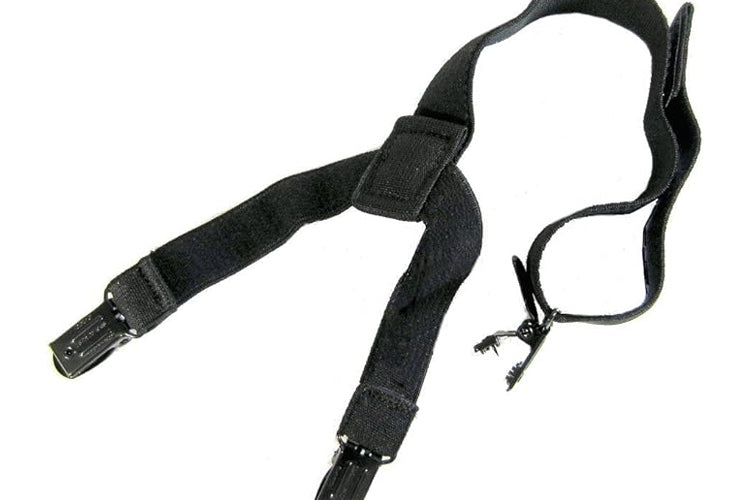

Suspenders and compression shirts both influence posture, but they work through entirely different mechanisms. Compression shirts apply direct, constant pressure to the torso and shoulders to physically pull them into a corrected position, while suspenders provide proprioceptive feedback that encourages the wearer to actively correct his own posture without any sustained compression. For most people, suspenders offer a more sustainable long-term approach, while compression shirts provide more immediate, passive correction that some find more noticeable in the short term.
Posture support products generally fall into two camps: those that physically hold the body in a corrected position and those that prompt the body to correct itself. Compression shirts and posture-correcting undergarments are firmly in the first camp. Suspenders, despite not being marketed as a posture product at all, function in the second camp almost by accident of their original design. Comparing the two directly clarifies which approach suits different people, different goals, and different daily contexts.
How Compression Shirts Work for Posture
Compression shirts designed for posture support use strategically placed panels of tighter, less elastic fabric across the upper back and shoulders. These panels apply continuous tension that pulls the shoulders backward and downward into a more neutral position, counteracting the forward-rounded posture that develops from prolonged desk work, screen use, or simply habitual slouching.

The mechanism is mechanical and direct. The shirt is physically holding the shoulders in a corrected position through fabric tension, similar in principle to a posture brace but distributed across a wearable garment rather than a dedicated medical device. This produces an immediate, noticeable effect: putting on a well-designed compression shirt visibly pulls the shoulders back the moment it is worn, which many users find satisfying and immediately validating.
The limitation of this approach is that the correction is passive rather than active. The muscles responsible for maintaining good posture, the rhomboids, the lower trapezius, the deep postural stabilizers along the spine, are not required to engage and strengthen because the shirt is doing the structural work instead. Some physical therapists raise the concern that consistent reliance on passive compression support can lead to a degree of muscular deconditioning over time, since the muscles that should be maintaining posture independently are relieved of that responsibility whenever the shirt is worn.
How Suspenders Influence Posture by Comparison
Suspenders were never designed as a posture product, which makes their postural effect an interesting case study in how clothing function can produce health side effects that were not part of the original design intent.
Suspenders carry the trouser's weight from the shoulders rather than the waist, which removes waist compression and its contribution to anterior pelvic tilt, a postural problem distinct from the upper-body rounding that compression shirts target. But the more relevant comparison to compression shirts is the proprioceptive feedback mechanism suspenders create at the shoulder.
When a person wearing suspenders begins to slouch or round the shoulders forward, the straps shift position on the shoulders in a way that is immediately perceptible. This sensory feedback prompts a conscious or semi-conscious correction: the wearer straightens up because the change in strap position is noticeable, not because the suspenders are physically pulling the shoulders into position. This is an active correction mechanism rather than a passive one. The postural muscles are doing the actual work of correcting position; the suspenders are simply providing the cue that correction is needed.
The guide on the art of wearing suspenders covers this functional aspect of suspenders alongside their styling considerations, and the postural feedback mechanism is one of the more underappreciated practical benefits of the garment beyond its primary trouser-support function.
Comparing the Two Mechanisms Directly
The fundamental difference between these two approaches is whether the postural correction is passive or active, and this distinction has implications for both immediate effect and long-term outcome.

Compression shirts produce an immediate, visible postural change because the fabric tension is physically repositioning the shoulders. This makes them appealing for situations where an instant postural improvement matters, such as before a presentation, a formal photograph, or any single occasion where looking immediately more upright is the priority. The correction does not require any effort from the wearer beyond putting the shirt on.
Suspenders produce a more gradual postural improvement because the correction depends on the wearer responding to the feedback the straps provide. This requires some degree of active participation, however minimal, and the improvement compounds over repeated wear as the postural habit becomes more ingrained through the consistent feedback loop. This is a slower process than the immediate effect of a compression shirt, but it engages the postural muscles directly rather than working around them.
| Factor | Compression Shirt | Suspenders |
|---|---|---|
| Mechanism | Passive physical repositioning | Active feedback prompting self-correction |
| Speed of visible effect | Immediate | Gradual, builds over repeated wear |
| Muscle engagement | Minimal, muscles are relieved of the work | Required, muscles do the actual correcting |
| Target area | Upper back and shoulder rounding | Shoulder feedback plus waist compression removal |
| Daily wearability | Worn as an undergarment, less versatile | Worn as a visible or hidden accessory, highly versatile |
| Long-term postural training | Limited without complementary exercise | Builds active postural habit over time |
Which Approach Is Better for Long-Term Postural Change
For anyone whose goal is genuinely improving posture over months and years rather than achieving an immediate cosmetic correction, the case for an active feedback mechanism over passive compression is generally stronger, though the two are not mutually exclusive.
The concern with relying exclusively on passive compression support long-term is that the postural muscles never have to do the work of holding the body upright because the garment is doing it for them. Removing the compression shirt after months of exclusive reliance can sometimes reveal that the underlying postural habit and muscular strength have not actually improved, since the corrective work was always being outsourced to the garment rather than built into the body.
Suspenders avoid this dependency risk because they never physically force a position. The wearer's own muscles are doing all of the actual correcting; the suspenders are simply making the wearer aware that correction is needed at a given moment. Over time, this builds a more durable postural habit because the muscular engagement required to respond to the feedback is the same engagement required to maintain good posture without any garment at all. The guide on how do suspenders improve posture for desk workers covers this active mechanism in the specific context of extended sitting, where the postural stakes are highest for most people.
Comfort and Practicality Differences
Beyond the mechanism itself, practical wearability differs significantly between the two options, and this affects how consistently each can realistically be worn throughout a typical day.
Compression shirts are worn as an undergarment, against the skin, which means they need to be put on and removed separately from the rest of the outfit and washed regularly as a base layer would be. The compression itself, while moderate in well-designed products, is a constant low-level tension across the back and shoulders for the entire duration of wear, which some people find genuinely uncomfortable over many hours, particularly in warm conditions where the added layer and the compression both increase perceived heat.
Suspenders are worn over a shirt as a visible or jacket-concealed accessory, integrate naturally into a normal outfit, and apply no sustained compression anywhere on the body. The comfort profile is fundamentally different: rather than constant pressure that the body adapts to or tolerates, suspenders apply essentially no pressure at rest and only provide feedback at the specific moments when posture begins to drift. The guide on why suspenders are better than belts covers the broader comfort case for suspenders as daily wear, much of which applies to the comparison with compression garments as well, since both belts and compression shirts rely on sustained pressure to function.
Situations Where a Compression Shirt Makes More Sense
Despite the case for suspenders as a more sustainable long-term solution, compression shirts have legitimate use cases where they outperform suspenders for the specific goal at hand.
For acute, short-duration situations where an immediate postural correction matters more than building a long-term habit, a single important meeting, a wedding, a photograph session, the immediate physical correction a compression shirt provides may be exactly what is needed. There is no equivalent immediate effect from suspenders, since their benefit depends on the wearer responding to feedback over time rather than being instantly repositioned.
For people recovering from a specific injury or working under direct guidance from a physical therapist who has recommended compression support as part of a structured rehabilitation plan, a compression garment serves a clinical purpose that suspenders are not designed to replicate. In these cases, the compression shirt and a longer-term suspender habit are not competing solutions but can be used for different purposes within the same overall recovery or postural improvement plan.
For situations requiring complete invisibility under very fitted clothing where even a discreet suspender strap would create a visible line, a compression shirt's full-torso fit avoids any visible profile that an external accessory might create, even a hidden one beneath a jacket.
Combining Both for a Comprehensive Approach
For people who want both the immediate effect of passive support and the long-term habit-building benefit of active feedback, the two approaches are not mutually exclusive and can be used together depending on the day's specific needs.
Wearing a compression shirt occasionally for high-stakes situations where immediate postural presentation matters, while wearing suspenders as the default daily approach for ordinary working days, captures the strengths of both without relying exclusively on either. This combined approach also avoids the muscular deconditioning risk of exclusive long-term compression reliance, since the suspenders are doing the bulk of daily postural work through active engagement on most days, with the compression shirt reserved for occasions where its immediate effect is specifically valuable.
For anyone choosing suspenders as part of this combined approach, getting the fit correct matters considerably for the feedback mechanism to function properly. The guide on how to stop suspenders from digging into shoulders addresses the adjustment needed to ensure the straps provide useful feedback without becoming a source of discomfort themselves, which would undermine the comfort advantage that makes suspenders a sustainable daily choice in the first place.
Frequently Asked Questions
Do compression shirts actually fix posture or just temporarily hide bad posture
Compression shirts physically reposition the shoulders while worn, which produces a genuinely improved posture for the duration of wear, but the underlying muscular strength and habitual posture pattern are not necessarily changed by wearing the shirt alone. Once removed, the postural improvement does not persist unless the wearer has also engaged in postural strengthening exercises alongside using the shirt. This is why many physical therapists recommend compression shirts as a complement to active exercise rather than a standalone long-term solution.
Can suspenders cause shoulder pain the way some compression shirts do
Suspenders should not cause shoulder pain when correctly fitted, since they apply no sustained pressure at rest. If straps are digging into the shoulders, the most common causes are straps that are too narrow for the trouser weight being carried or strap tension that has been set too tight. Widening the strap and adjusting the tension correctly typically resolves this, whereas compression shirt discomfort is often inherent to the level of fabric tension required for the garment to function as designed and is less adjustable.
Which is better for someone with rounded shoulders from desk work
Suspenders offer a more sustainable long-term approach for desk workers because the feedback mechanism encourages active postural correction throughout the working day without relying on sustained compression that the postural muscles do not have to work against. A compression shirt can provide a useful, more immediate sense of correction for someone just beginning to address the problem, but combining either approach with deliberate desk ergonomics, screen positioning, and regular movement breaks produces a stronger result than relying on either garment alone.
Are suspenders or compression shirts better for someone with back pain
This depends on the source of the back pain. If the discomfort is related to waist compression from a belt or tight waistband, suspenders directly address that mechanism by removing waist-level pressure entirely, which a compression shirt does not address since it targets the upper back and shoulders rather than the waist. If the back pain is specifically related to upper back and shoulder rounding, a compression shirt may provide more direct, immediate relief of that specific postural pattern, though a person experiencing persistent back pain should consult a medical professional rather than relying solely on either garment for treatment.
Can I wear suspenders and a compression shirt at the same time
Yes, there is no functional conflict between wearing both simultaneously, since they operate through different mechanisms and target different aspects of posture and trouser support. A compression shirt worn as a base layer with suspenders worn over a shirt and under a jacket for trouser support addresses both the upper back compression correction and the waist-pressure-free trouser support at the same time, though most people find that wearing both together is unnecessary for typical daily use and reserve this combination for situations specifically calling for maximum postural support.