

When it comes to professional attire, suspenders remain one of the most distinguished accessories a man can wear. Far from being a relic of the past, suspenders have seen a notable resurgence in modern business fashion. Sales of men's suspenders increased by 8.6% in professional clothing stores between 2023 and 2025, and approximately 18.7% of professional men now incorporate them into their office wardrobe. Whether you're aiming for a sharp business formal look or polished business casual attire, understanding how professional men wear suspenders can transform your everyday outfits into something genuinely refined.
This guide covers everything from choosing the right pair and coordinating colors to styling suspenders with suits, ties, and accessories. You will also find answers to the most common questions men have about suspenders vs. belts, proper fit, and care for your investment pieces.
History of Suspenders in Men's Fashion
Suspenders, originally known as braces, have a rich history dating back to the 18th century. Their inception is tied to military origins: soldiers needed a practical way to keep their trousers in place during battle, and suspenders provided the perfect solution. They offered a more comfortable and secure fit than belts, which could dig into the waist under heavy gear.
As time progressed, suspenders entered civilian clothing and began a long fashion evolution. By the 19th century, they had become a staple for men across social classes. You would see everyone from laborers to high-society gentlemen wearing them, making suspenders a democratic piece of clothing that transcended rank and profession.
From Button-On Styles to the Modern Era
In the early 20th century, suspenders were closely associated with formal attire worn alongside suits and dress trousers. The button-on style was the dominant form, requiring buttons sewn inside the waistband for a secure, polished hold. Clip-on variations emerged later as a more convenient alternative, making suspenders accessible to men who did not own trousers specifically tailored for braces.
By the mid-20th century, suspenders had made their mark on casual wear too, symbolizing both practicality and personal style. Today, suspenders continue straddling the line between function and fashion, appearing in board rooms, at black tie events, and even at weddings as a sophisticated alternative to a standard belt.
Curious about why suspenders fell out of mainstream fashion for a period? Our guide on why men stopped wearing suspenders offers a fascinating look at the cultural and fashion shifts that influenced this change.
Types of Suspenders for Professional Wear
Not all suspenders are created equal, and knowing the differences between types is essential for choosing the right pair for your professional wardrobe.
Button-On Suspenders
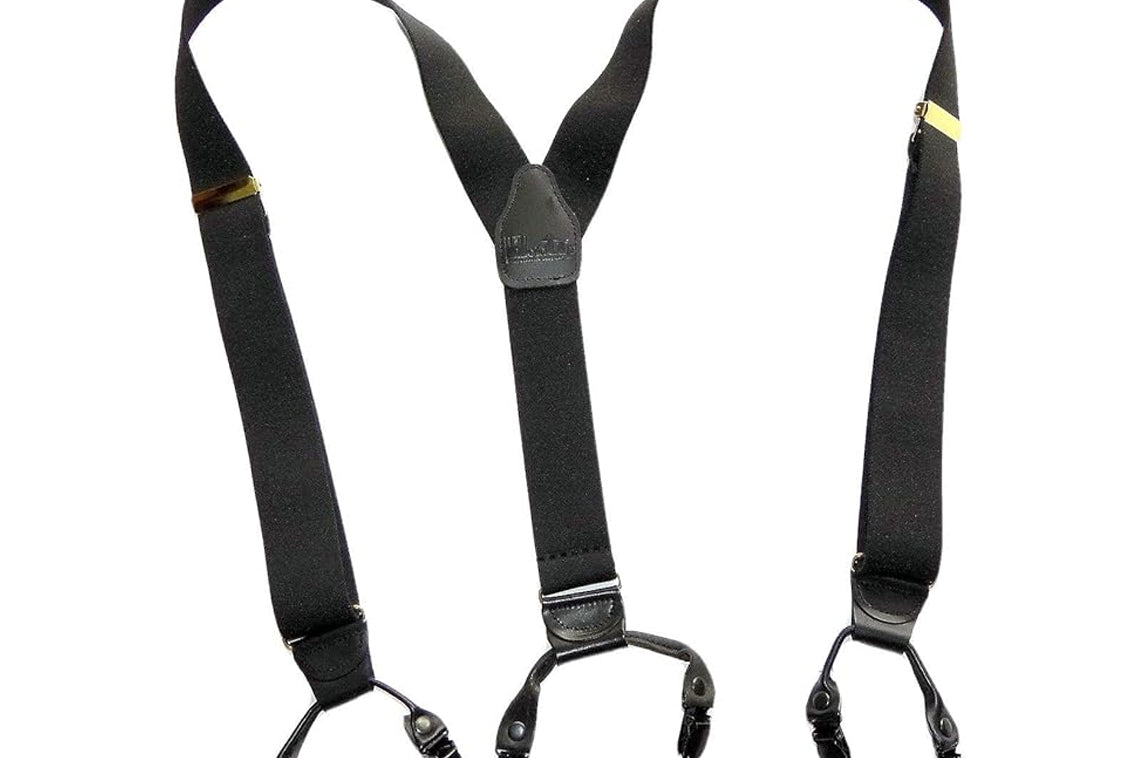
Button-on suspenders, also called button suspenders, attach to buttons sewn inside the waistband of your trousers. This is considered the most refined and traditional option, preferred by tailors and style purists alike. Because they sit flat and leave no visible attachment hardware, button-on braces create the cleanest silhouette under a jacket. They are the top choice for business formal attire, black tie events, and formal occasions like weddings or galas.
Clip-On Suspenders
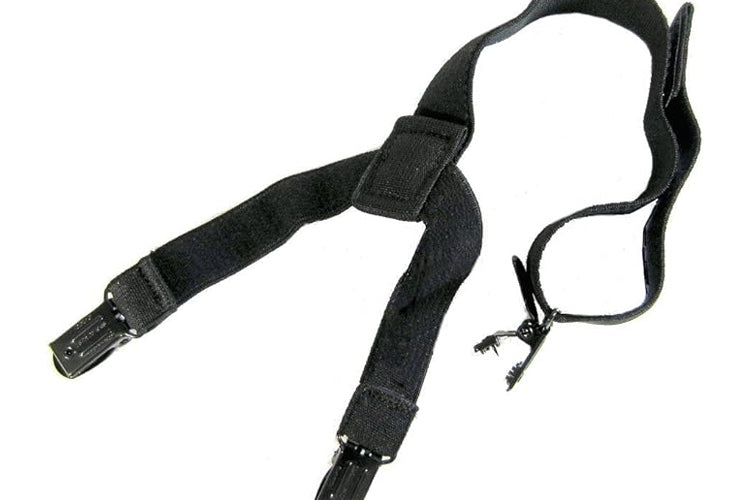
Clip-on suspenders use metal or rubber clips to attach directly to the waistband of any pair of pants, making them versatile and easy to use. While they are more convenient and work with standard office trousers, the clips can sometimes be visible when your jacket is open, which is a consideration for very formal environments. For business casual settings, clip-on suspenders are a perfectly appropriate and practical choice.

Convertible Suspenders
Convertible suspenders offer the best of both worlds. They come with interchangeable ends, allowing you to switch between button-on and clip-on attachment depending on your trousers. This makes them an excellent investment for men who want flexibility across different outfits and occasions without buying multiple pairs.
X-Back vs. Y-Back Suspenders
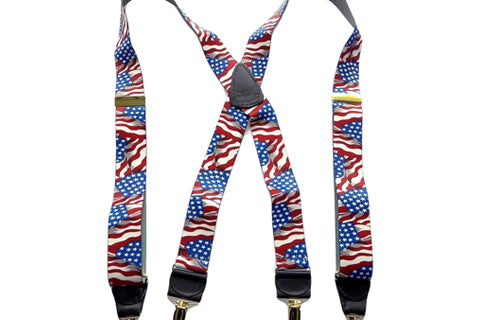
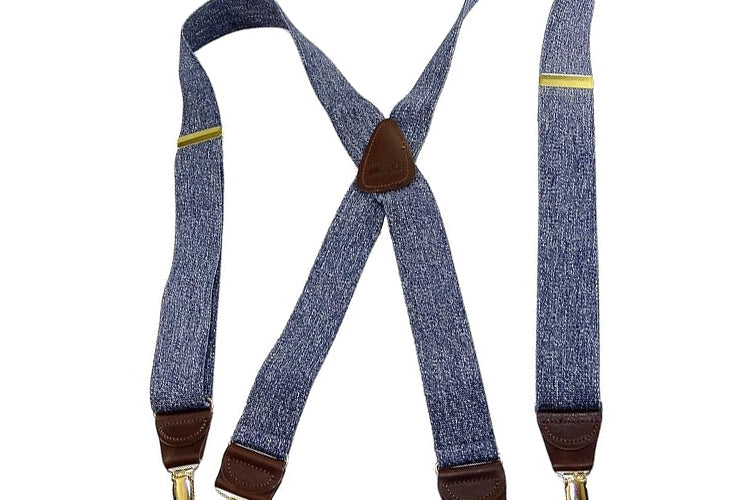
The back configuration of suspenders also matters. X-back suspenders cross in the center of the back, distributing weight evenly and providing excellent support, making them ideal for longer workdays. Y-back suspenders converge to a single center strap at the back, offering a sleeker profile that works well under fitted suits and jackets. Both styles are appropriate for professional wear, so the choice comes down to personal comfort and the cut of your clothing.

Materials and Quality Considerations
The material of your suspenders signals the level of formality you intend and directly affects comfort and durability. Surveys show that 67.9% of men who wear suspenders find them more comfortable than belts during long workdays, largely because the right material distributes pressure across the shoulders rather than around the waist.
Leather Suspenders
Leather suspenders are the pinnacle of formal sophistication. Full-grain or genuine leather braces pair beautifully with tailored suits and dress trousers, adding a vintage yet authoritative quality to your ensemble. They are particularly well-suited for business formal attire, courtroom appearances, and high-stakes professional environments. For a full breakdown of how to style leather options, see our dedicated guide on leather suspenders with formal wear.
Silk and Grosgrain Suspenders
Silk suspenders carry a luxurious sheen that complements black tie and formalwear. Grosgrain suspenders, with their ribbed texture, offer a slightly more textured look while remaining elegant enough for formal occasions, tuxedos, and evening events. Both silk and grosgrain are ideal when you want your accessories to quietly communicate quality.
Elastic and Fabric Suspenders
Elastic suspenders, often made with cotton or woven fabric, are the most comfortable everyday option. They provide flexibility and breathability, making them a strong choice for business casual environments, casual Fridays, or warmer months. Many of the best fabric suspenders feature subtle patterns like stripes or polka dots that add personality without clashing with your shirt or jacket.
Width Matters
Pay attention to strap width when selecting suspenders. Narrow suspenders (around 1 inch) deliver a sleek, modern appearance and work well with slim-fit suits. Wider suspenders (1.5 inches or more) offer better support and a more classic look, particularly suited to traditional or bespoke tailoring. As a general rule, the wider the lapel on your suit jacket, the wider your suspenders can comfortably be.
How to Choose the Right Suspenders for Your Outfit
Selecting the right suspenders starts with understanding your outfit, your occasion, and your personal style. Here is a simple framework to guide your selection:
Match the Formality Level
Your suspenders should match the formality of your overall clothing. Leather or silk suspenders belong with tailored suits, formalwear, and business formal attire. Elastic or fabric suspenders are the right choice for business casual outfits, chinos, and smart-casual looks. Wearing a casual pair of clip-on fabric suspenders with a bespoke suit, or heavy leather braces with a light linen shirt and chinos, creates a disconnect that undermines your overall appearance.
Consider Your Trouser Cut
Suspenders work best with trousers that have a higher rise, since they lift the waistband slightly and create a clean, long line through the torso. If your trousers sit very low on the hips, suspenders may cause them to bunch or pull in an unflattering way. High-waisted or mid-rise trousers are the ideal companions for braces.
Think About the Occasion
Button-on leather or silk suspenders are appropriate for weddings, formal dinners, black tie events, and important business meetings. Convertible or elastic suspenders are well-suited to everyday office wear. For weekend outings or casual Fridays, fabric suspenders worn with jeans or chinos can create a relaxed yet intentional look.
Styling Suspenders with Business Formal Attire
Business formal is where suspenders truly shine. Among men aged 35 to 50, 22.4% prefer suspenders over belts for formal wear, and it is easy to see why: the combination of a well-tailored suit and a fine pair of braces projects an authority and elegance that a belt simply cannot match.
The Core Formula: Suit, Shirt, and Braces
Start with a tailored suit that fits you perfectly across the shoulders, chest, and waist. A tailored fit not only enhances your silhouette but complements the clean lines suspenders create through your torso. Pair your suit with a crisp dress shirt in white or a pale solid color. Avoid shirts with busy patterns if your suspenders already carry a design element.
Choose polished shoes that match the formality of the occasion. For business formal settings, Oxford shoes or Derby shoes in black or dark brown are the classic choice. Your shoes and belt would normally match, but since you are wearing suspenders, coordinate your shoe leather color with the leather hardware or end pieces of your braces instead.
Completing the Formal Look
Three key details elevate a formal suspenders outfit from good to exceptional:
- Dress Shirt: A crisp, well-pressed shirt in white, pale blue, or a subtle stripe keeps the formality high while allowing your suspenders to be a visual anchor.
- Tie: Select a tie that coordinates with your suit and suspenders in terms of color and weight. A silk tie pairs naturally with leather or silk suspenders for a consistently formal texture throughout.
- Pocket Square: A neatly folded pocket square adds a final layer of sophistication. Match it loosely to your tie rather than making it too matchy, and avoid overpowering the overall look.
Refine your formal attire with our elegant suspenders
Styling Suspenders for Business Casual Looks
Business casual is where suspenders offer the most creative freedom. Pairing suspenders with chinos and a button-down casual shirt creates a polished yet relaxed look that is ideal for modern offices and creative workplaces. This combination is both functional and stylish, especially when you choose light fabrics like cotton or linen for the warmer months.

Building a Business Casual Suspenders Outfit
For office footwear, loafers or brogues complement the laid-back professional vibe while maintaining appropriate polish. Below is a quick reference for mixing and matching a business casual suspenders outfit:
| Element | Recommendation |
|---|---|
| Suspenders | Neutral colors or subtle patterns |
| Chinos | Khaki, Navy, Olive |
| Casual Shirts | Light Blue, White, Soft Check |
| Office Footwear | Loafers, Brogues, Derby Shoes |
| Jacket (optional) | Unstructured blazer or sports coat |
Can You Wear Suspenders with Jeans?
Yes, suspenders can absolutely be worn with jeans in a smart-casual or business casual context. Choose dark wash jeans without distressing, and pair them with a well-fitted button-down shirt and fabric or elastic suspenders. This look works particularly well for creative industries, casual Fridays, or after-work events where you want to look intentional without being overdressed.
Suspenders vs. Belts: Which Is More Professional?
The debate between suspenders and belts comes down to formality, comfort, and personal style. From a purely traditional standpoint, suspenders are considered more formal. Classic tailoring etiquette holds that a man wearing a high-quality bespoke suit should wear braces rather than a belt, as belts interrupt the clean visual line from chest to trousers. This is especially true with high-waisted trousers, where a belt would obscure the waistband entirely.
Comfort During Long Workdays
Surveys indicate that 67.9% of men who wear suspenders find them more comfortable than belts during long workdays. Belts create pressure around the waist that can become uncomfortable after hours at a desk, particularly after lunch. Suspenders distribute the weight of your trousers across your shoulders instead, leaving your waist unrestricted and significantly improving comfort over a full workday.
When to Choose Each
Suspenders are the better choice for formal suits, tailored trousers with higher rises, black tie events, weddings, and occasions where a complete, polished appearance matters most. Belts remain appropriate for more casual trousers, lower-rise fits, and situations where you may be removing your jacket frequently throughout the day. Both accessories have their place in a well-rounded professional wardrobe.
One important rule: never wear both a belt and suspenders at the same time. The combination is considered a style faux pas and, more practically, serves no functional purpose.
Color and Pattern Coordination Tips
Color coordination is one of the most impactful decisions you make when incorporating suspenders into your outfit. Getting it right elevates your look from ordinary to exceptional; getting it wrong creates a visual clash that undermines your entire ensemble.

Understanding Color Psychology
Different colors communicate different qualities in professional settings. Navy and dark blue suspenders convey professionalism, calm authority, and trust. Burgundy adds warmth and sophistication. Grey is the most versatile neutral, working with almost any suit color. Black is the most formal option and pairs naturally with charcoal, navy, and dark suits. If you want to make a bolder statement, deep green or rich brown can work beautifully with earth-toned suits.
Matching Suspenders to Your Suit
Rather than matching your suspenders to your suit in the exact same color, coordinate them with a complementary shade. A navy suit pairs well with burgundy or grey suspenders. A charcoal suit looks sharp with black or dark navy braces. A mid-grey suit is lifted by deep green or burgundy. Always ensure your suspenders harmonize with your shirt and tie as part of the overall color story.
Working with Patterns
Patterns add personality, but they require careful handling. Stripes, polka dots, and subtle checks all work well on suspenders. The key rule: limit your outfit to one patterned element at a time. If your suspenders feature a stripe, keep your tie and shirt solid. If your shirt carries a subtle check, choose solid suspenders. Mixing multiple patterns requires a confident eye and should be approached carefully by those newer to the style.
Seasonal Color Choices
Adjust your color palette with the seasons. Light pastels and warm neutrals work well in spring and summer. Richer, deeper tones such as burgundy, burnt orange, and forest green suit autumn and winter beautifully. Seasonal color awareness keeps your wardrobe feeling current and intentional rather than static.
Matching Suspenders and Ties
Coordinating your suspenders and tie is one of the most nuanced aspects of wearing braces professionally. The goal is a cohesive look where both accessories reinforce each other without competing for attention.
Complementary vs. Contrasting Patterns
When selecting patterns, aim for either complementary or contrasting designs. If your tie features bold stripes, choose solid-color suspenders to balance the look. Conversely, a solid tie pairs well with patterned suspenders, adding visual interest without overwhelming your overall appearance. A striped tie paired with polka dot suspenders can work, but requires a practiced hand to pull off convincingly.
Texture Coordination
Texture choices are equally significant. Silk ties carry a smooth, classic finish ideal for formal settings, so pair them with leather or satin suspenders for a consistently refined look. Wool or knit ties offer a more textured, relaxed vibe. Match these with fabric or elastic suspenders to maintain a consistent texture throughout. Mixing a heavy knit tie with a sleek leather braces pair creates a visual tension that reads as a mismatch.
A Note on Bow Ties
Suspenders and a bow tie is a classic combination for black tie formalwear and tuxedos. This pairing is especially popular at weddings and formal evening events. When wearing a bow tie, choose suspenders in a complementary formal fabric such as silk or grosgrain. The overall effect is decidedly elegant and unmistakably intentional.
Seasonal Suspender Styles
Adapting your suspenders to the changing seasons adds a fresh and sophisticated dimension to your professional wardrobe.
Summer Suspender Styles
In summer, opt for light, breathable materials like cotton or linen suspenders. Choose bright colors or subtle pastels to reflect the season's energy. Pair them with lightweight suits in pale grey, tan, or light navy to stay comfortable and polished through warmer months.
Autumn Elegance
As temperatures drop, switch to richer, warmer tones such as burgundy, olive, or burnt orange. Textured fabrics like tweed or wool blends complement the season's earthy palette beautifully. These choices add depth and visual warmth to your fall attire without sacrificing formality.
Winter Trends
During winter, prioritize thicker, more substantial materials like heavy wool or leather suspenders. Darker shades including navy, charcoal, and deep green align naturally with the season. Layer your suspenders over a flannel dress shirt or under a heavier blazer to stay warm while maintaining a sharp, professional appearance.
Accessorizing With Suspenders
Suspenders look best when the rest of your accessories are chosen with equal care. The goal is a cohesive, refined ensemble where every element contributes to the same visual story.
Cufflinks and Watches
Gold or silver cufflinks add a refined touch that complements formal suspenders outfits. Choose cufflinks in a metal tone that coordinates with the hardware on your braces. A classic wristwatch in leather or metal further elevates your professional style without drawing attention away from the overall look.
Pocket Squares and Jewelry
A well-matched pocket square ties your formal look together without matching too precisely to your tie or suspenders. Keep the relationship complementary rather than identical. Understated jewelry such as a simple ring or lapel pin can add personality, but avoid layering too many statement pieces when wearing suspenders, as the braces themselves are already a visual element that commands attention.
Socks as a Style Opportunity
Socks are often overlooked, but with suspenders creating a longer line from shoulder to trouser, the lower half of your leg becomes more visible. This is your opportunity for a subtle personality moment: a pair of patterned or colorful socks that pick up a color from your suspenders or tie can add charm to an otherwise formal look. Keep it tasteful rather than loud.
Proper Fit and Adjustment Techniques
Even the finest pair of suspenders will look wrong if they do not fit correctly. Proper adjustment is essential for both appearance and all-day comfort.
Getting the Length Right
Suspenders should hold your trousers at your natural waist without pulling them uncomfortably high or allowing them to sag. When standing straight, the straps should rest flat against your shoulders and chest without digging in or slipping off. Most suspenders feature adjustable slides that allow you to fine-tune the length for your body.
Shoulder and Torso Considerations
If you have a long torso, you may need longer suspenders to avoid the straps pulling your trousers too high. Broader shoulders benefit from X-back suspenders, which distribute tension more evenly across a wider frame. Slimmer builds often look best in narrower, Y-back styles that do not overwhelm the silhouette.
Under the Jacket
Suspenders are traditionally worn under a jacket, with only the small section crossing your shirt front visible when the jacket is open. In a fully formal context, your jacket should remain closed during meetings or events. In more casual professional settings, wearing suspenders with the jacket off is perfectly acceptable and can look very intentional when done with a well-pressed shirt.
Care and Maintenance of Suspenders
Quality suspenders are an investment, and proper care ensures they remain in excellent condition for years.
Caring for Leather Suspenders
Leather suspenders should be wiped down regularly with a dry or slightly damp cloth to remove dust and surface dirt. Apply a small amount of leather conditioner every few months to keep the material supple and prevent cracking. Store leather braces flat or loosely rolled rather than tightly folded to avoid creasing. Avoid prolonged exposure to direct sunlight, which can fade and dry out the leather over time.
Caring for Fabric and Elastic Suspenders
Most fabric suspenders can be hand-washed in cool water with a gentle detergent. Lay them flat to dry rather than machine drying, which can damage elastic fibers and cause shrinkage. Check the metal clips or hardware regularly for rust or corrosion, and polish with a soft cloth as needed to maintain their appearance.
Storing Your Suspenders
Store suspenders in a drawer or hanging organizer where they will not be crushed under other clothing. Keeping them organized by color and style makes it easier to pull together a coordinated look quickly. Avoid leaving suspenders clipped to trousers in your wardrobe for extended periods, as this can stretch both the suspender straps and the waistband of your trousers over time.
Celebrities and Professionals Who Wear Suspenders
Suspenders have long been a favorite of style-conscious men who want to stand apart from the crowd. In the corporate world, suspenders project an air of deliberate, classic sophistication that communicates confidence and attention to detail. About 14.3% of professionals attending business conferences wear suspenders regularly, signaling that braces are very much a part of modern professional fashion.
Iconic Figures Who Made Suspenders Famous
From Gordon Gekko's power-dressing braces in Wall Street to the effortless elegance of modern style icons, suspenders carry a cultural association with ambition, intelligence, and a certain timeless cool. Lawyers, financiers, and creative directors have all embraced suspenders as a mark of distinction in their respective fields.
The Modern Gentleman's Approach
The modern professional man wearing suspenders is not trying to look like a period piece. He is consciously choosing a classic accessory that elevates his clothing above the ordinary. He coordinates his braces with care, understands the difference between button-on and clip-on styles, and treats his suspenders as a genuine investment in his personal brand and professional appearance. Want to understand more about how men's and women's suspender styles differ? Our guide on differences between men's and women's suspenders covers the key distinctions in design, fit, and styling approaches.
Frequently Asked Questions
Do professional men wear suspenders?
Yes, professional men absolutely wear suspenders. Approximately 18.7% of professional men incorporate suspenders into their office wardrobe, and among men aged 35 to 50, 22.4% prefer suspenders over belts for formal wear. Suspenders are considered a mark of classic sophistication in business formal, legal, and financial environments, and their popularity in professional settings has been growing, with sales up 8.6% between 2023 and 2025.
Are suspenders appropriate for office wear?
Suspenders are entirely appropriate for office wear at all formality levels. For business formal environments, button-on leather or silk suspenders paired with a tailored suit project authority and elegance. For business casual offices, elastic or fabric suspenders worn with chinos and a button-down shirt create a polished yet relaxed look. About 14.3% of professionals attending business conferences wear suspenders regularly, confirming their place in modern professional fashion.
Are suspenders better than belts for professional wear?
From a traditional tailoring standpoint, suspenders are considered more formal than belts and are the preferred choice with high-quality bespoke suits and high-waisted trousers. They also tend to be more comfortable: 67.9% of men who wear suspenders find them more comfortable than belts during long workdays, as they distribute the weight of your trousers across your shoulders rather than pressing a belt around your waist. That said, belts remain appropriate for more casual trousers and lower-rise fits. The most important rule is never to wear both at the same time.
Can suspenders be worn with a suit?
Yes, suspenders are one of the best accessories to wear with a suit. They create a clean, unbroken line from chest to trouser that a belt cannot replicate, enhancing the overall silhouette of a tailored suit. Button-on suspenders in leather or silk are the most refined choice for formal suits, while elastic or fabric suspenders work well with business casual suits and blazers. Suspenders should be worn under the jacket, with only the front straps visible when the jacket is open.
Are clip-on or button-on suspenders more professional?
Button-on suspenders are considered more professional and formal. Because they attach to buttons sewn inside the waistband, they lie completely flat and leave no visible hardware, creating the cleanest possible look under a suit jacket. Clip-on suspenders are more convenient and work with any pair of trousers, making them a perfectly acceptable choice for business casual settings. If you want maximum versatility, convertible suspenders allow you to switch between both attachment styles depending on your outfit.
How do you wear suspenders professionally?
To wear suspenders professionally, start by choosing the right type and material for your occasion: button-on leather or silk suspenders for business formal, elastic or fabric suspenders for business casual. Adjust the length so your trousers sit at your natural waist with the straps resting flat and comfortable across your shoulders. Coordinate your suspenders with your tie and pocket square in terms of color and texture, and always wear them under your jacket. Never pair suspenders with a belt, and ensure your shirt is well-pressed and tucked in neatly for a complete, polished appearance.
What colors of suspenders are most appropriate for business attire?
Navy, black, grey, and burgundy are the most versatile and professional colors for business suspenders. Black is the most formal and pairs with charcoal, navy, or dark suits. Navy conveys authority and works with a wide range of suit colors. Burgundy adds warmth and sophistication alongside grey or navy suits. Grey is the most neutral option and coordinates with almost any outfit. For business casual settings, you have more freedom to experiment with earthy tones, subtle patterns, or bolder colors that reflect your personal style without compromising professionalism.
What materials are commonly used for professional men's suspenders?
The most common materials for professional men's suspenders are leather, silk, grosgrain, elastic, and woven fabric. Leather and silk are the most formal options, suited to business formal attire and black tie occasions. Grosgrain offers a refined ribbed texture ideal for formalwear and tuxedos. Elastic and cotton or linen blends are the best choice for business casual environments, offering comfort and flexibility throughout the workday. The material you choose should match the formality of your outfit and the demands of your profession.
How do you match suspenders with a tie?
Match suspenders and ties by coordinating rather than perfectly matching. If your tie is patterned with stripes or checks, choose solid suspenders to balance the look. If your tie is solid, patterned suspenders add visual interest without clashing. Match textures as well: a silk tie pairs naturally with leather or silk suspenders for a consistently formal feel, while a knit or wool tie works better with fabric or elastic suspenders. For black tie events and tuxedos, a bow tie paired with silk or grosgrain suspenders is the classic and most elegant combination.
How should suspenders fit for comfort?
Properly fitted suspenders should hold your trousers at your natural waist without pulling them too high or allowing them to sag. The straps should rest flat and evenly across your shoulders without digging in, slipping off, or creating visible tension lines under your shirt. Most suspenders have adjustable slides to fine-tune the length for your specific torso. Men with longer torsos may need longer suspenders, while broader shoulders benefit from X-back styles that distribute weight more evenly. When adjusted correctly, suspenders should feel comfortable throughout a full workday with no pressure around the waist.
Conclusion
Incorporating suspenders into your professional wardrobe is a deliberate, rewarding choice that sets you apart from men who reach for the same belt every morning. Whether you invest in leather braces for business formal occasions, build out a collection of elastic and fabric suspenders for everyday office wear, or reserve a silk pair for black tie events and weddings, the key is always the same: choose quality, coordinate with care, and wear them with confidence.
Experiment with colors, patterns, and accessories to create looks that are cohesive and personal. Understand the difference between button-on and clip-on styles, pay attention to width and material, and take the time to adjust your suspenders properly for your body. When every element is considered and executed well, suspenders do not just hold up your trousers. They define the way you dress.