

Extending the life of your suspenders comes down to four habits practiced consistently: cleaning them correctly for the specific material, storing them properly to prevent elastic and leather degradation, repairing hardware and minor damage rather than replacing the whole pair, and rotating between multiple pairs to reduce the wear any single suspender accumulates. A well-made pair of suspenders cared for this way can realistically last a decade or longer, which keeps usable hardware and material out of landfills far longer than the typical replace-on-failure approach most accessories receive.
Suspenders are one of the more genuinely durable accessory categories when properly maintained, since most of the failure points, elastic fatigue, hardware corrosion, fabric wear, are gradual and preventable rather than sudden and unavoidable. The throwaway cycle most suspenders go through is usually a result of neglect rather than an inherent limit on how long the materials could otherwise last. Treating suspenders as a long-term wardrobe investment rather than a disposable accessory both saves money over time and meaningfully reduces the waste generated by a category of clothing that is replaced more often than it needs to be.
Why Suspenders Typically Fail Before They Need To
Understanding the actual causes of premature suspender failure clarifies where preventive effort produces the most benefit, since most failures trace back to a small number of preventable causes rather than inevitable material limits.
Elastic degradation is the most common reason suspenders are discarded, and it is almost always accelerated by avoidable factors: storing the suspenders folded at stress points, exposing the elastic to prolonged direct sunlight or heat, or simply using a lower-quality elastic that was never going to hold its tension as long as a denser, higher-grade weave would. Elastic does have a natural lifespan, but that lifespan is frequently cut short by storage and handling habits rather than reached through genuine material exhaustion.
Hardware failure, corroded clips, broken springs, or cracked jaws, is the second most common cause, and it is almost entirely preventable through basic care. Metal hardware exposed to moisture without being dried, or clips repeatedly forced onto waistbands too thick for their designed opening range, fail well before their potential working life is exhausted. The guide on common leather suspender problems covers material-specific failure modes in more depth, many of which trace back to avoidable handling rather than unavoidable wear.

Fabric or leather wear at the attachment points is the third major failure category, often resulting from repeated stress at a single point, folding at the same spot every time the suspenders are stored, or attaching clips to belt loops rather than the flat waistband fabric, which creates an unnatural angle that accelerates wear at the strap end.
Cleaning Suspenders Correctly to Prevent Premature Wear
Improper cleaning is a significant contributor to early suspender failure, since the wrong cleaning method can degrade elastic, damage leather, or weaken stitching faster than normal wear alone would.
For fabric and elastic suspenders, hand washing in cool water with a mild detergent, then air drying flat away from direct heat or sunlight, preserves the elastic's tension and the fabric's color and structure far better than machine washing, which subjects the elastic to mechanical agitation and heat that accelerates breakdown. Never tumble dry suspenders, since the heat specifically damages elastic fibers and can warp metal hardware over repeated cycles.
For leather suspenders, the cleaning approach is entirely different and requires a leather-appropriate cleaner such as saddle soap rather than any detergent. The full step-by-step process is covered in the guide on how to clean and maintain leather pad suspenders, which includes the conditioning step that restores natural oils stripped during cleaning, a step that is essential for preventing the leather from drying out and cracking prematurely.
Regardless of material, cleaning suspenders only as often as genuinely needed, rather than on a fixed schedule that does not reflect actual soiling, reduces the cumulative wear that any cleaning process, however gentle, places on the materials over the suspender's lifetime.
Storing Suspenders to Prevent Avoidable Damage
Storage habits have an outsized effect on how long suspenders last, since the hours spent in storage between wears vastly exceed the hours spent actually being worn, and poor storage habits compound damage silently over months and years.
The single most important storage rule is avoiding folding suspenders at the same point repeatedly, particularly at the adjustment slider or the clip attachment point, since this creates a stress concentration in the elastic or fabric that weakens the material specifically at that fold line over time. Hanging suspenders from a dedicated hook or hanger, or laying them flat in a drawer without folding, prevents this concentrated stress entirely. The guide on hanging versus rolling suspenders for storage covers the comparison between storage methods in detail and confirms hanging as the generally superior long-term option for elastic-based suspenders.
Keeping suspenders away from direct sunlight and heat sources during storage protects both elastic and leather from premature drying and color fading. A closet or drawer away from a window or heating vent is sufficient; no special storage equipment is required, just consistent attention to where the suspenders sit when not in use.

For travelers, a dedicated travel case prevents the tangling, creasing, and crushing that loose suspenders experience in a suitcase, which accelerates wear at the exact attachment points that are already the most vulnerable part of any suspender.
Repairing Rather Than Replacing
The single biggest lever for reducing suspender waste is choosing repair over replacement whenever the damage is isolated and the rest of the pair remains functional, since most suspender failures affect one component rather than rendering the entire item unusable.
A broken or bent clip does not require discarding the entire suspender. Replacement clips are inexpensive and widely available, and swapping a damaged clip for a new one, whether through reshaping a bent jaw or fully replacing a broken mechanism, is a straightforward process achievable with basic hand tools. The full step-by-step process is covered in the guide on how to repair a broken suspender clip at home, which walks through diagnosing the failure type and executing the appropriate repair.
Torn fabric or leather at an attachment point can often be re-stitched or reinforced rather than requiring the suspender to be discarded, particularly if the elastic and remaining hardware are still in good condition. The guide on repairing holes in pants from cheap suspender clips covers fabric repair techniques that apply to damaged attachment zones on the suspender strap itself in addition to the trouser fabric the clips attach to.
Worn or stretched elastic is the one failure type that cannot be repaired in the traditional sense, since elastic that has permanently lost its recovery range will not regain its original tension. In this case, the practical choice is whether to retire just the elastic portion if the suspender's design allows for that component to be replaced separately, or whether the suspender as a whole has reached the end of its useful life. For suspenders constructed with replaceable elastic sections, seeking out that specific replacement extends the useful life of the leather ends, hardware, and any personalized or sentimental elements rather than discarding the entire piece.
Choosing Quality Construction From the Start
The most effective long-term waste reduction strategy is choosing well-constructed suspenders in the first place, since the materials and hardware quality of the original purchase determine how much genuine working life the suspender has to begin with, regardless of how well it is subsequently cared for.
Suspenders built with denser, higher-grade elastic maintain their tension significantly longer than budget elastic, which begins to stretch permanently after a fraction of the wear cycles a quality elastic can tolerate. Hardware made from solid metal alloys with corrosion-resistant finishes lasts considerably longer than thin stamped metal or low-grade plastic components, particularly for anyone wearing suspenders regularly or in conditions involving moisture exposure.

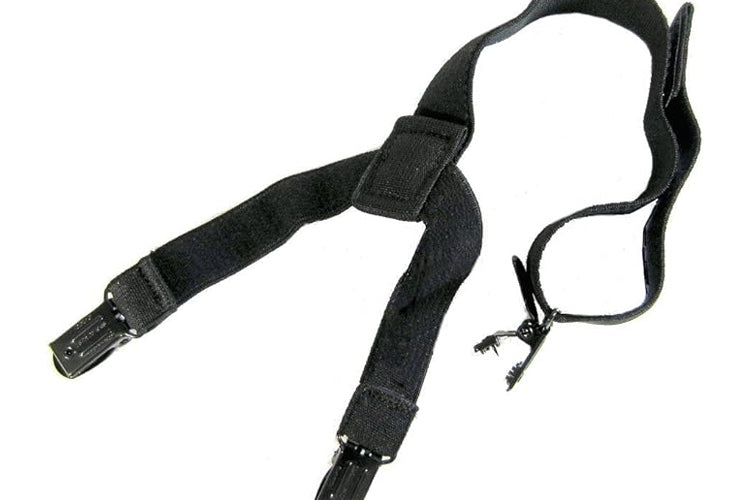
The classic series X-back suspenders with patented no-slip clips represent the kind of construction quality that supports a genuinely long working life when combined with the care practices covered above, since the elastic and hardware specifications are built for sustained use rather than just initial appearance. Choosing this kind of quality construction from the outset, even at a higher initial price point, is itself a waste-reduction decision, since a suspender that lasts a decade replaces what would otherwise be several lower-quality pairs discarded over the same period.
Rotating Between Multiple Pairs
Wearing the same single pair of suspenders every single day concentrates all of the wear, sweat exposure, and stress cycling onto one set of elastic and hardware, accelerating the rate at which that specific pair approaches the end of its useful life. Rotating between two or three pairs distributes wear across multiple sets, extending the practical working life of each individual pair even though the total number of wear-days remains the same.
This approach also allows each pair time to rest between wears, which gives elastic time to recover its shape between stretching cycles rather than being held under tension day after day without any recovery period. For anyone building a small suspender collection specifically to support this kind of rotation, a versatile neutral pair for daily wear alongside a second pair in a different color or material for variety provides both the practical rotation benefit and a reasonable range of styling options.
Practical Habits That Compound Over Time
A handful of small, consistent habits, none individually dramatic, compound significantly over years of ownership to determine whether a pair of suspenders lasts two years or ten.
- Inspect hardware and elastic condition periodically rather than only noticing problems once they cause a failure during wear
- Attach clips to flat waistband fabric rather than over belt loops, which creates unnecessary strain at an unnatural angle
- Avoid over-tightening the adjustment sliders beyond what is needed for a correct fit, since excessive tension accelerates elastic fatigue
- Dry hardware thoroughly after any exposure to rain or moisture rather than allowing it to air dry in a damp state
- Address small issues, a slightly loose stitch, a clip that requires more force to open than it used to, promptly rather than waiting for full failure
Each of these habits takes seconds to practice but meaningfully extends the interval before any single failure point reaches the stage where the suspender becomes unusable.
Frequently Asked Questions
How long should a well-made pair of suspenders last with proper care
A well-constructed pair of suspenders, cleaned correctly, stored properly, and repaired rather than discarded at the first sign of minor damage, can realistically last ten years or longer under regular use. The specific lifespan depends heavily on the quality of the original elastic and hardware, as well as how consistently the care practices are followed, but a decade of useful life is a reasonable expectation for quality construction maintained well.
Is it better to buy one expensive pair of suspenders or several cheap pairs
For both cost and waste considerations, one well-constructed pair generally outperforms several cheap pairs over time. Cheap suspenders typically use lower-grade elastic and hardware that fail well before a quality pair would, meaning the cheaper option is often replaced multiple times over the same period a single quality pair would remain functional, resulting in more total material consumption and waste despite the lower individual purchase price.
Can stretched-out elastic in suspenders be restored
No, elastic that has been permanently stretched beyond its recovery range cannot be restored to its original tension through any cleaning or treatment method. This is the one type of suspender wear that genuinely requires replacement of the affected component rather than repair. For suspenders with a modular design allowing the elastic section to be replaced separately from the hardware and end attachments, replacing just that component extends the life of the rest of the suspender rather than discarding the entire piece.
What is the most common avoidable mistake that shortens suspender life
Folding suspenders at the same point repeatedly during storage, typically at the adjustment slider or clip attachment, is one of the most common and easily avoidable mistakes. This creates a concentrated stress point in the elastic or fabric that weakens the material specifically at that fold line over time. Switching to hanging storage or laying suspenders flat without folding eliminates this issue entirely and is a simple habit change with a meaningful long-term effect on suspender lifespan.
Does the type of clip affect how long suspenders last
Yes, significantly. No-slip gripper clips with a serrated jaw and quality metal construction generally outlast basic smooth-jaw clips, both because they are typically built to a higher hardware standard and because they grip fabric mechanically rather than relying purely on squeeze pressure, which reduces the strain placed on the spring mechanism over repeated use. Choosing suspenders with quality clip hardware from the outset reduces the likelihood of hardware failure becoming the limiting factor in the suspender's overall useful life.