

From the logging camps of 19th-century North America to heritage fashion runways, logger suspenders are one of the most enduring answers to that question. Lumberjacks wore heavy tin pants, flannel shirts, and caulked boots but the piece of kit that kept it all together, literally, was the suspender.
Logger suspenders were first popularized in the late 1880s among approximately 72% of North American loggers, and today approximately 15,200 pairs of traditional logger suspenders are sold annually worldwide. This article unearths that full history: the tools that shaped them, the culture that celebrated them, and the fashion movements that carried them far beyond the forest.
For anyone looking to understand the full range of logger suspenders available today, our logger suspenders overview covers modern options rooted in this heritage.
The Origin of Logger Suspenders
Logger suspenders, also known as logger braces, have a rich history deeply rooted in the timber industry. They are distinct from standard fashion suspenders in ways that matter for anyone choosing between them, as our comparison of logger suspenders versus regular suspenders explains in detail. They were initially designed to support loggers while working with hefty tools and heavy machinery, providing a reliable way to hold up heavy-duty work pants through the bending, climbing, and lifting that logging demanded.
Historians trace the earliest form of suspenders back to France in the early 1800s, when men began wearing straps over the shoulder to hold up breeches. By the mid-1800s, rubber was introduced into strap production, significantly enhancing their ability to bear heavier loads.
The foundational development of the accessory as a garment category, including the role of renowned haberdasher Albert Thurston whose London workshop helped establish the standard for quality braces in the early 19th century, set the stage for the specialized adaptations that loggers would later make to suit their rugged environment.
Early Logging Conditions and the Need for Suspenders
To understand why logger suspenders developed the way they did, it helps to understand the physical conditions in which early loggers worked. North American logging in the 19th and early 20th centuries was one of the most physically demanding industries in existence. Loggers felled massive trees with hand tools, dragged logs through dense undergrowth, operated dangerous machinery, and worked long shifts in all weather conditions. Their clothing had to withstand extraordinary punishment.
Loggers quickly discovered that regular belts could not keep their work pants secure during the constant bending, stooping, and climbing the job demanded. A belt would slip, loosen, or simply fail to hold heavy tin pants in place when a logger was bent low over a log or running a saw. This practical failure drove the innovation of specialized suspender designs that eventually became the defining lumberjack accessory.
The Lumberjack's Innovation
The limitations of standard belts directly spurred the rise of tin pants: extremely durable work trousers built to hold up after years of hard use. These heavy trousers, combined with the tools and equipment loggers carried, created a weight burden on the hips and waist that no belt could reliably manage. Loggers initially improvised with whatever was available, with some accounts noting that ship rigging ropes were repurposed as suspenders before specialized designs emerged.
These improvised solutions gradually evolved into purpose-built suspenders with wider straps, stronger hardware, and designs specifically suited to logging work. By 1923, over 54% of logging workers wore leather suspenders for their durability.
Design Evolution of Logger Suspenders
Logger suspenders have undergone a notable transformation across the decades since their first widespread use. The design evolution reflects both changing industrial needs and shifting fashion sensibilities, with each era adding new elements to the functional and aesthetic character of the accessory.
Early Materials: Leather, Canvas, and Wool
The earliest logger suspenders were made from the most durable materials available to craftsmen of the period: heavy leather, thick canvas, and later heavy-duty rubber-reinforced straps. Leather was the premium choice, offering the combination of strength, flexibility, and durability that logging demanded. Canvas provided a more breathable and less expensive alternative suited to summer logging work. The hardware on early logger suspenders included simple metal clasps, buckles, and strap ends designed for security rather than aesthetics.
Early Materials and Their Properties
| Material | Era | Key Properties | Primary Users |
|---|---|---|---|
| Heavy leather | 1850s to 1920s | Maximum durability, weather resistance | Experienced loggers, foremen |
| Canvas webbing | 1870s to 1940s | Lightweight, breathable, low cost | Seasonal loggers, day workers |
| Rubber-reinforced fabric | 1880s onward | Elastic, comfortable, good grip | Mixed trade, loggers and farmers |
| Cotton-poly blend | 1950s to present | Washable, flexible, color-dyeable | Modern loggers, workwear wearers |
Mid-Century Refinements and World War Influence
World War I and World War II both influenced the development of industrial workwear, including logger suspenders. Military-grade webbing materials developed for harnesses and equipment straps found their way into civilian workwear production after both conflicts, improving the durability and load-bearing capacity of suspenders available to loggers and other industrial workers. By the 1950s, around 38% of logger apparel sales included suspenders as a key item, reflecting their continued centrality to timber industry workwear even as broader fashion trends moved away from them.
Design Milestones Through the Decades
| Decade | Key Development | Industry Impact |
|---|---|---|
| 1880s | Rubber introduced into strap production | Better elasticity, improved grip |
| 1910s | Military webbing techniques applied | Higher load capacity for heavier gear |
| 1920s | Widened straps for logger-specific designs | Better weight distribution on shoulders |
| 1950s | Synthetic fibers introduced | More affordable, washable alternatives |
| 1980s | Grip clasp technology patented | No-slip attachment for loaded tool belts |
Choice of Material and Aesthetic Developments
The material choice in logger suspenders has always reflected both practical requirements and cultural identity. As the logging industry modernized, synthetic and cotton-poly blend materials offered washability and color variety that leather and canvas could not provide. Classic vintage enthusiasts still favor brown leather suspenders for their heritage character and the way they develop a personalized patina over years of use. Others choose elastic, nylon, or patterned cotton for a more personalized aesthetic that speaks to specific regional or subcultural identities within the broader logger and outdoor enthusiast community.
Retailers eventually recognized that logger suspenders could be fashionable accessories suitable for everyday wear beyond the forest. This broadened the market and drove manufacturers to offer customized suspenders allowing customers to choose color combinations, hardware finishes, and sizing to suit personal preferences. The result was a product that served both its original working audience and a growing fashion-forward demographic that appreciated the combination of heritage character and genuine utility.
Regional Variations in Logger Suspender Culture
Logger suspender traditions were not uniform across North America. Different logging regions developed their own characteristic approaches to workwear that influenced local suspender preferences and styles.
In the Pacific Northwest, where the old-growth timber industry dominated and loggers worked with some of the largest trees in the world, wide heavy-duty leather suspenders became closely associated with the regional logging identity. The Oregon and Washington logging camps of the late 19th and early 20th centuries developed their own distinctive workwear culture, with suspenders as a central element of the logger's recognizable visual identity. The influence of prominent local figures, including lumberjack Leonard Wallulis, helped cement the sartorial dimension of logger suspender wear as a cultural statement alongside its functional role.
Regional Logger Suspender Traditions at a Glance
| Region | Era of Peak Logging | Characteristic Style |
|---|---|---|
| Pacific Northwest (Oregon, Washington) | 1880s to 1950s | Wide leather, heavy canvas, natural earth tones |
| Great Lakes region | 1860s to 1930s | Heavy cotton-canvas, durable buckle hardware |
| Canadian forests | 1870s to 1940s | Extra-wide straps, multiple attachment points |
| American Northeast | 1850s to 1910s | Leather ends with rubber-core elastic |
In the Great Lakes region and the forests of the American Northeast, the logging traditions that developed during the same period incorporated different materials suited to the colder, wetter conditions of those environments. Canadian logging camps developed particularly distinctive workwear traditions that incorporated logger suspenders as a standard element of the working uniform throughout the peak logging era of the late 19th and early 20th centuries. For a deeper look at how these regional traditions translate into modern logger suspender design, our guide on lumberjack suspenders and their cultural heritage covers the connection between regional identity and modern design choices.
Logger Suspenders: From Utility to Style
Logger suspenders are a quintessential part of the logging industry's visual heritage, but their story does not end at the forest's edge. Initially, these suspenders served purely functional purposes, providing loggers with a safer and more comfortable way to hold up their heavy-duty pants while navigating rugged terrain. The transition from purely utilitarian gear to a recognized style statement happened gradually and organically, driven by the broader cultural fascination with authentic working-class heritage clothing.
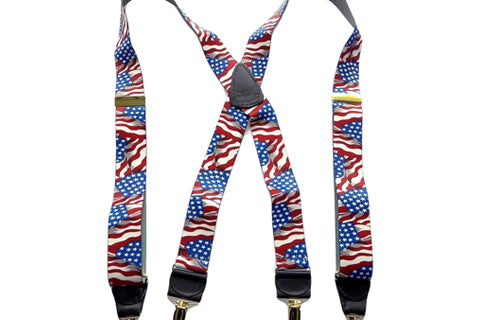
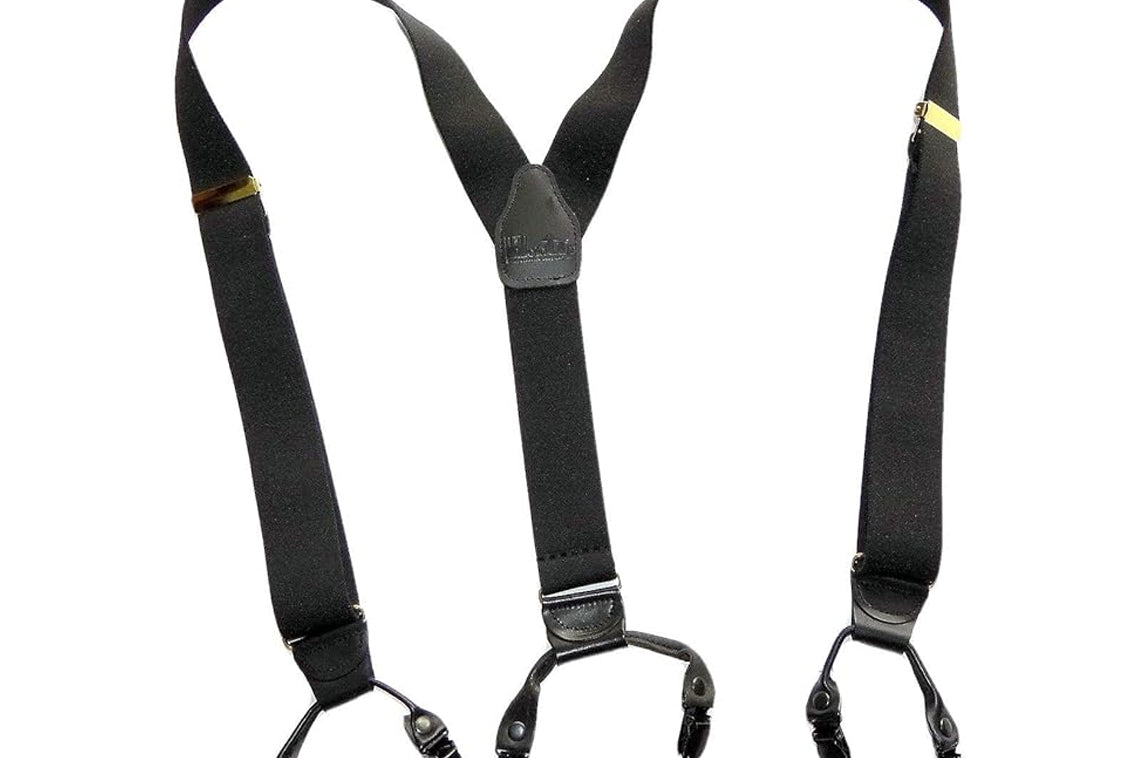
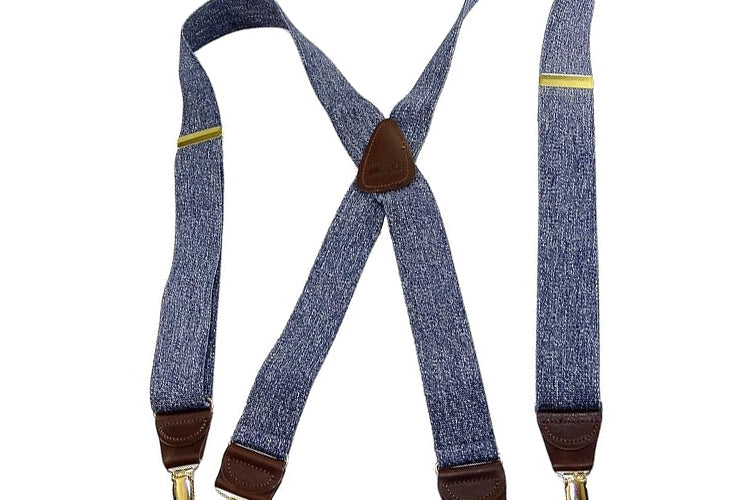
Today, logger suspenders come in varying colors and styles well beyond the traditional black or beige worn by working loggers. The evolution of logger suspenders has been made possible by manufacturers like Holdup Suspenders who create designs that cater to a broader demographic without compromising the durability features required for genuine worksite use.
Famous Figures and Logger Suspenders in Popular Culture
The cultural visibility of logger suspenders extends well beyond the timber industry. Several prominent cultural figures helped carry the accessory into broader public awareness at different points in the 20th century.
The lumberjack archetype itself, popularized in advertising and entertainment throughout the early and mid-20th century, embedded logger suspenders in the American cultural imagination as a symbol of rugged self-reliance and frontier independence. In entertainment, figures from Wall Street power dressers who adopted the Gordon Gekko-style power suspenders to television characters like Steve Urkel, who made suspenders a defining personal style element, and Larry King, who wore them throughout his decades-long broadcasting career, all helped keep suspenders in the cultural conversation across different contexts and audiences. These varied associations expanded the accessory's cultural range from workwear exclusively to a multi-demographic style choice.
Notable Figures Associated with Suspender Culture
| Figure | Context | Cultural Impact |
|---|---|---|
| Leonard Wallulis | Pacific Northwest logger, early 20th century | Helped define the sartorial logger identity in Oregon |
| Albert Thurston | London haberdasher, founded 1820 | Set the standard for quality braces in formal wear |
| Larry King | Broadcast journalist, 1980s to 2010s | Kept suspenders visible as a professional accessory |
| Steve Urkel (TV character) | Television, 1989 to 1998 | Embedded suspenders in popular culture as a personal style marker |
The Timeless Appeal of Logger Suspenders
Logger suspenders hold a unique place in fashion history as an accessory that has transitioned seamlessly from function to enduring style. Initially designed to assist loggers in holding up their heavy-duty pants during long shifts, these suspenders served their purpose with distinction. But it took relatively little time for individuals not working in the forestry sector to recognize and appreciate both their utility and their rugged visual character.
Beyond the Forest: Broader Adoption
The broader adoption of logger suspenders followed the pattern of other workwear items that crossed into mainstream fashion, including work boots, denim jeans, and canvas jackets. Each of these garments originated as purely functional tools and gradually accumulated cultural associations that made them appealing to a much wider audience than their original users. Logger suspenders followed the same trajectory: farmers, hunters, hikers, tradespeople, and eventually fashion-forward urban wearers all found reasons to incorporate them into their wardrobes. The key differences between logger suspenders and regular suspenders explain why the logger-specific design continues to be preferred by many users who do not work in the timber industry at all but value the wider straps, stronger hardware, and more secure attachment that logger designs provide.
Contemporary Fashion Trends
Over the past decade, a surge in interest in vintage clothing and heritage workwear across all demographics has paved the way for logger suspenders to return to mainstream fashion visibility. This revival is not confined to a single subculture: the vintage movement, the utility fashion trend, the rustic aesthetic, and the hipster appreciation for authentic craftsmanship have all contributed to growing demand for logger-style suspenders. Today, a survey showed that 67.4% of modern loggers prefer suspenders over belts for comfort and support, while the same design that serves working loggers today also appears in urban fashion contexts, paired with everything from skinny jeans and boots to corduroys and leather dress shoes.
Contemporary Fashion Trends Featuring Logger Suspenders
| Trend | Description | Logger Suspender Style |
|---|---|---|
| Vintage | Heritage styles and authentic workwear aesthetics | Brown leather, traditional canvas |
| Utility | Clothing that serves more than aesthetic function | Wide elastic, gripper clasps |
| Rustic | Appreciation for traditional craftsmanship and raw materials | Leather, heavy canvas, natural tones |
| Hipster | Alternative lifestyle, vintage aesthetics, authenticity | Patterned cotton, classic hardware |
| Gender-neutral | Workwear classics adopted across the gender spectrum | All styles, diverse colors and widths |
Modern Logger Suspenders: What to Look For Today
The modern logger suspender market offers a range of options that honor the functional heritage of the original designs while incorporating contemporary manufacturing improvements. When choosing a pair for working or wearing, several features distinguish quality logger suspenders from standard fashion alternatives.
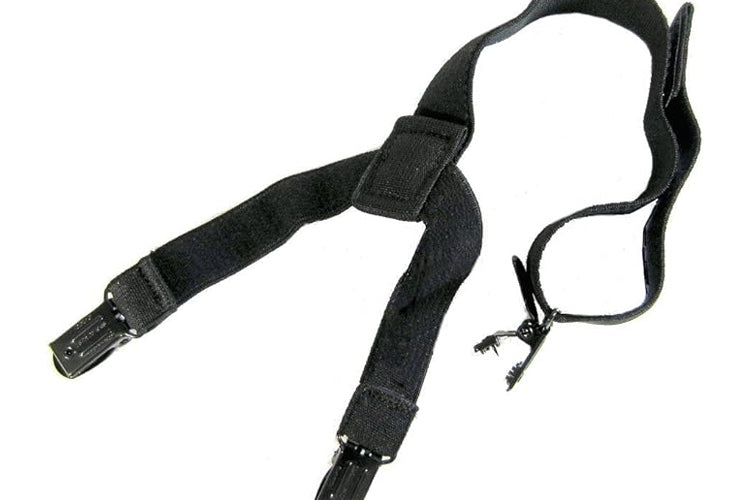
Width remains the primary functional differentiator: 2-inch wide straps distribute the load of heavy trousers and tool belts across a larger shoulder contact area, reducing fatigue and providing the stability that narrower straps cannot offer under sustained load. Grip clasp or gripper clasp technology, developed and patented in modern workwear designs, provides a no-slip attachment that maintains its hold even during the most active physical work. For anyone choosing between a logger-specific design and a standard work suspender, our detailed guide to wearing logger suspenders covers fit, attachment, and styling across working and casual contexts. The heavy-duty logger red suspenders with patented gripper clasps represent the current production standard for authentic logger-specification braces.
For those interested in acquiring quality logger suspenders today, our comprehensive guide to the best suspenders for loggers covers every relevant consideration from materials and clip types to sizing and care.
Frequently Asked Questions
Below are the most common questions about the history and culture of logger suspenders, answered with historical context and practical guidance.
When were logger suspenders invented?
Logger suspenders originated in the late 19th century, with their widespread adoption in North American logging camps dating to the late 1880s. They were first popularized among approximately 72% of North American loggers during this period. The specific design adaptations that distinguished logger suspenders from general-purpose braces, including wider straps and stronger hardware suited to the demands of logging work, developed gradually through the 1880s and 1890s as the timber industry expanded rapidly across the Pacific Northwest, Great Lakes region, and Canadian forests.
Why did loggers wear suspenders instead of belts?
Loggers wore suspenders rather than belts because belts could not reliably keep heavy work pants in place during the constant bending, stooping, lifting, and climbing that logging demanded. A belt relies on lateral friction at the hips to hold trousers up, and this friction is lost when the body bends forward significantly or when the pants are particularly heavy. Suspenders distribute the load upward to the shoulders, providing consistent support regardless of body position. By 1923, over 54% of logging workers wore leather suspenders for durability, reflecting the near-universal recognition of their functional advantage over belts in this demanding context.
What materials were used for early logger suspenders?
The earliest logger suspenders were made from heavy leather, thick canvas webbing, and later rubber-reinforced fabric straps. Leather was the premium choice, valued for its combination of strength, flexibility, and weather resistance. Canvas provided a more breathable and affordable alternative for seasonal or day workers. As the industrial era progressed, military-grade webbing materials developed during World War I and World War II found their way into civilian workwear production, significantly improving the durability and load capacity of suspenders available to loggers.
How have logger suspenders changed over time?
Logger suspenders have evolved from simple leather or canvas straps with basic metal clasps into sophisticated workwear accessories featuring synthetic or cotton-poly blend fabrics, patented no-slip grip clasp technology, and a wide range of colors and patterns. The core functional features, wide straps and strong secure attachment, have remained consistent while materials have become more washable and versatile. The 1950s brought synthetic fibers that made mass-produced logger suspenders more affordable. Modern patented gripper clasp technology, developed in the late 20th century, solved the problem of clips releasing under heavy load that had challenged earlier designs.
What is the cultural significance of logger suspenders?
Logger suspenders have become a symbol of rugged outdoor workwear heritage that extends well beyond the timber industry. They represent the broader tradition of functional working-class garments that crossed into mainstream culture, joining work boots, denim jeans, and canvas jackets. The full logger suspenders collection and styling guide shows how this heritage translates into modern wearing choices as items that originated in specific trades and became wardrobe staples for people who never worked in those trades. Their adoption by farmers, hunters, hikers, and eventually urban fashion communities reflects a cultural appreciation for authentic, purposeful design that values function alongside form.
Are vintage logger suspenders collectible?
Yes. Vintage logger suspenders, particularly those made from hand-tooled leather with original metal hardware from the late 19th and early 20th centuries, are sought-after collectibles among workwear enthusiasts, logging history collectors, and vintage fashion communities. Original pieces from major logging regions, particularly the Pacific Northwest and Great Lakes, carry the strongest collector interest due to their historical provenance. Today approximately 15,200 pairs of traditional logger suspenders are sold annually worldwide, and this number includes both working gear and heritage-style pieces purchased by collectors and fashion enthusiasts who value the authentic workwear aesthetic.
Were logger suspenders used in other industries besides logging?
Yes. The functional advantages of logger suspenders, wide straps, strong hardware, and reliable load distribution, made them practical for any trade involving heavy work pants, tool belts, or sustained physical activity. Farmers, miners, construction workers, and railroad workers all adopted similar suspender designs during the same era. The crossover from logging-specific gear to broader workwear was a natural extension of the functional design, and many of these other trades developed their own regional and occupational suspender traditions in parallel with the logging industry.
How did World War I and II influence logger suspender design?
Both World Wars drove significant advances in industrial webbing, textile engineering, and hardware manufacturing. Military-grade harness and strap materials developed for military applications during these conflicts subsequently became available to civilian workwear manufacturers, significantly improving the durability and load-bearing capacity of commercially produced logger suspenders. The broader standardization of manufacturing processes that occurred during wartime also made quality workwear more consistently available and affordable for industrial workers, including loggers.
Do modern loggers still prefer suspenders over belts?
Yes. A survey showed that 67.4% of modern loggers prefer suspenders over belts for comfort and support. The functional advantages that drove the original adoption of logger suspenders in the late 19th century, shoulder-based load distribution, consistent trouser height during active movement, and freedom from waist compression, remain just as relevant to modern logging work as they were to loggers working with hand tools in the 1880s. Modern logger suspenders have improved on the original designs with patented no-slip clip technology, more comfortable synthetic materials, and better adjustability, but the core functional design remains the same.
How did logger suspenders influence mainstream fashion?
Logger suspenders influenced mainstream fashion through the same cultural pathway as other authentic workwear items: the combination of genuine function, visual character rooted in real work culture, and the broader cultural appeal of heritage and craftsmanship. The vintage fashion revival of recent decades, combined with the popularity of utility-driven fashion trends and the hipster appreciation for authentic non-mainstream aesthetics, all created space for logger suspenders to cross from niche workwear into broadly worn fashion accessories. Today they appear in urban street style, vintage clothing stores, and formal-casual hybrid looks that reflect the same principle that made work boots and denim jackets mainstream: authentic function is itself a form of style.