

Wearing suspenders with a belt is traditionally perceived as a fashion mistake, and the numbers back that up: among fashion experts, 83.6% consider wearing both simultaneously a style faux pas. Suspenders, also known as braces, and belts serve the identical functional purpose of holding up trousers or pants. Wearing both at the same time is redundant in terms of function and risks creating a cluttered, over-accessorized appearance that works against the clean lines most outfits depend on. Yet only 7.3% of men admit to wearing suspenders with a belt, and 12.4% of surveyed men have tried the combination at least once, suggesting that while rare, some wearers do experiment with the pairing for deliberate stylistic reasons. This guide explores both perspectives honestly: the traditional etiquette that argues firmly against it, the specific situations where the combination might work, and practical guidance on how to choose between the two accessories when styling any outfit.
The Traditional Fashion Rule: Suspenders or Belt, Not Both
The etiquette around this question is not arbitrary. Suspenders and belts both exist to prevent trousers from falling, and each accessory is designed to accomplish this on its own. Wearing both sends a contradictory signal: it suggests either a misunderstanding of how each works, or an anxiety about pants-holding security that neither accessory actually requires when properly fitted. In classic menswear tradition, this combination is considered as misguided as wearing both a tie and a bow tie with the same outfit. Each is a complete solution; doubling up creates redundancy that undermines rather than enhances the look.
Suspenders alone provide better waist support for 64.8% of users compared to belts, which reinforces the practical argument: if you choose quality suspenders and fit them correctly, a belt adds nothing functional. The trouser waistband can actually sit more naturally and hang more cleanly without the added lateral compression of a belt alongside upward-pulling braces. For anyone prioritizing fit, appearance, and comfort, choosing one or the other is almost always the correct answer. Our comprehensive look at how suspenders compare to belts across comfort, style, and practicality makes the case for each accessory on its own merits.
Understanding Suspenders and Belts as Separate Accessories
To understand why wearing both together creates problems, it helps to understand exactly how each accessory works on its own. Suspenders and belts are not interchangeable variations of the same thing: they achieve the same outcome through entirely different mechanisms, and those mechanisms actively conflict when combined.
What Suspenders Are and How They Work
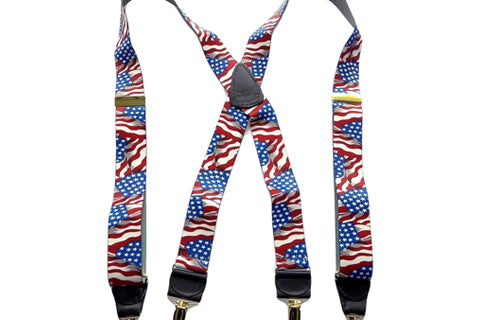
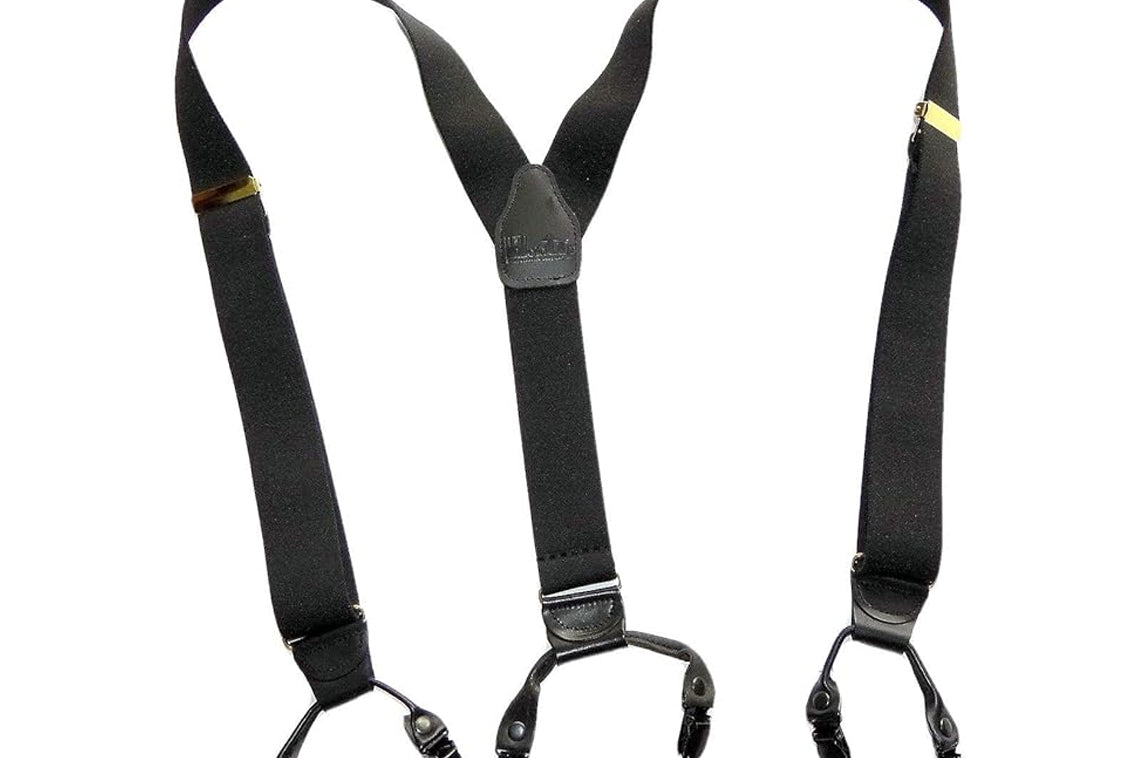
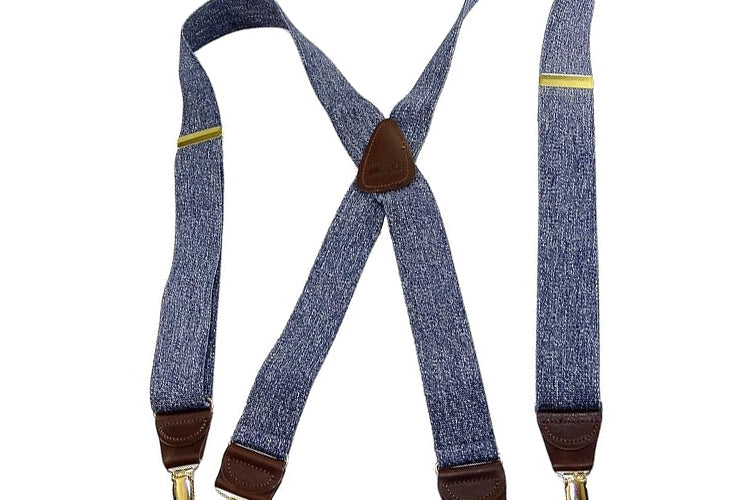
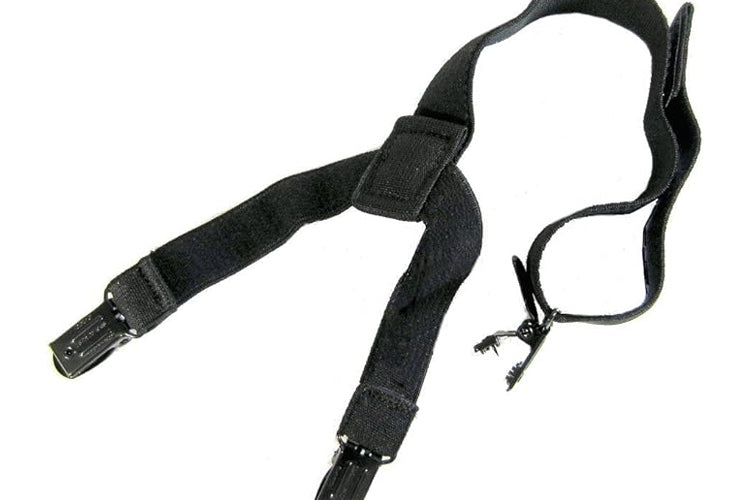
Suspenders are adjustable fabric, elastic, or leather straps that pass over the shoulders and attach to the trouser waistband at both front and back. They hold trousers in position through upward tension from the shoulders, distributing the weight of the garment across the upper body rather than compressing it at the waist. This shoulder-based support keeps the waistband flat and the trouser line clean, and because no buckle or hardware sits at the waist, the front of the outfit reads as completely uninterrupted from chest to hip. Fashion retailers report a 3.9% increase in suspender sales over the last two years, reflecting a broader return to classic accessories and formal dressing.
What Belts Are and How They Work
Belts are looped through belt loops and fastened at the front waist using a buckle. They hold trousers up through lateral friction and compression, keeping the waistband in contact with the hips. A belt buckle inevitably creates a focal point at the front of the waist, which is either a deliberate design statement (as with statement buckles in western or casual fashion) or an unobtrusive metal detail that recedes into the background with formal dress. Leather belts are the most formal option; fabric and woven belts are appropriate for casual outfits. The belt works best with trousers that have belt loops designed for this purpose.
Why the Combination Creates Problems
When worn together, suspenders and a belt create competing mechanical forces on the trouser waistband. The suspenders pull upward from the shoulders while the belt compresses the waistband horizontally against the hips. This tension causes the waistband fabric to bunch or pucker, particularly at the front and sides, and can create an uneven waistband position that neither accessory would produce on its own. The visual result is a cluttered midsection with both clips or buttons and a buckle visible at the waist, which draws attention to an area of the outfit that, in most formal and business contexts, should recede rather than command notice.
When Wearing Both Might Work: The Case for Experimentation
Despite the traditional etiquette, fashion has never been entirely static. In creative, casual, and avant-garde contexts, the combination of suspenders and belt is used deliberately and with reasonable results when executed thoughtfully.
Casual and Street Style Contexts
In casual street style, workwear-inspired fashion, and creative industry dress codes, pairing suspenders with a belt can create a layered, utilitarian aesthetic that reads as intentional rather than confused. The key is that the combination needs to look like a decision rather than an oversight. This means choosing accessories whose widths, materials, and colors clearly complement each other, and wearing them with clothing that frames the combination as part of a deliberate look. A wide leather belt with leather suspenders in the same shade over a chambray shirt and denim creates a cohesive, rugged appearance that works in casual environments. On a tailored business suit, the same combination would read as a mistake.
Functional Contexts
For work contexts where suspenders support a tool belt or heavy-duty work trousers, and a separate belt serves a functional purpose such as carrying equipment, wearing both is entirely justified. In this case, the accessories serve genuinely different functions: the suspenders distribute the load of the tool belt across the shoulders, while a separate work belt provides attachment points for tools and accessories. The question of when wearing a belt and suspenders together is actually acceptable comes down to this distinction between functional and purely aesthetic wearing.
Fashion-Forward and Avant-Garde Styling
Some style-conscious wearers deliberately combine the two as a visual statement rooted in fashion subversion: using an unexpected pairing to signal familiarity with the rules they are choosing to break. This approach works when the wearer has a strong, cohesive overall aesthetic that contextualizes the combination, and when both accessories are of high quality, clearly coordinated, and worn with evident intention. It rarely works as an accidental pairing or in environments where conventional dress is expected.
Pros and Cons of Wearing Suspenders with a Belt
Like any unconventional style choice, pairing suspenders with a belt carries real benefits in the right context and clear drawbacks in the wrong one. Knowing both sides helps you make an informed decision rather than defaulting to habit or assumption.
Potential Advantages
- Creates a unique and intentional style statement in casual and creative contexts. Our range of jacquard pattern suspenders are a popular starting point for those exploring bolder styling combinations.
- Allows for layering of textures and materials that adds visual depth to an outfit.
- In functional workwear contexts, each accessory can serve a genuinely different purpose.
- Can project an edgy, avant-garde aesthetic when worn with evident purpose and coordination.
Clear Disadvantages
- Widely considered a fashion faux pas in formal and business settings: 83.6% of fashion experts agree.
- Creates competing mechanical tension on the trouser waistband that causes bunching.
- Produces visual clutter at the midsection, drawing attention to an area that should recede.
- Risks appearing confused or uninformed about how each accessory functions.
- Uncomfortable if both accessories are tight, restricting natural movement around the waist.

How to Wear Both Together: If You Choose To
If you decide to combine suspenders and a belt, the following principles give the combination its best chance of reading as a style decision rather than a mistake.
Coordinate Colors and Materials
The most important coordination decision is ensuring the leather or fabric of the belt and the ends or body of the suspenders belong to the same color family. Brown leather suspenders with a matching brown leather belt create a cohesive tonal story. Black fabric suspenders with a black leather belt achieve the same result. Avoid introducing a completely unrelated color through either accessory: if the belt is significantly lighter or darker than the suspenders, the combination looks uncoordinated rather than layered. For guidance on styling suspenders alongside belt loops and belt hardware, the details of waistband coordination matter more than most wearers realize.
Match Widths and Proportions
A wide belt paired with wide suspenders creates a proportionally heavy look at the waist that reads as balanced between the two accessories. A narrow belt with narrow suspenders creates a lighter, more modern silhouette. Mismatching a very wide belt with narrow suspender straps, or vice versa, creates visual imbalance that makes the combination look more accidental. The width of both should also be proportional to the body wearing them: broader builds can carry wider accessories; slimmer frames read better in narrower widths.
Width Pairing Reference
| Belt Width | Recommended Suspender Width | Best Context |
|---|---|---|
| 1 inch or under | 0.75 to 1 inch | Smart casual, creative office |
| 1 to 1.5 inches | 1 to 1.5 inches | Casual outings, weekend wear |
| 1.5 to 2 inches | 1.5 to 2 inches | Workwear, rugged casual |
Keep the Rest of the Outfit Simple
When the waist area already carries two accessories, every other element of the outfit needs to recede. A plain shirt in a solid neutral, simple trousers without heavy detailing, and clean shoes that do not introduce additional competing elements give the belt and suspender combination room to read as an intentional focal point rather than one of many competing details. Over-accessorizing beyond this combination with a bold tie, patterned pocket square, and statement watch all at once tips the balance from layered to cluttered.
Ensure Both Are Properly Adjusted
Both accessories should be correctly adjusted before wearing them together. The suspenders should hold the trousers at the natural waist with straps lying flat across the shoulders. The belt should sit comfortably in the loops without being fastened so tightly that it creates a constriction at the waist. If either accessory requires being uncomfortably tightened or loosened to accommodate the presence of the other, the combination is not working and one should be removed.

Occasion Guide: When to Choose Each Accessory
The clearest practical guidance for most men is not how to combine both accessories but how to choose confidently between them for different occasions.
Choose Suspenders When
- Dressing for black tie events, formal dinners, galas, or weddings where a polished, uninterrupted trouser line is the priority. See our formal satin series for the right match.
- Wearing a fine suit or tuxedo where a belt buckle would create visual interruption at the waist.
- Working a long day in tailored trousers where belt pressure around the waist would become uncomfortable.
- Dressing for occasions where you want to make a distinctive, classic style statement. Fashion retailers confirm a 3.9% increase in suspender sales, reflecting their growing role as a deliberate style choice rather than just a functional one.
Choose a Belt When
- Wearing casual trousers, jeans, or chinos with belt loops where a belt is the expected and proportionally correct accessory.
- The outfit is casual and a belt buckle serves as a natural focal point or design element of the look.
- Speed and convenience are priorities: belts are faster to put on and adjust than suspenders.
- The trouser style is low-rise or does not suit the upward tension that suspenders create. Learn more about matching suspenders to trousers with belt loops when making the switch.
Alternatives to Wearing Both Simultaneously
For men who like the idea of layering but want to avoid the practical and aesthetic issues of wearing suspenders and a belt together, several alternatives create visual interest without the drawbacks.
Layering suspenders with a vest or waistcoat is the classic layering approach: the vest covers the suspender straps when the jacket is open, creating a three-piece formality that adds depth to the look without any accessory redundancy. A statement buckle on a belt worn without suspenders can serve as the single focal accessory of an outfit. Wearing suspenders with a shirt tucked neatly into high-waisted trousers, with no belt at all, creates the cleanest possible line and lets the braces be the defining accessory. Explore the full range of formal satin series suspenders as a standalone accessory choice for occasions from business to black tie.

Caring for Suspenders When Worn Alongside a Belt
If you regularly wear suspenders and belts in combination for workwear or functional purposes, the additional interaction between the two accessories requires some care to prevent premature wear on both. The clips or button loops of the suspenders should be checked regularly for any stress caused by competing tension with the belt. Leather components of both accessories benefit from occasional conditioning to prevent cracking at the points of mechanical stress. Store both accessories flat or hung rather than coiled, which can permanently deform leather straps and elastic over time.
Frequently Asked Questions
Below are the most common questions men have about combining suspenders with a belt, answered directly and without ambiguity.
Is it okay to wear suspenders with a belt?
Traditionally, wearing suspenders with a belt is considered a fashion faux pas because both accessories serve the same functional purpose of holding up trousers. Among fashion experts, 83.6% consider wearing both simultaneously a style mistake. That said, in casual, creative, and functional workwear contexts, the combination can work if both accessories are clearly coordinated in color and width and the rest of the outfit is kept simple. Only 7.3% of men wear both together, making it a genuinely uncommon choice that requires deliberate styling to avoid looking confused.
Why is wearing suspenders and a belt together a fashion mistake?
Both suspenders and belts exist to hold up trousers. Wearing both creates functional redundancy: the suspenders pull the waistband upward from the shoulders while the belt compresses it horizontally at the hips, which can cause the waistband fabric to bunch and the trouser line to look uneven. Visually, it produces clutter at the midsection with both clips and a buckle visible, which draws attention to an area of the outfit that in most contexts should recede. For formal, business, and classic dress, this redundancy undermines the clean, intentional look these contexts require.
Are there situations where wearing both is acceptable?
Yes, in specific contexts. For functional workwear where suspenders support a heavy tool belt and a separate belt carries tools or equipment, both serve genuinely different purposes and wearing both is practical. In casual and street style contexts, the combination can create a deliberate layered aesthetic when both accessories are well-coordinated and the rest of the outfit is kept simple. In fashion-forward or creative environments, wearing both can signal deliberate rule-breaking provided the overall look is clearly intentional. In formal and business settings, the combination remains inappropriate.
How do I style suspenders and a belt together if I choose to?
The key principles are: match the colors of the belt and suspenders within the same color family; coordinate their widths so neither is dramatically heavier than the other; keep the rest of the outfit simple so the waist area can function as a deliberate focal point rather than visual noise; and ensure both accessories are correctly adjusted without competing tension that causes discomfort or bunching at the waistband. A brown leather belt with brown leather suspenders over a plain shirt and simple trousers is the most cohesive way to pull off the combination in a casual context.
Are suspenders better than belts for holding up pants?
For most men who try both, suspenders provide better all-day comfort and trouser support. Suspenders alone provide better waist support for 64.8% of users compared to belts, primarily because they eliminate the circumferential pressure band a belt creates around the waist and instead distribute the trouser weight upward across the shoulders. For tailored clothing, formal occasions, and long workdays in dress trousers, suspenders maintain the trouser position more consistently and comfortably. Belts remain the more practical choice for casual trousers with belt loops and outfits where the buckle serves as a design element.
What do fashion experts say about wearing a belt with suspenders?
The consensus is clear: 83.6% of fashion experts consider wearing both simultaneously a style faux pas, making it one of the most widely agreed-upon rules in classic menswear etiquette. The argument against the combination is rooted in the principle that each accessory is a complete solution on its own, and doubling up on function without adding aesthetic value creates redundancy that undermines the clarity and intention of the overall look. Most style guides and menswear authorities recommend choosing one or the other based on the occasion, the formality of the outfit, and the trouser style.
Can I wear suspenders and a belt for formal occasions?
No. For formal occasions including weddings, business meetings, black tie events, and professional settings, wearing both is inappropriate. Formal dress requires a clean, uncluttered waistline, and the combination of a belt buckle and suspender clips or buttons creates hardware at the midsection that disrupts this. For formal occasions, choose button-on suspenders in a coordinated color and material, remove the belt entirely, and let the suspenders deliver the clean trouser line that formal attire demands.
How do I style suspenders without a belt?
Wearing suspenders alone is straightforward: choose a pair that matches the formality and color palette of your outfit, attach them to the trouser waistband via clips or buttons, adjust the strap length until your trousers sit at the natural waist with the straps lying flat across your shoulders, tuck in your shirt neatly, and leave the belt off entirely. Without a belt, the clean trouser waistband and vertical strap lines create a polished, uninterrupted silhouette from chest to hip. Coordinate your suspenders with your tie or bow tie for the most cohesive formal or business look.
What are common fashion rules about suspenders and belts?
The primary rule is: choose one or the other, never both. Beyond this, the key rules for suspenders are to always tuck in the shirt, never pair with a belt, match the material and formality of the braces to the occasion, and coordinate the color with your tie or pocket square rather than the suit fabric. For belts, the key rules are to match the leather of the belt to the leather of the shoes, ensure the width is proportional to the belt loops, and choose a buckle style that matches the formality of the outfit.
What are the best alternatives to wearing both a belt and suspenders?
The most effective alternatives that achieve visual layering without the practical drawbacks are: wearing suspenders under a vest or waistcoat for a three-piece look that adds depth without accessory redundancy; wearing a statement belt buckle as a single focal accessory without suspenders; or exploring convertible suspenders that offer multiple attachment styles, which allows flexibility across different trouser types without needing a belt at all. Each of these approaches maintains the clean, intentional look that both formal and casual dressing benefit from.